
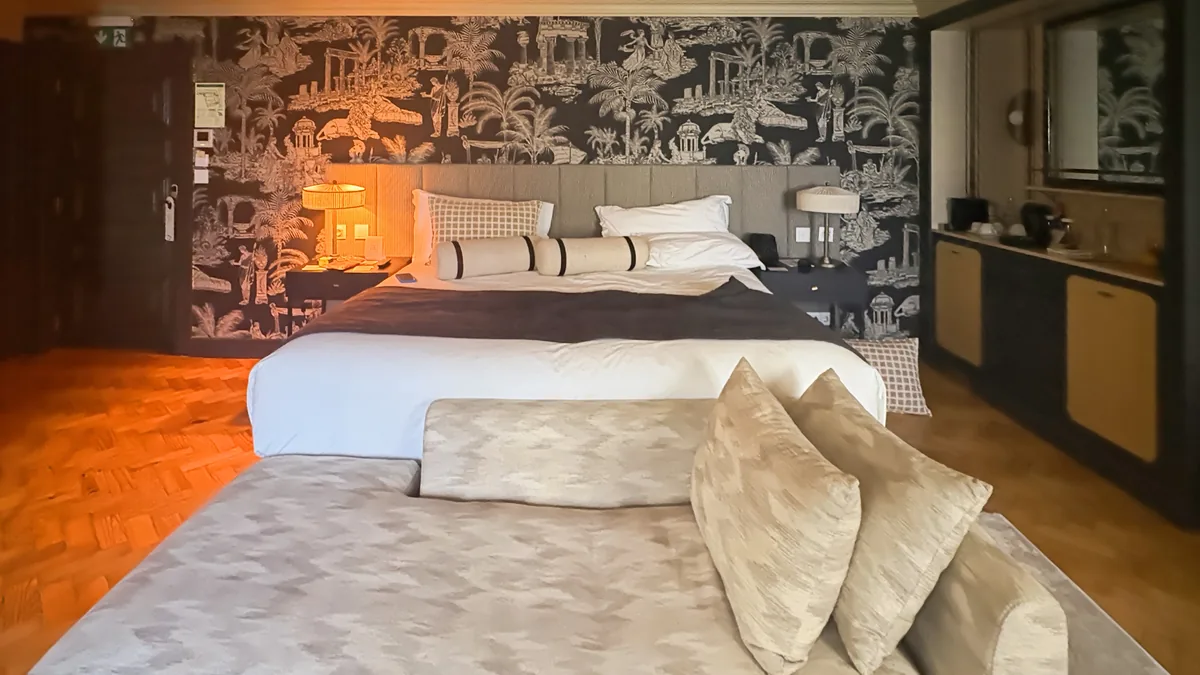
A good hotel fades into the background of a trip. A memorable one, however, becomes part of the story you tell afterwards. That contrast explains much of the appeal of a boutique hotel. Instead of vast lobbies and identical corridors, you usually find a smaller building, a clear design idea, and staff who notice small details.
Still, the label gets used loosely today. Some properties call themselves boutique because they added bold wallpaper. Others, meanwhile, earn the name through local character, thoughtful service, and rooms that feel genuinely individual. This guide separates the marketing from the reality, so you can judge any listing on its merits.
Moreover, you will learn how boutique stays compare with chains, bed and breakfasts, and aparthotels. Additionally, you will see what to expect from rooms, breakfast, and service. Finally, you will get a practical method for choosing, plus the exact questions worth asking before you pay.
What is a boutique hotel?
So, what is a boutique hotel in plain terms? Essentially, it is a small hotel with character, built around a distinct concept rather than a standard template. Most definitions point to a modest room count, often described as roughly ten to one hundred rooms. No single legal rule applies everywhere, though.
Size alone does not make a property boutique. A plain small hotel stays plain, however neat it looks in photos. Conversely, a boutique property makes deliberate choices about colour, furniture, lighting, and layout. Those choices usually connect to the neighbourhood, the building history, or a theme the owners care about.
Furthermore, independence often shapes the experience. An independent hotel stay gives owners freedom to source local art, serve regional food, and change details quickly. Some boutique properties now belong to small collections or larger groups, admittedly. Nevertheless, the best ones still protect their individual identity instead of copying a brand manual.
Why does small scale change the whole stay?
Fewer rooms change the rhythm of a stay in obvious ways. Reception feels calmer, for example. Breakfast queues shrink, corridors stay quieter, and staff can realistically learn your name. Consequently, requests feel personal rather than processed through a large system.
Small scale also brings limits, however. Facilities may be fewer, and reception hours may not run around the clock. Similarly, one noisy group can affect a compact property more than a huge resort. Understanding that trade-off helps you choose with open eyes.
Readers who enjoy small, characterful stays may also like our guide to an independent small-hotel stay in St. Francisville. It shows, for instance, how a sense of place can matter more than sheer size.
How does a boutique hotel compare with other types of stay?
Comparisons clarify the choice far better than star labels do. Stars mainly signal facilities and service levels within a classification system. Boutique, by contrast, describes a style and scale of hospitality. Therefore, a boutique property can sit at a modest or a high-end level, depending on its market.
How does the boutique hotel vs chain hotel choice work?
The boutique hotel vs chain hotel decision usually comes down to character versus predictability. Chain hotels offer consistent layouts, loyalty schemes, and familiar processes in city after city. That consistency reassures many business travellers, especially on tight schedules. Larger chains also provide extensive facilities, from meeting rooms to sizable gyms.
Boutique properties trade some of that uniformity for personality. Rooms may vary in shape because the building was converted from something else. Breakfast may feature a local bakery instead of a standard buffet line. However, variation also means you must check details more carefully before booking.
Families comparing resort-style chains can see the other end of the scale in our guide to Dubai parks and resorts hotels. Large resorts, for example, prioritise facilities and capacity. Boutique stays, meanwhile, prioritise atmosphere and individual attention.
How does the boutique hotel vs bed and breakfast choice work?
The boutique hotel vs bed and breakfast comparison confuses many travellers because both feel intimate. A bed and breakfast usually operates inside a home, often with the host living on site. Guests commonly share breakfast around one table, and conversation with the host becomes part of the charm.
A boutique hotel, in contrast, runs as a professional hotel operation, albeit a small one. You typically get a private bathroom, a staffed reception, and more separation from other guests. Moreover, dining may extend beyond breakfast into lunch, dinner, or a bar service.
Privacy preferences often settle this choice. Travellers who love hosted conversation usually enjoy a bed and breakfast. Travellers who want intimacy without social obligation, however, often prefer a boutique property. Either option can deliver local character, admittedly, so personal comfort should lead the decision.
How does an aparthotel vs boutique hotel stay differ?
An aparthotel vs boutique hotel comparison matters most for longer trips. Aparthotels centre on self-contained units with kitchens, laundry access, and living space. That setup suits families, remote workers, and anyone who wants to cook simple meals. Consequently, aparthotels can feel practical and spacious over several weeks.
Boutique hotels focus instead on serviced comfort. Staff clean the room, serve breakfast, and offer local advice each day. You gain atmosphere and support, but you usually lose a full kitchen. Therefore, trip length and daily routine should guide this particular choice.
What should you expect during a boutique hotel stay?
Expectations prevent most disappointments in travel. Boutique stays reward guests who value design and personal contact. They frustrate guests who secretly wanted a vast resort with endless facilities. Knowing the typical pattern, therefore, helps you judge whether the style fits your trip.
What are boutique hotel rooms usually like?
Boutique hotel rooms rarely follow a single template. One room may feature vintage furniture and a deep bath, while another uses clean lines and local textiles. Design-led hotel spaces treat the room as part of the destination, not just a place to sleep. That intention shows in lighting, artwork, and materials.
Converted buildings bring quirks, though. Room sizes can vary sharply within one property, and layouts may include steps or unusual corners. Sound insulation in older buildings may, in practice, lag behind modern chains. Always read the specific room description, therefore, rather than assuming every room matches the hero photo.
A design-led example with a strong sense of place appears in our feature on the Irie Tulum boutique stay in Mexico. Tropical settings, for instance, show how local materials and outdoor space can shape the whole mood.
What is a boutique hotel breakfast usually like?
A boutique hotel breakfast often reflects the area rather than a generic menu. Expect local bread, regional cheese, seasonal fruit, and eggs cooked to order in many properties. Smaller dining rooms allow staff to serve food fresh instead of holding it on a long buffet. Consequently, breakfast can become a highlight of the stay.
Variety may be narrower than at a large chain, however. A compact kitchen cannot offer every cuisine at once. If breakfast matters to you, check whether it is included or charged separately. Furthermore, confirm serving hours, especially when you have an early departure.
Dietary needs deserve a direct question too. Small properties often adapt willingly when they receive notice in advance. Tell them before arrival, for example, about allergies or fasting requirements. That small step usually produces a far better morning than hoping on the day.
How does personalised service feel in practice?
Personalized service is the promise behind much boutique marketing. In practice, personalized service means staff remember preferences, suggest places that match your interests, and solve problems without scripts. A receptionist might remember your coffee order, for instance. A manager might recommend a quiet street rather than the busiest attraction.
That closeness has boundaries, admittedly. Small teams cover many roles, so requests may take longer at busy moments. Night coverage may involve an on-call arrangement instead of a full desk team. Therefore, ask about arrival procedures when you plan to check in late.
Who suits a boutique stay, and who might prefer something else?
A boutique hotel for couples often works beautifully because privacy, design, and atmosphere support a shared break. Couples tend to value a characterful room and a relaxed breakfast over conference facilities. Similarly, solo travellers who enjoy neighbourhood life often thrive in small, well-located properties.
Design lovers gain obvious pleasure from these stays. Every corridor, chair, and plate can feel considered rather than mass-produced. Food-focused travellers also benefit, especially when the kitchen champions local producers. Moreover, repeat visitors to a city often choose boutique stays to experience a different district each time.
Some travellers should pause, however. Families needing interconnecting rooms, large pools, and kids clubs may find compact properties restrictive. Our guide to Legoland Dubai water park and hotel stays shows, for example, how family resorts build everything around children. That purpose-built setup suits many parents far better.
Accessibility needs also require extra care. Historic conversions may lack lifts or step-free access to every room. Business travellers may miss large desks, meeting spaces, or guaranteed late-night staffing. None of these points makes boutique stays lesser, admittedly. They simply underline the importance of matching property style to trip purpose.
How to choose a boutique hotel step by step?
Learning how to choose a boutique hotel becomes easier when you follow a clear order. Start with location, then test the concept, then verify practical details. That sequence prevents pretty photos from hiding basic problems. It also keeps your budget focused on what you will actually use.
Why does boutique hotel location matter so much?
Boutique hotel location shapes your days more than any lobby feature. A central property saves transport time and lets you rest between outings. A neighbourhood property, meanwhile, can offer quieter nights and a more local feel. Both can work well, depending on your plans.
Check the exact address on a map before booking. Look at walking routes to stations, restaurants, and sights you care about. On top of that, examine street photos for hills, busy roads, or nightlife venues nearby. A short distance on a map can still involve an awkward walk.
Travellers planning a scenic base may enjoy our guide to the best place to visit in Switzerland. Destination choice and hotel location, for instance, work together. A beautiful room in the wrong area still creates daily friction.
Nightlife districts deserve special thought. Our roundup of Bangkok hotels near vibrant nightlife shows how location can define a stay. Lively streets delight some guests, however, and disturb others who need early sleep. Choose the energy level deliberately, therefore, rather than discovering it at midnight.
How can you test whether the design concept is real?
Genuine design runs through the whole property, not just one styled corner. Look for consistent photos of rooms, bathrooms, dining areas, and corridors. Guest photos help here because they show everyday angles and lighting. If only two dramatic images repeat everywhere, stay cautious.
How should you compare value without chasing the lowest price?
Value means the full package, not the headline rate alone. Add breakfast, parking, resort or city charges, and cancellation terms into your comparison. A slightly higher rate with breakfast and flexible terms may cost less overall. Conversely, a cheap non-refundable rate can become expensive when plans change.
Travellers watching overall trip costs may also enjoy our guide to the cheapest places to visit. Destination choice, for example, affects hotel value more than small discounts do. Shoulder-season timing can likewise transform what a boutique stay costs.
How should you read boutique hotel reviews?
Boutique hotel reviews reward a forensic reading style. Ignore the most extreme praise and the angriest rant at first. Focus instead on repeated comments about cleanliness, noise, staff attitude, and breakfast quality. Patterns across many stays reveal far more than one dramatic story.
Sort reviews by newest first whenever possible. Management, chefs, and maintenance standards can change quickly in a small property. A glowing review from years ago may describe a team that has left. Similarly, an old complaint may already be fixed after a renovation.
- Search reviews for words such as noise, smell, stairs, shower, and Wi-Fi.
- Compare guest photos with official photos of the same room type.
- Check whether complaints repeat across different booking sites.
- Note praise that mentions specific staff actions, not just general friendliness.
- Read the lowest recent reviews first, then judge whether the issues affect you.
What questions should you ask before booking?
Direct questions protect you better than assumptions do. Small properties usually welcome specific enquiries because they prefer a well-matched guest. Use email or a short call, and keep the written reply with your booking. The following questions to ask before booking a hotel cover the issues that surprise travellers most often.
- Is breakfast included in this rate, and what hours is it served?
- Does my room have a lift or step-free access, and how many stairs are involved?
- Is there air conditioning and heating that I can control inside the room?
- What is the boutique hotel cancellation policy for this exact rate?
- How do I check in if I arrive late at night?
- Is parking available on site, and must I reserve it in advance?
- How fast and reliable is the Wi-Fi for video calls?
- Can you store luggage before check-in and after check-out?
- Are children, pets, or extra beds welcome in this room type?
- Is any renovation or building work planned during my dates?
Answers also test service culture. A helpful property replies clearly and completely. Evasive answers, meanwhile, warn you about how problems may be handled later. Therefore, treat the enquiry itself as a small preview of the stay.
Why does the cancellation policy deserve extra attention?
The boutique hotel cancellation policy can differ sharply between rates at the same property. Flexible rates usually allow changes until a stated deadline. Cheaper rates may take full payment immediately and offer no refund. Always read the deadline in local time, therefore, and note any charges clearly.
Travel disruption makes this detail more than fine print. Illness, delays, and plan changes happen to careful travellers too. If your dates feel uncertain, flexibility may be worth more than a small saving. Conversely, firm plans can justify a stricter rate when the saving is meaningful.
What are the red flags when booking a boutique stay?
Certain warning signs should slow any booking down. Vague room descriptions, missing floor plans, and photos that never show a bathroom all deserve scrutiny. Likewise, a property with no clear address or contact route creates avoidable risk. Legitimate hotels make basic facts easy to verify.
Review patterns can also flash red. Repeated mentions of damp smells, broken showers, or unresponsive staff rarely appear by accident. Additionally, a sudden burst of generic five-star praise can look suspicious beside detailed older reviews. Balance the evidence, therefore, rather than trusting a single score.
Finally, watch for concept overload. A property promising spa, coworking, fine dining, and nightlife inside a tiny building may deliver none of them well. Focused properties usually perform better than overstuffed ones. Simplicity, in other words, often signals honest management.
How should you pack and prepare for a boutique stay?
Thoughtful boutique hotel packing tips start with the building itself. Older properties may have smaller rooms, fewer sockets, and limited hanging space. Pack versatile clothing that mixes easily, therefore, and avoid bulky items you will not wear. A compact organiser can also keep a small wardrobe tidy.
Bring a multi-socket or travel adapter when you carry several devices. Boutique rooms sometimes favour lamps and atmosphere over desk power points. Earplugs help light sleepers too, especially in lively districts or historic buildings. A small night light or phone torch still helps with unfamiliar layouts.
Frequently asked questions
Is a boutique hotel the same as a small hotel?
No, because size is only one part of the idea. A boutique property adds a clear design concept, local character, and personal service. A small hotel without those qualities, however, remains simply a small hotel. Concept and intention, therefore, make the real difference.
Are boutique hotels always expensive?
No, because boutique describes style and scale rather than a price band. Some properties charge premium rates for design and location. Others, meanwhile, offer modest prices with strong character and simple facilities. Comparing the total cost, including breakfast and cancellation terms, gives the fairest picture.
Do boutique hotels suit families with children?
Some do, but you must check the details carefully. Look for family rooms, extra beds, early breakfast options, and a welcoming policy toward children. Compact properties without those features may suit couples better. Asking directly, as a result, avoids an awkward mismatch on arrival.
Is breakfast always included at a boutique hotel?
No, because inclusion varies by property and by rate. Some rates bundle a generous local breakfast, while cheaper rates exclude it. Always confirm the arrangement and serving hours before booking. That check matters especially, for example, when you have an early tour or flight.
How far ahead should you book a boutique hotel?
Earlier booking usually gives you better room choice because inventory is small. Popular rooms in a compact property can sell out long before a large chain fills. Booking ahead also lets you ask questions calmly. Nevertheless, flexible travellers sometimes find late availability when plans change at other properties.
What is the best way to get a quiet room?
Ask for a high-floor room away from the bar, lift, and main street. Make that request at booking stage, not at check-in. Mention light sleep politely, for instance, and confirm the reply in writing. No property can guarantee silence, admittedly, but early requests improve your chances considerably.
A boutique stay works best when you choose it deliberately. Match the location to your days, test the design claims against real guest evidence, and verify the practical details in writing. Do that, and the small scale becomes an advantage rather than a gamble. Your hotel stops being a backdrop, consequently, and starts adding character, comfort, and local flavour to the trip itself.



