
Ask ten travellers to name the best place to visit in Switzerland and you will hear ten different answers. One person swears by a quiet lake town. Another person only talks about one famous mountain.
All three people can be right at the same time. In fact, Switzerland packs a huge range into a small country. So the honest answer depends on the kind of trip you want. This guide gives you a clear verdict for each traveller type instead.
Specifically, you will find one winner for first-timers and one winner for pure mountain drama. You will also find picks for adventure, city breaks, calm lakesides, families, and rail fans. Each pick comes with a straight warning too. In fact, each section tells you who should skip that place and go elsewhere.
Why is there no single best place to visit in Switzerland?
Switzerland works like a menu rather than a single dish. You choose a lake, a high valley, a historic city, or a mix of all three. Distances stay short, yet the feel changes fast between regions. In contrast, a French-speaking lakeside town feels very different from a German-speaking alpine village.
Meanwhile, season changes the answer just as much as taste does. For example, high trails open fully in summer and close under snow in winter. Ski towns feel alive in January and sleepy in late spring. So any honest guide must match the place to both the person and the month.
Quick verdicts at a glance
Short on time? Here is the whole guide in one list.
- Best for first-timers: Lucerne, because it blends a lake, an old town, and easy mountain trips.
- Best for iconic Alps: Zermatt, because the Matterhorn view beats every postcard.
- Best for adventure: Interlaken and the Jungfrau region, because thrills sit right beside classic hikes.
- Best city break: Zurich for energy and museums, or Bern for calm medieval streets.
- Best lakeside calm: Montreux on Lake Geneva, because the pace stays slow and gentle.
- Best for families: Lucerne and Interlaken, because both keep transfers short and days flexible.
- Best for rail lovers: the Glacier Express route and the Bernina line, because the journey becomes the highlight.
Then check the skip warning before you book anything. Indeed, that one habit saves most travellers from a mismatched trip.
Best for first-timers: Lucerne
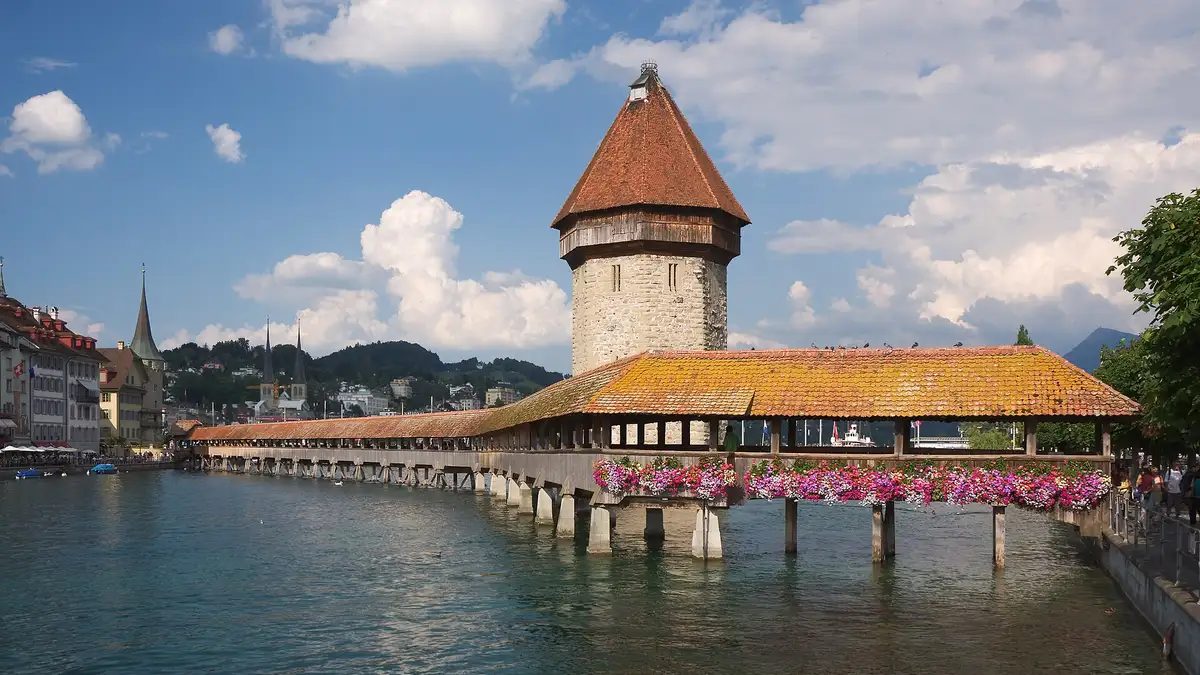
Lucerne wins the first-timer vote by a clear margin. The city, notably, sits on Lake Lucerne with peaks rising behind the rooftops. You get water, history, and mountains in one compact base. Lucerne for first timers works because nothing feels hard there.
What makes Lucerne so easy to love?
The old town, above all, rewards slow wandering straight away. Painted houses, meanwhile, line small squares near the river. The covered Chapel Bridge crosses the water with centuries of history inside its roof paintings. Overall, you can see the main sights on foot in half a day.
Besides, day trips add real range without any stress. Boats, for example, cross the lake to small villages and cable car stations. Mount Pilatus rises on one side of the city. Both trips, notably, start right from town and need no car.
Who should skip Lucerne?
Skip Lucerne if you crave huge high-alpine drama every day. The nearby peaks look lovely, yet they stay lower than the giants further south. Hardcore hikers may also outgrow the local trails within a few days. In that case, base yourself in the Bernese Oberland or Zermatt instead.
Lucerne also draws steady crowds in peak summer weeks. The bridge area can feel busy around midday, though. Early mornings and evenings feel far calmer though.
Best for iconic Alps: Zermatt and the Matterhorn
Zermatt owns the most famous view in the country. The Matterhorn, in particular, stands alone above the village like a stone pyramid. No other peak in Switzerland carries the same instant recognition. Zermatt Matterhorn views justify the trip on their own.
Why does the Matterhorn feel so special in person?
Photos, in fact, shrink the mountain more than you expect. In person, the peak towers over the rooftops and changes mood all day. Morning light, for instance, turns it gold for a short spell. That drama keeps people watching the sky like a show.
The village itself also adds charm to the view. Zermatt bans cars, so the streets stay quiet and clean. Old wooden chalets, meanwhile, line the lanes behind the main street. The Gornergrat railway climbs to a ridge with glacier views across a wide bowl. Indeed, that ride alone ranks among the finest in Europe.
Who should skip Zermatt?
Skip Zermatt if your budget feels tight this year. The village prices sit at the top end for Switzerland. Travellers who count every franc will feel that pressure daily.
Weather risk matters here too. Low cloud can erase the Matterhorn for a whole short stay. So give Zermatt three nights or more if the peak tops your list. Flexibility protects you from the cruellest disappointment in Swiss travel.
Best for adventure: Interlaken and the Jungfrau region
Interlaken sits between Lake Thun and Lake Brienz with high peaks all around. The town, in short, acts as a front door to the Jungfrau region Switzerland travellers dream about. Adventure companies run trips in every direction from here. Interlaken adventure travel covers water, air, rock, and snow.
What can you actually do around Interlaken?
Paragliders, for example, launch from the hills and land in the central park. Rafts also run the rivers below the glaciers in summer. Lake boats and kayaks offer a calmer version of the same landscape.
The villages above town add classic alpine days to the mix. Lauterbrunnen, notably, fills a deep valley with waterfalls on both sides. Wengen perches on a sunny shelf with no cars at all. Each village feels distinct, yet all three sit within easy reach.
The Jungfrau railway, in particular, climbs through the Eiger to the highest station in Europe. Snow and ice still surround the top station in every season.
Who should skip Interlaken?
Skip Interlaken town itself if you want a storybook village feel. The centre serves tourists heavily and can feel commercial. Many visitors, therefore, sleep in Lauterbrunnen, Wengen, or Grindelwald for more charm. Those villages cost a bit more effort but reward it well.
Adrenaline fans should also watch the season closely. Winter shifts the fun toward skiing and sledging instead. Check your exact dates against the activities you want most.
Best city break: Zurich for buzz, Bern for soul
City lovers face a happy split decision in Switzerland. Zurich, for instance, brings size, art, and lakeside swimming in summer. Bern, by contrast, brings arcades, river views, and a slower heartbeat. Both earn the title of best city break in Switzerland for different moods.
Why do travellers rate Zurich so highly?
Zurich mixes old lanes with serious museums and galleries. The old town climbs both banks of the Limmat river, though. Church towers certainly mark the skyline above small wine bars and bookshops.
The city also works brilliantly as a transport hub. Our guide to places to visit near Zurich by train shows how much fits into one day. As a result, you can sleep in the city and still taste the Alps.
Why might Bern suit you better than Zurich?
Bern, in contrast, holds the capital title and a UNESCO-listed old town. Sandstone arcades, for example, shelter shoppers from rain and sun alike. Locals float down that river on warm days with dry bags in tow.
The pace, overall, feels gentler and the prices feel slightly kinder too. Bern suits travellers who like history without any rush.
Choose Zurich for buzz, shopping, and late evenings out. Choose Bern for charm, calm streets, and easy wandering. Either city pairs well with Lucerne on a short trip.
Best for lakeside calm: Montreux and Lake Geneva
Montreux stretches along the shore of Lake Geneva under steep vineyards. Palm trees and flower beds, notably, line the promenade by the water. Montreux Lake Geneva stays the classic answer for travellers who need calm.
What gives Montreux its gentle magic?
The lakeside path, for instance, runs for miles past gardens and small beaches. Boats also drift between towns on both shores of the lake. Chillon Castle stands on a rocky island just outside town.
Vineyards likewise climb the hills behind the neighbouring villages. The Lavaux terraces hold UNESCO status for their beauty and age. Walkers can, for example, stroll between wine villages on marked paths above the water. Trains link those villages, so tired legs can ride back easily.
Music fills the town each summer during its famous jazz festival. A statue of Freddie Mercury, who recorded here for years, stands by the lake today.
Who should skip Montreux?
Skip Montreux if high peaks top your wish list. The Alps frame the lake, yet the biggest summits sit far away. Hikers who want trails from the door should look elsewhere. Zermatt or Grindelwald will serve that goal far better.
Montreux also leans toward couples and slow travellers in feel. Young groups hunting nightlife may find evenings too quiet. So match the town to your evenings as well as your days.
Best for families: easy bases and built-in variety
Switzerland for families works best from a base with short transfers. Lucerne and Interlaken both tick that box with ease. Each town, in short, mixes boats, trains, and mountain lifts in one small area. Children stay entertained while parents avoid long travel days.
Why do families cope so well in Switzerland?
The transport system itself becomes part of the fun. Kids, for instance, ride paddle steamers, cog railways, and open cable cars in one trip. Short walks link those play stops to picnic spots and cafes.
Lucerne, in particular, scores extra points with the transport museum on a wet day. Interlaken scores with lake beaches and gentle boat trips nearby. Cooking some meals also keeps food costs under control.
Who should rethink a family trip to the high Alps?
Very young children can struggle with altitude and long lift rides. Keep the highest days short and optional for that age group. Lakes and lower valleys often make toddlers far happier anyway.
Pushchairs also meet limits on steep village lanes and trails. Zermatt and Wengen ban cars, which helps safety but adds walking. Plan around that detail and family days run smoothly.
Best for rail lovers: let the train be the trip
Some travellers collect journeys rather than sights. Switzerland rewards that habit more than almost any country on Earth. Scenic trains in Switzerland cross viaducts, spiral tunnels, and high passes in a single day. The Glacier Express Switzerland route links Zermatt with St. Moritz in grand style.
Which scenic routes deserve your time most?
The Glacier Express crosses the Oberalp Pass and the Rhine Gorge slowly. The Bernina line, by contrast, climbs to glaciers and then drops toward palm trees in Italy. That contrast within one ride feels almost unreal.
The GoldenPass route links Montreux with Interlaken and Lucerne. Local trains on the same tracks cost less and stop more often. Rail fans often prefer those local rides for the freedom to hop off.
Rail lovers who ride the Bernina line often extend the trip south. Our notes on what places should I visit in Italy help plan that extra leg. Tirano makes an easy first taste of Italy after the mountains.
Who should skip a rail-heavy plan?
Skip a rail-heavy plan if you get restless on long journeys. The Glacier Express takes most of a day at gentle speed. Walkers may prefer to spend those hours on a trail instead. Two or three scenic rides usually beat a full week of them.
Seat reservations also add planning and extra fees on flagship trains. Flexible travellers, however, sometimes enjoy quiet local trains more. Keep that trade-off in mind before you build the whole trip around timetables.
How can you manage costs in Switzerland without spoiling the trip?
Nobody should pretend Switzerland comes cheap. Prices for food, beds, and lifts, indeed, rank among the highest in Europe. Switzerland travel on a budget means smart choices, not magic tricks.
Which habits save the most money in practice?
A Swiss Travel Pass often pays off for train-heavy trips. The pass covers trains, boats, buses, and many city networks. It also cuts the price of several mountain railways. Compare your planned rides against the pass price before you buy.
Self-catering saves a large share of food spending fast. Supermarkets, notably, sell excellent bread, cheese, fruit, and picnic food everywhere. One cooked meal a day plus one restaurant meal therefore works well.
Free pleasures, overall, carry a Swiss trip surprisingly far. Lake swims, old town walks, and viewpoint hikes cost nothing. Tap water tastes superb, so a refillable bottle saves money daily.
Timing, likewise, shapes costs as much as habits do. Shoulder months bring lower room rates and quieter trails. Weekday stays in resort towns can, as a result, undercut weekend prices clearly.
How do you choose between summer and winter in Switzerland?
Summer opens the full map for walkers and lake lovers. Trails clear, boats run often, and every pass road opens. Our roundup of top places to visit in Switzerland in summer covers the season in depth.
Winter turns the same country into a snow sports capital. Skiers, in contrast, head for Zermatt, the Jungfrau slopes, and St. Moritz. Our guide to the best place in Switzerland to visit in winter compares those bases honestly. Christmas markets also add lights and food stalls to the city squares.
Festive travel brings crowds to airports across the continent too. This report on how Europe airports prepare for busiest ever Christmas travel season shows the scale of that rush. Spring and autumn sit between those extremes with mixed weather and fewer people.
The best time to visit Switzerland depends on your main activity. Hikers should specifically target late June to September for high trails. Skiers should, instead, target January to March for reliable snow cover. City and lake trips shine from May to October in most years. Match the month to the mission and the country delivers.
How should you build a simple first trip that actually works?
A strong Switzerland first time itinerary uses two or three bases at most. Lucerne plus Interlaken, in fact, covers lakes, towns, and big peaks well. Add Zermatt, too, if you have a week or more to spare.
Five days suit Lucerne and the Jungfrau region at a relaxed pace. Seven to ten days, likewise, let you add Zermatt or Montreux calmly. Two weeks open space for Bern, Zurich, and a scenic rail day. Ultimately, resist the urge to change hotels every single night.
Switzerland also pairs neatly with a wider European route. Travellers planning best places to visit in Europe summer 2022 style grand tours often start here. The rail network links onward to France, Italy, Austria, and Germany with ease.
Compact capitals elsewhere in Europe make a nice contrast after the Alps. Fans of small historic centres often add places to visit in Luxembourg in one day to the same trip. Switzerland still tends to steal the show in most photo albums though.
Frequently asked questions
Which is the best place to visit in Switzerland for a first trip?
Overall, Lucerne takes the first-trip crown for most people. The city blends a lake, a lovely old town, and easy mountain days. First-timers, as a result, get variety without long transfers or hard choices. Add a Jungfrau day trip and the trip feels complete.
How many days do you need in Switzerland?
In general, five days cover two bases at a calm pace. Seven to ten days suit the classic Lucerne, Interlaken, and Zermatt loop. Two weeks, meanwhile, let you add Montreux, Bern, and a scenic train day. Shorter trips still work if you pick one region only.
Is Zermatt or Interlaken better for your trip?
Above all, Zermatt wins for the Matterhorn, skiing, and a car-free village feel. Interlaken wins for adventure sports and access to several villages. Families, by contrast, often prefer Interlaken for its range and lake options. Peak hunters and skiers usually prefer Zermatt without much debate.
What is the prettiest town in Switzerland?
Beauty depends on taste, yet a few names return again and again. Lucerne specifically charms with its bridge, lake, and painted houses. Wengen similarly stuns with its shelf above a waterfall valley. Montreux glows with flowers, palms, and soft lake light.
Can you visit Switzerland on a modest budget?
Yes, but you must plan with care and clear priorities. Rail passes, supermarket picnics, and self-catering stays, in short, cut the biggest costs. Free hikes and lake swims fill days without ticket prices.
Which Swiss base suits rail lovers best?
Interlaken and Lucerne certainly both sit on major scenic routes. Interlaken links the GoldenPass line with the Jungfrau railways, too. Lucerne connects lake boats with the Gotthard route south. Chur works well too for the Glacier Express and Bernina lines.
Ultimately, the best place to visit in Switzerland is the place that fits your style. Lucerne welcomes first-timers with open arms and easy days. Zermatt thrills peak lovers, while Interlaken fires up adventure seekers. Pick your verdict, trust it, and let the trains do the rest.



