
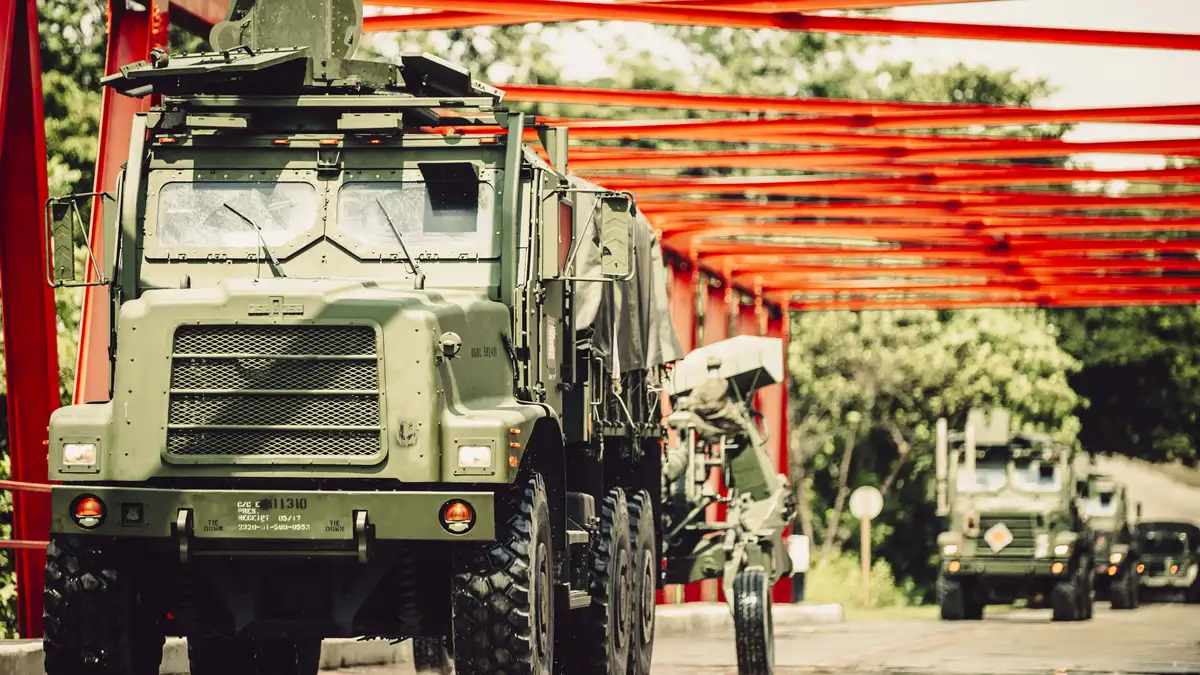
Every Foxhole war runs on trucks, crates, and patience. Frontline players fire the rifles, yet logistics players make those rifles exist first. So the humble foxhole logistics calculator sits at the heart of serious play. This foxhole logi guide explains the system behind the tool. You will learn how production flows from raw scrap to the front. You will also learn how the maths shapes each foxhole supply run.
Foxhole comes from Siege Camp, and hundreds of players share one persistent war. Nobody spawns with a full kit from a magic menu. Instead, players harvest, refine, build, and haul every single item. Because that chain takes real time, smart planning beats frantic driving. A calculator turns guesswork into a clear shopping list. Then your regiment can produce with purpose instead of hope.
Why does logistics decide wars in Foxhole?
Picture a frontline town during a heavy push. Rifles crack, mortars thump, and medics burn through bandages fast. Then the foxhole stockpile runs dry at the worst moment. Soldiers respawn with almost nothing, and the line folds within minutes. Sadly, that collapse rarely starts with bad aim. It usually starts hours earlier in a quiet backline town.
Foxhole logistics rewards the faction that plans furthest ahead. Raw fields sit far from the fighting, so distance shapes everything. A short haul keeps troops supplied, while a long haul drains drivers and fuel. Therefore experienced logi players treat time as their scarcest resource. They count crates before they count kills. Real armies learned the same lesson long ago, and our look at real-world supply chains in America shows a similar pattern.
Still, new players often see logi as a chore. They grab a truck, load random crates, and hope for the best. Sometimes that luck holds for one quiet evening. Usually, though, the front needs specific items in specific amounts. A calculator forces you to name those items early. Then the whole chain downstream becomes calmer and faster.
How does Foxhole production actually work?
Think of production as a relay race with five runners. Raw resources start the race at fields and mines. Refineries convert those raw loads into usable materials. Factories and facilities then turn materials into finished gear. Workers pack that gear into crates for transport. Finally, drivers haul the crates to bases that need them.
Where do raw resources come from?
Players gather salvage, components, and sulfur from fields across the map. They swing sledgehammers, drive harvesters, and fill trucks at resource nodes. Coal, crude oil, and other raw inputs feed the wider industry too. Each node holds a limited amount, so heavy harvesting empties it. Then the node needs time before it offers more.
Because fields sit in the backline, gathering feels safe and calm. Yet this calm stage decides every later stage. A refinery cannot refine salvage that nobody collected. Likewise, a factory cannot build rifles from thin air. So good logi teams protect their gathering rhythm above all. They rotate drivers, share nodes, and keep trucks moving steadily.
What happens at the foxhole refinery stage?
The foxhole refinery turns raw loads into the materials that builders actually use. Salvage becomes foxhole basic materials, the famous bmats of logi chat. Components become refined materials for vehicles and stronger structures. Sulfur feeds explosive materials for shells and heavy weapons. Crude oil becomes petrol for thirsty engines and facility machines.
Refining takes time, and queues form quickly at busy hours. One player queues a huge order and blocks the line for everyone. Another player queues small batches and keeps materials flowing. A foxhole resource calculator helps you judge that queue before you join it. You enter your raw total and your target output. Then the tool shows whether the wait makes sense tonight.
How do factories and facilities turn materials into gear?
Factories take refined materials and produce the items that soldiers carry. Rifles, ammunition, uniforms, medical gear, and grenades all start here. The foxhole mass production factory handles big orders at a bulk discount. Regiments love it because large pushes eat basic gear at a shocking rate. Meanwhile, player-built foxhole facilities make advanced items and vehicle variants.
Facilities add another layer to the planning puzzle. Players build them on foundations and link them with power. Each facility building consumes inputs and produces specialised outputs. Coal refineries, assembly stations, and metalworks all play different roles. Because facilities decay without upkeep, crews must supply maintenance materials too. So a facility plan always includes a steady upkeep budget.
Finished items leave production inside crates, and crates change the maths again. A crate holds a set batch of one item type. Drivers cannot stack loose rifles beside loose shells in one slot. Instead, each crate takes its own space in a truck bed. That single rule drives most transport planning in Foxhole. Our guide to e-commerce distribution and fulfilment explores a similar crate-and-route puzzle in civilian trade.
What does a foxhole logistics calculator actually work out?
A good calculator answers three questions before you lift a hammer. First, it shows the inputs that each output demands. Second, it estimates queues and total production time. Third, it counts transport capacity and the trips you need. Together, those answers turn a vague request into a work order. Regiment leaders can then assign people with real confidence.
Start with inputs per output. Every item consumes a recipe of materials at production. You tell the tool how many crates you want at the front. The tool then walks the recipe backwards through each stage. It totals the refined materials, then the raw resources behind them. Suddenly a request for shells becomes a request for sulfur runs. That backwards walk is the core skill of foxhole logistics.
Next comes time. Production queues move at a fixed pace per order. A big order in one building can take far longer than expected. However, splitting the order across two buildings can halve the wait. A foxhole production calculator makes that trade-off visible in seconds. You compare one long queue against two shorter queues. Then you choose the option that matches the battle clock.
Transport forms the third answer, and drivers feel it most. Trucks carry a limited number of crates per trip. Trains and ships carry far more, but they need infrastructure and loading time. So the calculator divides your crate total by vehicle capacity. The result tells you the trip count before you depart. Freight planners outside games chase the same clarity, as our piece on reliable freight solutions explains well.
Which numbers should you gather before you calculate?
Good inputs produce good plans, so gather your numbers first. Ask the front what it actually needs, and ask in crates. Check the target foxhole stockpile and note the current levels. Then check your backline stores for materials already waiting. Many requests shrink once you count stock that already exists. That one check saves hours of pointless refining.
Write down the distance and the route for the delivery leg. Note bridges, border crossings, and roads that partisans love. A foxhole crafting calculator handles recipes, but it cannot judge route danger. You supply that judgement from the map and from scouts. Radio intelligence helps here, because watchtowers reveal enemy movement nearby. Calm routes beat short routes when the cargo matters.
Also count your available people before you promise a deadline. One driver with one truck moves crates at a modest pace. Four drivers with a small convoy change the entire picture. Honestly, most failed plans fail on people, not on materials. So the calculator gives you numbers, and your roster gives you truth. Combine both before you commit to the front.
How do you plan a foxhole supply run step by step?
Begin with the request, and pin it to a place. Which base needs supplies, and which items top its list? Then work backwards through production, refining, and gathering. This backwards habit mirrors how planners design efficient global supply chains outside the game. Each stage gets a quantity, an owner, and a rough time.
Queue production early, because queues punish late starters. While factories work, send gatherers to refill the raw fields output. While refineries work, prepare trucks, fuel, and a loading plan. Parallel work shrinks the total clock more than any single trick. Then confirm the delivery window with the frontline contact. A load that arrives after a push helps nobody.
Choose foxhole truck routes with safety and simplicity in mind. Main roads move fast, but partisans watch main roads closely. Secondary roads feel slower, yet they often deliver more reliably. Mark a fallback route before you roll out. If a bridge falls or a road gets mined, you switch plans calmly. Everyday route tools follow the same logic, as our look at a carpool logistics app for daily commutes shows.
Load the truck in delivery order, not in random piles. Put the most urgent crates where hands reach them first. Carry spare fuel, a wrench, and basic repair materials always. Then drive with a radio on and the map open. Announce your arrival in local chat before you reach the base. Defenders then open gates and clear the unloading area.
Can you walk through a worked example with simple numbers?
Yes, and one example teaches the method better than theory. The numbers below use simple illustrative assumptions, not exact game data. Treat them as round teaching figures that show the method clearly. You can swap in the real values from your current war. The steps stay identical whatever numbers you choose.
Imagine the front requests 120 crates of mixed infantry gear. Assume, for this example, that each truck carries 15 crates per trip. Divide 120 by 15, and you get eight full truck trips. Two drivers can split those trips into four runs each. Suddenly the delivery leg has a shape and a schedule. Nobody guesses, and nobody promises miracles.
Now walk backwards into production with another clear assumption. Assume each crate needs 10 units of basic materials in this example. Multiply 120 crates by 10 units, and you need 1,200 units total. Assume the refinery queue converts raw salvage into materials steadily all evening. Then your gatherers know their target before they leave town. They chase 1,200 units of output, not a vague pile of scrap.
Time completes the picture, so add one final assumption. Assume one production queue finishes one crate every two minutes here. One queue alone needs 240 minutes for all 120 crates. Two queues split the work and finish in about 120 minutes. That simple comparison shows why splitting orders matters so much. A foxhole production calculator does this arithmetic instantly for every item. You just bring the request and the honest assumptions.
How do foxhole facilities change the maths?
Facilities reward scale, but they punish sloppy bookkeeping. A facility chain links several buildings into one production web. One building makes an intermediate material that another building consumes. So a shortage at the first building starves every building after it. Calculators and spreadsheets help you spot that weak link early. Regiment engineers review the chain before each major operation.
Power adds a second budget that new planners often forget. Facility buildings draw power from generators on the same grid. Generators burn fuel, and fuel arrives through your normal supply effort. Therefore a busy facility quietly taxes your truck capacity every day. Include that fuel tax inside your production plan from the start. Otherwise the facility stops mid-order and wastes the whole queue.
Upkeep forms the third budget, and decay never sleeps. Crews deliver maintenance supplies to keep structures healthy and working. Skip upkeep for too long, and buildings start to fail. Then your advanced production stops at the worst possible time. Smart regiments assign upkeep like a standing order, not an afterthought. Speed means little without that discipline, a point our article on supply chains built for speed and precision makes from a different angle.
What mistakes waste the most supplies?
Overproduction tops the list in almost every long war. Players queue huge orders because big numbers feel safe and generous. Then the front moves, the request changes, and crates sit unused. Those idle crates represent hours of gathering and refining. A calculator prevents this waste by tying production to a named request. If nobody requested the item, question the order.
Poor stockpile discipline wastes nearly as much effort. Drivers dump crates at the nearest base instead of the right base. Frontline troops then cannot find the gear during a fight. Worse, an enemy capture hands your hard work to the other side. So deliver smaller loads more often to the correct foxhole stockpile. Frequent small deliveries keep foxhole frontline supply fresh and useful.
Ignoring the return trip creates the third classic waste. Trucks drive out full and drive home empty, hour after hour. Yet the return leg could carry salvage, damaged gear, or empty containers. Backline hubs always need something moved in that direction. Ask at the front before you depart for home. One question can double the value of every route you drive.
How should a regiment share the calculator work?
Treat the calculator as a shared planning desk, not a solo toy. One planner drafts the numbers for a coming operation. Drivers, gatherers, and facility crews then check their own sections. Each group flags problems that the others cannot see. This review takes minutes and prevents hours of confusion later. Shared spreadsheets and tracker tools make the review easy to repeat.
Clear data habits keep those shared tools honest over time. Record what you queued, where you delivered, and when it arrived. Over several wars, those records reveal your real consumption patterns. Technology writers explore similar habits in our piece on data integration and modern information flow. A regiment that tracks its own history plans each new war faster. New recruits also learn the system by reading real past orders.
Finally, keep one person responsible for the final call. Committees produce crates slowly, while battles move quickly. The planner listens to everyone, then publishes one clear work order. That order lists items, quantities, owners, and delivery points. Everyone else executes their part without fresh debate. Simple ownership turns a calculator sheet into actual foxhole frontline supply.
Frequently asked questions
What is a foxhole logistics calculator in plain words?
It is a community planning tool for Foxhole supply work. You enter the gear that the front needs. Then the tool works out materials, production time, and transport trips. Players use spreadsheets and fan-made web tools for this job. The tool does not play the game for you. Instead, it removes the arithmetic so you can make decisions.
Do you need both a foxhole crafting calculator and a foxhole resource calculator?
Many players use one tool that covers both jobs well. Crafting views show the recipe behind each finished item. Resource views total the raw inputs behind a whole order. Together, they show the full cost of a request. If your tool shows only one view, pair it with a simple spreadsheet. That pairing covers almost every planning need in a war.
How many truck trips does a big push usually need?
The honest answer depends on crates, capacity, and distance. Count the crates that the push requires first. Then divide that total by the crates your trucks carry per trip. The worked example above shows this method with round numbers. Real pushes often need several drivers working in rotation. One driver alone rarely sustains a major offensive for long.
Where should you deliver crates first during a push?
Deliver to the base that the attacking troops spawn from. That base burns shirts, rifles, and ammunition fastest during combat. Ask the local commander which foxhole stockpile needs help most urgently. Then confirm the exact base name before you load the truck. A correct load at the wrong base helps the enemy later. Accuracy matters more than raw speed on every delivery.
Can a calculator protect foxhole supply lines from partisans?
No tool removes danger, but planning reduces it a lot. Calculators free your attention from arithmetic during the run. You can then watch the map, the radio, and the road. Choose varied foxhole truck routes instead of one famous highway. Travel with a partner when the cargo really matters. Careful habits keep foxhole supply lines alive through a long war.
What should you remember before your next supply run?
Foxhole rewards the player who counts before they drive. Raw resources flow through refineries, factories, and facilities into crates. Trucks, trains, and ships then carry those crates to the front. A foxhole logistics calculator ties every stage into one clear plan. It shows inputs, production time, and trip counts in minutes. Use it before your next foxhole supply run, and your front will feel the difference.



