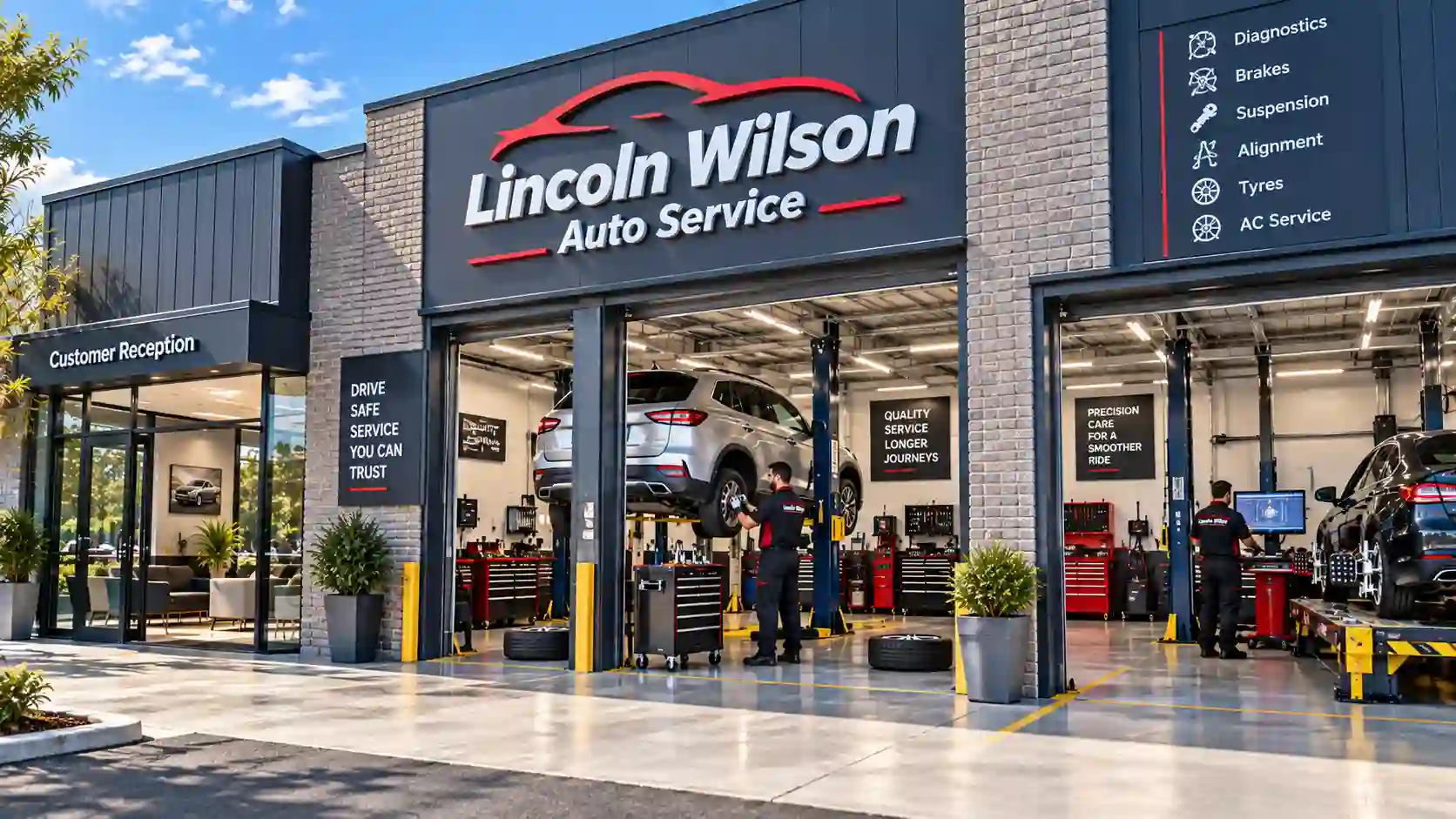
Historically, motorists often visited multiple specialty garages for oil changes, electrical troubleshooting, and wheel alignments. Fortunately, a comprehensive full-service automotive center consolidates every repair discipline under one roof. By pairing certified mechanics with bidirectional diagnostic tools, Lincoln Wilson Auto Service removes the stress and unexpected costs traditionally associated with auto repairs. For motorists seeking authoritative guides across automotive technology, legal regulations, and modern lifestyles, visit the WordGlowUp homepage. Examining the core repair disciplines, diagnostic frameworks, and preventative maintenance timelines at Lincoln Wilson Auto Service reveals why disciplined maintenance protects both your highway safety and your wallet.
The Evolution of Modern Automotive Technology
Automotive engineering has advanced significantly over the past two decades. Today’s vehicles are no longer purely mechanical assemblies of steel gears and hydraulic valves. Instead, modern automobiles operate as mobile computing platforms equipped with dozens of Electronic Control Units (ECUs). These interconnected microprocessors monitor everything from fuel injection timing to lane-departure warnings.
Because of this electronic complexity, traditional mechanical guesswork is completely obsolete. Today, skilled technicians must interpret complex sensor data streams across high-speed Controller Area Networks (CAN bus). Technicians interface directly with onboard diagnostic ports to assess engine health in real time. As a result, mechanics can resolve subtle component faults before they cause sudden engine failures on the highway.
Key foundational principles that define Lincoln Wilson Auto Service include:
- Bumper-to-Bumper Mechanical Coverage: Providing comprehensive care spanning routine fluid flushes, brake overhauls, and complex engine rebuilds.
- Certified Diagnostic Specialists: Employing seasoned mechanics trained in electrical troubleshooting, mechanical repairs, and computer diagnostics.
- OEM & Premium Aftermarket Parts: Utilizing factory-grade replacement components to maintain exact manufacturer specifications.
- Digital Vehicle Inspections: Delivering clear digital inspection summaries with high-resolution photos and transparent pricing estimates.
To explore more in-depth technical analyses, business automation reviews, and enterprise software tutorials, browse our curated Technology & Business category archive for practical guides on operational scalability.
Advanced Computerized Diagnostics and Telemetry
Modern dashboard warning lights can trigger from hundreds of different fault codes. For example, an illuminated check engine light could indicate a loose gas cap, a failed oxygen sensor, or a damaged catalytic converter. Rather than replacing random parts, technicians at Lincoln Wilson Auto Service utilize bidirectional scan tools and digital lab oscilloscopes to isolate electrical issues.
Furthermore, technicians perform live data logging while testing vehicles under load. This process reveals intermittent misfires, transmission slip percentages, and irregular fuel trim values that static code readers overlook. Consequently, mechanics resolve tricky drivability problems accurately during the very first service visit.
Additionally, modern diagnostic tools evaluate Advanced Driver Assistance Systems (ADAS). Technicians calibrate forward-facing cameras, radar modules, and blind-spot sensors following front-end repairs or windshield replacements. This technical precision ensures your active safety systems react instantly when sudden road hazards emerge.
Core Service Portfolio: Comprehensive Vehicle Solutions
Lincoln Wilson Auto Service provides a complete suite of repair and maintenance options designed to keep personal vehicles and commercial fleets operating smoothly.
1. Precision Engine Repair and Powertrain Management
Internal combustion engines require clean air, clean fuel, and precise timing to operate at peak efficiency. The service team handles timing belt replacements, direct-injection valve cleanings, cylinder head repairs, and turbocharger rebuilds. In addition, technicians monitor variable valve timing solenoids to ensure smooth acceleration and optimal fuel efficiency.
2. Complete Brake System Overhaul and Hydraulic Care
Your vehicle’s braking system is its most vital active safety mechanism. Over time, high temperatures and mechanical friction wear down brake friction linings and steel rotors. Technicians install premium ceramic or semi-metallic friction pads that reduce brake dust and stop noise. Furthermore, mechanics resurface rotors, flush moisture-contaminated hydraulic fluid, and calibrate electronic parking brake motors.
3. Transmission, Drivetrain, and Differential Servicing
Smooth gear shifts depend on clean transmission fluid and correct hydraulic pressures. Technicians perform automated transmission fluid flushes, replace internal filters, and inspect planetary gear sets. In addition, specialists service constant-velocity (CV) axles, universal joints, and differentials across front-wheel-drive, rear-wheel-drive, and modern all-wheel-drive (AWD) drivetrains.
4. Steering, Suspension, and Digital Wheel Alignment
Potholes, road debris, and rough pavement gradually knock steering components out of alignment. Symptoms such as steering wheel vibration, uneven tire wear, and vehicle pulling indicate worn ball joints or misaligned wheels. Technicians use multi-camera alignment racks to calibrate camber, caster, and toe angles back to original factory specifications.
5. Climate Control, Heating, and A/C Maintenance
Automotive air conditioning provides cabin comfort and clears fogged windshields during heavy rainfall. Certified technicians service traditional R-134a systems as well as modern eco-friendly R-1234yf refrigerants. Services include electronic refrigerant leak detection, compressor replacements, condenser flushes, and cabin air filter renewals.
6. Electrical Architecture and Battery Health
Modern comfort accessories place high electrical demands on alternators and starter motors. Technicians test battery cold-cranking amps (CCA), check charging circuit stability, and trace parasitic battery drains. Therefore, drivers avoid unexpected dead-battery breakdowns during freezing winter mornings and hot summer afternoons.
Comparative Analysis: Quick-Lube Outlets vs. Lincoln Wilson Auto Service
To understand why discerning car owners prefer full-service automotive facilities over fast express-lube franchises, review this side-by-side operational comparison:
| Service Dimension | Standard Quick-Lube Chain | Lincoln Wilson Auto Service Center |
|---|---|---|
| Technician Training | Entry-level lube attendants with minimal mechanical education. | ASE-certified master mechanics and advanced diagnostic technicians. |
| Scope of Repairs | Limited to basic fluid changes and simple air filter swaps. | Full-service bumper-to-bumper mechanical and electrical repairs. |
| Diagnostic Tools | Basic handheld code readers with no live data analysis. | OEM-level bidirectional scanners and digital lab oscilloscopes. |
| Replacement Parts | Bulk generic oils and low-cost unbranded spin-on filters. | Full-synthetic oils and factory-grade OEM replacement parts. |
| Customer Transparency | High-pressure quota upselling at the service bay door. | Digital inspection reports with photos and honest recommendations. |
This comparative overview highlights how partnering with a full-service repair facility prevents unnecessary parts replacement while protecting your vehicle’s mechanical integrity and long-term resale value.
Vehicle Safety Regulations, Equipment Compliance, and Fleet Parallels
Routine vehicle maintenance directly influences highway safety and legal motor vehicle compliance. Driving an automobile with defective lights, worn tires, or illegal glass modifications can lead to roadside citations and inspection rejections.
For instance, automotive window tinting is strictly regulated across various jurisdictions to protect driver night vision and law enforcement visibility. Motorists regularly review statutory visible light transmission percentages detailed in legal tint in connecticut ultimate guide for vehicle window safety compliance to ensure their vehicles pass state inspections. Keeping your vehicle fully compliant prevents unnecessary roadside fines and protects your driving record.
Furthermore, passenger car maintenance shares many operational principles with commercial transportation networks. National logistics carriers—such as the transport operations analyzed in uhl logistics transforming supply chains with precision and speed and the heavy-duty carriers at us1 logistics powering america s supply chain with unstoppable precision—rely on rigorous preventative schedules to avoid roadside breakdowns and transport cargo safely.
Daily commuters also rely on well-maintained vehicles when using digital ridesharing networks. As highlighted in the carpool logistics app revolutionizing your daily commute efficiently, keeping brakes, tires, and cooling systems in top shape ensures safe and reliable shared transportation across busy metropolitan corridors.
The Financial Wisdom of Preventative Maintenance
Proactive vehicle maintenance is always significantly cheaper than reactive emergency repairs. When drivers ignore routine fluid changes or minor mechanical noises, small component faults compound into catastrophic engine failures.
For example, engine oil breaks down over time due to extreme combustion heat and mechanical friction. Old motor oil degrades into thick sludge that starves internal bearings, camshafts, and timing chain tensioners. Eventually, oil starvation causes catastrophic metal-on-metal friction and complete engine seizure.
Similarly, automotive coolants contain corrosion inhibitors that neutralize acid buildup over time. Over several years, these protective chemicals deplete. As a result, acidic coolant attacks aluminum engine blocks, heater cores, and radiator tubes from the inside out. Following manufacturer-recommended fluid exchange schedules keeps internal passages clean and prevents unexpected overheating.
Transparent Digital Vehicle Inspections (DVI)
A common source of frustration in the automotive repair industry is the fear of being overcharged. Lincoln Wilson Auto Service eliminates this anxiety through modern Digital Vehicle Inspections (DVI).
During every service appointment, technicians conduct a multi-point digital inspection. Mechanics capture clear digital photos and video clips of your vehicle’s underside, suspension bushings, brake friction material, and fluid conditions. The service advisor sends this visual report directly to your smartphone via text message or email.
Consequently, you see exactly what the technician sees before approving any work. The report categorizes service items into three straightforward priorities:
- Immediate Safety Concerns: Urgent safety issues that require prompt attention, such as critically worn brake pads or leaking fuel lines.
- Recommended Future Services: Components showing moderate wear that should be monitored and serviced during upcoming visits.
- Healthy Systems: Verified components that pass inspection, confirming that your vehicle remains in sound operational condition.
Actionable Seasonal Maintenance Checklist for Drivers
To keep your vehicle running smoothly through every season, follow this practical maintenance checklist developed by certified automotive technicians:
- Adhere to Full-Synthetic Oil Intervals: Change your engine oil and oil filter every 5,000 to 7,500 miles. Premium synthetic oil preserves delicate turbocharger bearings and ensures smooth cold-weather starts.
- Inspect Cold Tire Pressures Monthly: Check tire pressures every four weeks using an accurate digital pressure gauge. Properly inflated tires maximize fuel efficiency, enhance wet-weather traction, and promote even tread wear.
- Rotate Tires Every 6,000 Miles: Drive wheels absorb greater acceleration and braking forces. Regular tire rotations distribute wear evenly, extending tire life by thousands of miles.
- Test Battery Strength Annually: Extreme heat and freezing temperatures degrade internal lead-acid battery plates. Test battery cold-cranking capacity annually to prevent unexpected starting failures.
- Replace Wiper Blades Semi-Annually: Install fresh wiper blades every six months. Clean wiper blades maintain clear road visibility during sudden summer cloudbursts and winter sleet storms.
- Address Warning Lights Immediately: Never ignore an illuminated check engine light, ABS light, or spongy brake pedal. Prompt diagnostics prevent minor sensor glitches from escalating into costly repairs.
Frequently Asked Questions About Lincoln Wilson Auto Service
What types of vehicles does Lincoln Wilson Auto Service repair?
Lincoln Wilson Auto Service repairs all domestic, European, and Asian vehicles. Supported models include sedans, coupes, hybrids, all-wheel-drive crossovers, SUVs, light commercial delivery vans, and pickup trucks.
Will getting my car serviced at an independent shop void my factory warranty?
No. Under the federal Magnuson-Moss Warranty Act, vehicle owners have the legal right to have routine maintenance performed at independent repair facilities without voiding manufacturer warranties, provided service receipts and maintenance records are retained.
How often should I schedule a complete brake inspection?
Technicians recommend inspecting brake pads, rotors, and hydraulic lines at every oil change interval, or at least every six months. If you hear high-pitched squealing, feel vibrations during braking, or experience a soft brake pedal, schedule an inspection immediately.
What is included in a digital multi-point inspection?
A digital inspection evaluates tire tread depth, brake pad thickness, steering linkage, suspension struts, battery voltage, fluid levels, drive belts, and exhaust pipes. The report includes high-resolution photos and clear technician explanations delivered directly to your smartphone.
To learn more about our automotive research methodologies, mechanical testing standards, and editorial contributors, explore our About Us page. If you have questions regarding vehicle maintenance guides, automotive technology, or general editorial feedback, please connect with our team through our Contact Us page.