
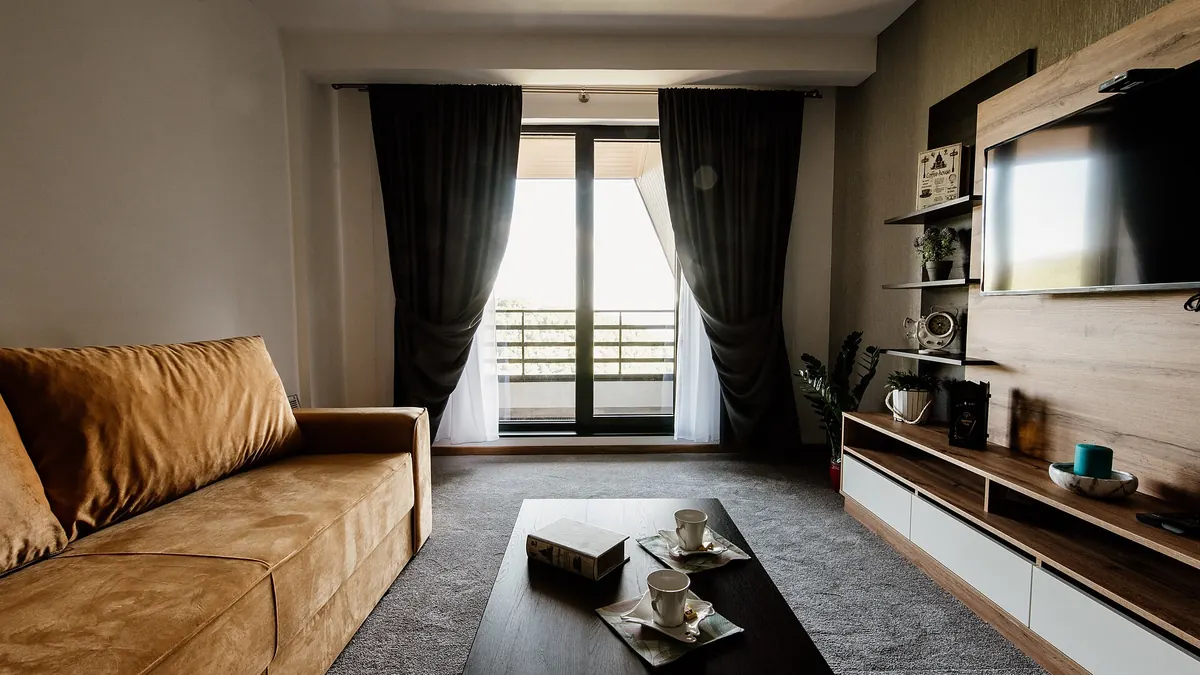
A great entertainment center does far more than hold a television. In fact, the right unit organizes your equipment, hides the cable mess, and turns a plain wall into the living room focal point. This entertainment center buying guide uses the glamorous world of Michael Amini as its style compass. First, though, you need the practical rules that govern size, layout, and setup. Because style only works when the furniture truly fits, every design idea in this guide sits on solid measuring advice.
Michael Amini founded AICO, short for Amini Innovation Corp, in 1988. Since then, the brand has become closely associated with the luxury entertainment center and with dramatic, dressy living rooms. His furniture often features rich wood veneers, mirrored accents, and polished metal details. So a Michael Amini entertainment center is rarely a quiet background piece. Instead, it behaves like jewellery for the wall that holds your screen.
Who Is Michael Amini, and Why Does His Style Matter?
Michael Amini started AICO in California after early work in fashion importing and furniture sales. World travel shapes his collections, and that influence shows in carved details, bold silhouettes, and luxurious finishes. His company has grown from a small importing business into a major name in AICO furniture worldwide. Indeed, the American Home Furnishings Hall of Fame counts him among the industry figures it honours.
The designer also collaborated with actress Jane Seymour on collections inspired by Hollywood glamour. That partnership explains a lot about the brand personality. Rooms in this style feel red-carpet ready, yet they still need to work for family movie nights. Therefore, this guide treats the Amini look as a direction, not a rulebook. You can borrow the glamour in a full wall unit or in one modest media console.
What Is an Entertainment Center, and How Is It Different From a TV Stand?
An entertainment center is furniture built to house a television plus the equipment around it. Typically, it includes a central console, side towers or bookcases, and sometimes a bridge or hutch above the screen. A simple TV stand, by contrast, supports the screen and little else. Consequently, the center becomes a wall system, while the stand stays a single low piece.
Terminology confuses many shoppers at first. Retailers use media console for a long, low cabinet with doors and shelves. They use TV wall unit for a taller system that frames the screen on several sides. Both terms can describe an entertainment center with storage, so measurements matter more than labels. Specifically, you should compare width, height, depth, and storage volume before you compare names.
Console vs Wall Unit: Which One Suits Your Room?
A low console suits renters, smaller rooms, and anyone who likes to rearrange furniture. It installs quickly, and it leaves wall space above the screen for art or shelving. Meanwhile, a full wall unit for living room spaces gives you closed storage, display shelves, and a built-in architectural feel. Large rooms usually absorb that scale without feeling crowded.
Your viewing habits should guide the choice as well. Gamers and home cinema fans often need room for consoles, speakers, and a soundbar. Families, in contrast, may value doors that hide toys, remotes, and board games. Either way, a hybrid layout works beautifully in many homes. For example, you can pair a wide console with two slim towers and skip the overhead bridge entirely.
If you love an airy look, study how a modern floating entertainment center lifts storage off the floor. Floating designs free up floor area, and they make cleaning underneath genuinely easy. However, wall mounting demands solid fixings and careful cable planning. Solid floors and stud walls give you the safest base for any heavy unit.
How to Measure for an Entertainment Center?
How Wide Should the Console Be Compared With Your TV?
Start with the television itself, because its real width drives every other decision. Screen sizes are quoted diagonally, so a 65-inch TV is actually about 57 inches wide. Your console should extend beyond the screen on both sides. As a result, most designers choose a unit at least a few inches wider than the TV on each side. That margin creates balance, and it also leaves landing space for speakers or decor.
This simple TV stand size guide gives you a safe starting point. Firstly, allow roughly 54 to 60 inches of console width for a 50 to 55 inch TV. Secondly, plan 64 to 72 inches for a 60 to 65 inch screen. Thirdly, look at 74 to 80 inches for 70 to 75 inch models, and go beyond 80 inches for the largest screens. These figures are minimums, not ideals, so extra width rarely hurts the look.
How Should You Measure Your Wall and Floor Space?
Learning how to measure for an entertainment center takes about ten minutes and saves real regret. Measure the full wall width first, then note every door swing, window, radiator, and power outlet along it. Next, tape the outline of your planned unit onto the wall with painter tape.
Depth matters just as much as width. Most consoles sit between about 15 and 18 inches deep, while deeper cabinets swallow bulky amplifiers more easily. Still, a deep unit can steal walking space in a narrow room. Finally, confirm that delivery routes, hallways, and stair turns can handle the largest single piece.
What Height Puts the Screen at Eye Level?
Comfortable viewing depends on screen height more than most buyers expect. Ideally, the centre of the screen sits close to your seated eye level. For typical sofas, that point lands roughly 40 to 45 inches above the floor. A low console plus a wall mount usually reaches that target with ease. Conversely, a tall console can push the screen too high and strain your neck during long films.
What Viewing Distance Should You Plan for Your TV?
The viewing distance for TV viewing links screen size to sofa position. A common comfort range sits between about 1.5 and 2.5 times the screen diagonal. So a 55 inch screen feels right from roughly 7 to 11 feet away. A 65 inch screen prefers about 8 to 13 feet, while a 75 inch screen suits roughly 9 to 15 feet. Modern 4K screens tolerate closer seating, because their fine pixels stay smooth at short range.
Room shape can bend these ranges a little. Long, narrow rooms often force one fixed seating line, so measure from cushion to screen honestly. Wide rooms, however, create angled side seats that need a generous viewing angle. If guests regularly watch from the sides, test those seats before you fix the unit in place. After all, the best seat in the house should not be the only comfortable one.
How Should You Lay Out a Small Room?
Small rooms reward restraint and vertical thinking. Choose a slim console, and let two narrow towers carry storage upward instead of outward. Open shelves keep the wall feeling light, whereas solid doors everywhere can look heavy. Keep decor editing strict, though.
Light finishes help compact spaces breathe. Mirrored or glass-fronted pieces bounce daylight around, and they echo the glam mood without adding visual bulk. Keep decor editing strict, though. Three beautiful objects on a shelf look curated, while twelve small items look like clutter. Similarly, hide everyday remotes in a lidded box so surfaces stay calm between viewing sessions.
How Should You Arrange a Large or Open-Plan Room?
Big rooms present the opposite problem, because a lone console can look lost on a wide wall. A full TV wall unit solves that scale issue by framing the screen with towers, shelves, and a top bridge. Symmetry suits this brand style especially well. Matching towers on both sides create the formal balance that glam interiors love. Consequently, the television wall reads as architecture rather than furniture pushed against plaster.
Open-plan spaces also need zoning. Place a rug under the seating group, and align the sofa back with the wider room beyond it. That simple move defines a viewing zone without walls. If your home is newly built or still being planned, guides to land and manufactured home packages can help you think about room sizes before walls go up. Planning the media wall early makes outlet placement and viewing distances far easier later.
Which Materials and Finishes Create That Glam Look?
Glam living room furniture leans on contrast, shine, and rich texture. Michael Amini designs are known in general terms for figured wood veneers, deep lacquered finishes, and mirrored panels. Crystal-style knobs, polished metal inlays, and bevelled glass add the signature sparkle. Yet the construction underneath still decides how the piece ages. Solid joinery, smooth drawer action, and sturdy shelving matter more than surface glitter.
Material choice also affects daily life. Wood veneer gives a luxurious grain pattern with good stability across wide panels. Glass shelves lighten tall towers, although they show dust quickly and need regular wiping. Mirrored fronts brighten dark rooms, but they demand gentle cleaning to avoid streaks. If you ever plan to paint or refinish a companion piece, this guide to the best wood for painted furniture explains which surfaces take paint most gracefully.
How Can You Style the Amini Look Without Copying a Showroom?
Hollywood Regency style thrives on drama, symmetry, and a touch of theatre. Start with the entertainment wall as your stage, then dress it in balanced layers. Pairs work magic here, so flank the screen with matching lamps, vases, or framed prints. A single bold artwork above a low console can also carry the whole composition. Either approach beats scattering small ornaments across every shelf.
Colour choices set the temperature of the glamour. Ivory, champagne, and soft silver finishes feel bright and formal. Charcoal, espresso, and black lacquer feel moodier and more cinematic. Velvet cushions, a plush rug, and metallic accent tables connect the seating to the unit. Importantly, leave some shelves partly empty. Negative space lets the special pieces shine, and it keeps the display from sliding into visual noise.
Texture keeps glamour from feeling cold or staged. Layer a woven throw over a velvet sofa, and mix glossy ceramics with matte books. Plants soften hard shine beautifully, especially trailing greenery on a top shelf. Taken together, these small decisions make the room feel collected rather than copied.
What Storage Features Should You Look For?
Good storage separates a showpiece from a daily workhorse. Closed cabinets hide routers, game consoles, and the tangle that comes with them. Drawers corral remotes, chargers, and coasters within easy reach of the sofa. Adjustable shelves, meanwhile, adapt when a taller speaker or a new console arrives. Look for an entertainment center with storage that mixes all three formats rather than repeating one.
Ventilation deserves equal attention during your shop visit. Electronics run warm, so cabinets need open backs, slatted doors, or discreet vents. Leave a little breathing room behind amplifiers and streaming boxes. Tight, sealed cupboards shorten equipment life, and they can cause frustrating shutdowns mid-film. Therefore, treat airflow as a genuine feature, not a boring technical footnote.
How Do You Hide Cables and Keep Everything Tidy?
Smart cable management ideas start before the furniture arrives. Map every device first, then count the power and signal leads each one needs. Grommet holes in the console back let leads drop neatly to a single power strip. Inside the cabinet, velcro ties group cables by device, so future swaps take minutes.
Wireless gear reduces clutter, yet few setups go fully wireless. A soundbar still needs power, and a subwoofer still needs a sensible corner. Run unavoidable leads along skirting boards inside paintable cable channels. While you plan connections, it is worth reviewing your wider setup, from broadband placement to home phone service options, so every line reaches the media wall cleanly. Planning beats retrofitting behind a heavy wall unit every single time.
How Does Lighting Change an Entertainment Wall?
Thoughtful entertainment center lighting does three jobs at once. First, soft backlighting behind the screen reduces eye strain during dark scenes. Second, small lights inside glass towers turn displayed objects into evening features. Third, dimmable lamps at seating level let you move between bright family time and cinema mood. Warm white light flatters wood veneers and mirrored finishes best.
Glare is the enemy you must plan around. Position the unit away from direct window light where possible, or fit curtains that close fully for daytime viewing. Avoid placing a bright lamp where its reflection lands on the screen. Bias lighting behind the TV solves much of this, because it raises ambient light without shining at the glass. Test the lighting at night before you declare the setup finished.
How Do You Set Up and Install Your Unit Safely?
Heavy wall units deserve a careful, unhurried installation day. Assemble on a protected floor, check every panel for damage, and keep fittings sorted by stage. Level the base console first, since every tower above it inherits its accuracy. Fix tall pieces to wall studs with the supplied anti-tip hardware. Skipping that step risks a dangerous topple, particularly in homes with children or pets.
Some jobs genuinely call for professional hands. Wall mounting a large screen, chasing cables inside a wall, or moving power outlets all sit in that category. Local specialists such as Titan Home Services show the range of premium help available for bigger projects. Likewise, comparing providers like 360 Home Services helps you judge quotes for installation and finishing work. Paying for safe mounting often costs less than repairing a cracked screen.
How Should You Care for Wood, Mirror, and Metal Finishes?
Daily care is simple once it becomes habit. Dust veneers and lacquer with a soft, dry cloth, and wipe spills immediately before moisture marks the finish. Use coasters under drinks, because rings show brutally on glossy surfaces. Clean mirrored panels with a lightly dampened microfibre cloth, then buff them dry for a streak-free shine. Harsh sprays can cloud mirror edges, so gentle products protect your investment better.
Sunlight quietly fades rich finishes over time. Rotate displayed objects occasionally, and consider sheer curtains if the wall faces strong afternoon sun. Tighten handles and check anti-tip straps once a year. Felt pads under decor prevent the tiny scratches that dull a polished top. With that light routine, a glam unit keeps its showroom glow for many years.
What Mistakes Should You Avoid When Buying?
The costliest mistake is buying by looks alone and measuring later. The second is choosing a console narrower than the screen, which leaves the setup looking top-heavy. Ignoring door swings causes a third classic problem, since cabinet doors may collide with towers or walls. Shoppers also forget future upgrades, yet screens keep growing with every replacement cycle. Buying slightly wider today protects you when the next television arrives.
Style mistakes matter too, although they cost pride rather than money. Mixing several competing focal points weakens the whole wall. Overloading shelves hides the furniture you paid to admire. Choosing ultra-glossy finishes for a bright, window-filled room can create constant reflections. Instead, match finish and scale to your actual light, seating, and habits. Honest planning always beats showroom impulse.
Frequently Asked Questions
What Size Entertainment Center Do You Need for a 65-Inch TV?
A 65-inch TV measures roughly 57 inches across, so choose a console at least 64 to 72 inches wide. That width leaves balanced margins on both sides of the screen. It also gives a soundbar and small speakers a comfortable home. Taller wall units should still keep the screen centre near seated eye level.
Should the Entertainment Center Be Wider Than the TV?
Yes, a wider unit almost always looks and performs better. Extra width improves visual balance, and it reduces the top-heavy feel of a large screen on a narrow base. The margin also protects the TV edges from casual knocks. Only in very tight rooms should the console match the screen width exactly.
Can You Wall-Mount the TV Above a Low Console?
Absolutely, and many glam layouts use exactly that pairing. The mounted screen floats above the console, while the cabinet below handles storage and equipment. Just confirm the wall structure suits the bracket and the combined screen weight. Route the cables through the wall or a tidy channel for the cleanest finish.
How High Should the TV Sit Inside a Wall Unit?
Aim for the centre of the screen at your seated eye level, roughly 40 to 45 inches from the floor for most sofas. Sitting slightly below centre feels fine, but sitting far below it strains your neck. Measure from your actual sofa, because cushion height changes the target. Your favourite seat is the reference point that matters.
What Is the Best Material for a Luxury Entertainment Center?
Quality wood veneer over a stable core is the classic luxury choice, because it delivers rich grain with excellent consistency. Solid wood suits traditional pieces, while mirrored glass and polished metal add the reflective glamour this style loves. Construction quality matters most of all. Smooth drawers, aligned doors, and a flawless finish reveal true craftsmanship quickly.
How Do You Keep a Glam Entertainment Center Looking New?
Dust weekly with a soft cloth, wipe spills straight away, and clean mirrors gently with microfibre. Keep direct sunlight off lacquered surfaces where you can, and use coasters without exception. Check fixings and anti-tip straps yearly. Small habits, repeated consistently, preserve the sparkle far better than occasional deep cleans.
Choosing a Michael Amini entertainment center is ultimately about pairing theatre with everyday comfort. Measure honestly, plan storage and cables early, and let glamorous finishes do the showing off. Your living room then gains a true focal point, not just a bigger place to park the television. Start with the wall you have, and build the drama to fit it.



