
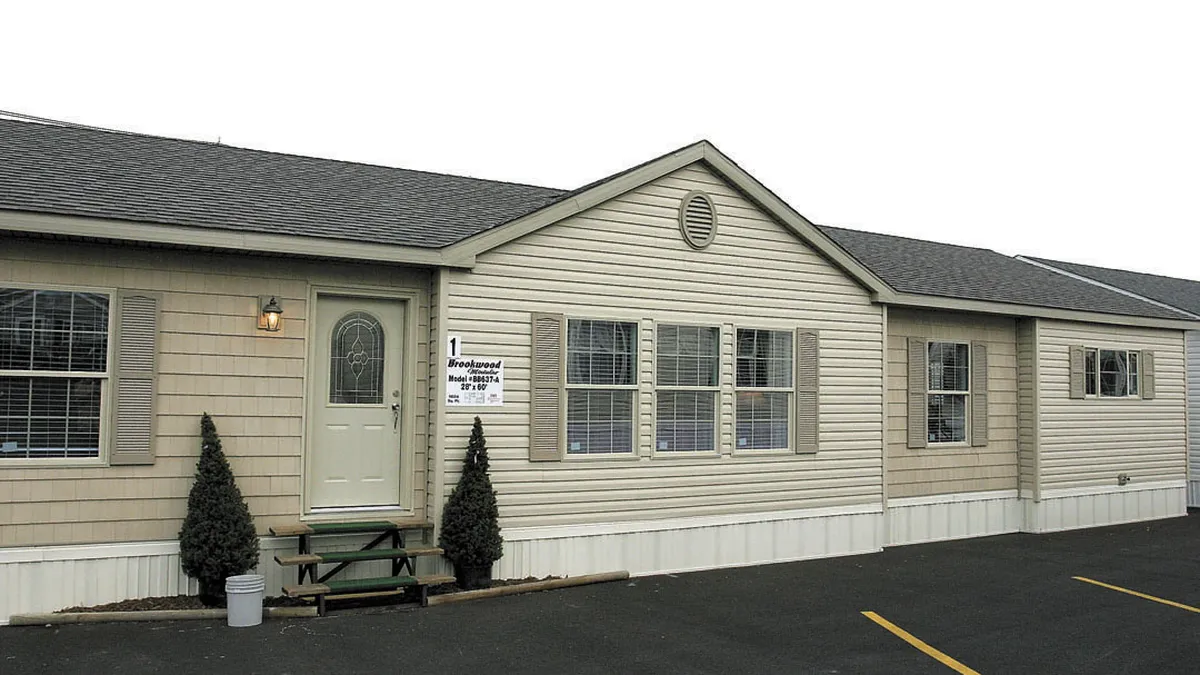
Buying land and a home in two separate deals takes time, patience, and nerve. So many buyers look for a shortcut that joins both steps into one purchase. That shortcut is the land home package, and it sounds almost too simple. One seller, one price, and one loan can cover the lot and the house. Yet the same bundle that removes friction can also hide weak spots. This guide explains land manufactured home packages honestly, edge by edge. You will see how the deals work and where they quietly go wrong. You will also learn why builders love them and why builders fear them.
What Is a Land Home Package?
A land home package sells a manufactured home and the land beneath it together. The buyer owns both the structure and the parcel from the start. That ownership detail changes nearly everything about financing, taxes, and resale. Dealers sometimes call the same deal a land manufactured home package. Developers use the term for lots inside new subdivisions as well. Either way, the home arrives from a factory and sits on your land.
Factory building is the core idea behind every manufactured home. Workers build the home indoors under the federal HUD Code. Then trucks haul the finished sections to the homesite for installation. Because the factory controls the process, weather rarely delays the build. Still, the site itself needs plenty of work before delivery day arrives.
How do dealers and developers bundle the deal?
Firstly, some dealers already own lots and pair each lot with selected floor plans. You walk the lot, pick a home, and sign one combined contract. Secondly, other dealers partner with landowners or developers who hold the parcels. In that setup, the paperwork splits, but the marketing still feels unified. Meanwhile, a third model starts with land you already own yourself. The dealer then sells only the home, delivery, and site work. Each model feels similar at the sales desk, yet the contracts differ. So read which party sells the land and which party warrants the work.
What should the package price actually include?
A clear package price names the home, the land, and the installation work. It should also list delivery, foundation work, and utility hookups in writing. If a line item says allowance, ask what happens when costs run higher. For example, septic work and long driveways often hide behind vague allowances. Taxes, title fees, permits, and insurance may sit outside the headline price. In fact, the written itemised sheet matters more than any brochure number. Get that sheet before you compare one package against another.
Land Home Package vs. Buying Separately
Buying separately gives you full control over each purchase and each contractor. You can shop land widely and negotiate the home price on its own. Still, separate deals mean separate closings, separate timelines, and separate headaches. A package trades some of that control for speed and coordination. The dealer sequences the factory order, the site work, and the delivery. As a result, one team owns the schedule instead of three strangers. However, bundled pricing can blur where the margin sits on each piece. You may pay a premium for convenience without ever seeing it itemised.
Financing a Land Manufactured Home Package
Financing decides whether a package feels like a bargain or a burden. The loan type follows one question above all others. Will the home count as real property or as personal property? That single classification shapes your rate, your term, and your legal protection. Lenders, insurers, and tax offices all care about the answer. So treat financing as the heart of the deal, not an afterthought.
What is the difference between a chattel loan and a mortgage?
A chattel loan finances the home alone, much like a loan for a vehicle. The land is not part of that loan at all. Chattel loans often close fast, and dealers arrange them very easily. Yet they usually carry higher rates and shorter terms than mortgages. A real property mortgage covers the land and the home together. That loan behaves like a standard home mortgage in most respects. Because the land secures the debt, lenders usually offer better terms. In short, the chattel loan buys speed, while the mortgage buys value.
Why does titling the home as real property matter so much?
Manufactured homes start life with a vehicle style title in most states. Titling manufactured home as real property means surrendering and retiring that title. The home must sit on a permanent foundation on land you own. Crews also remove the wheels, axles, and towing hitch during installation. Then the owner records an affidavit of affixation with the county. After that filing, the home becomes a legal part of the land. Lenders strongly prefer this status, and future buyers prefer it too. If you skip the conversion, the home stays personal property forever. That one skipped step can haunt resale and refinancing for decades.
Can you use FHA, VA, or conventional loans for a package?
Yes, major loan programs can finance a well structured land home package. An FHA loan for a manufactured home can cover the home and lot together. FHA also runs a separate programme for homes on leased lots. A VA loan for a manufactured home serves eligible veterans and service members. VA financing generally expects a permanent foundation and real property status. A conventional loan for a manufactured home follows Fannie Mae or Freddie Mac rules. Those rules also expect an owned lot and a permanent foundation. Each programme sets its own standards, so confirm details with your lender early. Your dealer should design the package around the loan you actually qualify for.
Site Work and Installation, Step by Step
The factory builds the home, but the land decides the real timeline. Site work turns a raw parcel into a legal, serviced homesite. Rushed site work creates drainage, settling, and inspection problems later. Careful site work quietly protects the home for its whole life. So budget time and money for the ground, not just the house.
What foundation systems do manufactured homes use?
A manufactured home on a permanent foundation anchors to the ground for good. Common systems include concrete piers, runners, slabs, and full perimeter walls. Some owners choose a basement or a crawl space design instead. The right choice depends on soil, climate, flood risk, and lender rules. HUD guidance sets the baseline for permanent foundation design and anchoring. Installers must also level the home and marry the sections tightly. Then skirting closes the gap between the home and the ground. Good skirting guards pipes, deters pests, and improves the finished look.
What utilities does the site need before move in?
Every homesite needs power, water, and a safe way to handle wastewater. City lots may connect to public water and public sewer lines. Rural lots usually need a drilled well and a septic system instead. Septic approval starts with a soil test that checks drainage. If the soil fails that test, the lot may need engineered treatment. Power runs can also surprise buyers on deep or wooded parcels. Long trenches, new poles, and transformer work all add real cost. Meanwhile, the driveway must handle a wide delivery truck and heavy sections. Ask who pays for each connection before you sign anything.
Which permits and inspections protect you?
Local permits cover the foundation, the electrical work, and the septic system. Inspectors check the setup, the anchoring, and the utility connections in stages. A final inspection leads to a certificate of occupancy for the home. Never let anyone rush you past a failed or skipped inspection. Those sign offs prove the install meets code and lender standards. They also protect your manufactured home insurance cover and your resale file. Keep every permit and inspection record with your closing papers.
Zoning, Land Lease, and Land Owned Communities
Where the home sits matters as much as how it was built. Zoning rules decide whether a manufactured home may sit on a lot at all. Some areas welcome them, while others restrict them to certain districts. Deed restrictions and homeowners association rules can ban them privately too. So check public zoning and private covenants before you fall for a parcel. Readers comparing land deals often start with guides like owner financed land in Texas for context. Similar patience helps when you review owner financed land in Arizona and its zoning fine print.
What is the difference between land lease and land owned living?
In a land lease community, you own the home but rent the lot. Monthly lot rent covers the homesite and often some shared amenities. In a land owned community, you own the lot outright yourself. A resident owned community sits between those two models. There, homeowners collectively own the land through a cooperative or association. Land lease keeps the entry price low, yet rent can rise over time. Worse, a community sale or closure can force a costly move. Land owned living costs more upfront, but it gives you lasting control. That control also supports better loans and stronger resale value.
The Honest Pros and Cons for Buyers
Every advantage in this market casts a shadow somewhere else. Smart buyers weigh both sides before the sales tour begins. The lists below keep the trade offs plain and specific.
What do buyers gain from a land home package?
- One coordinated purchase. You handle one seller, one timeline, and often one closing.
- Lower entry cost. Factory building usually costs less than comparable site built construction.
- Faster move in. Factory work and site work can progress at the same time.
- Better loan access. Owned land and a permanent foundation unlock mortgage style financing.
- New home condition. You get modern systems, fresh finishes, and builder warranties.
- Land equity from day one. Your payment builds value in dirt you actually own.
Families weighing locations often browse areas like Lake Santeetlah real estate for land value ideas. Others compare coastal demand through Popponesset real estate before they choose a region.
What do buyers risk with a land home package?
- Blurred pricing. Bundles can hide markups on the land or the home.
- Site cost surprises. Wells, septic systems, and power runs can break budgets.
- Limited choice. Package lots and floor plans come from a short menu.
- Financing traps. A rushed chattel loan can cost far more over time.
- Zoning limits. Some areas restrict placement, additions, or future resale options.
- Slower resale pool. Some buyers still avoid manufactured homes, whatever the quality.
None of these risks should scare you away by themselves. Still, each one deserves a written answer before you commit money.
The Other Edge, Pros and Cons for Builders
Builders and dealers push packages because the model genuinely works. A steady package pipeline turns raw land into finished, sellable homes. Factory supply keeps build times far more predictable than site building. Crews repeat the same site work, so the process gets smoother. As a result, smaller builders can compete without huge construction teams. Packages also open the door to first time and budget buyers. That wider buyer pool keeps inventory moving in soft markets.
Yet the model carries sharp risks for the people selling it. Land ties up capital long before any home sale closes. Utility delays sit outside the builder control, but buyers blame the builder. Rising factory prices squeeze margins against a fixed affordable price point. If a finished home sits unsold, carrying costs eat the profit fast. Warranty calls also land on the dealer, not the distant factory. Finally, one bad lot choice can poison an otherwise sound project. A failed septic test or a brutal power quote ruins the maths. So builders vet lots ruthlessly, or the sword cuts them instead.
Depreciation, Appreciation, Insurance, and Resale
Old advice claims manufactured homes always lose value like cars. Reality is more nuanced, and the land explains most of it. A home on leased land often struggles to hold value. A home on owned land can follow the local housing market. Condition, foundation type, and title status all steer the outcome. Local demand matters too, since land usually drives long term value.
Do manufactured homes on owned land appreciate?
They can, especially when the land sits in a growing area. The structure itself ages and needs steady upkeep like any house. Roofs, skirting, and moisture control protect the value you have. Meanwhile, the land beneath often gains value with the wider market. Appraisers compare your package against similar land and home sales nearby. Guides on Dinwiddie real estate assessments show how assessment logic shapes value. Keep records of upgrades, permits, and foundation certification for appraisal day.
How does manufactured home insurance differ?
Manufactured home insurance covers the structure, your belongings, and liability risks. Policies for homes on owned land often resemble standard homeowners cover. Lenders require active cover before closing, whatever the loan type. Insurers ask about the foundation, the roof age, and tie downs. Homes in wind or flood zones may need extra cover. Flood cover usually comes through a separate policy, not the base one. Resources like Orange Door Insurance explain how layered cover protects homeowners. Shop quotes early, because cover costs belong in your monthly budget.
What should you know about resale before you buy?
Resale starts on the day you choose the lot and loan. Real property title makes the home sale like a normal house sale. Personal property title limits your buyer pool and their financing options. Buyers and lenders both ask about the foundation and HUD labels. Keep the data plate details and every installation document safe. Moving a set home to a new site rarely makes financial sense. Instead, sell the land and home together as one property. Honest pricing based on local comparable sales moves the home fastest.
How to Buy a Land Home Package, Step by Step
- Set your full budget first. Include site work, permits, insurance, and closing costs in that number.
- Get pre approved with the right loan type. Choose a lender who handles real property manufactured home loans regularly.
- Choose the land before the floor plan. Verify zoning, covenants, flood status, and utility access in writing.
- Order soil and septic checks early. A failed test can kill a lot, so test before you close.
- Demand an itemised package sheet. Every allowance, fee, and exclusion should appear in plain language.
- Confirm the foundation and title plan. The contract should promise permanent installation and real property conversion.
- Track permits and inspections personally. Ask for copies at each stage, not just at the end.
- Walk the finished home carefully. Test plumbing, power, heating, doors, and seals before final sign off.
After move in, keep a simple maintenance rhythm for roof and skirting. Services round ups like Titan Home Services show what routine home care can cover.
Red Flags That Should Slow You Down
- The seller refuses to itemise the land, home, and site work prices.
- The quote assumes a chattel loan without discussing real property options.
- Nobody can confirm zoning or deed restrictions for the exact parcel.
- The septic, well, or power costs appear as vague allowances only.
- The foundation type stays unspecified in the written contract.
- The seller pressures you to sign before lender review of the site.
- Warranty duties between dealer, installer, and factory sound unclear.
- The lot sits in a flood zone, yet nobody mentions flood cover.
Any single flag deserves a pause and a written explanation. Several flags together should end the conversation entirely. Good dealers welcome questions, because clear deals protect them too. Walk away from anyone who treats diligence like an insult.
Frequently Asked Questions
What is included in a typical land home package?
A typical package includes the home, the lot, delivery, and installation. Most packages also bundle foundation work and basic utility hookups. Site clearing, driveways, and septic work may cost extra, though. Always confirm the included items on an itemised written sheet.
Is a land home package cheaper than building a house?
Usually, yes, factory building lowers labour and material waste significantly. Land and site work still shape the final total, however. A difficult lot can erase much of the factory saving. Compare the full package price against full site built quotes.
Can I put a manufactured home on land I already own?
Yes, dealers sell home only packages for land you already own. You still need zoning approval, permits, and proper site preparation. Your existing land can also strengthen your loan application. Some owners use land equity toward the overall deal structure.
What credit challenges do manufactured home buyers face?
Lenders review credit, income, and debts just like other mortgages. Some programmes accept flexible credit histories for qualified buyers, though. Chattel lenders may approve faster but charge more for that speed. A real property mortgage usually rewards stronger preparation and patience.
How long does the whole package process take?
Timelines vary with factory schedules, permits, and utility company queues. Site work and utility hookups usually drive the longest waits. Rural power and septic stages can stretch the calendar further. Ask your dealer for a stage by stage schedule in writing.
Does a manufactured home need a permanent foundation for a mortgage?
Most mortgage programmes expect a permanent foundation, yes. The foundation must meet HUD and lender standards for approval. That setup also supports real property titling in most states. Confirm the exact standard with your lender before installation begins.
The Bottom Line on the Double Edged Sword
Land manufactured home packages solve real problems for buyers and builders. They join land, home, and setup into one manageable purchase. They can unlock mortgage financing and genuine land ownership too. Yet the bundle hides pricing, site risks, and title traps. The deal rewards buyers who itemise, verify, and read everything. It punishes anyone who signs on a headline price alone. So slow down, test the land, and fix the title properly. Do that, and the sharper edge of this sword works for you.