
America rewards people who go outside. In fact, few countries pack this much variety into one map. You can watch geysers erupt before breakfast. Indeed, you can raft a desert river by lunch. On clear nights, you can sleep under desert stars.
Choosing feels hard at first. However, the trick is simple. Match each place to one clear experience. For example, pick wildlife, canyon hiking, or dark skies. As a result, your shortlist shrinks fast. Therefore, this guide groups the top outdoor places to visit in the US by activity. It also adds honest season and crowd advice.
City lovers can widen the plan later. Our broader guide to the best places to visit in the USA mixes cities with parks. In contrast, this page stays outdoors. Every pick below earns its place outside.
How Should You Choose Your Next Outdoor Trip?
Start with the experience, not the ranking. First, decide how you want to move. Do you want long hikes, river days, or slow scenic drives? Next, check the season for that landscape. Desert parks punish summer visitors. Meanwhile, high mountain roads open late.
Then be honest about crowds. Famous parks stay busy for good reason. Still, timing changes everything. Early starts beat midday queues. Weekdays feel calmer than weekends. Consequently, a smart plan matters more than a secret spot.
Adventure seekers can dig deeper too. This roundup of best adventure places to visit in USA covers wilder thrills. In short, use both guides together. One builds the bucket list. The other sharpens the adrenaline picks.
Yellowstone: Geysers, Valleys and Wild Herds
Yellowstone feels like Earth still under construction. Steam rises from painted hot springs. Mud pots bubble beside pine forests. Bison wander across wide golden valleys. Above all, the park mixes geology with living wilderness.
Old Faithful draws the biggest crowds. Grand Prismatic Spring looks even stranger. Its rainbow rings glow from boardwalk viewpoints. Nearby, the Grand Canyon of the Yellowstone cuts deep. Lower Falls thunder into that yellow gorge.
Wildlife sets Yellowstone apart, however. Lamar Valley wakes up at dawn. Bears hunt along the river bends there. Wolves cross the flats on cold mornings. Elk bugle across Hayden Valley in fall. Therefore, Yellowstone wildlife watching rewards patient early risers.
- Best for geysers and geothermal wonders
- Best for bison, elk, bears and wolves
- Best in late spring and early fall
Boardwalks keep fragile ground safe. Stay on them at all times. Hot ground hides thin, scalding crust. In fact, rangers repeat that warning daily. Give animals real space as well. Bison look calm, yet they charge fast.
Grand Canyon: Rim Walks, River Days and Big Silence
In fact, photos never prepare you for scale. The Grand Canyon simply swallows sound. Layered cliffs drop away for a mile. Colors shift from rose to deep rust. At sunrise, shadows carve every ridge.
However, most visitors stay on the South Rim. For example, Rim Trail walks stay gentle there. Indeed, viewpoints line the paved path for miles. In contrast, trails below the rim climb steeply. Bright Angel Trail descends in long switchbacks. South Kaibab drops faster toward the river.
River time changes the canyon completely. For example, whitewater rafting in the Grand Canyon reveals hidden beaches. Trips run from half days to weeks. Rapids roar between silent stone walls. Meanwhile, nights on sandbars feel timeless.
Above all, heat is the real gatekeeper here. Summer trails bake by midmorning. Therefore, start hikes before dawn in summer. Carry far more water than expected. Spring and fall suit most hikers best. Winter rim mornings stay cold, yet gloriously quiet.
Yosemite: Granite Walls and Waterfall Season
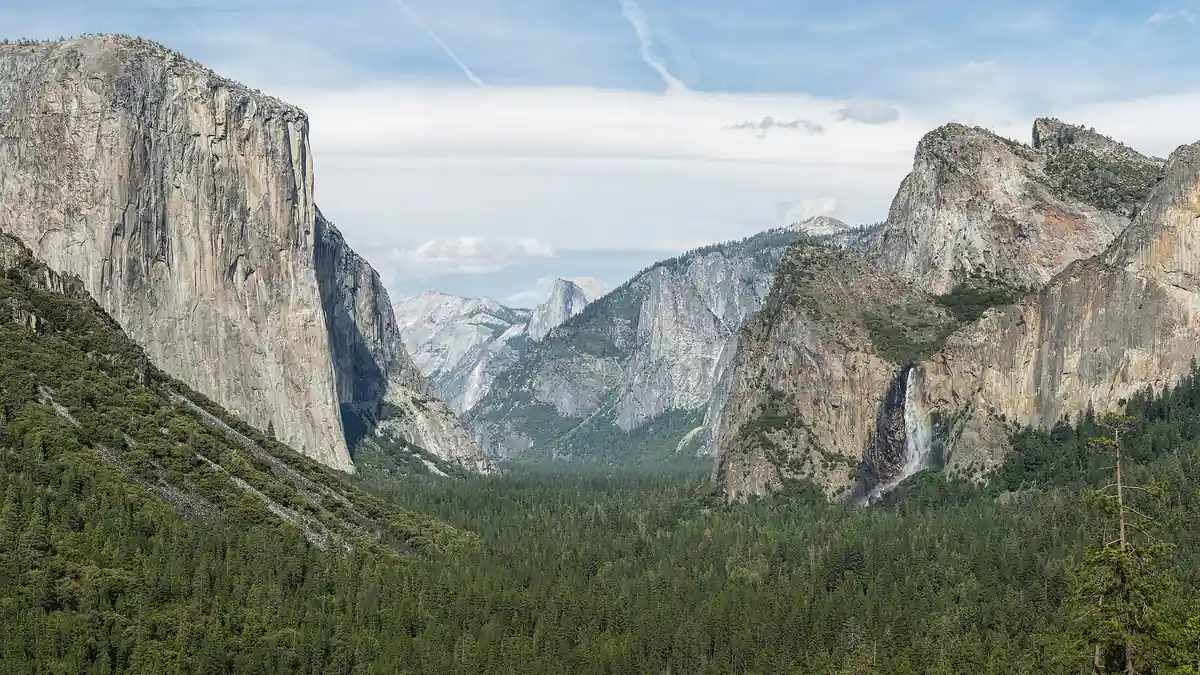
Yosemite Valley hits you all at once. El Capitan rises straight from meadows. Half Dome anchors the far view. Bridalveil Fall pours beside Tunnel View. Indeed, few drives end with a better reveal.
In fact, spring belongs to the waterfalls. Snowmelt swells Yosemite Falls by late spring. Mist Trail climbs beside Vernal Fall. Spray soaks the granite steps there. Consequently, shoes grip matters on that route.
Summer opens the high country instead. Tioga Road crosses alpine meadows and lakes. Tuolumne Meadows feels calm and spacious. Climbers gather below El Capitan daily. Hikers spread across Yosemite hiking trails in every direction. In short, altitude cools the whole park.
In contrast, fall quiets the valley floor nicely. Golden light flatters the granite walls. Winter brings snow to Badger Pass. Meanwhile, valley trails stay mostly low. Some famous climbs need permits, however. Check the park site before planning Half Dome.
Zion and Bryce: Red Rock Hiking in Southern Utah
Meanwhile, Zion squeezes adventure into one canyon. Sheer walls close in around you. The Virgin River carved the whole scene. Shuttle buses replace cars in season. As a result, the canyon floor stays peaceful.
Hiking defines the park experience here. The Narrows leads straight into the river. You wade between walls hundreds of feet high. Angels Landing climbs a narrow spine. Chains help hikers on exposed sections. Therefore, Zion National Park hiking suits confident walkers most.
In contrast, Bryce Canyon sits higher and stranger. Hoodoos crowd its giant amphitheater below. These spires glow orange at sunrise. Navajo Loop threads down among them. In fact, Bryce feels like another planet.
Pair both parks in one trip. Zion brings heat and river hikes. Bryce brings altitude and cool nights. Both rank among the best places for stargazing in the US. Dark skies crown clear desert evenings. Spring and fall balance temperatures best.
Glacier: Alpine Lakes and the Great Sun Road
Glacier National Park feels sharp and wild. Peaks hold snow well into summer. Turquoise lakes fill carved valleys below. Waterfalls spill from hanging gardens above. Above all, the park rewards strong hikers.
Going-to-the-Sun Road crosses the entire park. Drivers climb past Logan Pass slowly. Mountain goats graze near the visitor center. Views open at every tight turn. Indeed, Glacier National Park scenic drives set a high bar.
Indeed, trails climb higher from that road. Grinnell Glacier overlooks milky blue lakes. Highline Trail hugs a cliffside ledge. Hikers share paths with marmots there. Meanwhile, Many Glacier hides quieter trailheads.
Thus, the season stays short in Glacier. Snow closes high roads for months. Late summer offers the fullest access. Bear country rules apply everywhere here. Carry spray and make noise hiking. Road trippers can extend north afterward. The Canadian Rockies continue in places to visit in Yoho National Park across the border.
Grand Teton and the Badlands: Peaks Plus Prairie
In fact, Grand Teton skips the foothills entirely. Peaks erupt straight from flat valley floor. Jenny Lake mirrors the jagged range. Moose feed in willow flats at dawn. Snake River floats offer gentle rafting. In contrast, alpine trails climb fast.
For example, pair the Tetons with Yellowstone easily. One road links both famous parks. Wildlife bridges the two landscapes daily. Photographers chase sunrise at Oxbow Bend. Schwabacher Landing reflects peaks on calm water. Therefore, give this corner several unhurried days.
In contrast, the Badlands surprise everyone farther east. Striped buttes ripple across South Dakota prairie. Bison graze beside eroded pinnacles there. Fossils hide in the layered rock. Nearby towns make easy bases. Use our guide to places to visit near Rapid City SD for that leg. In short, prairie country deserves real time.
Acadia: Where the Forest Meets the Atlantic
In fact, Acadia packs coast and mountain together. Granite domes rise above spruce forest. Ocean waves crash below pink cliffs. Carriage roads wind through quiet woods. Indeed, few eastern parks feel this varied.
Cadillac Mountain catches dawn first here. An Acadia National Park sunrise rewards early alarms. Crowds gather on clear fall mornings. Park Loop Road links the highlights. Sand Beach stays cold, even in August. Thunder Hole booms as tides rush in.
For example, cyclists love the car-free carriage roads. Hikers climb ladders on Beehive Trail. Kayakers paddle among porcupine islands offshore. Meanwhile, Bar Harbor serves lobster rolls nearby. Fall color peaks around mid October usually. Summer brings the busiest weeks, however. Shoulder seasons breathe much easier here.
Denali: Alaska at Its Biggest and Wildest
Indeed, Denali rewrites your sense of scale. One road crosses vast tundra plains. Caribou drift across braided rivers below. The great peak hides behind clouds often. When it clears, the mountain dominates everything. Above all, patience defines a Denali trip.
In contrast, private cars go only a short way. Park buses carry visitors deeper inside. Drivers stop for wildlife along the road. Grizzlies dig on open slopes there. Dall sheep dot high ridges above. Therefore, Denali National Park wildlife sightings feel truly earned.
Meanwhile, summer brings long northern daylight hours. Trails near the entrance stay maintained. Savage River offers an easy walk. Sled dog demonstrations delight visiting families. In fact, rangers showcase working dog teams. Flightseeing trips circle the Alaska Range. Weather cancels plans often, so stay flexible.
Olympic: Rainforest, Wild Coast and Snowy Peaks
In fact, Olympic bundles three parks into one. Moss-draped rainforest fills the valleys. Wild beaches stretch for miles nearby. Glacier peaks rise behind both landscapes. Indeed, variety defines this peninsula completely.
Hoh Rain Forest glows green year-round. Bigleaf maples wear thick moss cloaks. Hall of Mosses loops through giants. Elk herds graze the clearings quietly. Consequently, an Olympic National Park rainforest walk feels primeval.
In contrast, the coast tells a rougher story. Ruby Beach stacks driftwood along shore. Tide pools teem at low tide. Hurricane Ridge offers mountain views instead. On clear days, Canada appears across water. West coast fans can plan wider loops. See these top places to visit in West Coast USA for route ideas. Rain gear stays essential all year.
Joshua Tree: Desert Boulders and Night Skies
Indeed, Joshua Tree looks sculpted by a dream. Twisted trees lean over giant boulders. Climbers swarm the warm rock piles. Skull Rock grins beside the road. Desert light turns everything gold late. In short, the park begs for wandering.
For example, days suit short hikes and scrambling. Hidden Valley loops between towering rocks. Barker Dam reflects palms and stone. Cholla Garden glows backlit at sunrise. Meanwhile, Keys View overlooks the whole valley. Our focused guide to the best place to visit in Joshua Tree ranks the stops.
Nights deliver the main event here. Joshua Tree stargazing draws crowds after dark. The Milky Way arcs over boulders. Meteor showers reward late-night patience greatly. Fall through spring brings comfortable temperatures. Summer days, in contrast, scorch exposed trails.
Great Smoky Mountains: Mist, Waterfalls and Fall Color
In fact, the Smokies roll on in blue layers. Morning mist fills every hollow below. Streams tumble over mossy rocks everywhere. Wildflowers carpet spring slopes in color. Indeed, this park feels gentle and generous.
For instance, hikers find endless trail choices here. Laurel Falls offers an easy paved walk. Alum Cave climbs toward Mount Le Conte. Clingmans Dome towers above surrounding ridges. Cades Cove loops past cabins and meadows. Deer and black bears graze there often.
Autumn steals the show, however. Great Smoky Mountains fall colors peak through October. Maples flare red at high elevations first. Color then rolls down the slopes slowly. Spring counters with synchronized fireflies later. Summer afternoons bring haze and thunderstorms. Therefore, start Smokies hikes early each day.
Which Season Suits Each Park Best?
Indeed, timing shapes every outdoor trip deeply. The best time to visit national parks depends on landscape. Deserts and high mountains disagree completely. Use this quick season guide first. Then check official park conditions always.
- Spring suits Yosemite waterfalls and desert parks
- Summer suits Glacier, Denali and Olympic trails
- Fall suits the Smokies, Acadia and Zion
- Winter suits Joshua Tree and the Grand Canyon rim
Spring mixes rewards with surprises, however. Desert days feel mild and bright. Waterfalls run at full power then. High roads may still hold snow. Meanwhile, fall often wins overall. Crowds thin after school holidays end. Light softens across canyon walls beautifully.
Winter rewards flexible, warm-hearted travelers. South Rim viewpoints feel almost empty. Desert trails finally turn pleasant daily. Northern parks close roads, yet gain silence. In fact, snowshoe days suit the Smokies. Summer still rules alpine country, though. Wildflowers peak high in July meadows.
How Can You Enjoy Famous Parks Without the Worst Crowds?
Crowd realism beats crowd denial here. Icons get busy because they deliver. Still, smart habits reclaim the magic. Start trailheads before eight each morning. Choose weekdays over holiday weekends always. As a result, parking stress drops sharply.
Walk farther than the first viewpoint. Most visitors cluster near parking lots. Ten extra minutes changes the scene. Lesser-known trailheads spread people out too. Rangers happily suggest quieter options daily. Indeed, visitor centers hold the best intel.
Some trips deserve a different map. Lake Superior offers space and cool air. Browse places to visit in Michigan during the summer for Great Lakes escapes. The Canadian shore adds wilder loops. Explore places to visit in Thunder Bay Ontario for that northern extension. In short, the north stays refreshingly uncrowded.
What Should You Pack and Book First?
First, book lodging before anything else outdoors. Park lodges fill many months ahead. Gateway towns offer backup options nearby. Campgrounds release sites in rolling windows. Therefore, set calendar reminders for releases.
Some trailheads and lotteries need permits. Famous climbs use seasonal lottery systems. Check the park site before booking. Rules change between seasons quite often. Never rely on old blog posts. In fact, official alerts decide daily access.
In fact, pack for the landscape, not hope. Desert kits need serious sun protection. Mountain kits need warm layers always. Rainforest kits need waterproof everything, truly.
- Broken-in boots and layered clothing
- Plenty of water and salty snacks
- Sun protection and a headlamp
- Offline maps and a paper backup
- Bear spray where parks allow it
Finally, leave each place cleaner afterward. Stay on durable surfaces while exploring. Pack out every scrap of trash. Wildlife stays wild when fed never. Consequently, small habits protect these parks. Future visitors inherit what we spare.
Finally, stitch favorites into one route. A good national parks road trip itinerary beats rushed stops. Cluster Utah parks in one loop. Pair Yellowstone with the Tetons. Link Olympic with other coastal stops. In short, depth beats checklist speed. These outdoor adventure destinations USA travelers love reward slowness.
Frequently Asked Questions
What is the best outdoor place to visit in the US for first-timers?
Yellowstone suits first-timers beautifully, overall. It mixes geysers, waterfalls and wildlife daily. Roads link the highlights in loops. Therefore, planning stays simple and rewarding. The Grand Canyon runs a close second.
When is the best time to visit national parks across the US?
Shoulder seasons win for most parks. Late spring brings waterfalls and mild deserts. Early fall brings color and calm. Meanwhile, alpine parks need summer warmth. Always match the season to landscape.
Which parks are best for stargazing in the US?
Desert parks lead the night-sky list. Joshua Tree, Bryce and the Grand Canyon shine. Big Bend also delivers extreme darkness. In fact, dry air sharpens the stars. Choose moonless nights for best views.
Do I need permits for popular hikes in US national parks?
Some famous trailheads need permits, yes. Certain climbs and canyons use lotteries. Rules vary by park and season. Therefore, check the park site early. Never assume walk-up access for icons.
How many days do I need for a national parks road trip?
One region deserves at least five days. Yellowstone and the Tetons fill a week. Utah parks need five days minimum. Rushing wastes the landscapes, however. Depth creates the memories that last.
Which outdoor place in the US is best in fall?
The Smokies headline fall for many. Acadia adds coast to the color. Zion brings pleasant canyon hiking then. Indeed, October rewards all three parks. Book fall lodging early, though.
Roundups of the best national parks to visit in USA start with these icons. Together, these parks form a lifetime list. The best hiking trails in America cross them all. Rivers, forests and deserts fill the gaps. Pick one region this year. Then return for another season soon. Above all, go outside and start.



