
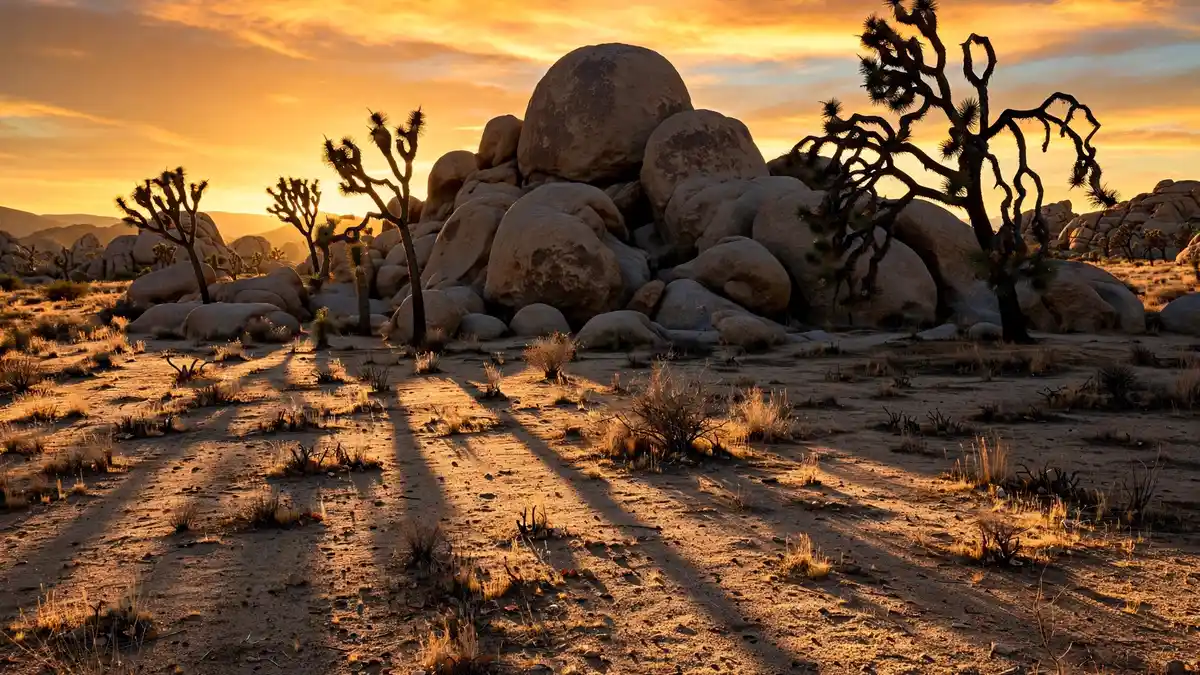
If you have one day, then one area wins easily. So start in the park’s northwest corner, near Hidden Valley. Because that single stretch holds the classic Joshua Tree scene. For example, huge granite boulders rise beside twisted Joshua trees there. Then short trails, picnic spots, and climbers fill the same small area. However, the park rewards a full day, not a quick stop. So this guide builds one perfect route from sunrise to stars. In the morning, you will chase soft light and cool air. By midday, you will slow down and escape the heat. Finally, you will end with sunset views and dark skies.
The Verdict: The Best Place to Visit in Joshua Tree
So what is the best place to visit in Joshua Tree for a first trip? Hidden Valley is the answer, and the reason is simple. Because the Hidden Valley trail packs the whole park into one easy loop. Then boulders, Joshua trees, and desert plants appear within minutes. Also, the valley walls once sheltered cattle rustlers, local legend says. However, Hidden Valley is a starting point, not the whole trip. So pair it with Barker Dam, Skull Rock, and Arch Rock nearby. Then add Cholla Cactus Garden at sunrise and Keys View at sunset. Altogether, those stops form the strongest Joshua Tree itinerary for beginners. Meanwhile, keen hikers can swap one stop for Ryan Mountain.
Still, no single viewpoint tells the full desert story here. Because Joshua Tree protects two deserts in one national park. For example, the higher Mojave side holds the famous Joshua trees. Meanwhile, the lower Colorado side holds dense cactus gardens. So a good route crosses both worlds in one day. Then you see how the light and plants change with elevation. Also, that contrast places Joshua Tree among the top outdoor places to visit in the US for many travelers.
Entrances and How to Get There
Firstly, choose your entrance before you choose your first trail. Because the park is huge, and the wrong gate costs time. So most first-timers should use the west entrance near Joshua Tree town. Then Park Boulevard leads straight toward Hidden Valley and Barker Dam. However, the west gate also draws the longest weekend lines. So arrive early, especially in spring and fall.
Next, consider the north entrance near Twentynine Palms instead. Because that gate suits visitors who start near the Oasis of Mara. Then the drive joins Park Boulevard near Skull Rock and Arch Rock. Also, lines there often feel calmer than the west gate queues. Meanwhile, the south entrance near Cottonwood serves a different trip. For example, drivers crossing on Interstate 10 enter there first. However, the south side sits far from Hidden Valley. So south-entrance visitors should start with Cholla Cactus Garden instead.
Driving From Palm Springs and Beyond
The Palm Springs to Joshua Tree drive takes about one hour. So Palm Springs works well as a flight base or overnight stop. Then Highway 62 climbs from the valley floor into the high desert. Also, Los Angeles sits roughly two to three hours away by car. Because traffic changes that timing, so leave generous buffer time. Meanwhile, no train or shuttle drops you at the trailheads. So a rental car remains the practical way to explore. Once you enter, then download offline maps before you lose signal. Because cell service fades quickly between the rock piles. Also, fuel and food stay outside the park, so stock up first.
One Perfect Day in Joshua Tree, Hour by Hour
This Joshua Tree in one day plan follows the light, not the clock alone. Because desert heat and crowds both peak around midday. So the route front-loads hiking and saves viewpoints for golden hour. Then each stop below builds naturally toward the next one. Also, you can drop one hike without breaking the day. For example, families often skip Ryan Mountain and linger at Barker Dam instead. So this route covers the essential things to do in Joshua Tree National Park without rushing.
Sunrise: Cholla Cactus Garden in First Light
Start before dawn, because the Cholla Cactus Garden sunrise is unforgettable. Then watch low light catch thousands of spiny teddy bear chollas. For example, each plant seems to glow gold against the dark ground. So photographers call this stop the park’s finest sunrise spot. However, arrive in the dark and bring a warm layer. Because desert mornings feel cold, even after hot afternoons. Also, stay on the short boardwalk loop through the garden. Then admire the cacti closely, but never touch them. Because cholla segments detach easily and cling painfully to skin. Meanwhile, the garden sits on Pinto Basin Road, in the park’s east. So east-side starters can begin here, then drive west afterward. Once the sun climbs, then move on before the heat builds.
Morning: Hidden Valley and Barker Dam
Next, drive to Hidden Valley while the air still feels cool. Because the Hidden Valley trail suits almost every fitness level. Then the one-mile loop winds between towering granite walls. For example, climbers scale the smooth rock faces all around you. Also, interpretive signs explain the plants and geology along the way. So allow about an hour, and wander slowly through the valley. Meanwhile, kids love scrambling on the low, safe boulders nearby. However, keep shoes grippy, because granite grit can feel slippery.
After that, walk the Barker Dam trail just down the road. Because the Barker Dam trail adds water, history, and wildlife to the morning. Then the easy loop passes a historic ranch-era dam. For example, after wet winters, a small pond reflects the rocks beautifully. Also, petroglyphs mark one rock wall along the route. So look quietly, and never touch the ancient markings. Meanwhile, bighorn sheep sometimes visit the area in cooler hours. If you spot wildlife, then keep a respectful distance always. Altogether, these two loops rank among the best hikes in Joshua Tree for beginners.
Late Morning: Skull Rock and Arch Rock
By late morning, drive east along Park Boulevard toward Skull Rock. Because Skull Rock sits almost beside the main park road. Then rain and wind carved its two hollow eye sockets over time. So the granite face really does resemble a giant skull. For example, children spot the shape instantly and love the photo stop. Also, the Skull Rock nature trail extends the visit to Jumbo Rocks. Then you can wander among rounded boulders and quiet picnic spots. However, midday sun hits this area hard in summer. So keep this stop short when temperatures climb.
Next, continue a few minutes to the Arch Rock trailhead. Because Arch Rock rewards a short walk with a natural stone arch. Then the Arch Rock Joshua Tree trail loops through a maze of pale granite boulders. For example, nearby Heart Rock adds a fun second photo stop. Also, this area shows why climbers rank Joshua Tree among the best adventure places to visit in USA lists. Meanwhile, desert-adventure fans often compare this park with the best place to visit in Arizona on the same road trip. Once you finish, then the hottest hours are approaching fast.
Midday: Shade, Lunch, and a Slower Pace
By midday, stop hiking hard and change your rhythm completely. Because desert sun drains energy faster than most visitors expect. So eat lunch at a shaded picnic area inside the park. Then refill every bottle at a campground or visitor center tap. Also, Hidden Valley and Jumbo Rocks both offer handy picnic tables. Meanwhile, some visitors drive into Joshua Tree town for a cafe lunch. For example, a town break adds coffee, restrooms, and real shade. However, re-entering the park can mean another entrance line. So weekend visitors should usually stay inside and rest instead. After lunch, then explore a visitor center exhibit slowly. Because the Oasis of Mara trail offers an easy, paved stroll afterward. Then fan palms and birdsong create a calm midday contrast.
Afternoon: A Bigger Hike or an Easy Choice
When the light softens, choose one afternoon adventure carefully. Because energy and daylight both matter at this point. So strong hikers should tackle Ryan Mountain before sunset. Then the steep three-mile round trip climbs above the park’s center. For example, the summit reveals the Wonderland of Rocks below. However, the trail has almost no shade at all. So skip it in extreme heat, without any hesitation. Meanwhile, relaxed walkers can revisit Barker Dam in softer light. Also, the Wall Street Mill trail adds old mining history nearby. Then rusted machinery and an old mill tell a frontier story. Altogether, both choices keep the best hikes in Joshua Tree within reach.
Still, families may prefer an easier afternoon plan instead. Because Joshua Tree with kids works best with short, playful stops. Then Cap Rock offers a brief loop and fun boulder shapes. Also, the Discovery Trail near Skull Rock teaches desert ecology playfully. So children stay engaged without a long, tiring hike. Meanwhile, parents get shade breaks and simple parking at both stops. If your crew loves desert cities too, then the places to visit in Phoenix Arizona with family pair well on a longer Southwest loop.
Sunset: Keys View Over the Coachella Valley
Finally, end the daylight hours at Keys View, above the desert floor. Because the Keys View sunset view stretches across the whole Coachella Valley. Then Palm Springs glitters far below as the light fades. For example, on clear days, the Salton Sea shines in the distance. Also, the San Andreas Fault runs visibly through the valley below. So this viewpoint explains the region’s geology at a glance. However, Keys View gets busy and windy near sunset. So arrive early, park carefully, and bring a jacket. Meanwhile, the short paved path suits nearly every visitor. Once the sky turns pink, then stay a little longer. Because the colors often deepen after the sun drops.
After Dark: Joshua Tree Stargazing
After sunset, the park delivers its second great show. Because Joshua Tree stargazing benefits from protected dark skies. Then the Milky Way appears overhead on clear, moonless nights. So the park holds official International Dark Sky Park status. For example, Arch Rock and Ryan Mountain areas offer open horizons. Also, Jumbo Rocks gives stargazers dramatic silhouettes against the sky. Meanwhile, your eyes need about twenty minutes to adjust fully. So switch phones to red-light mode and avoid bright torches. However, drive slowly after dark, because wildlife crosses the roads. Then park only in designated pullouts, never on desert soil. Altogether, one quiet hour under these stars justifies the whole trip. Also, coastal-road-trip fans can extend the journey with the top places to visit in West Coast USA afterward.
Best Time to Visit Joshua Tree
So when is the best time to visit Joshua Tree overall? Spring and fall win, because both seasons balance warmth and comfort. Then daytime highs feel pleasant for hiking all day long. For example, spring adds wildflowers after wet winter rains. Also, fall brings clear skies and thinner weekday crowds. Meanwhile, winter days stay cool and bright for climbing. However, winter nights can drop below freezing inside the park. So campers need serious warm layers in December and January. By contrast, summer heat regularly pushes past 100 degrees Fahrenheit. Then hiking belongs only at dawn, dusk, or after dark. If you visit in summer, then shorten every trail plan. Because heat illness develops quickly in this dry air.
Fees, Passes, and Practical Basics
The Joshua Tree entrance fee costs around $30 per vehicle. Then that pass stays valid for seven consecutive days. So a weekend trip needs only one vehicle pass total. Also, the America the Beautiful pass covers entry here too. Because that annual pass suits anyone visiting several national parks. For example, motorcyclists and cyclists pay lower per-person rates instead. However, check the official park site before any trip. Because fees and campground rules can change over time. Meanwhile, no general entry reservation system runs year-round here. So you simply buy the pass online or at an entrance station. Then keep the receipt visible, as rangers request it.
- Park roads stay open around the clock, all year.
- Visitor centers keep shorter, seasonal opening hours.
- Campgrounds charge separate nightly fees from entry.
- Water stays scarce, so fill up at visitor centers.
Where to Stay in Joshua Tree
Choosing where to stay in Joshua Tree shapes your mornings. Because the closest base means the earliest, easiest park entry. So Joshua Tree town suits west-entrance plans best overall. Then cafes, rentals, and quirky shops line its main highway. Also, Twentynine Palms suits north-entrance and stargazing plans well. Meanwhile, Yucca Valley offers more hotels, stores, and fuel stops. For example, families often prefer Yucca Valley for its bigger supermarkets. However, Palm Springs adds resorts, pools, and a lively dining scene. So resort lovers happily accept the hour-long drive each way. Meanwhile, campers can sleep inside the park at several campgrounds. Then Jumbo Rocks and Hidden Valley campgrounds place you among boulders. Because sites fill fast in season, so book ahead whenever possible. Also, nature lovers comparing global trips may enjoy the best places in Costa Rica to visit with kids for a greener contrast.
What to Pack and How to Stay Safe
Packing well matters here, because the desert forgives very little. So carry at least one gallon of water per person daily. Then add salty snacks, because sweat drains electrolytes quickly here. Also, pack sun protection before anything else in your bag.
- A wide-brim hat and high-SPF sunscreen for every hike.
- Sturdy closed shoes with grippy soles for granite.
- Layers for cold mornings, windy viewpoints, and night skies.
- An offline map, a headlamp, and a basic first-aid kit.
- Tweezers for cactus spines, plus a full spare snack supply.
However, water alone does not guarantee a safe desert day. Because heat illness can start before you feel truly thirsty. So turn back early whenever headaches or dizziness appear. Then rest in shade and sip water slowly. Also, never rely on finding water along any trail. Meanwhile, watch where hands and feet go around rocks. Because rattlesnakes shelter in shade, and cacti line many paths. If a snake appears, then back away and give it space. Also, tell someone your plan before you lose phone signal. Finally, pack out every scrap, because desert ecosystems recover slowly. For a cooler mountain contrast later, then the best place to visit near San Francisco offers a very different California escape.
Frequently Asked Questions
What is the single best place to visit in Joshua Tree?
Hidden Valley takes that title for most first-time visitors. Because its loop combines boulders, Joshua trees, and easy walking. Then Barker Dam sits minutes away for a perfect pairing. So start there, and build the rest of the day around it.
Can you see Joshua Tree in one day?
Yes, and one full day covers the classic highlights well. Because the main stops line up along Park Boulevard logically. Then sunrise at Cholla and sunset at Keys View frame the day. However, two days let you hike more and rush less.
How much is the Joshua Tree entrance fee?
The vehicle pass costs around $30 and lasts seven days. Also, the America the Beautiful pass covers the same entry. So frequent park visitors usually save with the annual pass. Then confirm current prices on the official park website.
Is Joshua Tree good for kids?
Yes, because short trails and giant boulders fascinate young explorers. Then Skull Rock and the Discovery Trail suit children especially well. However, supervise climbing closely, because falls cause real injuries here. Also, bring extra water and snacks for every child.
When should you visit Joshua Tree for stargazing?
Clear, moonless nights give the darkest and brightest skies. Because moonlight washes out faint stars and the Milky Way. Then new-moon weekends in spring and fall work beautifully. So check a lunar calendar before you book your trip.
How far is Joshua Tree from Palm Springs?
The drive takes about one hour in normal traffic. Because Highway 62 connects Palm Springs to the west entrance directly. Then rental cars make the trip simple and flexible. So day trips from Palm Springs remain very popular.
In the end, Joshua Tree rewards visitors who follow the light. Because every hour paints these rocks and trees differently. So use this route, pack seriously, and give the desert respect. Then one day here will feel surprisingly complete and memorable. Finally, if this park sparks a bigger travel list, browse the 15 places to visit in the world for your next adventure.



