
The name Adonis can suggest a statue, perfect lighting, and an impossible body. In short, peak living looks very different. At its best, this men’s lifestyle is about energy, capability, self-respect, and calm control over ordinary days. You do not need a punishing schedule or a personality transplant. Instead, you need a system that still works during deadlines, family commitments, travel, and low-motivation weeks.
Think of the Adonis lifestyle as six connected pillars. First, your body provides the foundation. Food supplies steady fuel, while sleep and recovery restore you. Grooming and clothing shape how you present yourself. Mindset guides your choices, and environment makes those choices easier. Together, these peak performance habits support a balanced lifestyle for men without turning life into a performance.
This guide offers general educational information, not personal medical advice. Needs vary widely, so consult a qualified professional before a demanding program, especially after injury or illness. A sustainable plan should improve your life, not consume it.
What Does Peak Living Actually Mean?
Overall, peak living means functioning well across the whole week. You wake with enough energy for work and training. Focus lasts beyond the first coffee. Your clothes fit comfortably, and your appearance looks intentional. Most importantly, your routines remain steady when life becomes messy.
For instance, progress looks quieter than social media suggests. One extra weekly session matters. Consistent bedtimes matter. Home meals, short walks, tidy rooms, and honest conversations matter too. Over time, these actions build trust in your own word.
Start With Capability, Not Appearance
Chasing a mirror image can make every decision fragile. In contrast, capability gives you better targets. Can you climb stairs without feeling winded? Can you carry shopping, play with your children, or finish a demanding workday? Those questions point toward useful fitness. Appearance often improves as capability grows, yet it stops being the only scoreboard.
Set a modest baseline first. Record bedtime, weekly walks, training sessions, and afternoon energy. Then choose one weak point. A focused start beats a dramatic reset that collapses by Friday.
Pillar One: Build a Strong and Capable Body
A practical men’s fitness routine combines resistance training, cardiovascular movement, mobility, and ordinary activity. Strength helps with posture, daily tasks, and confidence in your physical ability. Cardio supports stamina and makes long days feel less draining. Mobility keeps movement comfortable, while daily steps prevent workouts from becoming your only activity.
Strength Training Basics for Steady Progress
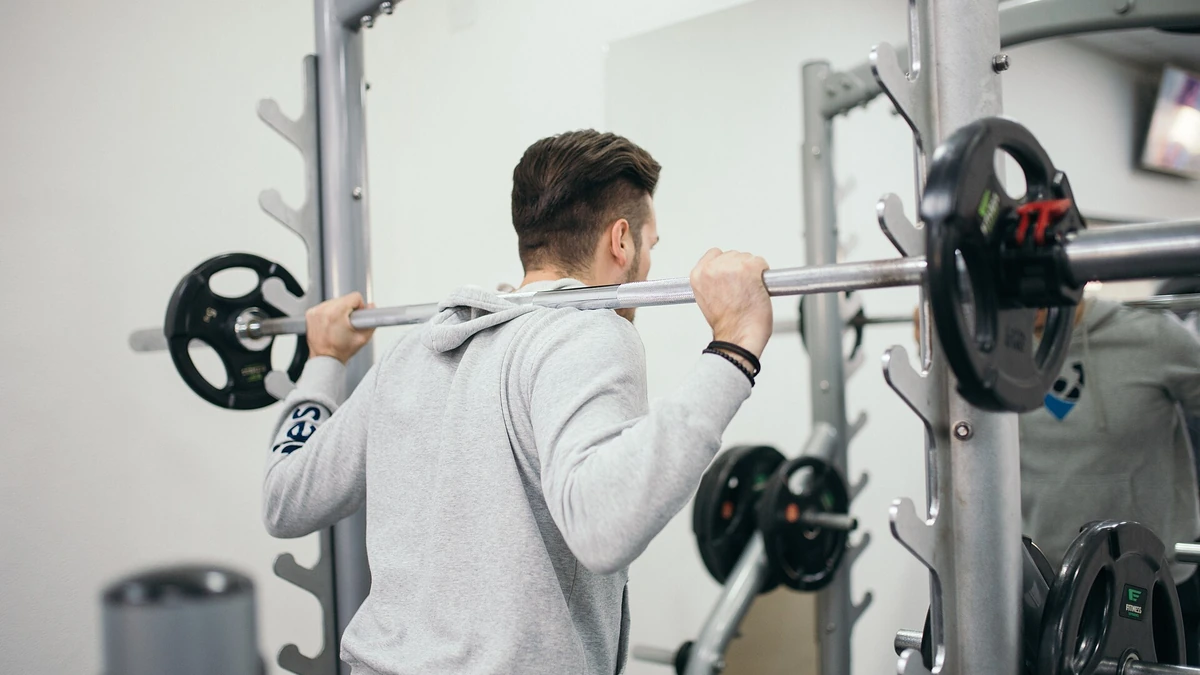
Begin with movements that train large patterns rather than isolated muscles. Squat or sit-to-stand patterns build the legs. Hinge movements train the hips and back of the body. Pressing builds the chest, shoulders, and arms. Rowing and pulling patterns support the upper back. Carries challenge grip, trunk control, and whole-body coordination.
Initially, two or three full-body sessions can suit many beginners. An upper-body and lower-body split can also work well. Either way, technique comes before load. Move through a comfortable range, control each repetition, and stop before form breaks down. Professional coaching is valuable when a movement feels unfamiliar or painful.
Next, progress gradually when the work feels stable. Add a repetition, improve control, or increase resistance slightly. Keep a simple training log because memory is unreliable. For example, write the exercise, load, repetitions, and effort after each session. Over several weeks, that record reveals real progress.
A good week might look like this:
- Monday brings a full-body session built around squatting, pressing, and rowing.
- Wednesday offers a second session with hinging, pulling, and loaded carries.
- Friday repeats the main patterns with slightly different exercises or repetitions.
- Short walks fill the spaces between harder training days.
Local facilities can make consistency easier. A welcoming sports complex with varied fitness activities offers more options, while this guide to an indoor sports facility for year-round training shows how accessible venues support regular movement.
Cardio, Steps, and Mobility Matter Too
Strength alone does not complete the picture. Brisk walking, cycling, swimming, rowing, and easy jogging all build aerobic capacity. Begin with sessions that let you breathe steadily and finish feeling capable. Then extend the time or difficulty gradually. Hard efforts have a place, but every workout does not need to become a test.
Likewise, daily movement carries equal weight. Walk after meals, take stairs when practical, and break up long sitting periods. Meanwhile, five minutes of mobility can loosen stiff hips, shoulders, and ankles. Gentle stretching after training also helps you cool down. None of this looks dramatic, yet it supports training week after week.
For example, schools often introduce physical literacy early, although adults need the same principle. Lifelong movement grows from varied skills, not one narrow sport. This overview of physical education standards and lifelong fitness offers a useful reminder. Adults can keep learning new activities at any age.
Pillar Two: Fuel the Body Without Food Obsession
Good nutrition should feel boring in the best possible way. Regular meals, enough protein, plenty of plants, and sensible portions cover most men’s nutrition basics. Your goal is steady energy, satisfying meals, and enough fuel for normal activity. Extreme rules usually create a cycle of restriction, frustration, and rebound.
Build a Plate You Can Repeat
Start with a protein source at each main meal. Eggs, fish, poultry, meat, dairy, beans, lentils, and tofu can all play a role. Add vegetables or fruit for volume, fibre, and variety. Include grains, potatoes, or bread according to appetite and activity. Finally, use fats such as olive oil, nuts, seeds, or avocado for flavour and satisfaction.
Hydration deserves attention as well. Keep water visible at your desk and during training. Thirst, climate, body size, and activity change your needs. Therefore, use regular drinking habits rather than forcing an arbitrary amount. Limit sugary drinks if they crowd out more nourishing choices.
Make Healthy Daily Habits Easier
Planning removes dozens of small decisions. Keep a short list of breakfasts you enjoy. Rotate a few reliable lunches during busy weeks. Prepare extra portions at dinner for the next day. At restaurants, choose a protein, add vegetables, and enjoy the meal without guilt.
Snacks can support the day when meals run late. Fruit, yogurt, nuts, cheese, or a sandwich may work well. However, constant grazing can hide genuine hunger and fullness cues. Sit down, eat slowly, and notice when you feel satisfied. In practice, calm meals are easier to repeat than perfect meals.
Pillar Three: Treat Sleep and Recovery as Training
Sleep and recovery determine how well the other pillars hold together. Short nights can make training feel harder and food choices less thoughtful. They also affect patience, concentration, and mood. Consequently, protecting sleep is not laziness. It is one of the most practical forms of self improvement for men.
Create a Reliable Wind-Down
Keep your wake time fairly consistent, even after a late night. Morning light and movement help the day begin clearly. During the evening, dim bright lights and finish demanding work earlier when possible. A shower, loose clothing, and a cool, dark room can signal bedtime.
Screens need a boundary, not a moral lecture. Put the phone across the room or use an alarm clock. Read, stretch gently, or prepare tomorrow’s clothes instead. If racing thoughts keep you awake, write them on paper. That simple act moves tomorrow’s problems out of your head.
Recover Between Hard Efforts
Muscles and joints need easier days after demanding sessions. Alternate hard training with walking, mobility, or complete rest. Notice persistent soreness, declining performance, irritability, and disrupted sleep. Those signals may mean the plan needs less intensity or more food and rest.
Rest days still need structure. Take a relaxed walk, spend time outdoors, and eat normal meals. Gentle movement often feels better than total stillness. Above all, never push through sharp pain or dizziness. Seek professional help when symptoms persist.
Pillar Four: Look Intentional Through Grooming and Style
Appearance is not vanity when it communicates care and self-respect. Clean hair, healthy-looking skin, trimmed nails, and well-fitting clothes create a strong impression. This pillar needs simple systems, not an overflowing bathroom shelf.
Use a Simple Men’s Grooming Guide
Begin with the daily basics. Wash your face with a gentle cleanser suited to your skin. Moisturize after washing if your skin feels dry. Use sun protection during the day when spending time outdoors. Shower after heavy sweating, clean your nails, and keep facial hair shaped or clean-shaven.
Hair needs a repeatable routine too. Choose a haircut that suits your hair type and maintenance habits. Book the next trim before the current style grows out. If you keep a beard, wash it, trim stray edges, and check the neckline. Small details make the overall result look deliberate.
Ingredients can confuse even careful shoppers. This personal account of learning from a vitamin C skincare mistake shows why patience matters. Introduce one change at a time and observe your skin. Persistent irritation, pain, or sudden changes deserve professional advice.
Build Personal Style for Men Around Fit
Above all, fit matters more than logos or trends. Shoulders should sit cleanly, trousers should move comfortably, and shoes should suit the occasion. Start with versatile colours and dependable fabrics. A small wardrobe of well-fitting basics can look sharper than a crowded closet of impulse purchases.
Classic tailoring offers useful lessons. The enduring appeal of 1950s men’s suits and iconic tailoring comes from proportion, structure, and restraint. You do not need to dress like another decade. Instead, borrow the principles: clean lines, balanced proportions, and clothes chosen with intention.
A tailored layer can elevate simple outfits. These ideas for wearing a sport coat with timeless elegance show how one piece changes the whole look. Keep shoes clean, repair loose buttons, and remove worn items from rotation. Style improves quickly when every piece earns its place.
Pillar Five: Build Mindset, Discipline, and Daily Routines
Motivation is useful, but it arrives unpredictably. Discipline and consistency grow from clear standards, small commitments, and honest review. A strong mindset for men is not constant toughness. It includes patience, emotional control, curiosity, and the ability to begin again after a poor day.
Design a Morning Routine for Men
A realistic daily routine for men starts the night before. Place your training clothes where you can see them. Fill a water bottle and decide the first task of the day. In the morning, get light, move gently, and eat according to your schedule. Keep the sequence short enough to survive a rushed start.
Habit stacking makes the routine easier. Attach a new action to something you already do. For example, walk for five minutes after breakfast. Stretch while the kettle boils. Review your calendar after brushing your teeth. Each cue reduces the need for willpower.
How Can You Stay Consistent When Motivation Fades?
Shrink the commitment instead of abandoning it. A short walk replaces a missed workout. Ten focused minutes replace an abandoned work block. One prepared meal replaces a chaotic day of snacking. These smaller actions keep the chain alive and protect your identity as someone who follows through.
Weekly reviews keep emotion from rewriting the facts. Ask what worked, what failed, and what needs adjusting. Then change one variable for the next week. Avoid rebuilding the entire plan after one bad result. Calm correction is a skill, and repetition makes it stronger.
Pillar Six: Design Your Environment and Social Life
Your surroundings quietly vote for or against your goals. Visible trainers invite movement. A clear desk supports focused work. A stocked kitchen makes dinner simpler. Conversely, a phone beside the bed invites late scrolling. Good design reduces friction before discipline is tested.
Make the Healthy Choice the Easy Choice
Place useful items where they belong. Keep training shoes near the door and your gym bag packed. Put fruit where you can see it. Prepare your bedroom for sleep before you feel exhausted. Remove obvious clutter from the spaces where you relax and work.
Small upgrades can refresh familiar routines. This look at elevating everyday living through considered style highlights the value of intentional objects. Buy fewer things, choose them carefully, and maintain them well. A calm environment supports a calm mind.
Grow Social Confidence Through Practice
Social confidence grows through ordinary interactions, not memorized tricks. Greet people clearly, listen without interrupting, and ask thoughtful follow-up questions. Maintain comfortable eye contact and speak at a relaxed pace. Most people respond warmly to genuine attention.
Shared activities make connection easier. Join a training group, sports league, class, or volunteer project. Regular contact removes the pressure of performing in one big moment. Friendships also provide perspective when work or training feels difficult. Strong men ask for support and offer it freely.
What Does a Peak Living Day Look Like?
For instance, a sample day should guide you, not imprison you. Times can shift around work, family, and training preferences. Notice the rhythm instead: wake, move, fuel, focus, train, connect, and recover. That rhythm matters more than copying someone else’s clock.
- Wake: Rise at a consistent time and get daylight soon afterward.
- Move: Walk briefly, loosen stiff joints, and drink some water.
- Prepare: Shower, groom carefully, and dress in clothes that fit well.
- Fuel: Eat a satisfying breakfast if it suits your schedule and appetite.
- Focus: Complete the most important work task before distractions multiply.
- Recharge: Take a midday walk and eat a balanced lunch away from your desk.
- Train: Complete strength work or an easier movement session in the afternoon.
- Connect: Spend present, screen-light time with family, friends, or colleagues.
- Recover: Eat dinner, prepare tomorrow, dim the lights, and protect bedtime.
Your version may train before work or skip a formal morning workout. Keep the anchors and move the flexible pieces.
What Does a Balanced Week Look Like?
Weekly planning prevents every day from carrying the same pressure. Strength sessions provide the backbone. Cardio, mobility, social time, and rest fill the structure. One glance at the week should show effort and recovery in balance.
- Strength: Schedule two or three sessions with at least one easier day between hard efforts.
- Cardio: Add two or three walks, rides, swims, or relaxed runs across the week.
- Mobility: Use short sessions after training or during quiet evenings.
- Food: Plan several dependable meals and leave room for social eating.
- Appearance: Set aside time for laundry, shoe care, hair, and wardrobe repairs.
- Mind: Review the week, plan the next one, and protect an unhurried block of free time.
- People: Make one deliberate plan with someone whose company restores you.
Busy weeks require a smaller version, not total surrender. Keep one strength session, daily walks, and regular sleep. That minimum standard preserves momentum until life settles again.
Common Traps That Derail Progress
The first trap is copying an influencer’s extreme routine. Their schedule, resources, and incentives may differ completely from yours. Borrow useful ideas, then test them at your scale. A routine succeeds when your calendar can hold it.
Comparison creates the second trap. Another person’s body, wardrobe, or career tells you nothing about your next step. Measure energy, strength, sleep, appearance, and follow-through against your own baseline. Those markers show whether the system is working.
Perfectionism is equally damaging. Missed sessions and late nights will happen. Respond at the next meal, walk, or bedtime. Do not punish yourself with extra training or severe food restriction. Calm correction keeps a lapse from becoming a collapse.
Frequently Asked Questions
What Is the Adonis Lifestyle in Simple Terms?
It is a practical men’s lifestyle built around strength, food, sleep, appearance, mindset, and environment. The goal is peak living, not physical perfection. Small routines work together to improve energy, capability, and self-respect. Your plan should remain realistic during ordinary and difficult weeks.
How Many Days Each Week Should a Beginner Train?
Many beginners do well with two or three strength sessions each week. Add walking and one or two relaxed cardio sessions as recovery allows. Start conservatively if you have been inactive. A qualified coach or clinician can help you choose a suitable starting point.
Do You Need a Strict Diet to Live This Way?
No. Regular meals, adequate protein, plants, hydration, and sensible portions form a strong foundation. Enjoy social meals and cultural foods without treating them as failures. Return to your normal pattern afterward. Personal nutrition concerns are best discussed with a qualified professional.
How Long Does It Take to Notice a Difference?
Sleep and daily movement may improve how you feel fairly quickly. Strength, appearance, and deeper habits usually need consistent practice over time. Avoid promises or fixed timelines because starting points differ. Track your routines and energy, then judge the trend honestly.
Can This Lifestyle Work With a Busy Job and Family?
Yes, provided the plan stays flexible. Use shorter workouts, home meals, walking breaks, and a simple grooming routine. Protect the few anchors that matter most. During demanding weeks, a reduced version still counts. Consistency means returning, not never missing.
What Should You Improve First?
Choose the weakness that affects everything else. Poor sleep often deserves attention before harder training. A completely inactive routine may need daily walking first. Someone with a solid body may benefit more from grooming, environment, or social habits. One clear priority creates early momentum.
Your First Thirty Days of Peak Living
Use week one for sleep and walking. Week two adds two strength sessions and simple meals. During week three, refine grooming, clothing fit, and your bedroom. Week four adds a review and one social commitment. Each stage builds gently.
Do not measure success by intensity. Measure it by return rate. Did you return after a missed workout? After a late night, did you return to bed on time? Following a celebration, did you return to normal meals? Those returns define the lifestyle.
In short, unlocking the Adonis lifestyle means building a life that supports the man you want to be. Train for capability, eat for steadiness, and sleep for recovery. Present yourself with care, think clearly, and design rooms that help you. Peak living is not a thirty-day performance. It is the quiet result of choices you can repeat for years.



