
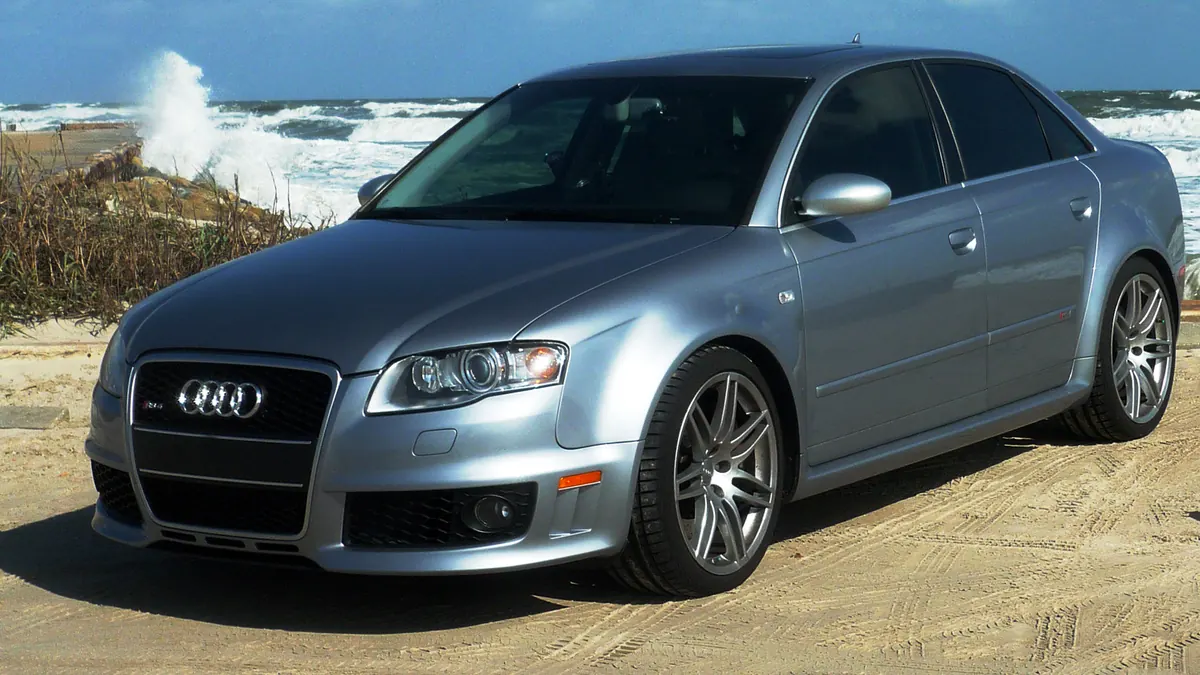
Legal tint in Connecticut is not a matter of taste or shop habit. One statute controls the whole question, and that statute works in measured numbers. Connecticut General Statutes §14-99g sets the light limits, the reflectivity limits, and the sticker rules for tinted windows. A film that looks fine in the shop can still fail a meter test on the road. This guide walks through the law window by window, in the order the statute presents it. You will see the windshield rule first, then the front side windows, and then the glass behind the driver. Later sections cover the compliance sticker, medical exemptions, out-of-state vehicles, and tint that already sits on your car.
Many tint blogs recite numbers without naming a source. Some of them even swap the front and rear reflectivity figures. This guide takes a different route and ties every figure to the statute or to the regulations under it. Laws change, however, so check the official source before you tint. The Connecticut DMV and the official text of §14-99g give you the current wording.
What does VLT mean under Connecticut window tint laws?
VLT stands for visible light transmission. Section 14-99g calls the same idea light transmission, and it defines the term with care. The figure expresses how much light passes through the film and the glass together. In other words, officers measure the finished window, not the film alone. A higher percentage means a lighter window and a clearer view. A lower percentage means a darker window and a dimmer cabin. Factory glass already blocks some light before any film goes on. As a result, a film rated at 35 percent rarely reads at 35 percent on the car.
Meters settle arguments here. An officer or an inspector places a light meter on the glass and reads the combined result. The statute builds a tolerance of plus or minus 3 percent into its limits. The implementing regulation, Section 14-99g-2 of the Regulations of Connecticut State Agencies, states the measured floor plainly. Under that regulation, tinted front and rear side windows must measure at least 32 percent with an approved meter. In practice, drivers should aim for the 35 percent standard itself.
What does §14-99g say at a glance?
First, the statute bans any material that blocks the driver’s clear and full view of the road. It then carves out measured exceptions for tint that meets its numbers. The quick summary below states those numbers, and the sections after it explain each one.
- Transparent material may sit only on the topmost portion of the windshield, and its bottom edge must stay at least 29 inches above the driver’s seat.
- Front side windows and front wing vents need at least 35 percent light transmission, plus or minus 3 percent.
- Rear side windows on a passenger car follow the same 35 percent standard, plus or minus 3 percent.
- The rearmost window carries no light limit when the vehicle has outside mirrors on both sides that show the road at least 200 feet behind.
- Windows behind the driver on trucks, buses, trailers, and multipurpose passenger vehicles carry no light limit under that same mirror condition.
- Each aftermarket tinted window needs a small compliance sticker in its lower left corner.
Reflectivity has its own limits, and colours have one narrow rule. Both topics get their own section below.
How much windshield tint does Connecticut allow?
The windshield carries the strictest rule in the statute. Subsection (c)(11) of §14-99g allows transparent material on the topmost portion of the windshield only. The bottom edge of that material must sit at least 29 inches above the undepressed driver’s seat. The statute then defines the measurement with unusual care. You measure from a point five inches in front of the bottom of the backrest. The seat sits in its rearmost and lowermost position during the test. The vehicle also rests on a level surface.
Blog posts often describe this strip with the AS-1 line marking on the glass. The statute itself never uses that term. It uses the 29-inch measurement instead, so the tape measure wins any dispute. The material also must not be red or amber in colour. Below that top strip, the windshield stays clear. Even a nearly clear film breaks the rule when it reduces light transmission outside the allowed exceptions. In short, windshield tint in Connecticut lives in that narrow top band and nowhere else. Drivers with camera-based safety systems should still ask the installer to mark the camera zone behind the glass first.
How dark can front side windows be under CT tint law 35%?
The front side windows follow the best-known rule in Connecticut tint law. Subsection (c)(1) covers front side wing vents and the windows beside the driver. The glass and material together must reach a total light transmission of not less than 35 percent, plus or minus 3 percent. That is the CT tint law 35% standard that shops quote every day. The same clause caps luminous reflectance at 27 percent, plus or minus 3 percent. The window also must not look mirror-like in appearance.
So, what is the darkest legal tint in Connecticut for the front windows? The honest answer is 35 percent on paper and 32 percent on the meter. Regulation 14-99g-2 sets the measured floor at 32 percent for these windows. Still, wise drivers treat 35 percent as the target and 32 percent as the safety net. In addition, a lighter front pair keeps night driving safer on dark rural roads.
What are the rear window tint laws in Connecticut for side and rear glass?
Rear glass confuses more drivers than any other part of this law. On a normal passenger car, the side windows behind the driver follow the front rule. Subsection (c)(5) gives them the same 35 percent light standard, plus or minus 3 percent. Their reflectance cap sits lower, at 21 percent, plus or minus 3 percent. Many drivers assume the rear doors earn the same freedom as the back window. On a sedan or coupe, they do not.
The rearmost window plays by a different rule. Subsection (c)(10) exempts the rearmost window when the vehicle carries outside mirrors on the left and right sides. Those mirrors must show the driver the highway for at least 200 feet behind the vehicle. With both mirrors in place, the rear window tint laws in Connecticut set no light floor for that glass. Without both mirrors, the exemption falls away and the standard limits return. Check your mirrors before you choose a dark rear film. A missing or broken mirror quietly removes your legal cover.
Multipurpose vehicles get wider freedom behind the driver. Subsection (c)(6) covers trucks, motor buses, trailers, mobile manufactured homes, and multipurpose passenger vehicles. On those vehicles, the windows behind the driver carry no light limit under the same mirror condition. The front side windows still follow the 35 percent standard, however. Vehicle class therefore matters as much as window position. The certification label on the driver’s door area helps confirm which class your vehicle holds. Combining that check with homework on electric vehicle insurance registrations also helps buyers compare running costs with a clear head.
How reflective can tint be, and which colours cause trouble?
Darkness is only half of the test. Reflective tint in Connecticut faces its own caps, and the statute bans a mirror-like appearance outright. For the front side windows, §14-99g sets luminous reflectance at 27 percent, plus or minus 3 percent. For the rear side windows and the rearmost window, it sets 21 percent, plus or minus 3 percent. The implementing regulation, Section 14-99g-3, states the measured ceilings as 30 percent at the front and 24 percent at the rear. Those ceilings match the top of each tolerance band, so the two sources agree once you read them together. Some blogs swap the front and rear numbers, yet the statute text settles the order.
Colour rules stay narrow. The statute names one colour ban, and it covers the windshield strip only. That material must not be red or amber. No other tint colour earns a mention in §14-99g. A charcoal or smoke film that meets the light and reflectance numbers fits the statute on colour. Bright mirror finishes still fail, though, because reflectance and appearance carry their own tests. Ask your installer for the reflectance figure in writing, not just the darkness figure.
Why does the window tint compliance sticker in Connecticut matter so much?
Connecticut does not judge tint by darkness alone. The state also wants proof on the glass itself. Subsection (e) of §14-99g covers vehicles built and sold on or after January 1, 1994. Each window tinted after factory delivery needs a sticker in its lower left corner. The sticker stays legible from outside the vehicle. It shows a sticker registration number and a certification of compliance with the statute. It also stays small, at no more than one square inch. The design is pressure-sensitive, and it destroys itself on removal.
Before a manufacturer ships tint material into Connecticut, it must seek approval from the Commissioner of Motor Vehicles. The commissioner approves the material and the sticker only when both meet the standards. The Connecticut DMV states the driver-facing rule in plain words on its official site. Tinted windows are allowed when each window has a valid window tint compliance sticker, or when the vehicle carries a manufacturer’s safety certification label. The DMV makes the same point for road-test vehicles, which need the sticker and the inspection report. A dark window with no sticker invites a stop on its own.
How does the Connecticut medical tint exemption work?
Some drivers need shade for health reasons, and the law makes room for them. Subsection (b) exempts a person who must, for medical reasons, avoid the direct rays of the sun. The exemption also covers a person who drives that person’s vehicle, or a vehicle in which that person rides as a usual passenger. Regulation 14-99g-7 then sets the process and the limits. First, the applicant applies in writing to the Commissioner of Motor Vehicles. A physician or optometrist licensed in Connecticut must support the application after an examination. The applicant signs the form under penalty of false statement. An approved applicant then receives a validated form. That form rides in the vehicle at all times.
The Connecticut medical tint exemption frees the driver from two sets of rules. It lifts the light transmittance standards, and it lifts the compliance sticker rules for the exempt vehicle. One hard floor still applies, however. The regulation treats light transmittance below 20 percent as a level that impairs driving safety. The commissioner can waive that floor only for good cause. So the practical medical range runs from the standard limit down toward 20 percent, with paperwork at every step. The exemption text does not lift the windshield strip rule, so keep windshield film inside the top strip and confirm hard cases with the Connecticut DMV window tint staff before you pay for film.
What should out-of-state drivers know about Connecticut tint law?
Tint that passes at home can fail in Connecticut. The Connecticut DMV warns newcomers that equipment laws differ from state to state. Its registration guidance lists tinted windows as a point to check on any vehicle coming into the state. The same guidance repeats the sticker rule and notes the two outside rear-view mirror requirement. A driver who moves to Connecticut and registers a vehicle here should expect Connecticut standards to govern the car.
Visitors face a simpler version of the same logic. Your home state registration does not rewrite Connecticut equipment law for Connecticut roads. A very dark rear window stays safer here when both outside mirrors work well. Before a long move, a full vehicle check saves stress at the registration counter. Shops such as Flying Eagle Auto Service show the kind of general inspection mindset that catches small equipment faults early.
How can you check your current tint before it fails a test?
Start with a meter, not with your eyes. A tint shop or inspection lane can meter each window in minutes. That simple test shows you how to check window tint VLT the way the state checks it. Ask for the reading on every window, front and rear. Write the numbers down, and compare them with the 35 percent standard and the 32 percent measured floor. A general service visit can cover the rest of the checklist in the same trip. Teams like McKeesport Auto Service build their name on that kind of thorough vehicle care.
Next, hunt for the stickers. Look at the lower left corner of each tinted window from outside the car. A missing sticker signals a job that skipped the certification step. Then check both outside mirrors for cracks, loose mounts, and a clear rear view. Dark rear glass depends on those mirrors for its exemption. Drivers who pair these checks with broader homework, such as guides on vehicle protection choices, tend to catch paperwork gaps before an officer does.
What should you ask an installer before any film goes on?
A good installer welcomes hard questions. Connecticut law even forces shops to educate buyers. Subsection (i) requires each tint business to post a clear sign at every service counter. The sign states the light and reflectance standards in block letters at least three inches high. It also lists the penalties and shows real tint samples. Mobile installers owe you the same facts in a written statement instead.
Put these questions to the shop before you book the job.
- What will the combined film and glass reading be on each window?
- Does your film carry Connecticut approval, and will each window get its compliance sticker?
- What reflectance figure does this film carry at the front and at the rear?
- Will you meter the finished windows in front of me?
- What written statement will I receive with the job?
Clear answers protect your wallet as much as your licence. Service-led shops, such as Lincoln Wilson Auto Service, treat written answers as normal practice. Regular care from a team like Gomora Auto Service also keeps mirrors, glass, and seals in the shape this law assumes.
What happens after a window tint ticket in Connecticut?
The statute classifies a tint violation as an infraction for each offense. That label covers breaches of subsections (b) through (e), so dark glass and missing stickers both count. A driver cited under subsection (b) must remove the object or material that blocks the view. The driver then reports within sixty days to the police department that issued the complaint. At that visit, the driver presents the vehicle for inspection and shows compliance. Skipping that report carries a sharp risk. A driver who fails to report and then earns a second citation can lose the vehicle to impoundment, after notice and a hearing.
Removal is the slow, annoying part of the story. Old film lifts in strips, and glue stays behind on the glass. Rear windows need extra care because defroster lines sit under the film. A careful shop, in the mould of Shiva Auto Repair Services, can strip film without killing the defroster grid. Paying for removal and a legal re-tint costs far more than one legal job. The meter reading at the start saves all of that money and time.
Frequently asked questions
Is 20 tint legal in CT for a normal driver?
No. A standard driver must meet the 35 percent standard, with the meter floor at 32 percent. Only an approved medical exemption lets tint run down toward 20 percent. Anything below 20 percent impairs driving safety under the regulation, waiver aside.
What is the darkest legal tint in Connecticut on a family car?
The side windows stop at 35 percent, or 32 percent on the meter. The rearmost window has no light floor when both outside mirrors give a 200-foot rear view. That split explains the common look of lighter fronts and a darker back window.
Do you need a sticker on every tinted window in Connecticut?
Yes, for aftermarket tint on vehicles in the sticker system. Section 14-99g places a small approved sticker in the lower left corner of each tinted window. The sticker certifies that the window meets the light and reflectance standards. Medical exemption holders follow the validated form rule instead.
Does a medical exemption let you tint the whole windshield?
The exemption lifts the light transmittance and sticker rules, and its text names no windshield change. The windshield strip rule therefore still deserves respect. Keep film in the top strip, and confirm any unusual case with the DMV first.
Can a shop sell you any film you ask for?
No. The statute bans the sale or delivery of vehicles that exceed its standards, and it regulates the tint trade directly. Shops must post the standards and penalties, and mobile installers must hand you the same facts in writing. A willing shop does not erase your duty as the driver.
Before you book the tint shop
Legal tint in Connecticut rests on a short list of numbers. Keep 35 percent in mind for side windows on a car. Remember the 29-inch windshield strip and the ban on red or amber there. Check the sticker, guard both mirrors, and respect the reflectance caps. Everyone else should meter first and tint second. Laws change, so confirm the current text of §14-99g and the Connecticut DMV guidance before you spend money. A legal job looks good, reads right on the meter, and never needs a second thought at a traffic stop.