
Some restaurants impress you with a single famous plate. Others win you over because the menu feels like a whole neighbourhood on paper. Baccali Cafe & Rotisserie belongs to the second kind, because it serves Alhambra as a Hong Kong style cafe with a wide, generous, everyday menu. So this guide does something more useful than a quick review. First, it explains what the restaurant actually is, in the words of its own official site. Then, it teaches you how to read a Hong Kong cafe menu, course by course and hour by hour, so your first visit feels easy.
What kind of restaurant is Baccali Cafe & Rotisserie?
Baccali Cafe & Rotisserie is a locally owned restaurant in Alhambra, in the San Gabriel Valley. According to its official About page, the team has served the community since 2002. Because of that long run, it works as a true neighbourhood fixture rather than a passing trend. The official site describes it simply as a Hong Kong Style Cafe, and it promises large portions at affordable prices. That short description already tells you a lot, because Hong Kong cafes are famous for exactly that mix of comfort, speed, and value.
The official About page also explains the range of the kitchen. The menu moves from the favourite rotisserie chicken to traditional Hong Kong style dishes, and then to everyday American favorites. So a family can sit down together even when everyone wants something different. One person orders the house chicken, while another chooses a Hong Kong classic, and a third picks a familiar American plate. In fact, that flexibility is the heart of the format, because a Hong Kong cafe was never built around one narrow cuisine.
The official menu page adds one more useful detail. The restaurant organises its offer into separate breakfast, lunch, and dinner menus, so the day itself shapes what you order. Therefore, the smartest way to approach your visit is by time of day, not by panic. First, decide whether you are coming for a cafe breakfast, a hearty lunch, or a relaxed dinner. Then, let the matching menu do the hard work for you.
What does Hong Kong style cafe actually mean?
A Hong Kong style cafe is known in Cantonese as a cha chaan teng, which roughly means a tea restaurant. Historically, these cafes grew from small ice rooms that served light refreshments and baked goods. Later, they began serving fuller meals that blended Cantonese cooking with Western cafe habits. Because of that history, the style is sometimes called soy sauce Western food, since Western plates were adapted for local tastes. The result feels familiar and surprising at the same time, so first-time guests often smile at the combinations.
Tea sits at the centre of the tradition, because the name itself puts tea first. Hong Kong milk tea is the classic drink of the format, and it is usually strong, smooth, and silky. Bakers also play a real role, because buns, toast, and simple pastries belong to the cafe rhythm. Meanwhile, the kitchen handles rice plates, noodles, soups, and baked dishes with equal confidence. So the format rewards curiosity, because every section of the menu tells a different part of the same story.
Alhambra fits this tradition naturally, because the San Gabriel Valley has deep roots in Chinese and Hong Kong food culture. A San Gabriel Valley restaurant like this one therefore serves two audiences at once. Long-time residents come for flavours that feel like home, while newcomers come for an easy doorway into the style. Both groups end up at the same tables, and both leave full.
How is the menu organised across the day?
Time is the first thing to understand, because the restaurant publishes separate breakfast, lunch, and dinner menus. Each part of the day has its own mood, so each menu deserves its own strategy. Below is a simple way to think about the three, using the wider Hong Kong cafe tradition as your guide. These notes describe the format in general terms, so always confirm a specific plate on the menu in front of you.
What should you expect from the breakfast menu?
Breakfast in a Hong Kong cafe is quick, warm, and comforting. Traditionally, morning menus lean on eggs, toast, buns, and noodle or macaroni soups. Macaroni soup is a beloved cafe staple, because it turns a simple broth into a gentle, filling start. A pineapple bun often joins the table too, although its crackled top only looks like pineapple skin and the bun contains no pineapple at all. Then a cup of Hong Kong milk tea completes the picture, because the strong tea cuts through the buttery bread beautifully.
So arrive with a simple plan if you visit early. First, pick something warm and savoury, such as a soup or an egg plate. Next, add one bakery item for contrast, because the sweet and salty balance is the charm. Finally, choose your drink with care, because tea is not an afterthought in this tradition. That small sequence already gives you the full cafe feeling, even on a busy weekday morning.
How should you approach the lunch menu?
Lunch is usually the busiest and heartiest moment in a Hong Kong cafe. At midday, the menu zones widen, so rice plates, noodle dishes, and set meals take centre stage. Set meals help indecisive guests, because a set pairs a main plate with a drink in one clear decision. Workers love that structure, since it is fast, filling, and easy to repeat. Therefore, lunch is the best moment to copy the regulars and order with confidence.
Baked rice deserves special attention at lunch, because it is one of the great cafe inventions. In the general tradition, baked rice means a rice base covered with sauce and baked until the top turns golden. The dish feels like comfort food and a small celebration at once. Meanwhile, noodle plates suit guests who want something lighter but still savoury. So the lunch choice is really a mood choice, and both moods are well served here.
What changes on the dinner menu?
Dinner slows the pace down, so the table can spread out a little. In Hong Kong cafe culture, evening menus often invite sharing, because families order several plates and pass them around. That habit suits this restaurant well, since its own range runs from rotisserie chicken to Hong Kong dishes to American plates. A shared bird in the middle, plus a few different plates around it, turns dinner into a small feast. Consequently, dinner is the easiest meal for a mixed group.
Portions matter here, because the restaurant describes its servings as large. So order in stages when you can, especially on a first visit. First, choose one centrepiece for the table, then add plates only as appetites become clear. That approach protects both your budget and your table space. Later, if everyone still has room, a sweet bakery item or a final tea closes the meal gently.
How do you read a Hong Kong cafe menu without getting lost?
A long menu can overwhelm a newcomer, but the structure is actually friendly. Hong Kong cafe menus are built from clear zones, so you only need to learn the zones once. After that, every visit becomes faster, because your eyes know where to land. The same skill helps with any unfamiliar menu, much like learning the sections in a Mexican restaurant menu experience teaches you its own logic.
- Set meals: bundled plates, often with a drink, built for speed and value.
- Baked dishes: rice or similar bases baked under sauce until hot and golden.
- Noodle and rice plates: the hearty core of lunch and dinner.
- Soups: gentle, brothy bowls, including the morning favourite macaroni soup.
- Bakery and toast: buns, toast, and sweet-salty snacks for any hour.
- Drinks: Hong Kong milk tea, lemon tea, and other cafe classics.
Start with the zone, not the dish name, because zones reveal cooking style and portion size. For example, a baked dish will arrive bubbling and rich, while a soup will taste lighter and cleaner. Next, check the protein, because chicken, beef, pork, and seafood versions of one idea often sit side by side. Then, decide on your drink early, since cafe drinks are part of the meal itself. Finally, ask the staff one focused question if a name puzzles you, because a short question about sauce or cooking method always beats a guess.
Dietary care also fits into this reading habit. Sauces, broths, and shared griddles can hide dairy, egg, wheat, or pork, so ask before you assume. Staff in busy cafes answer direct questions quickly, because precision saves everyone time. So name the ingredient that concerns you, and keep the question short. That small courtesy keeps the fast rhythm of the room intact.
What should a first-time guest order?
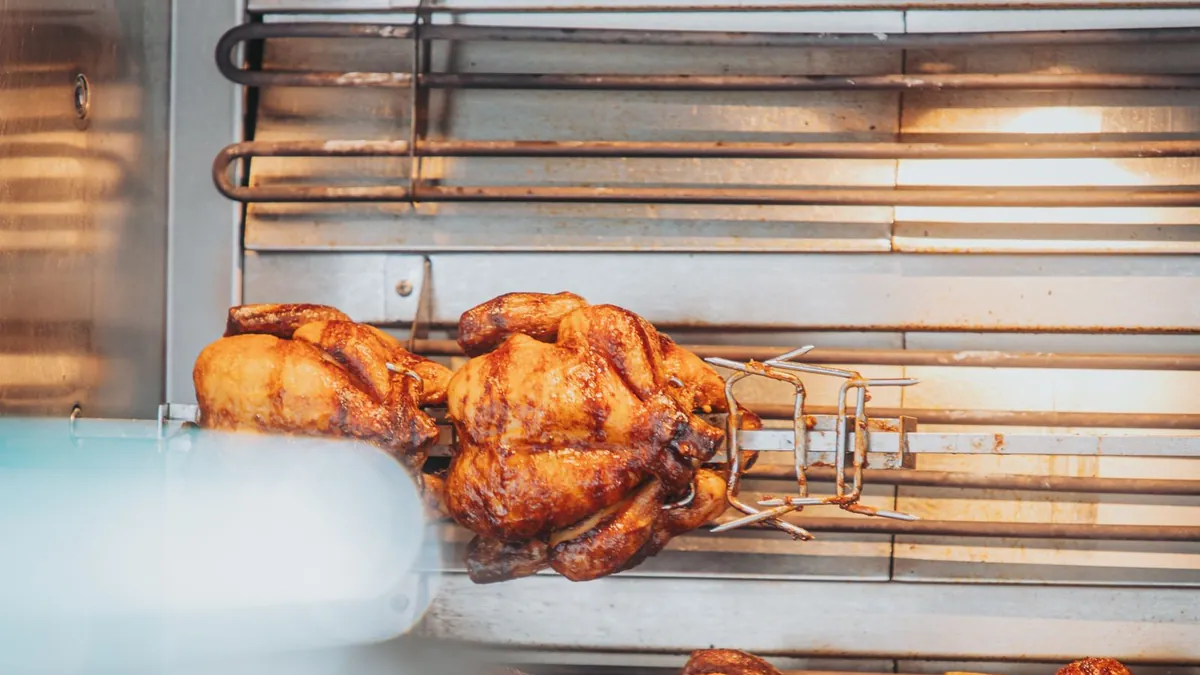
Begin with the anchor, because every good first order needs one. Here, the official site names the rotisserie chicken as the favourite, so that bird is the natural centrepiece. Its slow turning on the spit gives the meat time to stay juicy, and the skin turns deeply golden. For a first visit, that choice teaches you what the house values most. Then build the rest of the table around it, course by course.
After the anchor, add one traditional Hong Kong style dish, because balance is the whole point of the format. A baked rice, a noodle plate, or a soup each shows a different skill of the kitchen. Next, let each guest pick one everyday American favorite if the group leans that way, since the menu welcomes that mix. Finally, order Hong Kong milk tea at least once, because no cafe visit feels complete without its signature drink. That simple formula works for couples, families, and curious solo diners alike.
Still, resist the urge to order everything at once. Large portions reward restraint, so a smaller first round protects the experience. You can always add a plate later, and the kitchen rhythm in a cafe is built for quick additions. In fact, ordering in waves is how regulars eat, because it keeps every dish hot when it lands. Hot food, shared slowly, beats a crowded table of cooling plates.
How do you order well for a group with mixed tastes?
Groups are where this restaurant quietly shines, because few formats forgive mixed tastes so gracefully. One guest wants roast chicken, another wants noodles, and a third wants a plain American plate. In a narrow restaurant, that spread causes friction, but here it is simply Tuesday. So plan the table like a small buffet, with one shared centrepiece and personal plates around it. Everyone tastes more, and nobody feels like the difficult guest.
Reading local dining guides helps groups in other towns too. For example, a round-up of the best restaurants in Montville, NJ shows how a town guide sorts choices by occasion. Similarly, checking Shelby County restaurant scores reminds diners to look past hype and judge the basics. Here, the basics are range, portion, and a kitchen that has served its neighbours for years. Those basics travel well, because every town has one cafe that quietly feeds everyone.
Practical habits also help a group table. First, agree on the shared dishes before the server arrives, because cafe service moves fast. Next, state allergies early and clearly, since sauces travel between plates at a shared table. Then, keep drinks simple on the first round, because refills and swaps are easier later. Finally, leave a little room at the end, because a warm bun or a sweet drink makes a kinder finish than one more heavy plate.
What makes a neighbourhood cafe like this last?
Longevity in the restaurant world rarely comes from novelty. Instead, it comes from trust, because neighbours return to places that feed them honestly week after week. This restaurant has operated locally since 2002, according to its own site, and it still speaks in plain promises. Wide menu, favourite chicken, reasonable prices, and something for every taste bud. Those promises sound modest, yet they are exactly what a community asks from its cafe.
The wider format explains the loyalty, because a cha chaan teng becomes part of daily routine. Breakfast before work, lunch with colleagues, tea in the afternoon, and dinner with family all fit one address. So the cafe collects memories across a whole life, not just special occasions. A student becomes a parent, and then that parent brings children to the same kind of table. That cycle is hard to manufacture, and it is why these cafes matter beyond their menus.
Restaurant storytelling often focuses on journeys, and our other guides show that pattern clearly. A visit framed as a culinary journey at Amaretto Italian Restaurant in Tampa treats one meal as a small trip. Likewise, the story of Mater Terrae Restaurant leans on atmosphere and discovery. This Alhambra cafe offers a quieter version of the same pleasure, because its journey runs across one menu, from Hong Kong plates to American favorites. Sometimes the best trip is simply across the table.
How can you make a relaxed day of your visit?
Alhambra sits inside the wider Los Angeles area, so a cafe meal pairs easily with a slow day out. Eat first, because a full table makes every later plan feel calmer. Then wander, shop, or visit friends nearby, since the San Gabriel Valley rewards unhurried exploring. If your day stretches across the city, browsing weird places to visit in Los Angeles can add a playful second stop. Food first and curiosity second is a fine order for any day.
Pacing matters more than planning, though. A Hong Kong cafe meal can be quick, but it never has to feel rushed on your side of the table. Sip the tea, share the chicken, and let the room move around you. Busy cafes have their own music, built from cups, plates, and short conversations. Listening to it for a few extra minutes is part of the experience, because atmosphere is also a course.
Frequently asked questions
Is Baccali Cafe & Rotisserie an Italian restaurant?
No, it is not, because its official site describes it as a Hong Kong Style Cafe. The menu range covers traditional Hong Kong style dishes, a favourite rotisserie chicken, and everyday American favorites. So expect a cha chaan teng spirit, not an Italian trattoria menu. That clarity helps first-time guests order with the right expectations.
What is the restaurant best known for?
The official About page names the rotisserie chicken as the favourite, so that dish is the safest first order. The same page stresses the wide range of the menu, because range is the real signature here. Large portions and reasonable prices complete the picture, according to the official site. Together, those three ideas explain its long local life.
Does the restaurant serve breakfast, lunch, and dinner?
Yes, it does, because the official menu page is organised into separate breakfast, lunch, and dinner menus. Each part of the day suits a different strategy, so match your order to the hour. Breakfast rewards soups, eggs, and bakery items, while lunch suits hearty plates and sets. Dinner, meanwhile, suits sharing, because a group can spread several plates across the table.
What drink should a newcomer try first?
Hong Kong milk tea is the classic first choice, because tea gives the whole format its name. The style is strong, smooth, and usually silky from careful straining and milk. Lemon tea offers a brighter alternative if you prefer something sharper. Either way, treat the drink as part of the meal, because cafe drinks carry real tradition here.
How long has the restaurant served Alhambra?
The official About page says the restaurant has served its community since 2002. It also describes the business as locally owned and operated, so its roots sit in the neighbourhood itself. That history matters, because a cafe that lasts this long has earned repeat trust. Regulars, in other words, are its strongest review.
Can a group with very different tastes eat here happily?
Yes, a group can, because the menu deliberately spans Hong Kong dishes and American favorites. One shared rotisserie chicken anchors the table, while personal plates cover individual cravings. Set meals and clear menu zones also speed up ordering, so nobody waits while one guest decodes everything. That mix of range and speed is exactly why the format suits families.



