
Some meals simply feed you. Others stay with you for years, and you recall them street by street. A meal at Mater Terrae belongs in that second group, because one clear idea shapes the whole evening. The kitchen puts plants, seasons, and patience at the centre of the plate.
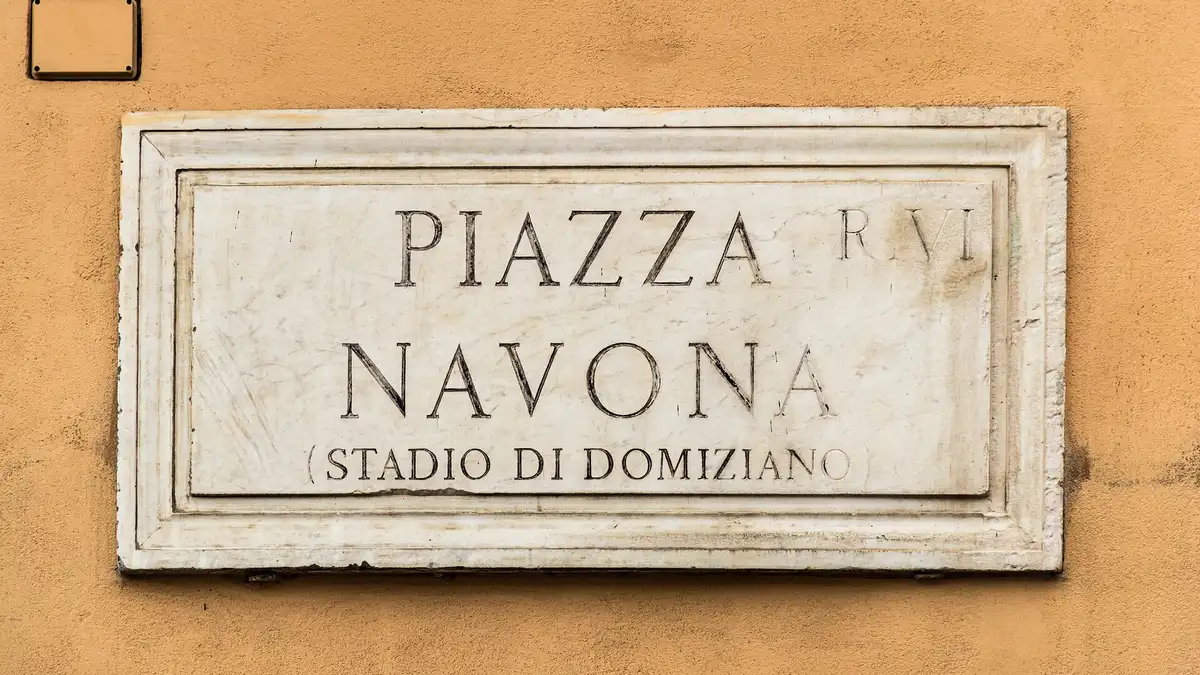
The restaurant sits inside the Bio Hotel Raphaël, in the historic heart of Rome. Piazza Navona lies only a short walk away, so the evening begins long before you sit down. Cobbled lanes, old church domes, and lively cafés build the mood first, course by course.
This guide walks you through the journey in order. First, it shows how the setting shapes the meal. Then, it explains how a seasonal menu unfolds on the table. After that, it covers what to order and how to judge the experience. In short, you will arrive as a guest and leave as a smarter diner.
The arrival sets the tone
Your visit starts outside, at a façade wrapped in climbing plants. The hotel’s official site describes a cascade of Virginia creeper and bougainvillea over the front. That green curtain works like a soft doorway between the busy street and a calmer world inside.
Location matters here, too. The hotel stands in Rome’s historic centre, a few steps from Piazza Navona. The Pantheon, the Trevi Fountain, and the Spanish Steps all sit within easy reach. So a dinner here fits naturally at the end of a full sightseeing day.
Guides to restaurants near Piazza Navona often stress views and history above all else. Here, however, the plants share top billing with the postcode. If you are planning a wider route, our guide to what places you should visit in Italy helps you place Rome inside the bigger trip.
Arrive a little early if you can. A slow walk through the lanes settles your head after a loud day of travel. Then the first quiet minutes in the dining room feel like a real shift, not a rush. That pause, in fact, is part of the recipe.
A room shaped by light, stone, and restraint
Architect Richard Meier designed the restaurant, and his hand shows in the details. The hotel notes oak panelling and leather set against pale Carrara marble. Dark Portoro stone and warm Siena marble add depth, while Navona travertine grounds the room in Rome itself.
The design also carries a green logic. The building counts as ecological and solar architecture, planned to save energy. Its materials were chosen to avoid harmful emissions, so the room supports the menu’s values. An eco-friendly restaurant, in other words, starts with its walls, not its slogans.
Such restraint changes how you eat. Nothing in the room shouts for your attention, so flavours hold the stage instead. Light falls softly across the tables. Voices stay low. As a result, even a simple plate of seasonal vegetables feels like the main event.
What does the philosophy mean for your plate?
The hotel describes Mater Terrae as a vegetarian, organic, biodynamic, and vegan restaurant. Each of those words carries weight, so it helps to unpack them slowly. Together, they explain why this organic restaurant in Rome stands apart. It is no ordinary vegetarian restaurant in Rome, and the difference shows on every plate.
Vegetarian cooking leads, and vegan dishes sit at the heart of the offer. Organic ingredients form the base, grown without the chemical shortcuts of intensive farming. Biodynamic dining goes one step further still. That approach treats the farm as a living system, guided by seasons and soil health.
The kitchen also makes a promise that should calm nervous meat eaters. Its own site insists that plates will not rely on plain tofu or seaweed clichés. Instead, the team builds unique recipes from natural, seasonal products. Art, creativity, and innovation drive the cooking, in the hotel’s own framing.
Health runs through the idea as well. The recipes aim to be good for you and good for the environment. So the meal asks a pleasant question. Can food feel indulgent and responsible at the same time? Here, the kitchen answers yes, plate after plate.
How does the menu unfold during a meal?
A seasonal menu rarely arrives all at once. Instead, it moves like a story, with a calm beginning and a richer middle. Small, bright plates usually open the meal and wake up your palate. Their job is contrast: raw against cooked, crisp against soft, cool against warm.
Then the kitchen deepens the flavours. In Italian vegetarian cuisine, grains, beans, and handmade pasta often carry this middle act. A vegetable that seemed humble in course one returns in a bolder form later. Meanwhile, sauces grow darker and herbs grow warmer as the sequence builds.
Dessert closes the arc with fruit, nuts, and gentle sweetness. A good kitchen keeps it light, because the meal should end in comfort, not heaviness. By the final spoonful, the season itself has told you its story. Spring tastes green and sharp, while autumn tastes deep and earthy.
Pacing matters as much as flavour here. Courses land with pauses between them, and those pauses let each plate settle. So resist the urge to rush the early courses. The menu rewards patience, course after course, right to the end.
What should you order, and in what order?
Start with one simple question for your server. Ask which dish best shows the season today, and order it without debate. Kitchens love that question, because it points you to the freshest work on the menu. It also spares you the stress of decoding every line yourself.
A vegetarian tasting menu solves the ordering puzzle in another way. The kitchen chooses the sequence, so you only choose the journey. That format suits first-time guests especially well. By contrast, ordering dish by dish suits diners who know their own tastes deeply.
Sharing starters adds a third path. Order two or three small plates for the table, then choose mains with different textures. One plate might centre on grains, while another centres on roasted roots. Such variety keeps every bite interesting, even across a long meal.
Drinks deserve the same seasonal logic, by the way. Ask which pours the team favours with vegetables, since green flavours can clash with heavy tannins. Lighter, fresher styles usually flatter herbs, leaves, and young cheeses far better. A short aperitif before the first course also settles the table into the evening’s pace. Then let the kitchen guide later pairings, course by course. You taste more that way, and you second-guess far less.
Good tasting menu etiquette stays simple. Tell the team about allergies and strong dislikes early, not mid-course. Ask before you swap dishes across a set sequence, since pacing depends on order. A set sequence also anchors our guide to Amaretto Italian Restaurant in Tampa, where each course tells part of one clear story.
How seasonal menus really work
Seasonal cooking sounds romantic, yet it rests on hard logistics. A kitchen must plan around planting, weather, and harvest dates. If rain delays a crop, the menu bends with it. That flexibility defines farm-to-table dining far more than any label does.
Spring brings tender shoots, peas, and the first soft herbs. Summer answers with tomatoes, courgettes, peppers, and stone fruit at full ripeness. Autumn then turns to roots, mushrooms, squash, and nuts. Finally, winter leans on stored produce, preserves, pulses, and hardy greens.
Preserving bridges the lean weeks between harvests. Cooks ferment, pickle, dry, and jar the surplus while it shines. Home cooks know this rhythm well. Our applesauce food mill recipe follows the same logic, turning a glut of fruit into months of flavour.
A seasonal tasting menu therefore reads like a diary of the farm year. No two visits taste quite the same, and that is the point. Regulars return to taste the change itself. First-time guests, meanwhile, get the clearest snapshot of one single moment.
Who will love this kind of meal the most?
Committed vegetarians and vegans will feel instantly at ease here. For once, plant dishes are not an afterthought at the edge of the menu. Every course speaks to them first. That simple shift changes the whole mood of a table.
Curious meat eaters may gain even more. A skilled kitchen shows them how far vegetables, grains, and pulses can travel. Many leave surprised by the depth on the plate. Fans of slow, theatrical meals often enjoy Baccali Restaurant for a similar reason, since both rooms treat dinner as an event.
Couples on a Rome break suit the setting beautifully. The calm room, the historic lanes outside, and the slow pacing all favour long talks. Slow travellers fit well too. They collect moments rather than landmarks, and this meal gives them a rich one.
Who might struggle here? Diners who want a huge steak and a loud room should book elsewhere. Likewise, anyone in a hurry will miss the point entirely. The experience asks for time, openness, and a free evening.
How can you get the most from your visit?
A little preparation lifts the whole evening. These habits cost nothing, yet they change what lands on your table.
- Book ahead through the hotel, especially in peak travel months, and mention dietary needs at that stage.
- Arrive hungry but not starving, since a long sequence rewards a steady appetite.
- Ask your server one question per course, and let the answers guide your choices.
- Taste each plate before you season it, because the kitchen balances flavours with care.
- Put your phone away for the first course at least, and let the room set the pace.
- Finish with a slow walk past Piazza Navona, since the city completes the dessert course.
Clear information helps diners everywhere, of course. If you track what you eat, our breakdown of Peter Piper Pizza calories shows how honest menus support better choices. The setting differs wildly, yet the principle stays the same. You enjoy food more when you understand it.
Sustainable dining also grows from small decisions like these. You choose the seasonal plate, first of all. The kitchen’s rhythm deserves respect, so honour it rather than hurrying it. Waste falls as well, because each course arrives in a thoughtful portion. In the end, the guest completes the philosophy that the farm began.
A quick test for any plant-led restaurant
Not every green claim survives close reading. Use this simple test before you book any eco-led table, in Rome or back home.
- Does the menu change with the seasons, or does it read the same all year?
- Does the kitchen name its values clearly, such as organic or biodynamic sourcing?
- Do vegetables lead the menu, or do they merely decorate meat dishes?
- Does the room itself reflect care, from materials to energy use?
- Can the staff explain where key ingredients come from, without hesitation?
Formal checks can support your own judgement, too. Our look at Shelby County restaurant scores shows how published ratings help diners sort strong kitchens from weak ones. Likewise, our guide to the best restaurants in Montville, NJ rewards the same careful reading of menus and reviews. Rome fine dining works no differently. The diners who ask questions eat better.
Mater Terrae passes this test on its own published terms. Its values appear in the building, the sourcing, and the recipe style alike. That rare alignment explains its pull. Few kitchens align their walls, their farms, and their plates so closely.
Frequently asked questions
Is Mater Terrae a fully vegetarian restaurant?
Yes, on the hotel’s own description. The Bio Hotel Raphaël presents it as a vegetarian restaurant with organic and biodynamic values. Vegan cooking sits at the centre of the offer as well. So plant dishes lead every part of the menu.
Are you searching for a vegan restaurant in Rome for a special night?
Then this room deserves a place on your shortlist. The setting feels calm and polished, while the cooking treats vegetables as luxury ingredients. Book through the hotel, and share your dietary needs in advance. The team can then shape the evening around you.
What is biodynamic dining in simple terms?
Biodynamic farming treats the whole farm as one living system. Growers follow seasonal rhythms and build soil health without chemical shortcuts. In the dining room, you taste the result as produce with clear, vivid flavour. The plate, in short, reflects a healthier field.
Will meat eaters enjoy a plant-based fine dining menu?
Most open-minded meat eaters leave pleasantly surprised. Strong kitchens build depth from roasting, fermenting, and careful seasoning, not from imitation meats. Texture carries much of the pleasure, too. If you love food in general, you will find plenty to enjoy.
Which season suits a seasonal restaurant best?
Every season brings a different strength. Spring tastes fresh and green, while summer tastes ripe and generous. Autumn offers depth, and winter offers comfort through preserves and roots. So choose the season whose flavours you already love most.
How should you order if you feel unsure?
Hand the problem to the kitchen with confidence. Choose the set sequence if one is offered, or ask for the most seasonal dish first. Then add one contrasting plate for variety. Above all, ask questions early, since good teams enjoy guiding new guests.
The meal you remember on the flight home
Travel fills your camera roll fast, yet taste memories fade more slowly. A calm room, a green façade, and a plate of perfect seasonal vegetables can outlast a dozen landmarks. Mater Terrae earns its place in that memory bank through alignment. The building, the farm values, and the cooking all tell one story.
So plan the evening properly. Walk the old lanes first, sit down without hurry, and let the menu lead. Whether you come for the philosophy or pure curiosity, the journey rewards you. Some dinners end with the bill, but this one ends with a new way of tasting.



