
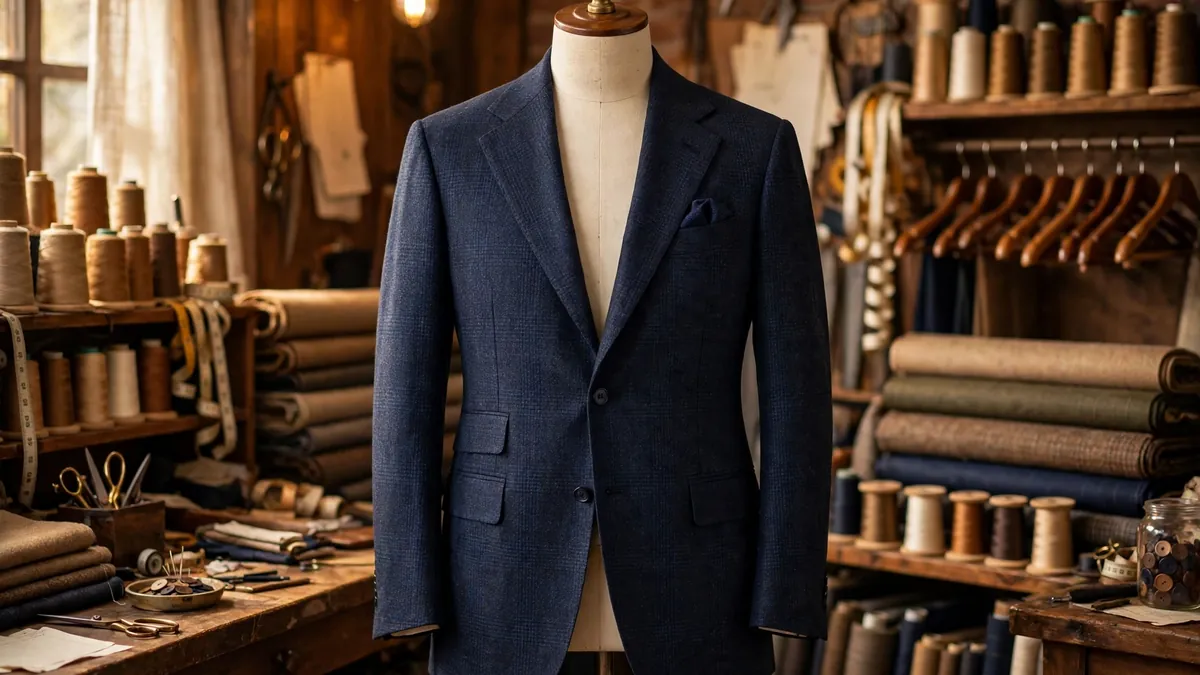
Some jackets chase fashion. Others simply outlast it. Hickey Freeman sport coats belong firmly in the second group, and that is exactly why they still matter. The brand built its name on careful tailoring, honest fabrics, and a calm, confident cut. Therefore, a Hickey Freeman coat rarely shouts for attention. Instead, it earns respect quietly, through fit, balance, and cloth that feels right.
This guide explains what makes these coats distinctive. It also covers fit, styling, occasions, and proper care in plain, practical terms. For example, you will learn how canvas construction changes the way a jacket drapes. You will also see why a tailored sport coat works with chinos, denim, and dress trousers alike. In short, this is a heritage piece explained for modern wardrobes.
A Short History of a Heritage American Menswear Name
Hickey Freeman began in Rochester, New York, in 1899. Jeremiah G. Hickey and Jacob L. Freeman founded the company with Thomas Mahon as a partner. At that time, most ready-to-wear suits showed very little hand craftsmanship. Hickey Freeman, however, chose a different path from the start. The founders believed factory-made clothing could still respect traditional tailoring standards.
That belief shaped the company for decades. By 1912, the firm had built a large factory on North Clinton Avenue in Rochester. The building expanded twice during the 1920s as demand kept growing. Indeed, Rochester itself was then a major centre for American menswear production. Hickey Freeman eventually became the last surviving name from that era in the city.
The label also dressed public figures over the years. Photographs of American presidents wearing the brand became part of its local legend. Still, the deeper story is about craft rather than celebrity. The Rochester factory earned the affectionate nickname of a temple to fine tailoring. Tailors there combined handwork with modern machinery for well over a century.
Classic American style has always reflected its moment. Our reading on fashion as a reflection of social movements shows how clothing tracks wider change. Hickey Freeman, in contrast, changed slowly and deliberately. Lapels widened and narrowed with the decades, yet the core promise stayed constant. That promise was simple. Make the garment properly, and style will follow.
What Makes Hickey Freeman Sport Coats Different?
Three things separate these coats from ordinary high-street jackets. Firstly, the internal construction is more thoughtful than most ready-to-wear tailoring. Secondly, the fabrics lean on proven natural fibres with real texture. Thirdly, the silhouette stays classic, so the coat avoids dating quickly. Each point matters on its own. Together, however, they explain the brand’s loyal following.
Canvas Construction and Why It Matters
Inside a quality jacket sits a layer called the canvas interlining. In a full canvas construction, that layer runs through the whole front of the coat. A half canvas construction covers the chest and lapels, where shape matters most. Cheaper jackets, in contrast, often use glued fusing instead of canvas. Fusing feels stiff at first, and it can bubble or flatten over time.
Canvas behaves very differently. It starts firm, then gradually moulds itself to your chest and shoulders. As a result, the jacket looks more natural with every season of wear. The lapels also roll gently instead of folding flat at a hard crease. Hickey Freeman became known for this kind of canvas work in Rochester. For many traditionalists, therefore, canvas remains the true test of a tailored sport coat.
A quick home check can reveal the construction. Pinch the cloth below the lowest buttonhole between your fingers. If you feel a separate middle layer moving freely, canvas is likely present. Pull the outer fabric and lining apart gently near the chest, too. A floating layer there suggests half canvas construction or better. The pinch test is not perfect, however, so a tailor’s opinion settles doubts.
Fabrics With Texture and Character
The classic worsted wool sport coat is the backbone of this style. Worsted yarns are combed smooth, so the cloth drapes cleanly and resists wrinkles well. Heavier wools and tweeds, meanwhile, bring texture for colder months. Patterns such as herringbone, houndstooth, and subtle checks suit the sport coat format beautifully. They add interest without demanding a matching trouser.
A cashmere blend sport coat sits at the softer end of the range. Cashmere adds warmth and a gentle hand feel to sturdy wool. Silk blends also appear in traditional American tailoring for a slight sheen. Summer versions, in contrast, may use lighter wool or linen blends for airflow. Whatever the season, natural fibres usually age more gracefully than synthetics. They also tend to release odours faster after a day of wear.
Details That Stay Quietly Classic
The typical Hickey Freeman silhouette favours a natural, lightly structured shoulder. Most coats use a notch lapel, two buttons, and flap or patch pockets. A single vent or side vents keep movement comfortable while seated. None of these details chase novelty, and that restraint is deliberate. A coat cut this way pairs easily with the rest of a classic wardrobe.
Take the mid-century cut as a useful reference point. Our guide to 1950s men’s fashion suits shows how balanced those proportions looked. Hickey Freeman tailoring grew directly from that American tradition. Consequently, its coats still echo that era’s clean lines and easy confidence. The result feels familiar rather than costume-like.
How Should a Sport Coat Fit?
Fit decides whether a fine coat looks expensive or merely borrowed. This sport coat fit guide starts with the shoulders, because tailors can rarely fix them. The shoulder seam should end right where your own shoulder ends. Extra width droops, while a narrow shoulder pulls and creases. So always judge the shoulders first, before checking anything else.
The chest should feel close but never tight. Button the coat and slide a flat hand inside at chest height. If the front pulls into an X shape, the coat is too small. The back, similarly, should lie smooth without horizontal strain lines. Length matters just as much. A classic coat covers the seat and ends near the middle of your hand.
- Shoulders: the seam sits at the edge of your natural shoulder.
- Chest: the button closes without pulling or gaping at the lapels.
- Sleeves: the cuff shows a sliver of shirt, roughly a quarter to half an inch.
- Length: the hem covers your seat and feels balanced from behind.
- Collar: the jacket collar hugs your neck without a visible gap.
Sizing labels use chest numbers with short, regular, or long lengths. Still, numbers only start the conversation. Two men with the same chest size can carry very different shoulders and posture. A tailor can usually nip the waist, shorten sleeves, or adjust the back. Shoulder width and overall length, however, should be right on the rack. Buy for those fixed points, then tailor the rest.
How to Style a Sport Coat for Modern Life?
Learning how to style a sport coat is mostly about contrast. The coat brings polish, while the other pieces set the mood. Keep one element clearly dressier than the rest, and the outfit holds together. Patterns also need a leader. If the coat carries a check, let the shirt and trousers stay quiet.
Modern trends move fast, often at social media speed. Coverage of Douyin fashion and fast-moving global trends shows how quickly looks now cycle. A heritage coat, in contrast, anchors a wardrobe against that churn. It works this year, and it will still work in ten years.
Wearing a Sport Coat With Chinos
The sport coat with chinos pairing is the everyday hero of smart casual dressing. Khaki, stone, or olive chinos sit naturally under a navy or brown coat. Add a plain Oxford shirt, and the look suits most offices and lunches. Loafers keep it relaxed, while clean derby shoes sharpen it slightly. This combination also travels well, because each piece mixes with other outfits.
Wearing a Sport Coat With Jeans
The sport coat with jeans look works when the denim stays dark and tidy. Choose a straight or slim cut in deep indigo, without rips or heavy fading. A fine knit or a simple button-down shirt keeps the balance right. Chelsea boots, suede loafers, or minimal leather sneakers all finish it well. Avoid gym trainers, however, because they drag the coat down too far.
Every wardrobe spans a wide range of moods. At the playful end sit relaxed summer pieces like the ones in our piece on baseball lifestyle donut shorts. A tailored coat occupies the opposite, polished end of that spectrum. Knowing both ends helps you dress with intention rather than habit.
Dress Trousers and Knitwear for a Sharper Finish
Grey flannel or worsted dress trousers lift a sport coat toward business formality. The trousers should contrast with the coat, never almost match it. A near-match looks like a failed suit, and stylists call it a mismatched pairing. Fine-gauge knitwear offers another route entirely. A merino crew neck or a roll neck under the coat feels modern and warm.
Personal expression still has room inside classic rules. Romantic, character-led dressing, like the world explored in Otome fashion for romantic dreamers, proves style is personal. With a sport coat, expression comes through smaller choices. A patterned pocket square, a textured tie, or suede shoes can shift the whole mood. Small details, therefore, do the talking.
When Should You Wear a Hickey Freeman Sport Coat?
A business casual sport coat earns its keep across the working week. It suits client meetings, conferences, and offices where a full suit feels excessive. Pair it with dress trousers and a collared shirt for the safest result. On quieter days, in contrast, chinos and knitwear relax the same coat. Few garments stretch across that range so easily.
Weddings welcome a sport coat when the invitation allows smart dress. Choose a smooth worsted wool sport coat in navy, grey, or a soft check. Wear it with light trousers, a white or pale shirt, and polished shoes. A tie is wise for most ceremonies, although garden weddings may forgive an open collar. When the dress code says black tie or formal, however, a suit is safer.
Evening events sit somewhere between the office and the wedding. A darker coat in a cashmere blend sport coat cloth looks rich under low light. Pair it with charcoal trousers and a crisp shirt for dinners or theatre nights. A pocket square adds a final note of intent. The outfit feels dressed up, yet nobody looks like they tried too hard.
Seasonal dressing keeps the coat useful all year. Our review of 2024 as a year of dynamic fashion trends tracked how fast tastes shifted. A heritage coat ignores most of that noise. Heavy tweed serves winter, while open-weave wool serves spring and autumn. Rotate two weights, and one style covers nearly every invitation.
Sport Coat vs Blazer vs Suit Jacket
The sport coat vs blazer debate confuses many men, so clear definitions help. A sport coat is sold as a separate jacket, usually with texture or pattern. A blazer is also separate, but it is typically solid, often navy, with smoother cloth. A suit jacket, in contrast, belongs to a matching set with identical trousers. Wearing a suit jacket alone often looks slightly off, because the cloth reads too smooth.
| Feature | Sport Coat | Blazer | Suit Jacket |
|---|---|---|---|
| Sold as | Separate jacket | Separate jacket | Part of a matching suit |
| Typical cloth | Textured or patterned | Smooth and solid | Smooth, matching trousers |
| Formality | Smart casual core | Slightly dressier | Most formal of the three |
| Best partners | Chinos, denim, odd trousers | Trousers, chinos | Its matching trousers only |
Hickey Freeman built its reputation in the first two categories as much as in suits. Its sport coats carry enough structure for smart settings, yet enough texture for casual ones. That middle ground is precisely where most modern dressing happens. Therefore, one good coat often replaces several lesser jackets.
Where Does Hickey Freeman Sit Among Classic American Tailoring Brands?
Classic American tailoring values comfort, natural shoulders, and honest construction. Hickey Freeman sits squarely inside that tradition as a heritage American menswear name. It historically competed at the quality end of department store tailoring. Brooks Brothers defined the Ivy side of the tradition, while makers like Southwick shared similar roots. Hickey Freeman, meanwhile, became known for Rochester-made quality and canvas work.
The positioning was never about fashion drama. Instead, the brand sold reliability to lawyers, executives, and professionals who dressed daily. That audience cared about cloth, construction, and a coat that lasted for years. Timeless menswear style, in this world, means looking appropriate in every decade. A Hickey Freeman coat aims at exactly that quiet standard.
Shoppers today often meet the label through vintage and resale pieces. Older coats in good cloth can still wear beautifully after professional tailoring. Check the canvas, lining, and underarm condition before buying any vintage jacket. Also confirm the fabric composition on the inner label. A well-kept older coat can offer remarkable value, however, when the fit works.
Luxury in daily dressing is not only about logos. The idea behind Avanti lifestyle shopping and everyday luxury style points the same way. Real luxury is a garment that fits, feels good, and lasts. By that measure, a heritage sport coat qualifies easily.
How Do You Care for and Store a Quality Sport Coat?
Good sport coat care starts with rest. Wool fibres recover their shape when a coat hangs unworn for a day. So rotate your jackets rather than wearing one coat all week. Brush the shoulders and back after each wear with a soft clothes brush. This simple habit removes dust before it settles into the cloth.
Storage protects the construction you paid for. Use a wide wooden hanger that fills the shoulder line properly. Thin wire hangers, in contrast, can distort the shoulder over time. Empty the pockets before hanging, because stored items stretch pocket bags and cloth. Keep the coat in a breathable garment bag if dust is a concern. Plastic covers trap moisture, so avoid them for long storage.
- Rest the coat for at least a day between wears.
- Brush gently after wearing to lift dust and surface dirt.
- Hang it on a wide wooden hanger that supports the shoulders.
- Steam lightly for creases instead of pressing the lapels flat.
- Dry clean sparingly, only when the coat truly needs it.
- Store it in a cool, dry place away from direct sunlight.
Dry cleaning deserves special caution. Harsh or frequent cleaning can strip natural oils from wool and stress canvas. Most coats need cleaning only a few times a year with normal rotation. Spot clean small marks first, and air the coat near an open window. If moths are a risk in your home, cedar blocks help protect stored wool. A tailor, finally, can refresh the lining or replace buttons when wear appears.
Frequently Asked Questions
Are Hickey Freeman sport coats good quality?
Historically, yes, the brand earned its reputation through canvas construction and careful Rochester tailoring. Quality can vary by era and line, however, so inspect each garment individually. Check the fabric label, the lapel roll, and the stitching before judging. A coat with a floating canvas layer usually signals better construction. Overall, well-kept examples remain respected in classic American tailoring circles.
What is the difference between half canvas and full canvas construction?
Full canvas construction places a canvas layer through the entire front of the jacket. Half canvas construction covers the chest and lapels, where shaping matters most. Both options beat glued fusing for drape and durability. Full canvas generally feels softer across the whole body, while half canvas offers a lighter price and weight. Either way, canvas moulds to your torso over time.
Can you wear a sport coat with jeans?
Yes, and the pairing is a modern classic when the denim is right. Choose dark, clean jeans without distressing or heavy fading. Keep the coat textured, because texture signals casual intent clearly. Add loafers, Chelsea boots, or clean leather sneakers to finish the outfit. Avoid light wash denim, however, because the contrast usually looks unbalanced.
How long should a sport coat be?
A classic sport coat should cover your seat fully. The hem usually lands near the middle of your relaxed hand. Shorter fashion cuts exist, but they date faster and suit fewer settings. If the coat ends above the seat, it will look cropped with dress trousers. Therefore, classic length remains the safer long-term choice.
How often should you dry clean a wool sport coat?
Only a few times a year is enough for most coats in regular rotation. Brush and air the garment after each wear instead. Spot cleaning handles most small marks without a full clean. Excessive dry cleaning, in contrast, can dry out wool fibres over time. So treat cleaning as maintenance, not as a weekly routine.
Is a Hickey Freeman sport coat worth buying vintage?
It can be, especially when the cloth and canvas remain in strong condition. Inspect the lining, underarms, and buttonholes carefully before paying. Also factor in tailoring costs, because vintage fits often need small adjustments. A worsted wool sport coat in a classic check ages particularly well. In short, buy the construction and condition, not just the label.
A Hickey Freeman sport coat is not a trend purchase. It is a wardrobe foundation built on Rochester tailoring, honest cloth, and patient construction. Learn the fit, respect the canvas, and style it with simple, contrasting pieces. Do that, and one coat will serve meetings, weddings, dinners, and ordinary good days alike. Few purchases in menswear heritage brand history offer that kind of quiet, lasting return.



