
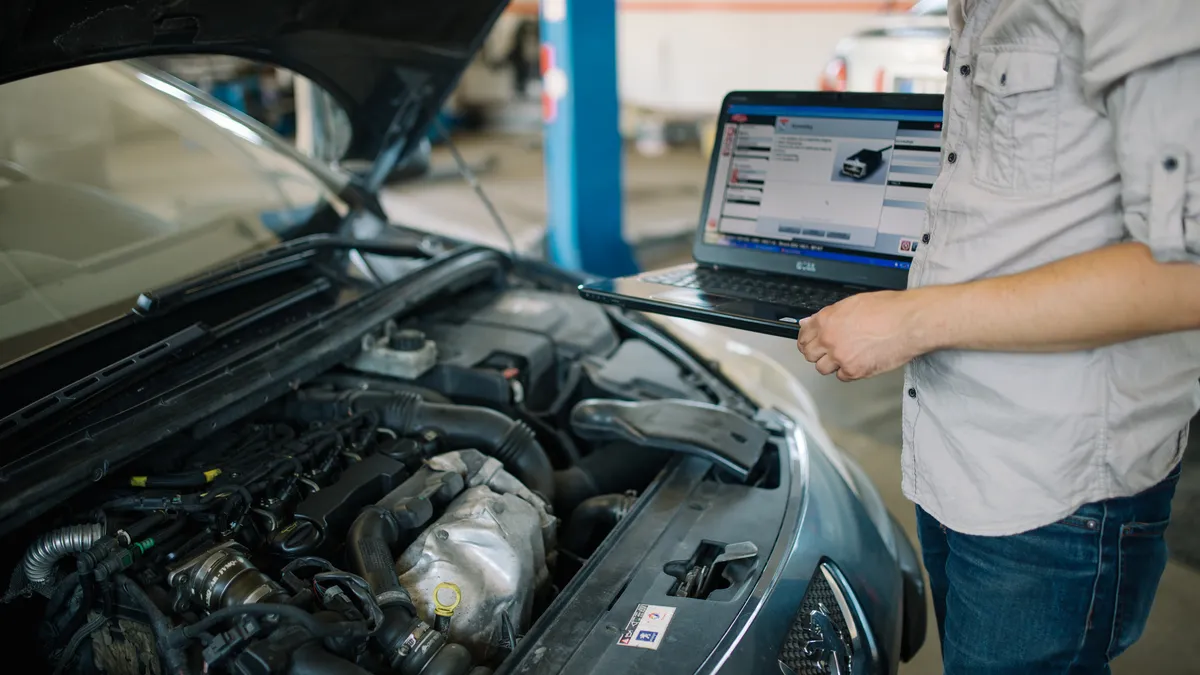
A car rarely fails without warning. Usually, it whispers first. The engine turns over a little slower. The brake pedal feels a touch softer. Fuel use creeps up, trip by trip. Good auto service exists to hear those whispers early. That idea sits behind the name Gomora Auto Service, a real independent shop in Sherman Oaks, California. Its public listings highlight diagnostics and everyday repair work. Still, the lessons in this guide apply anywhere. Any driver can use them, wherever they live.
So think of this page as a complete map. It explains what a full-service shop actually does. It also sets out a calm maintenance rhythm you can follow. Then it shows which warning signs deserve urgent attention. Finally, it helps you choose a workshop you can trust. In short, you will know what to book, when to book it, and why.
What does a full-service auto shop actually do?
A full-service shop handles routine care and fault-finding under one roof. Routine vehicle servicing keeps healthy parts healthy. Repair work, by contrast, fixes parts that already failed. Both matter, yet they serve different purposes. For example, an oil change protects an engine before damage starts. A replacement alternator, however, solves a breakdown that already happened.
Most good workshops group their work into clear areas. Oil and fluid care comes first. Brake service and safety checks follow closely behind. After that comes car diagnostics for electrical and engine faults. Tyres, steering, and suspension work keeps the car stable. Meanwhile, car AC service and battery care keep daily driving comfortable. Readers comparing local options may also enjoy our guide to McKeesport auto service and reliable vehicle care. The service mix there follows a similar pattern.
Why does an oil change service matter so much?
Engine oil does three jobs at once. First, it lubricates moving metal parts. Second, it carries heat away from hot surfaces. Third, it traps dirt until the filter removes it. Over time, heat and contamination weaken that oil. Consequently, worn oil protects less and flows less freely. The engine then works harder on every journey.
A proper oil change service is simple but thorough. The technician drains the old oil completely. Next, the old filter comes off. Then a new filter goes on, followed by fresh oil. The grade always matches the maker specification. Afterwards, the level gets checked on the dipstick or display. Finally, the service reminder gets reset. Small leaks around the sump also get reported. Because of this routine, small problems surface before they grow.
How often should that happen? The honest answer lives in your owner manual. Intervals differ by engine, oil type, and driving pattern. Short trips and heavy traffic count as harder use. Long motorway runs, in comparison, are gentler on oil. So treat any general range as a guide only. Your manual, ultimately, sets the real schedule for your car.
Which fluids and filters need attention besides oil?
Oil gets the attention, but other fluids quietly matter too. Coolant controls engine temperature in summer and winter. Brake fluid, meanwhile, transfers pedal pressure to the brakes. It also absorbs moisture slowly over time. Power steering fluid and gearbox oil have similar ageing patterns. Washer fluid seems minor, yet clear vision is safety.
Filters protect every one of those systems. The engine air filter guards clean airflow. A clogged filter can dull response and raise fuel use. The cabin filter, instead, cleans air entering the interior. Fuel filters on many models also need periodic replacement. During full service auto care, each item gets inspected. Some get replaced on schedule. Others get replaced only when condition demands it. That distinction, importantly, keeps bills fair and work honest.
What does proper brake service include?
Brakes convert speed into heat through friction. Pads wear down a little with every stop. Discs also wear, though usually more slowly. Brake service therefore starts with measurement, not guesswork. A technician checks pad thickness on each wheel. Disc condition gets checked at the same time. Callipers, hoses, and pipes also face close inspection.
Fluid condition forms the second half of the job. Old fluid with high moisture content can feel spongy. It can also corrode parts from inside. So a fluid test often guides the replacement decision. The handbrake, or parking brake, gets tested too. Afterwards, a short road test confirms pedal feel. Our roundup of Shiva auto repair services shows similar brake care in practice. Good shops everywhere follow that same careful sequence.
Never postpone brake work to save money. A squeal, a grind, or a longer stopping distance matters. Each sign tells you friction material is running out. Once metal meets metal, damage spreads quickly. Repair costs then rise sharply, and safety falls. Early attention, by contrast, stays simple and affordable.
How does car diagnostics find faults you cannot see?
Modern cars run on networks of sensors and control units. Those systems watch temperatures, pressures, and emissions constantly. When a value drifts outside its expected range, a code gets stored. Car diagnostics begins by reading those stored codes. Yet a code alone never tells the whole story. It points, rather, towards a system worth testing.
Skilled technicians therefore test before they replace parts. Live data shows how sensors behave in real time. Wiring checks can reveal corrosion or broken insulation. Software updates sometimes solve faults without new hardware. In Sherman Oaks, diagnostics is a headline service at Gomora. Shops everywhere, similarly, rely on scans plus methodical testing. Our look at Lincoln Wilson auto service solutions stresses that same point. Guesswork wastes money, whereas evidence saves it.
A warning light deserves prompt attention for another reason. Some faults reduce power to protect the engine. Others raise emissions without changing how the car feels. Either way, the underlying cause rarely fixes itself. Early diagnosis usually means a smaller repair. Late diagnosis, unfortunately, often means a larger one.
Why do tyre and alignment checks protect everything else?
Tyres form the only contact between car and road. Their grip decides braking, steering, and wet-weather safety. A tyre and alignment routine therefore deserves real respect. Technicians check tread depth across each tyre. Uneven wear patterns get noted and explained. Pressures then get set to the maker figure. That figure sits on a door sticker or fuel flap.
Alignment describes the angles at which wheels point. Knocking a kerb can shift those angles slightly. The car may then pull gently to one side. The steering wheel may also sit off-centre. A wheel alignment service measures those angles precisely. Adjustments then restore the intended settings. As a result, tyres last longer and steering feels settled. Rotation at service visits can also even out wear. Your manual, once again, confirms whether rotation suits your model.
What does a car AC service actually cover?
Air conditioning fades so gradually that drivers adapt. Cooling feels weaker each summer, little by little. A car AC service starts with performance testing. The technician measures vent temperature under set conditions. Then the system pressure gets checked carefully. Leaks, if present, must be found before regassing. Simply adding refrigerant over a leak helps nobody.
Several parts can cause weak cooling. A tired compressor struggles to build pressure. A blocked condenser, meanwhile, cannot shed heat efficiently. Cabin filters also restrict airflow when clogged. Electrical faults can stop fans or clutches engaging. So proper testing separates those causes clearly. Drivers in hot climates feel the benefit most. Our guide to air conditioning repair services in Sewickley covers that repair side in depth.
When should you plan a car battery replacement?
Batteries age through heat, cold, and repeated discharge. Short trips rarely repay the charge used at starting. Eventually, cranking slows and electronics may flicker. A battery test measures health before failure strikes. Most workshops include that test within a service. Terminal corrosion also gets cleaned during inspection. Loose clamps, likewise, get tightened and secured.
Planning a car battery replacement beats arranging an emergency one. A planned swap happens at a fair price, calmly. An emergency swap often happens wherever the car stopped. Choice then disappears, and inconvenience grows quickly. If your battery is several years old, ask for a test. The result gives you a timeline, not a surprise. That small step alone prevents many roadside mornings.
What happens during a full vehicle inspection?
An inspection ties every smaller check together. Lights, wipers, and seatbelts get tested first. Steering and suspension joints then face hands-on checks. Underneath, the exhaust and undertray get examined. Hoses and belts also get squeezed and viewed. Each finding gets graded by urgency. Safety items sit at the top, always.
Good reports separate now, soon, and later clearly. Now means the car needs work promptly. Soon means wear exists but remains safe. Later covers monitoring items for the next visit. That structure helps you budget without panic. It also builds a service history over time. Our overview of Flying Eagle auto service describes a similar one-stop approach. Clear grading, in practice, is what makes inspections useful.
What does a sensible car maintenance schedule look like?
A car maintenance schedule works best as a rhythm, not a scramble. Monthly habits form the base layer. You can check tyre pressures yourself each month. Fluid levels under the bonnet also take minutes. Lights and wipers deserve a quick glance too. These small car care tips catch obvious trouble early. They also cost nothing except a few minutes.
Every six to twelve months, book professional vehicle servicing. The exact gap depends on mileage and your manual. That visit normally covers oil, filters, and brakes. It also includes the broad inspection described above. Higher-mileage drivers may need shorter gaps between visits. Low-mileage drivers still need time-based care, because fluids age anyway. Rubber parts also perish even when mileage stays low.
Longer intervals cover the bigger scheduled items. Spark plugs, coolant, and brake fluid sit here. Belts and some filters also belong to this group. Your manual lists those mileages for your exact model. Keep records of everything, however small the job seems. A stamped history supports reliability claims later. It can also help value when you sell. Insurance protection matters alongside servicing, so see our piece on Rainbow car insurance for vehicle protection as well.
Which warning signs should you never ignore?
Some signs demand a booking this week, not next season. A red warning light on the dashboard qualifies immediately. Grinding or squealing brakes qualify just as fast. Steering vibration at speed also needs prompt checks. A sudden change in engine sound belongs here too. Each symptom signals a system under real stress.
Fluid leaks form another urgent category. Puddles under a parked car never appear without cause. Sweet-smelling coolant leaks can precede overheating quickly. Dark oil leaks, meanwhile, can starve an engine slowly. Burning smells after driving deserve investigation as well. Temperature gauges climbing above normal are equally serious. Stop safely, switch off, and seek advice. Continuing to drive can turn a repair into a replacement.
Softer signs still deserve respect. Fuel economy slipping gradually hints at engine inefficiency. A musty smell from vents hints at AC trouble. Uneven tyre wear hints at alignment drift. None of these stop the car today. Each, however, grows worse with time and mileage. Preventive car maintenance works precisely because it answers early hints.
How do you choose an auto repair shop you can trust?
Start with transparency, because it reveals character quickly. A trustworthy auto repair shop explains findings in plain language. It shows old parts when replacements happen. It also gives written estimates before work begins. Approvals for extra work get requested, never assumed. Those habits matter more than a shiny reception area.
Experience with your type of car also counts. Modern diagnostics demand current tools and training. Ask how the shop handles electronic faults specifically. Check independent reviews across more than one platform. Look for patterns in comments, not single extremes. Our profile of Mike Akbar auto service highlights similar trust signals. Consistency over years, ultimately, says more than advertising.
Convenience matters, but it should rank last. Location and opening hours affect your routine, certainly. Yet cheap quotes can hide vague scopes of work. Ask what any quote actually includes, item by item. Parts quality also varies widely between suppliers. A fair price for correct parts beats a bargain twice. That logic holds for servicing and repairs alike.
Which questions should you ask before handing over the keys?
Good questions protect you and help the workshop too. Ask which checks the service includes, exactly. Ask whether the estimate covers parts, labour, and fluids. Also ask how long the car will be needed. Then ask how extra findings will be approved. Clear answers now prevent awkward calls later.
Ask about the parts being fitted as well. Are they original specification, or a proven equivalent? Ask what warranty covers parts and labour afterwards. Also ask for the old parts back, if practical. Finally, ask what the next service should include. That answer reveals whether the shop plans ahead. Workshops serving business fleets think this way routinely. The automotive marketing scene in our digital marketing automotive Gdynia article shows that planning mindset clearly.
How does regular servicing protect vehicle peak performance?
Vehicle peak performance is not about speed alone. It means the engine responds cleanly and efficiently. It also means brakes bite evenly and confidently. Steering feels precise, and tyres grip as designed. Each serviced system supports the others quietly. Together, they make the car feel younger for longer.
An engine performance check illustrates that link well. Fresh oil reduces internal friction and wear. Clean filters let the engine breathe properly. Healthy spark plugs support complete, efficient combustion. Correct tyre pressures then reduce rolling resistance noticeably. Small efficiencies stack up across every journey. Fuel use, emissions, and component life all benefit. That is preventive car maintenance working as intended.
Reliability may be the biggest prize of all. Most breakdowns trace back to neglected wear items. Batteries, belts, hoses, and fluids lead that list. Regular servicing inspects each one on schedule. Weak parts get replaced in the workshop, calmly. They do not fail on a dark, wet road. For most drivers, that peace is worth every visit.
Frequently asked questions
What is included in full service auto care?
Typically, it includes oil and filter changes first. Brake, tyre, steering, and suspension checks follow. Fluid levels and condition also get assessed. Lights, battery, belts, and hoses complete the picture. Exact contents vary by workshop, so request the checklist beforehand.
How often should vehicle servicing happen?
Most makers suggest yearly servicing or a set mileage. Whichever limit arrives first should trigger the booking. Hard use, however, can shorten that interval sensibly. Your owner manual gives the figure for your model. When in doubt, ask a technician who knows your car.
Can car diagnostics really save money?
Yes, because accurate diagnosis prevents wrong parts being fitted. A stored code starts the investigation, not the conclusion. Testing then confirms the faulty component precisely. That evidence-based approach avoids repeat visits and guesswork. In the long run, it protects both wallet and engine.
What are the simplest car care tips between services?
Check tyre pressures monthly, without fail. Keep washer fluid topped up for clear vision. Glance at coolant and oil levels regularly too. Listen for new noises on familiar routes. Finally, wash road salt off during winter months. Those habits take minutes, yet they prevent real damage.
When is a wheel alignment service necessary?
Book one after hitting a kerb or deep pothole. Book one also when tyres wear unevenly. A steering wheel sitting off-centre is another clue. New tyres are a sensible moment for checking too. Correct alignment protects tyres and steadies handling noticeably.
Does an engine performance check suit older cars?
Absolutely, because older engines drift from ideal settings gradually. Fresh plugs, filters, and oil often restore smoothness. Diagnostics can also reveal tired sensors hiding faults. Those fixes usually cost less than people expect. Older cars, in fact, often gain the most from attention.
Peak performance is not an accident. It is the product of small, regular, well-judged decisions. Book services on rhythm, act on warning signs early, and ask direct questions. Choose a workshop that explains, shows, and records its work. Do that, and your car will repay you daily. It will start cleanly, stop safely, and feel right. That, in the end, is what expert care really means.



