
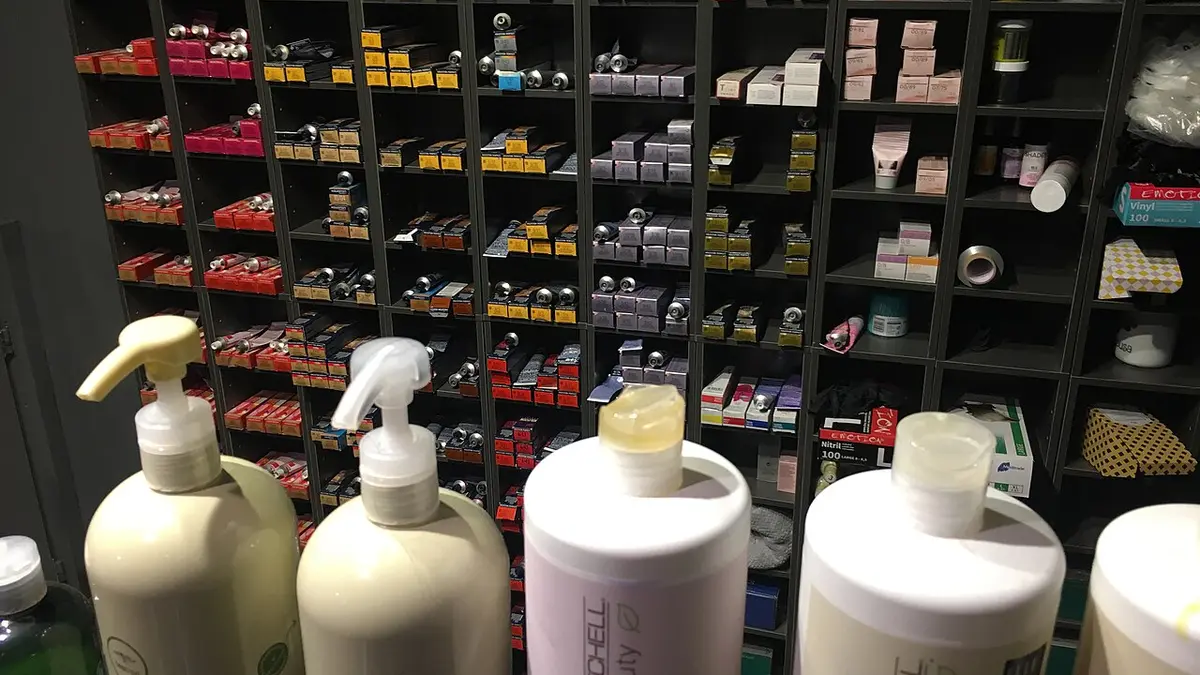
Walk into any beauty supply store for the first time and the scale can stop you mid-aisle. However, that wall of hair, colour, and tools follows a clear logic once you learn it. This hair store guide teaches you to shop by product knowledge, not by guesswork. For example, you will learn how experts judge wigs, braiding hair, and labels. In fact, confident shopping is mostly a skill, and skills can be learned. First, you map the store by category, then you match each product to your hair.
A beauty supply store serves home shoppers and working professionals side by side. Therefore, its shelves run deeper than a typical drugstore beauty corner. Still, depth only helps shoppers who know what each product actually does. Consequently, this guide moves aisle by aisle, from hair care to tools.
What does a beauty supply store actually stock?
Most stores organise beauty supply products into clear zones that repeat from shop to shop. First, hair care usually claims the largest floor area near the entrance. Second, wigs and extensions often line a full wall for close inspection. In addition, braiding hair fills tall racks sorted by length and colour. For example, chemical products like colour and relaxers sit in their own section. As a result, a quick walk-through reveals the whole map in minutes.
Smaller zones reward attention too, because they solve everyday problems cheaply. Skincare, makeup, and nail supplies usually gather near the front counters. Meanwhile, tools such as dryers, clippers, and flat irons sit behind glass or higher shelves. However, placement varies slightly between stores, so one slow lap always helps.
How do you shop hair care by hair type and texture?
Straight and fine hair
Fine hair needs lightness above everything else, because heavy formulas flatten it fast. Therefore, shoppers with straight, fine strands should favour volumising shampoos and spray conditioners. On the other hand, thick butters and heavy oils usually overwhelm fine textures. For example, a pea-sized amount of oil often suits fine hair better than a palmful. In short, small doses and rinsable products keep fine hair bouncy.
Wavy and curly hair
Curls drink moisture, so the beauty supply hair care shelves group products by hydration level. First, look for sulphate-free cleansers that clean without stripping natural oils. Second, choose conditioners with slip, because slip makes detangling gentler and faster. Curl creams and gels then define the pattern and control frizz. However, hold level matters, since strong-hold gels can leave curls crunchy.
Coily and highly textured hair
Coily hair thrives on rich moisture and gentle handling at every step. Therefore, creamy cleansers, deep conditioners, and leave-in treatments form its core routine. Butters and oils seal in water, which helps coils stay soft for days. In addition, wide-tooth combs and detangling brushes protect fragile strands from snapping. For example, detangling on wet, conditioned hair cuts breakage dramatically.
Damaged, dry, or colour-treated hair
Heat and colour both weaken hair, so repair products target strength and moisture together. Protein treatments rebuild weak spots, while masks restore softness and shine. However, protein needs balance, because too much can make hair feel stiff. In fact, reading the front label for words like repair or bond care helps.
Wigs decoded, from fibre to fit
Human hair vs synthetic wig, which suits your routine?
The human hair vs synthetic wig choice shapes your budget, styling, and daily effort. Human hair wigs move naturally, accept heat tools, and last longer with care. However, they cost more upfront and need washing and styling like real hair. Synthetic wigs hold their style after washing, which saves busy mornings. On the other hand, standard synthetic fibre tolerates little or no heat. Heat-friendly synthetic lines exist, though, and their labels state safe temperature limits.
Your routine should decide the fibre, not the other way around. For example, daily wig wearers who restyle often usually prefer human hair. Similarly, beginners benefit from synthetic styles while they learn wig care basics. In fact, many experienced wearers own both types for different occasions. Therefore, match the fibre to your schedule, skills, and styling habits first.
What should a lace front wig guide cover?
A useful lace front wig guide starts with the hairline, because realism lives there. Lace front wigs carry a sheer panel across the forehead for a natural edge. Consequently, the hair appears to grow from your scalp along the front. Check the lace tone against your skin under bright store lighting. Also inspect the knots, since smaller, lightly bleached knots look more natural.
Which wig cap types change comfort and styling?
Wig cap types quietly decide how a wig feels after three hours of wear. Basic wefted caps cost less and feel airy, because rows of hair sit on strips. Lace front caps add a realistic hairline while keeping a wefted back. Full lace caps allow parting anywhere, yet they need gentler handling and higher budgets. Monofilament tops mimic a natural scalp at the part and suit sensitive skin.
How to choose a wig with confidence?
Learning how to choose a wig gets easier with a short in-store routine. First, measure your head circumference, because cap sizes follow that number. Second, try the wig on over a clean wig cap where the store allows. Next, shake your head gently and check whether the wig shifts or slides. Then examine the part and hairline closely in the brightest light available. Finally, ask about heat limits and care products before you pay.
Style inspiration also sharpens your choice before you enter the store. Browsing the fashion trends that defined recent seasons can clarify the lengths and colours you actually enjoy. However, trends should guide you, not push you into an uncomfortable style. Therefore, comfort and fit outrank trends during your final decision.
Braiding hair decoded for protective styles
Braiding hair types fill entire racks, because each style family needs different fibre behaviour. Box braids, knotless braids, twists, faux locs, and crochet styles each start here. Kanekalon hair leads this section, thanks to its soft feel and natural-looking finish. Kanekalon is a modacrylic synthetic fibre that resembles textured hair closely. Standard cheaper synthetics often feel shinier, rougher, and tangle far sooner.
Pre-stretched braiding hair has changed braid appointments for the better. Its feathered, tapered ends arrive ready to install, so braiders skip the stretching step. As a result, installs move faster and the finished braids look lighter and neater. Pre-washed and anti-itch treated options also exist for sensitive scalps. For example, shoppers who react to fibre coatings often prefer pre-treated packs. Always check the pack for fibre name, length, and treatment claims before buying.
Quantity mistakes cause the classic mid-appointment store run, so plan counts carefully. Your braider should confirm the pack number, length, and colour code in advance. Similarly, crochet hair, twist hair, and passion-twist water-wave styles sit in neighbouring hooks. Therefore, compare packs side by side in daylight whenever the store allows.
Weaves and extensions without the guesswork
Treat this section as your weave extensions guide for the main buying formats. Bundles of human hair suit sew-in weaves, where tracks are stitched onto braided hair. Clip-in extensions add temporary length and volume, then remove in minutes at night. However, every format depends on texture matching with your own leave-out hair. A silky bundle against kinky leave-out hair will never blend convincingly.
Quality checks stay simple once you know where to look. First, run your fingers down the weft and feel for loose stitching. Second, check the ends, because thin, wispy ends signal older or over-processed hair. Next, look for consistent texture from root to tip across the whole bundle. Virgin and raw hair claims describe minimal processing, while blended hair mixes fibres. Consequently, clear fibre labels matter more than glamorous words on the packaging.
What should beginners know about colour and relaxer shelves?
Chemical shelves deserve slow, careful shopping, because mistakes here affect hair health directly. Hair colour boxes pair with developer, and developer strength changes the final result. Lower volumes deposit colour gently, while higher volumes lift natural pigment more strongly. For example, semi-permanent colour fades gradually and suits cautious first experiments. Always follow the timing and strand test guidance printed on the box.
Relaxers straighten textured hair chemically, so their basics matter before any purchase. Relaxer strengths and formulas vary, and lye and no-lye options behave differently. Timing is critical, because leaving a relaxer on too long risks breakage and scalp burns. Therefore, beginners should strongly consider a professional for first-time chemical services. In short, new growth only is the safe zone for touch-ups.
Safety habits protect you across this whole section. Wear gloves, work in ventilation, and never mix products from different systems casually. Patch and strand tests, covered below, add another layer of protection. These habits sound basic, yet they prevent the most common home colour regrets.
The natural hair shelves, oils, butters, and edge control
Natural hair products anchor some of the busiest shelves in the store. Leave-in conditioners, curl creams, and gels form the daily styling core here. Oils such as jojoba, castor, and olive oil seal moisture into strands and ends. Butters like shea and mango add richer sealing for thicker, drier textures. Readers curious about plant oils can explore the beauty history and benefits of olive trees for deeper background.
Edge control deserves its own moment, because this small jar does heavy styling work. Edge control smooths baby hairs and flyaways along the hairline for a polished finish. Hold levels range from soft and flexible to firm styles that last all day. However, heavy daily use can leave residue, so gentle cleansing between styles matters. Alcohol-heavy formulas may dry delicate edges, so ingredient lists deserve a quick scan.
Scalp care completes the natural hair picture quietly but importantly. Scalp oils and soothing treatments target dryness and itch between wash days. Satin bonnets, scarves, and pillowcases nearby protect styles overnight from friction. In fact, many shoppers solve frizz problems with a bonnet, not another cream. Therefore, check the accessories wall before adding more styling products to your basket.
Skincare shelves and styling tools, chosen wisely
Skincare sections usually stock cleansers, toners, sheet masks, serums, and body lotions. Gentle basics suit most people, while targeted serums address specific concerns gradually. Introduce one new active at a time, because reactions then stay easy to trace. My own hard lesson on that point appears in this honest story about a vitamin C skincare failure. For a steadier routine framework, see these notes on prime skin and building a radiant daily routine.
Tools reward slower shopping than almost any other category. Flat irons and curling wands list heat settings for hair tools directly on the box. Lower settings suit fine or damaged hair, while higher settings tackle thick, resistant textures. Always pair heat styling with a heat protectant to reduce damage. Ceramic, titanium, and tourmaline plates heat differently, so match the material to your hair. Dryers with cool-shot buttons and multiple airflow speeds give gentler control too.
Small tools complete the kit and often outlast the electrical ones. Wide-tooth combs detangle wet hair without tearing through knots aggressively. Sectioning clips, rat-tail combs, and spray bottles make home styling far easier. Clippers and trimmers need blade oil and guards checked before you commit. In addition, a simple warranty card often signals a maker who trusts the tool.
How do labels and patch tests protect your money and skin?
Reading product labels turns marketing claims into facts you can compare. First, read the directions, because they reveal how a product truly works. Second, scan the ingredient list, especially if your skin or scalp reacts easily. Ingredients appear in descending order by amount, so early names matter most. For example, water-based leave-ins feel lighter than butter-heavy creams with oils first. Expiry dates and batch codes also matter for colour, adhesives, and skincare.
Size and weight hide another quiet trap for value hunters. Two similar-looking packs may hold very different amounts of hair or product. Compare the grams or ounces printed on the back panel before judging price. Similarly, bundle deals only save money when the texture and length already suit you. Specific labels listing fibre type, cap size, and heat limits signal careful makers.
Patch testing new products is the cheapest insurance in beauty. Apply a small amount behind your ear or inside your elbow first. Then wait the period the label suggests, often a full day or two. Redness, itching, or burning means the product is not for you. Hair colour also needs a strand test, which previews the final shade honestly. These small pauses prevent the big reactions that ruin styles and budgets.
Smart shopping habits that experts swear by
- Write your list by style goal, not by wandering aisle to aisle.
- Bring daylight photos of your hair and your target style for matching.
- Confirm pack counts and colour codes with your braider or stylist beforehand.
- Check wig stitching, cap fit, and fibre feel before you reach the till.
- Compare weight and fibre on back labels, not front marketing claims.
- Ask about the exchange policy for hair before you pay for anything.
- Keep receipts until every pack is opened, checked, and approved at home.
Hygiene habits deserve the same attention as price habits in these stores. Try on wigs only over a clean wig cap, never directly on your hair. Avoid opening sealed hair packs in store unless staff clearly invite you to. Many stores refuse returns on opened hair for hygiene reasons, which is understandable. Therefore, ask first, open later, and keep packaging intact until you are sure.
Local context can sharpen these habits even further for some readers. Shoppers who also want the neighbourhood angle can pair this guide with our companion guide to beauty supply shopping in Compton. That piece covers the local visit itself, while this one stays focused on product knowledge. Broader style reading helps too, since hair choices often follow wider movements, as explored in this look at fashion as a reflection of social movements. Planned browsers may also enjoy browsing an everyday lifestyle shop and its curated style picks for routine ideas.
Frequently asked questions
What should I buy first as a complete beginner?
Start with the basics your current hair actually needs this month. A gentle shampoo, a conditioner with slip, and one styling product cover most routines. Add simple tools like a wide-tooth comb and a satin bonnet next. For example, those five items improve almost any routine without a large spend. You can explore wigs, colour, and extensions once the basics feel automatic.
How can I tell whether braiding hair is good quality?
Feel the fibre first, because quality braiding hair feels soft, not plasticky or rough. Kanekalon-based packs usually resist tangling better than basic shiny synthetics. Check whether the pack is pre-stretched and pre-washed if installation speed matters. Also confirm the length and colour code printed clearly on the label. Excessive shedding from a gentle finger pull signals a weak pack.
Can I use heat tools on a synthetic wig?
Only heat-friendly synthetic wigs tolerate styling tools, and only within stated limits. Check the packaging for a maximum temperature before you plug anything in. Standard synthetic fibre can melt or frizz permanently under a flat iron. When in doubt, test heat on a hidden strand underneath first. Human hair wigs accept heat more freely, yet they still need protectant spray.
Why does the same colour code look different across packs?
Colour codes follow shared naming habits, yet dye lots and fibre types shift tones. Synthetic fibre reflects light differently from human hair, so shades read differently too. Store lighting also warms or cools colours in misleading ways. Compare packs beside a window in daylight whenever staff allow it. Buying all packs for one style in a single visit avoids lot mismatches.
How often should I replace everyday styling tools?
Replace tools when performance drops, not on a fixed calendar schedule. A flat iron with uneven heating or damaged plates needs replacing promptly. Brushes with melted or missing bristles can snag and break hair. Combs with cracked teeth deserve the bin for the same reason. Well-kept quality tools often serve for years, so cleaning extends their life.
What is the safest way to try a new hair colour?
Begin with patch and strand tests, even when you feel impatient. Choose a semi-permanent formula first if you want a low-commitment trial. Follow the box timing exactly and set a timer you can hear. Keep gloves on and protect your skin along the hairline with barrier cream. If results surprise you, a colourist can correct them more easily early.
Product knowledge turns a beauty supply store from overwhelming to genuinely enjoyable. You now understand the aisles, the fibres, the caps, and the chemical shelves. Labels and patch tests protect your skin, while checklists protect your budget. Start with one category on your next visit and master it fully. Soon, you will shop these shelves with the calm of a regular.



