
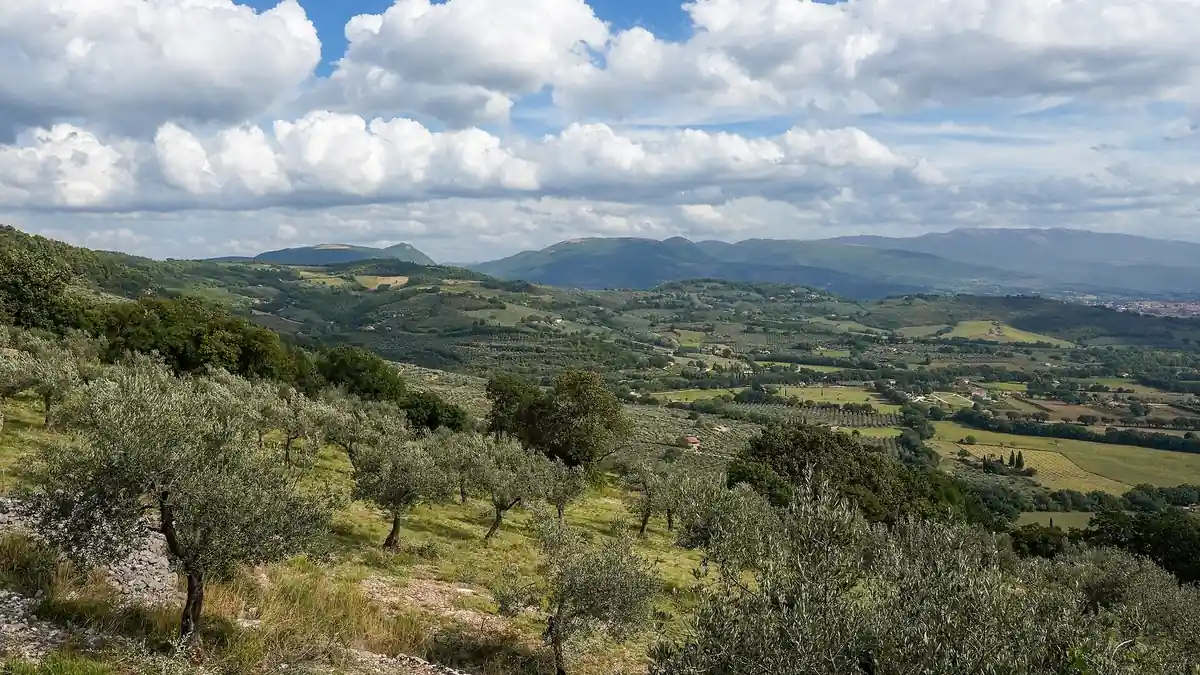
Stand in an old Mediterranean grove at midday and the light seems to shimmer. Silvery leaves flip in the breeze, and gnarled trunks cast cool pools of shade. That timeless scene belongs to one tree, the Olea europaea olive tree. Indeed, few plants combine beauty, history and usefulness so completely. This guide explores the tree in depth, from its botany to its famous fruit. You will meet the best-known varieties and learn exactly where the tree thrives. Finally, you will also find simple care routines and a clear look at olive tree benefits.
The olive rewards patience rather than fuss. It grows slowly, tolerates drought and asks mainly for sunshine and sharp drainage. In return, it can live for centuries and still bear fruit. Gardeners love it as an ornamental olive tree with year-round structure. Cooks prize it for table olives and golden extra virgin olive oil. So one species serves the kitchen, the landscape and local wildlife alike.
What Is Olea europaea?
Olea europaea is a subtropical evergreen tree in the Oleaceae family. Botanists call it the type species of the genus Olea. The same family also includes lilac, jasmine, forsythia and ash. The genus name comes from the Latin word for olive. Meanwhile, the epithet europaea simply means European. Together, the name translates plainly as the European olive.
The wild olive, often called the oleaster, still grows around the Mediterranean Basin. Cultivated forms descend mainly from eastern Mediterranean stock. Growers have selected and grafted favourite trees for thousands of years. As a result, hundreds of named cultivars exist today. Some suit oil production, while others suit the table. A few stay almost fruitless and serve purely as ornamentals.
The Botany Behind the Silvery Leaves
Overall, a mature tree usually stays short and broad rather than tall. Most garden trees reach roughly twenty to thirty feet with age. The trunk becomes twisted and deeply furrowed over time. Young bark looks smooth and grey, yet old bark turns rugged. Gardeners prize that sculptural trunk as much as the fruit. In fact, very old specimens often become hollow and still keep growing.
Why do olive leaves look silver underneath?
Each leaf is narrow, leathery and shaped like a slim lance. The upper surface shows a deep grey-green colour. The underside, however, carries tiny pale scales that look silvery. Those scales reduce water loss under hot sun. They also help the leaf reflect harsh light. So the two-tone foliage flashes silver whenever wind lifts the canopy. That shimmer gives an evergreen olive tree its unmistakable Mediterranean character.
How do olive flowers turn into fruit?
Small creamy-white flowers open in late spring along the branches. Each cluster carries many tiny, lightly fragrant blooms. Wind does most of the pollination work, not bees. Cool winter weeks beforehand help the tree set flower buds. The fruit itself is a drupe, like a cherry or peach. It starts green, then ripens through purple to black. Inside sits one hard stone surrounded by oily flesh.
A Tree Older Than Most Empires
Few cultivated plants share the olive tree lifespan story. Farmers in the eastern Mediterranean domesticated wild olives several thousand years ago. Gradually, groves spread through trade, migration and conquest. For instance, Crete grew famous for early olive cultivation in the Bronze Age. Later, Greek colonists carried cuttings across the sea. Roman growers then expanded planting throughout their empire.
What did the olive mean to Greeks and Romans?
Greek culture treated the olive as sacred and deeply symbolic. An olive branch signalled peace, wisdom and prosperity. Victorious athletes at the ancient Olympic Games received olive wreaths. Roman households relied on olive oil for cooking and lamps. They also used the oil for soap, grooming and trade. So the tree fed daily life and ceremony at the same time.
That heritage still shapes Mediterranean identity today. Villages celebrate harvest festivals around ancient, still-bearing groves. Travellers exploring the best places to visit in Greece often walk past terraced olive hillsides. Likewise, groves define whole landscapes across places to visit in south-east Spain, where dry hills suit the tree perfectly. An old olive, therefore, works like a living monument. It links modern growers with farmers from long-vanished civilisations.
Well-Known Olive Tree Varieties
Choosing among olive tree varieties starts with your goal. Oil makers want high oil content and reliable harvests. Table growers want large, fleshy fruit that cures well. Ornamental growers may prefer compact or nearly fruitless forms. The table below compares four famous cultivars at a glance. Short notes after the table add flavour and habit details.
| Cultivar | Main use | Fruit character | Known for |
|---|---|---|---|
| Arbequina | Oil | Small, round, early ripening | Hardiness and compact growth |
| Koroneiki | Oil | Very small, abundant | Intensely flavoured Greek oil |
| Frantoio | Oil | Medium, oval | Classic Tuscan oil character |
| Manzanilla | Table | Large, round, fleshy | Famous Spanish green olives |
Arbequina, the friendly all-rounder?
The Arbequina olive tree comes from Catalonia in Spain. It grows more compactly than many traditional cultivars. Its small fruit ripens early and yields mild, fruity oil. Because the tree tolerates cooler weather better than most, beginners often choose it first. Container growers also favour its manageable size. Pruning keeps it tidy in a large pot for years.
Koroneiki, the king of Greek oil?
Greece built much of its oil reputation on the Koroneiki olive. In particular, the tree produces heavy crops of very small fruit. Those tiny olives hold rich, peppery oil of high quality. Koroneiki suits warm, dry sites with lean soil. It fruits young compared with slower traditional types. Home growers, however, need patience at harvest, since small fruit takes longer to pick.
Frantoio and Manzanilla, two classic choices?
Italy gave the world Frantoio, a cornerstone of Tuscan oil blends. Its oil tastes green, fresh and pleasantly pungent. The tree grows upright and fruits reliably in warm districts. Spain, in contrast, made Manzanilla famous at the table. Butchers and grocers prize its plump green fruit for stuffing and snacking. Manzanilla also presses into oil, yet curing rewards growers more. Both cultivars, notably, prefer mild winters and long summers.
Where Do Olive Trees Grow Best?
Learning how to grow an olive tree is mostly about climate matching. The species loves hot, dry summers and mild, wet winters. Most guides place olive tree hardiness zones at eight to ten outdoors. Some hardier cultivars survive in sheltered spots in zone seven. Once established, a mature drought tolerant olive tree shrugs off long dry spells. Young trees, though, still need regular water while roots establish.
How much sun and warmth does an olive tree need?
Full sun drives healthy growth and good fruiting. Ideally, aim for at least six hours of direct light daily. The tree also needs a cool winter spell to flower well. Several weeks of chilly nights encourage strong bud formation. Extreme cold remains the main limit for gardeners. Hard frosts can damage foliage, and severe freezes can kill wood. So northern growers should plan winter protection from the start.
What soil and drainage suit olive trees?
Olives accept poor, rocky and even fairly lean soils. They dislike one thing above all else: waterlogged ground. Soggy roots invite root rot and steady decline. Plant in well-drained soil, whether sandy, loamy or gravelly. A slightly alkaline to neutral soil usually suits them well. Heavy clay needs generous grit or a raised bed. Raised planting, consequently, saves many trees in wet districts.
Growing Olive Trees in Containers
Growing olive trees in containers suits patios, balconies and cold regions. A pot lets you chase the sun through the seasons. It also lets you shelter the tree during hard frosts. Choose a sturdy container with generous drainage holes. Use a gritty, free-draining compost mix rather than rich garden soil. Repot every few years as roots fill the space.
Container trees dry out faster than trees in open ground. Water them deeply, then let the mix partly dry. Feed lightly during the growing season with a balanced fertiliser. A sunny courtyard often keeps a potted olive happy for decades. During severe cold, move the pot against a sheltered wall. Wrap the container if roots risk freezing solid. Such simple steps protect the tree through most winters.
A Simple Olive Tree Care Calendar
Good olive tree care follows the seasons rather than the clock. The rhythm below keeps tasks light and timely. Each season asks for a few focused jobs only. None of them demands specialist equipment or chemicals.
- Spring: Prune lightly, feed the tree and watch new growth.
- Summer: Water young trees deeply during long dry spells.
- Autumn: Harvest fruit as it colours, and clear fallen olives.
- Winter: Protect pots from hard frost and check drainage.
How should you water and prune an olive tree?
By contrast, established trees in the ground need little extra water. Deep, occasional watering beats frequent shallow sprinkles every time. Olive tree pruning usually happens in late winter or spring. Remove crossing, dead or crowded branches first. Open the centre so light reaches inner wood. Avoid heavy pruning in one year, since fruit forms on younger growth. Gentle annual shaping keeps both harvest and form in balance.
Which problems trouble olive trees most often?
Healthy olives suffer few serious pests in most gardens. Scale insects sometimes settle on stems and leaves. Olive knot and verticillium wilt appear occasionally in some regions. Root rot, notably, follows poor drainage more than any pest. Good airflow and dry roots prevent most trouble. Check leaves during routine watering and act early. Early attention, indeed, stops small problems becoming big ones.
The Benefits of Olive Trees
The benefits reach far beyond a single harvest. One tree can feed a household and shade a terrace. It can also shelter birds and enrich poor soil. Growers who teach sustainable farming and garden education often use olives as a teaching example. The tree demonstrates low-input growing better than almost any crop.
Why does olive oil anchor the Mediterranean table?
Pressing ripe olives produces olive oil, the region’s defining cooking fat. Cooks drizzle extra virgin olive oil over salads, breads and grilled vegetables. They also fry, roast and bake with milder grades daily. Nutrition experts widely value olive oil in the Mediterranean diet. That eating pattern emphasises vegetables, grains, legumes and seafood. Olive oil simply fits that balanced pattern as the main fat. Table olives, meanwhile, need curing before anyone eats them. Raw fruit tastes intensely bitter straight from the branch. Home curing with brine turns it into a savoury staple. Fans of homemade preserves, like an applesauce food mill recipe, often enjoy the slow process. A well-stocked kitchen, perhaps with a quality entertainer pack for the kitchen, makes serving cured olives easy.
How do olive trees help wildlife and the land?
Evergreen canopy gives birds shelter through every season. Flowers feed pollinating insects during late spring. Fallen fruit feeds ground-foraging birds and small mammals. Deep roots also stabilise dry, sloping ground against erosion. Groves on terraces hold hillsides together for generations. Writers praising environmental protection work often cite such long-lived plantings. A tree that stores carbon for centuries earns that praise honestly.
What makes the olive such a fine ornamental tree?
Silvery foliage contrasts beautifully with dark green planting. The twisted trunk adds sculpture even in winter. Olives suit courtyards, gravel gardens and Mediterranean-style borders. They also tolerate clipping into hedges or simple topiary shapes. Potted specimens frame doorways with instant old-world character. Beyond the garden, olive wood serves craftspeople well. Its dense, golden grain suits bowls, boards and fine furniture. Anyone choosing the best wood for painted furniture meets olive among the characterful options. Pruned branches, therefore, rarely go to waste.
Frequently Asked Questions
How long does an olive tree live?
Notably, olive trees rank among the longest-lived fruit trees anywhere. Many grove trees pass several centuries in good health. Some famous Mediterranean specimens claim ages beyond a thousand years. Exact ages stay hard to prove in hollow trunks. Still, a well-sited tree easily outlives its planter. Planting one genuinely creates a legacy for grandchildren.
How fast does an olive tree grow?
Growth stays slow to moderate in most gardens. Young trees add modest height each year. Good sun and water speed early growth noticeably. Container trees grow more slowly than ground-planted ones. Fruiting often begins within a few years on grafted trees. Patience, overall, defines successful olive growing.
Can one olive tree produce fruit on its own?
Many cultivars are self-fertile and fruit without a partner. A second, different cultivar often improves yields, though. Cross-pollination increases fruit set in many orchards. Wind carries the pollen between nearby trees. Single specimen trees still crop in most home gardens. Small harvests, admittedly, beat no harvest at all.
Why is my olive tree dropping leaves?
Leaf drop usually signals stress rather than disease. Sudden cold, waterlogged roots or deep shade cause most cases. Indoor trees often react to dry winter heating. Check drainage first, then review light and watering. Healthy trees replace dropped leaves with fresh spring growth. Persistent drop, however, deserves a closer inspection.
Are raw olives edible straight from the tree?
Indeed, raw olives taste extremely bitter and unpleasant. A natural compound in the flesh causes that harshness. Curing in brine, water or lye removes the bitterness. Only cured olives become the familiar savoury snack. Never judge a homegrown harvest by raw fruit. Cure a small batch first and taste the difference.
How cold can an olive tree survive?
Mature trees tolerate light frost without lasting damage. Prolonged hard freezes can split bark and kill branches. Young trees and potted trees suffer cold sooner. Thresholds vary by cultivar, age and exposure. Sheltered walls and fleece covers add vital protection. In borderline climates, containers remain the safest choice.
Few trees ask so little and give so much. In short, an olive brings history, flavour and silvery beauty into one planting. Give it sun, drainage and time, and it will repay you for decades. Your grandchildren may still harvest beneath its branches.