
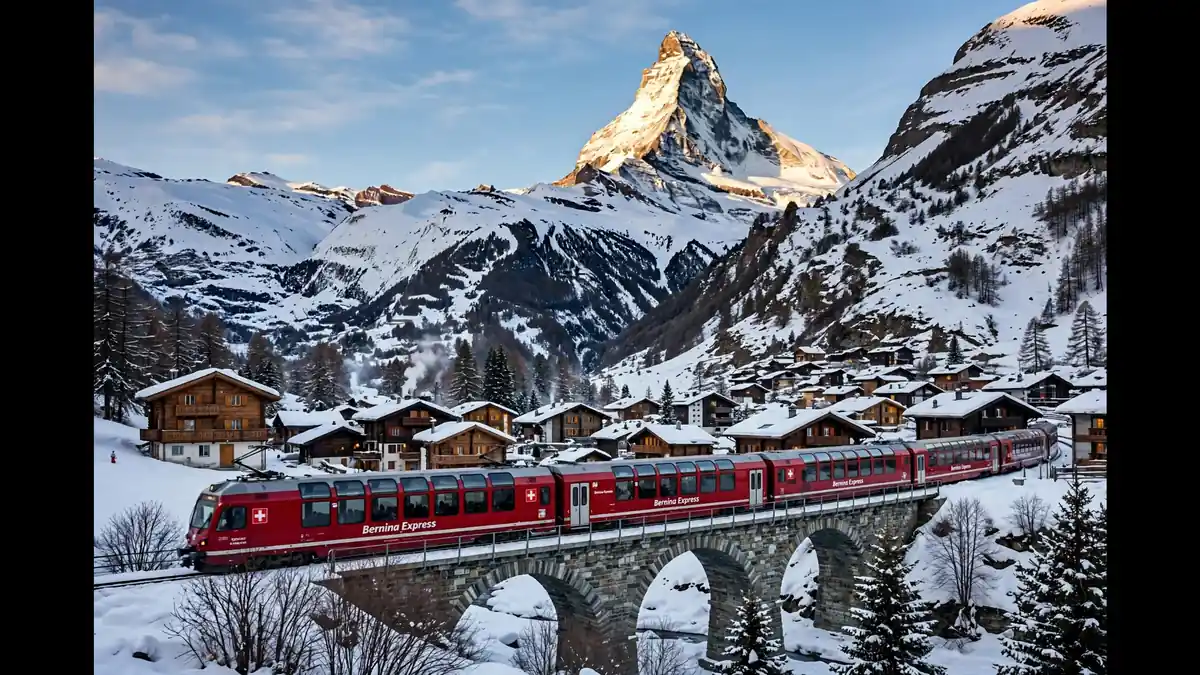
If you only pick one winner, then Zermatt is the best place in Switzerland to visit in winter. However, the honest answer depends on how you travel. For example, skiers, families, and Christmas market fans rarely want the same base.
In fact, Switzerland in winter rewards choosing well more than choosing famously. So this guide compares six strong contenders head to head first. Then it gives each place a fair hearing, with trains, budgets, and non-ski days included.
Still, one rule shapes everything below. Switzerland is expensive, and pretending otherwise helps nobody. As a result, every pick here comes with an honest budget level, not a fantasy one.
How Do You Choose the Best Place in Switzerland to Visit in Winter?
Start with your main activity, because that choice narrows the map fast. Do you want steep skiing, gentle sightseeing, or festive city streets? For example, Verbier thrives on hard skiing, while Lucerne suits slow sightseeing far better.
Next, decide how much village charm matters to you. Some travellers dream of car-free lanes and wooden chalets under snow. Meanwhile, others prefer a real town with museums, shops, and cheaper beds nearby.
Then check the train map, since Switzerland runs beautifully by rail. In fact, most contenders below need no car at all. So a scenic rail journey can become part of the holiday, not just transport.
If you love comparing big trips, then our guide to 15 places to visit in the world shows how Switzerland stacks up globally. However, winter here has a magic that summer rankings simply cannot capture.
The Six Contenders at a Glance
The table below compares the leading options on the things that actually decide a trip. So you can spot your likely winner in seconds. Then the detailed sections explain the story behind each short verdict. Together, they cover the best places to visit in Switzerland in winter for almost every travel style.
| Place | Best For | Vibe | Ski Level | Budget Level | Car-Free? |
|---|---|---|---|---|---|
| Zermatt | First-timers and Matterhorn views | Romantic, iconic village | All levels, strong advanced | High | Yes, fully |
| St. Moritz | Luxury and winter events | Glamorous, sunny, polished | Intermediate and advanced | Very high | No, but train-friendly |
| Grindelwald and Interlaken | Scenery and variety | Classic, dramatic, lively | Beginner to advanced | Mid to high | Partly, Wengen is car-free |
| Davos | Long ski days and value | Busy alpine town | Intermediate and advanced | Mid to high | No |
| Verbier | Expert skiing and nightlife | Energetic, international | Advanced and expert | High | No |
| Lucerne | Non-skiers and city comfort | Historic, lakeside, calm | Day trips only | Mid | Old Town is walkable |
Notice one pattern in that table, though. Higher altitude usually means better snow, but it also means higher prices. As a result, the smartest pick often balances snow reliability against your real spending limit.
Zermatt: The Icon That Actually Delivers
Zermatt in winter sits beneath the Matterhorn, and that pyramid peak dominates everything. In fact, clear mornings here feel almost unreal, with pink light hitting the summit above silent streets. So even non-skiers often rate Zermatt as their favourite Swiss stop.
The village itself is fully car-free, so you walk everywhere or ride small electric taxis. Because of that, evenings feel calm, safe, and wonderfully old-fashioned. Horse-drawn sleighs still clip past wooden chalets, especially after fresh snow.
For skiers, though, Zermatt belongs firmly among the best Swiss ski resorts anywhere. Its high slopes hold snow reliably, and lifts climb toward the Matterhorn Glacier Paradise. Then confident skiers can even cross into Italy for lunch and return by afternoon.
Non-skiers still fill their days easily here. For example, the Gornergrat railway climbs to sweeping views of glaciers and the Monte Rosa massif. Meanwhile, winter walking trails, ice skating, and long fondue lunches keep slower days feeling rich.
Getting there takes a little patience, because the final leg runs by train from Täsch. However, that rail-only arrival protects the village atmosphere beautifully. So most visitors quickly decide the extra change of trains was worth it.
Budget honesty matters most in Zermatt, though. Hotels and mountain restaurants sit at the top end of Swiss pricing, even by local standards. Still, self-catering apartments and weekday visits can soften the bill noticeably.
St. Moritz: Sunshine, Glamour, and a Frozen Lake
St. Moritz in winter is the original alpine luxury resort, and it still wears that crown confidently. In fact, winter tourism itself was popularised here more than a century ago. So the resort mixes real sporting history with serious glamour.
The setting helps enormously, because the Engadin valley gets generous sunshine through winter. Then the frozen lake becomes a stage for horse racing, polo, and skating. As a result, a stay here feels like an event season, not just a ski week.
Skiing on Corviglia and Corvatsch suits intermediates particularly well. However, strong skiers also find steep, satisfying terrain above the town. Meanwhile, cross-country trails and winter walks spread across the flat, sunny valley floor.
Beyond the slopes, though, the pleasures turn unapologetically indulgent. Designer shops line the centre, and grand hotels serve afternoon tea like a ceremony. For example, a slow spa afternoon here can rival any day on the mountain.
Trains reach St. Moritz via Chur, and the ride itself is a highlight. In fact, the Albula line twists through spiral tunnels and over the Landwasser Viaduct. So arriving by rail feels like a scenic tour before the holiday even starts.
Unsurprisingly, this is the priciest contender on the list. Still, smaller guesthouses in nearby villages like Celerina can cut costs while keeping the same ski area. Because of that trick, St. Moritz is not only for the very rich.
Grindelwald and Interlaken: Big Scenery, Flexible Bases
The Jungfrau region offers the most dramatic scenery in the Swiss Alps in winter. In fact, Grindelwald sits directly beneath the north face of the Eiger. So the village delivers huge mountain drama without Zermatt-level prices.
Grindelwald itself suits skiers who want variety across a wide, linked area. Beginners get gentle nursery slopes, while stronger skiers head toward Wengen and Mürren. Then sledging runs add pure fun, especially the long descents back toward the village.
Non-skiers, however, may love this region even more. For example, the Jungfrau railway climbs through the Eiger to Jungfraujoch, the famous Top of Europe station. Meanwhile, winter hikes and the Grindelwald First gondola keep sightseeing days full.
Winter in Interlaken, just down the valley, works differently. The town sits between two lakes, Thun and Brienz, and it connects trains in every direction. As a result, Interlaken makes an excellent flexible base for day trips.
Still, Interlaken lacks the cosy village feel of Grindelwald itself. So many travellers sleep in Grindelwald for atmosphere, then use Interlaken purely as a transport hub. Because both sit on the same rail line, switching between them is easy.
If you enjoy pairing mountain trips with city history, then our guide to the best historical places to visit in UK trips makes a fine contrast. However, few places anywhere match this region for sheer winter theatre.
Budget-wise, this area lands in the middle of the Swiss range. Grindelwald hotels cost plenty in peak weeks, though Interlaken usually offers cheaper beds. So flexible travellers can balance scenery and savings quite cleverly here.
Davos: The Working Giant of Swiss Skiing
Davos is one of Europe’s highest towns, and it feels more like a small city than a village. In fact, that size brings real advantages for longer stays. So skiers who hate feeling trapped in a tiny resort often prefer Davos.
The skiing spreads across several separate areas, with Parsenn the best known. Because the terrain favours intermediates, confident improvers can roam for days without repeating runs. Then the neighbouring village of Klosters adds a quieter, prettier base nearby.
Beyond skiing, though, Davos offers ice hockey, a large ice rink, and busy evening streets. Meanwhile, the annual World Economic Forum briefly transforms the town each January. As a result, that specific week is best avoided unless you enjoy security checkpoints.
Trains from Zurich reach Davos via Landquart, and the journey climbs steadily into high country. In fact, the final stretch feels properly alpine, with snow deepening at every station. So the arrival builds anticipation in a way driving rarely does.
For adventure-first travellers, Davos pairs well with the spirit of our best adventure places to visit in USA guide. However, Davos keeps everything compact, because lifts, beds, and bars sit within one valley.
On price, Davos usually undercuts Zermatt and St. Moritz for comparable stays. Still, it is no bargain, since Swiss costs apply everywhere here. Guest cards covering local transport, though, add genuine value for longer visits.
Verbier: For Strong Skiers Who Like a Party
Verbier anchors the vast Four Valleys ski area, and its reputation rests on challenging terrain. In fact, expert skiers travel here specifically for steep off-piste routes like Mont Fort. So this is not the gentlest place to learn.
The village, however, has grown into a lively, international scene. Chalets climb the sunny slopes above the main square, and après-ski starts early. Then evenings stretch long, because restaurants and bars here take nightlife seriously.
Beginners are not excluded, though. Gentle slopes sit near the village, and ski schools here are excellent. Still, a nervous first-timer will probably progress happier in Grindelwald or Davos.
Non-skiers can ride gondolas for panoramic lunches, try snowshoe walks, or simply enjoy the views. For example, a clear day reveals both Mont Blanc and the Matterhorn from high viewpoints. Meanwhile, spa hotels handle rest days very comfortably indeed.
Getting to Verbier means a train to Le Châble, then a gondola or bus up to the resort. Because Geneva airport is the natural gateway, international arrivals are straightforward. As a result, Verbier suits short, intense ski breaks particularly well.
Prices run high, especially for catered chalets in peak season. However, staying down in Le Châble and riding up daily can reduce costs meaningfully. So Verbier rewards planners who book beds and lift passes early.
Lucerne: The Best Pick If You Barely Ski
Lucerne in winter proves that a Swiss winter trip does not need a ski resort at all. In fact, its medieval Old Town looks magical under light snow. So photographers and slow travellers often rank Lucerne first overall.
The Chapel Bridge, the Lion Monument, and the painted Old Town houses reward unhurried wandering. Meanwhile, the lake steamer still runs in winter, gliding past snowy shores. As a result, a Lucerne day mixes culture, scenery, and comfort effortlessly.
Mountain days remain easy, because Mount Pilatus and Mount Rigi sit close by. Then Engelberg and Mount Titlis, with its revolving cable car and glacier, are also reachable. So Lucerne quietly offers things to do in Switzerland in winter for every energy level.
Switzerland Christmas markets add another strong reason to come in December. Lucerne’s festive stalls and lights fill the Old Town with glühwein and roasted chestnuts. However, Basel and Zurich run even bigger markets, and both are simple train rides away.
For festive-trip inspiration beyond Europe, our guide to the best place to visit for New Year’s in USA celebrations makes fun reading. Still, a snowy Lucerne evening has a quieter charm that big parties rarely match.
Trains connect Lucerne directly with Zurich airport, so arrivals feel effortless. Because it is a real city, Lucerne also offers the widest range of hotel prices here. As a result, it is the easiest contender to fit into a mid-range budget.
When Should You Go, and How Long Do You Need?
The best time to visit Switzerland in winter depends on what you want most. December brings markets and festive lights, while January brings the deepest, coldest snow. Then February offers longer days, though school holidays fill the slopes.
For the best places to visit in Switzerland in December, think cities first and high resorts second. Basel, Zurich, Lucerne, and Montreux shine with markets, while Zermatt’s altitude guarantees early snow. Meanwhile, lower resorts can still look patchy in early December.
A smart Switzerland winter itinerary usually combines just two bases. For example, spend three nights in Lucerne, then ride the rails to Zermatt for four nights. As a result, you get city comfort and high-alpine drama in one trip.
Alternatively, link Zermatt and St. Moritz with a Glacier Express winter journey between them. That slow panoramic train crosses high bridges and snowy passes in one unforgettable day. So the journey itself becomes a headline experience, not dead time.
Seven to ten days suits most first trips comfortably. However, even five days works if you pick one base and explore by train. Because Swiss trains are punctual and frequent, short trips still feel relaxed.
If you are building a longer European route, then our best places to visit in Europe summer 2022 guide helps with wider planning. Meanwhile, couples may enjoy our best places to visit in Germany for couples ideas for a rail extension.
What Will a Swiss Winter Trip Actually Cost?
Let us be plain, because Switzerland is one of Europe’s most expensive countries. A mid-range winter day with hotel, food, and lifts can easily reach several hundred francs. So budgeting honestly from the start protects the whole trip.
However, costs vary hugely by base, as the comparison table showed. City hotels in Lucerne or Interlaken often cost far less than slope-side Zermatt chalets. Meanwhile, self-catering, picnic lunches, and weekday travel all trim spending further.
The Swiss Travel Pass deserves serious consideration, though. It covers trains, boats, and many buses, plus discounts on several mountain railways. As a result, it often pays for itself on a two-base itinerary.
Ski costs add up separately, in fact. Lift passes, rental gear, and lessons can rival the hotel bill in big resorts. So non-skiers, happily, dodge the single largest expense category entirely.
For a warmer contrast after the Alps, our best places to visit in Spain 2025 guide shows how far the same budget stretches there. Still, most visitors decide that Swiss winter quality justifies its premium once.
The Verdict: Best Picks by Traveller Type
Overall, Zermatt wins, because it combines the Matterhorn, reliable snow, and a storybook village. In fact, it is the one place that satisfies skiers and non-skiers equally well. So first-timers should simply start there and stop second-guessing.
For dedicated skiers, though, Verbier and Davos push Zermatt hard. Verbier wins on expert terrain and energy, while Davos wins on sheer variety across many areas. Meanwhile, St. Moritz remains the luxury pick, with sunshine and frozen-lake spectacle.
Families usually fare best in Grindelwald, because sledging, gentle slopes, and sightseeing share the load. Non-skiers, however, should choose Lucerne for culture, comfort, and easy mountain day trips. As a result, the right answer really does follow your travel style.
Budget travellers, finally, should base in Interlaken or Lucerne and day-trip upward. That strategy keeps beds cheaper while the same mountains stay within reach. Still, among the car-free ski resorts Switzerland is famous for, Zermatt remains the dream splurge.
Frequently Asked Questions
What is the single best place in Switzerland to visit in winter?
Zermatt is the best all-round answer, because the Matterhorn, car-free streets, and reliable snow combine perfectly. However, Lucerne suits non-skiers better, while Verbier suits expert skiers better. So match the winner to your own style first.
Is Switzerland worth visiting in winter if you do not ski?
Yes, absolutely, because scenic trains, Christmas markets, spas, and winter walks fill whole trips. For example, Lucerne plus a Glacier Express ride makes a wonderful non-ski itinerary. In fact, many visitors never touch skis and still return home delighted.
Which month is best for snow in Switzerland?
January and February usually bring the deepest and most reliable snow in the Alps. December, though, adds festive markets and lights that later months cannot match. As a result, skiers pick February, while festive travellers pick mid-December.
Do you need a car for a Swiss winter trip?
No, and in fact a car often becomes a burden in winter conditions. Trains reach every contender in this guide, and Zermatt bans cars entirely. So rail passes usually deliver a calmer, cheaper, and more scenic trip.
How many days do you need in Switzerland in winter?
Five days covers one base well, while seven to ten days covers two bases comfortably. For example, Lucerne plus Zermatt makes a balanced week-long route. Because trains are fast and frequent, even short trips feel surprisingly complete.
Is Switzerland too expensive for a winter trip?
It is expensive, though not impossible on a careful budget. City bases, self-catering, and rail passes all cut costs meaningfully, in fact. So plan the big expenses early, then enjoy the mountains without daily money stress.
In the end, the best place in Switzerland to visit in winter is the one that fits your style. Zermatt takes the crown overall, however, and few travellers leave it disappointed. So pick your base, book the train, and let the snow do the rest.



