
Summer turns Europe into a different continent. Days stretch past nine in the evening, café tables spill onto pavements, and even quiet villages seem to stay awake. The best places to visit in Europe in summer reward that long daylight.
This Europe summer travel guide skips the glossy countdown format, however. Instead, it judges each region like a verdict. Every region gets an honest call on heat, crowds, cost tier, and timing.
Use it to compare Europe summer destinations side by side, then pick the one that fits your travel style. June suits some regions beautifully. August suits others far less.
How Do June, July and August Actually Differ?
June is the sweet spot for most of the continent. The sea is warm enough for swimming in the south, and hotel prices still sit below peak levels. Wildflowers cover Alpine meadows, and northern cities enjoy their longest evenings of the year.
Deciding where to go in Europe in July starts with one honest question: how well do you handle heat? July brings the full festival calendar, the warmest seas, and the highest prices of the season. Southern cities regularly feel intense by midday, so sightseeing works best early or late. Families love July, however, because school holidays make group travel simple.
Europe in August is glorious and exhausting in equal measure. Beaches reach their warmest, yet famous resorts also reach their busiest and priciest. Many locals leave big cities for the coast, so some small restaurants and shops close. Smart travellers, therefore, pick August for islands and mountains rather than capital cities.
What About Late May and September?
Late May and September frame the season like bookends. May brings blossom, open terraces, and seas that still feel bracing in the north. September keeps the warmth, however, and drops the crowds almost everywhere. Harvest season fills wine regions with festivals, and southern water stays swimmable for weeks. Flexible travellers often rate these edges above peak summer itself, in fact.
How Should You Choose Your Region?
Start with heat, not with Instagram. A beach week in southern Spain and a hiking week in Austria ask for completely different tolerances. Next, be honest about crowds, because a famous old town at noon in August can drain anyone. Finally, set your cost tier early, since region choice changes your budget more than hotel choice does.
This guide uses three simple cost tiers throughout. Budget means guesthouses, local buses, and picnic lunches by the water. Mid-range means small hotels, a few guided tours, and dinners out most nights. Premium means design hotels, private boats, and the famous islands at their famous prices.
Trip style matters just as much. Some travellers want European city breaks in summer, with museums by day and terraces by night. Others want the best beaches in Europe and nothing more complicated than a towel. Both plans are valid, so the verdicts below judge each region on its own terms.
Trip length quietly decides the rest. A long weekend suits one city and its day trips, while two weeks can carry a coast and a capital. Rushing between five countries in seven days rarely ends well, however. Slow bases build local knowledge, and local knowledge finds the quiet beach, the honest bakery, and the sunset spot.
The Mediterranean Classics: Sun, Sea and Serious Crowds
The Mediterranean still defines the classic summer image, and honestly, it earns the hype. Warm seas, long lunches, and whitewashed villages explain the pull. Crowds and August prices are the trade-off, however, and each coast handles them differently.
Greek Islands: The Verdict for Island Hoppers
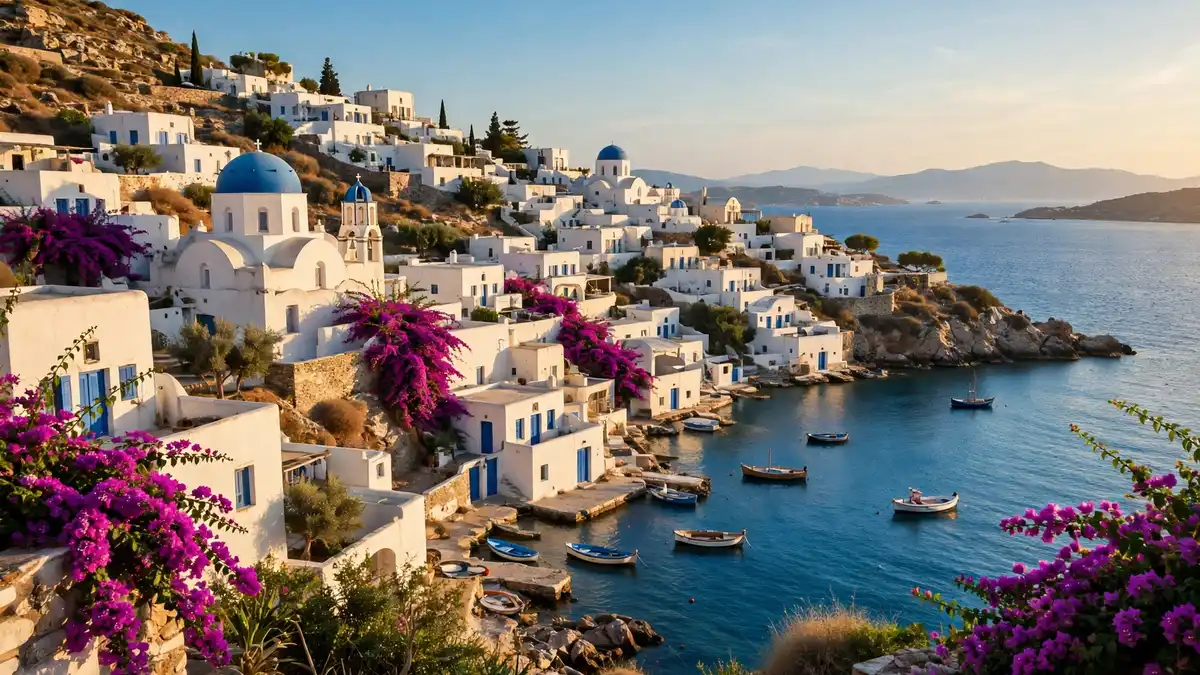
Greek islands in summer deliver the dream exactly as advertised. Santorini and Mykonos bring the glamour, the sunsets, and premium prices to match. Crete, Naxos, and Corfu give you space, family-run tavernas, and far kinder rates instead.
Go in June or September for the kindest version of the islands. Ferries run often, the sea stays warm, and tavernas still have time to chat. Our guide to what are the best places in Greece to visit compares the main islands in detail.
Croatia and the Adriatic: The Verdict for Swimmers and Sailors
Croatia pairs medieval old towns with some of the clearest water in Europe. Dubrovnik is stunning, yet it is also the coast at its most crowded and expensive. Split, Šibenik, and the islands of Vis and Korčula spread the same beauty more thinly.
Sailors and swimmers should aim for June, when the Adriatic feels fresh and harbours stay calm. July and August still work, however, if you book ferries and waterfront stays well ahead. Small ports reward walkers, because the best swimming spots often hide beyond the old town walls.
The Balearics and the Amalfi Coast: Premium, and Honest About It
Mallorca, Menorca, and Ibiza each play a different tune. Menorca stays quieter and greener, with coves that still feel local in midsummer. Ibiza pairs famous clubs with a calm, rural north of farm stays and silent beaches.
The Amalfi Coast is the premium tier in physical form. Positano and Ravello are breathtaking, and the prices, traffic, and steps all demand honesty. Base in Sorrento or Salerno instead, then visit the famous villages as day trips.
Sardinia, Corsica and Malta: The Verdict for Beach Purists
Sardinia serves some of the clearest water anywhere in the Mediterranean. Corsica mixes French polish with wild, mountainous interiors and far fewer resorts. Malta packs history into tiny distances, with stone cities above natural harbours.
Beach purists rate these islands among the best beaches in Europe, in fact. Go in June or September, however, because August fills even these quieter shores. Ferries and small airports make all three easy to reach from mainland hubs.
Iberia: Portugal and Spain Beyond the Brochures
Portugal gives western Europe its best value-to-beauty ratio. Lisbon brings tiled streets, Atlantic breezes, and evenings that stay pleasantly cool. The Algarve adds golden cliffs and surf towns, while the north stays greener and calmer.
Porto might be the perfect summer city, in fact. The riverfront glows late, port cellars pour generously, and beaches sit a short tram ride away. Start with our list of top places to visit in Porto, Portugal if the north tempts you.
The Algarve deserves its own honest note. Famous resort towns feel busy in August, yet the western coast near Sagres stays wild and windy. Surfers love that edge, while families prefer the sheltered coves around Lagos and Tavira.
Spain Beyond the Costas: The Verdict for Food Lovers
Spain rewards anyone who looks past the packed costas. San Sebastián serves arguably the best food in the country, and its bay stays cooler than the south. Galicia and Asturias offer green hills, wild beaches, and crowds that feel local.
Inland cities need a heat warning, however. Seville, Córdoba, and Madrid can feel fierce in July and August, so plan museums for midday. Our route through the most important places to visit in Spain with cultural and historical significance works best in June.
France and Italy in Depth: Go Slower, Go Slightly Sideways
France in summer splits into two trips. Paris and the Riviera take the crowds, while Provence, Languedoc, and the Atlantic coast take the connoisseurs. Lavender peaks around late June, so Provence belongs early in the season.
Montpellier makes a smart southern base, with student energy and beaches nearby. Our guide to the best places to visit in Montpellier, France shows the old town at its best. Near the capital, the best places to visit in Ile de France add palaces and gardens beyond central Paris.
For classic summer holidays in Europe, few countries compete with Italy. The country asks for the same sideways thinking as France. Rome and Florence are magnificent, yet both bake in August and reward dawn starts. Puglia, Sicily, and Umbria deliver the food and history with more breathing room instead.
Summer in the Alps: The Cool-Headed Alternative
Summer in the Alps swaps heat stress for wildflower meadows and cold, clear lakes. Cable cars built for skiers become hiking lifts, and villages fill with walkers instead of queues. Temperatures stay kind, so this is the region for active travellers and light sleepers.
Switzerland runs the premium tier, with flawless trains and prices to match. Austria offers a similar landscape at a mid-range tier, plus lake towns made for swimming. Compare routes with our guide to the top places to visit in Switzerland in summer before you choose.
Lake swims replace sea swims here, and honestly, many travellers prefer the trade. Mountain weather changes fast, however, so pack layers even in the warmest weeks. Evenings cool down beautifully, and sleep comes easily without air conditioning.
The Dolomites and Slovenia: The Verdict for Hikers
Italy’s Dolomites add drama to the Alpine story. Pale rock towers glow pink at sunset, and rifugi serve dumplings at altitude. Slovenia’s Julian Alps offer a similar thrill at a mid-range tier, with Lake Bled and Lake Bohinj below.
Hikers should still respect afternoon storms in the high Alps. Start early, book popular huts ahead, and keep one valley day spare for weather. The reward is Europe at its freshest, with cowbells instead of beach clubs.
The Nordics: Midnight Sun and Room to Breathe
Northern Europe flips the summer script completely. Norway opens its fjords to hikers, kayakers, and road trippers under near-endless daylight. Around the summer solstice, the midnight sun means you can hike at midnight in shirtsleeves. For travellers who wilt in heat, these are quietly the best summer destinations in Europe.
The honest trade-offs are cost and weather. Norway and Iceland sit firmly in the premium tier, and rain can arrive in any month. Denmark and southern Sweden soften both issues, with design cities, beaches, and milder prices.
City lovers get a gentle version of summer here. Copenhagen and Stockholm fill their harbours with swimmers, food markets, and long, golden evenings. Daylight does the heavy lifting, so even a simple picnic by the water feels like an event.
Iceland plays a different summer game entirely. Waterfalls run at full power, highland roads open, and puffins crowd the coastal cliffs. Finland answers with lake cabins, sauna evenings, and forests that never fully darken.
Central and Eastern Europe: The Value Verdict
The cheapest summer destinations in Europe cluster in the centre and east. Budapest mixes grand boulevards, thermal baths, and ruin bars at mid-range prices or lower. Our list of the top ten places to visit in Budapest covers the baths and bridges first.
Prague and Kraków deliver storybook old towns without storybook bills. Both reward early risers, because day-trip crowds fill the main squares by late morning. Evenings belong to locals again, however, and beer gardens make the wait pleasant.
Albania is the rising star of the Mediterranean. The Riviera around Saranda and Himara offers Ionian water at budget-tier prices. Start with the best places to visit in Vlorë, Albania for beaches, castles, and a working port town.
What Does a Summer Trip Cost in Each Tier?
Forget single price tags, because Europe refuses to fit them. A budget trip leans on guesthouses, markets, trains booked early, and free beach days. Mid-range travellers add small hotels, a boat day, and restaurants most evenings. Premium travellers buy location, privacy, and the famous names in peak weeks.
Region choice moves the tier more than willpower does. A premium week in Albania can cost less than a budget week in Santorini. Choose the region first, therefore, and let the tier follow honestly.
How Can You Survive Heat Waves and Peak Crowds?
Heat waves now reach even northern Europe some summers. The good news is that locals have a system, and it works anywhere.
- Sightsee early, swim at midday, and return to the streets after seven.
- Book timed tickets for famous sights, and keep one unscheduled day each week.
- Choose stays with shutters or air conditioning, and check this before paying.
- Carry water, a hat, and sunscreen, and refill at public fountains in cities.
- Pick the second-most-famous beach, and walk ten minutes past the main access point.
Trains beat short flights for most regional hops, in fact. Stations sit in city centres, and the journey becomes part of the holiday. Ferries need the same early booking as flights in July and August.
When Should You Book, and What Comes First?
Peak summer rewards planners, honestly. Flights and the best-located stays usually deserve booking three to six months ahead. Famous island hotels and Alpine resorts can sell out even earlier.
Book ferries, sleeper trains, and timed museum entries next. Restaurants and local tours can wait until the week itself in most regions. September travellers gain the most flexibility, since demand drops while the sea stays warm.
Shoulder edges reward the same planning in reverse. Late September in the south still means swimmable seas and open beach clubs. Book the stay early, however, and leave restaurants and boat days flexible. Prices soften weekly then, so a small delay can improve the tier.
Frequently Asked Questions
What Is the Best Month for a Summer Trip to Europe?
June wins for most travellers. Days are long, seas are warming, and prices sit below the August peak. The best places to visit in Europe in June include the Greek islands, Provence, and the Alps. September runs a close second, with warm water and calmer towns.
Where Should You Go in Europe in July?
Choose water or altitude in July. Islands, Atlantic coasts, and Alpine valleys handle the heat best. Cities still work, however, if you sightsee early and rest at midday.
Is Europe in August Really That Crowded?
In the famous places, yes, honestly. Beaches near big resorts fill by late morning, and old towns peak at midday. Smaller islands, inland villages, and northern regions stay far calmer, however.
What Are the Cheapest Summer Destinations in Europe?
Albania, inland Portugal, and Central Europe lead on value. Budapest, Kraków, and the Albanian Riviera stretch a mid-range budget furthest. Coastal Croatia and rural Greece also undercut the famous western resorts.
How Many Regions Should You Combine in One Trip?
Two regions suit most trips of ten days or more. Travel days eat sightseeing time, and bases reward depth over bragging rights. One coast plus one city, or one island plus the Alps, works beautifully.
Do You Need a Car for a Summer Trip to Europe?
Cities and island capitals manage fine without one. Rural Provence, the Algarve, and the Norwegian fjords reward a car, however. Trains cover the classic routes superbly, so rent only for the rural stretch.
What Should You Pack for a Summer Trip to Europe?
Pack for two seasons, honestly. Light layers handle Alpine evenings and northern rain, while linen and sandals cover the south. A refillable bottle, a hat, and comfortable walking shoes earn their space daily. Leave room for market finds, because summer sales tempt even strict packers.
So, Which Region Wins Your Summer?
No single region wins for everyone, and that is the honest verdict. Match the heat to your tolerance, the crowds to your patience, and the tier to your wallet. Do that, and summer in Europe stops being a gamble and becomes a plan. That match is what turns a trip into one of the best European summer holidays you will ever take.



