
Picture a business twenty years ago. Its marketing lived in print adverts, trade shows and a sales team with a phone book. Customers, meanwhile, learned about products slowly and compared very few options. A campaign, once printed, could not be changed or measured with any real precision.
Now picture that same business today. Its customers, however, research on phones, watch product videos and read reviews before they ever call. Messages change in hours, not months. Indeed, every click leaves a trace that a smart team can learn from.
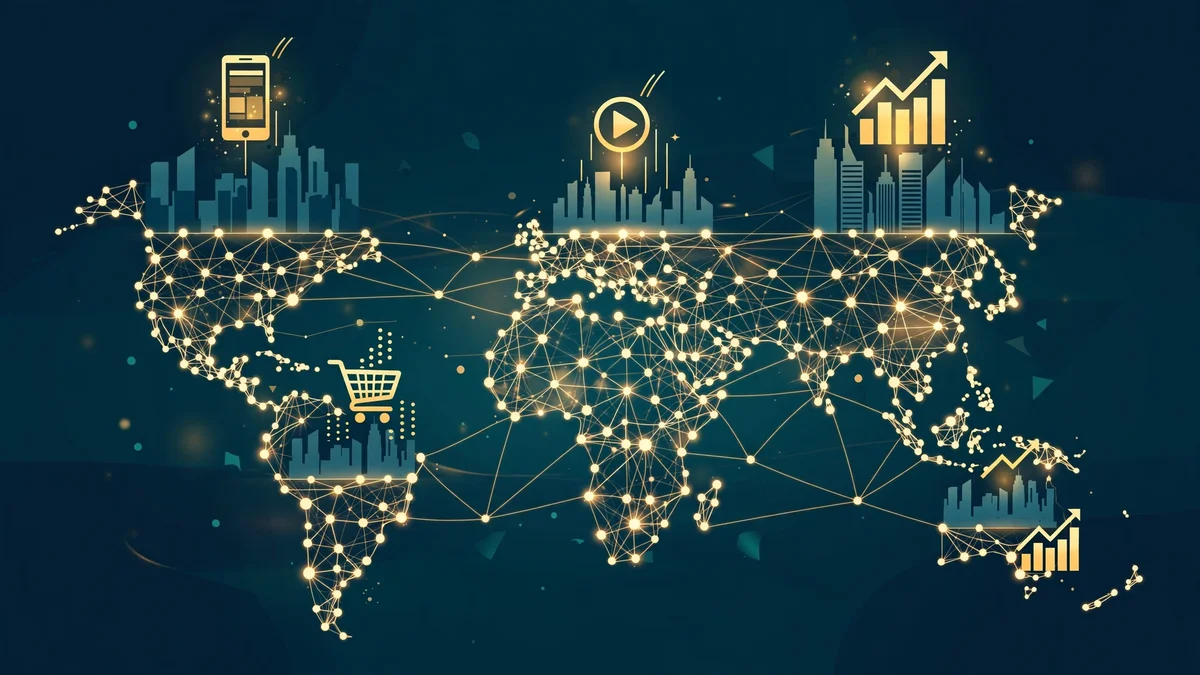
This contrast is the heart of digital transformation in business marketing. Technology has not simply added new channels to an old system. Instead, it has changed how firms find customers, win trust and earn revenue. So the real question is no longer whether a business goes digital. The real question is how deeply digital thinking reshapes the whole business.
What does digital transformation in business marketing actually mean?
Digital transformation in business marketing means rebuilding marketing around digital tools, data and customer behaviour. It covers far more than launching a website or opening social accounts. In fact, it changes planning, spending, teamwork and measurement at the same time.
A transformed firm treats its website, search presence and customer data as core assets. Campaigns, therefore, start from evidence about real behaviour rather than habit or guesswork. Teams test ideas quickly and drop weak ones early. As a result, marketing stops being a yearly plan and becomes a daily learning system.
How is this different from simply using digital tools?
Many firms use digital tools without transforming anything at all. They post on social media, yet their decisions still follow old routines. Data sits in separate systems that nobody joins together. However, transformation joins those pieces into one connected way of working.
Think of it as the difference between owning instruments and playing as an orchestra. Tools alone make noise in separate corners. When systems, skills and goals align, the same tools produce music. That alignment, ultimately, is what separates leaders from laggards.
How have marketing channels shifted from broadcast to digital-first?
Traditional marketing pushed one message towards a broad audience and hoped it landed. Television, radio and print offered reach, but feedback arrived slowly and vaguely. Digital-first marketing strategy works in the opposite direction. It starts where customers already search, scroll and ask questions.
Search engines now act as the front door for countless buying journeys. A firm that answers real questions well can meet buyers at the exact moment of need. Social platforms, meanwhile, let brands join conversations rather than interrupt them. Content, email and messaging apps then keep that conversation alive over time.
- Search visibility brings in people who are actively looking for a solution.
- Social media builds familiarity, proof and community around a brand.
- Content marketing earns trust by teaching before it tries to sell.
- Email and messaging keep direct contact without paying for every touch.
- Paid media fills gaps fast when a firm needs reach or testing speed.
None of these channels works best in isolation. For example, a video may create interest, while search captures the follow-up question it triggers. Email then turns that early interest into a first purchase. Because channels feed each other, smart firms plan journeys instead of isolated posts.
Why has the customer journey become so fragmented?
Buyers rarely move in a straight line from advert to checkout any more. They might see a product on a phone, research it later on a laptop and buy in a store. Friends, reviews and creators influence each step along the way. Therefore, a brand must stay consistent across many small moments.
This fragmentation rewards firms that show up helpfully and often. It punishes firms that appear once and then vanish. Consistency, in short, has become a form of visibility in itself.
Why does data now sit at the centre of marketing?
Every digital interaction produces signals about what people want and when they want it. Clicks, searches, watch time and purchases all tell part of the story. When firms connect those signals, they stop guessing and start learning. Data-driven marketing thus turns opinion-led debates into testable questions.
Good data habits begin with clean, joined-up records of customer behaviour. A first-party data strategy matters here, because firms increasingly rely on information customers share directly. Consented email lists, purchase histories and loyalty accounts all qualify. Such data lasts longer and raises fewer privacy concerns than borrowed tracking.
How does personalisation change what customers experience?
Personalisation means shaping messages, offers and timing around individual behaviour. A returning visitor might see products linked to earlier browsing. A loyal customer, for instance, could receive early access instead of a generic discount. These small touches signal that a brand pays attention.
Marketing personalisation at scale was impossible in the print era. Software now segments audiences, adapts content and triggers follow-ups automatically. Still, relevance must stay respectful, or personalisation starts to feel like surveillance. The firms that win balance helpful timing with clear consent and honest value.
Discipline also matters when teams judge results. Clear goals and honest measurement keep personalisation tied to profit, not vanity. Our guide to digital marketing ROI strategies for business success shows how that measurement discipline works in practice.
How have e-commerce and omnichannel behaviour rewritten commerce?
Online selling has moved from a side channel to the centre of many business models. Customers browse, compare and buy across websites, apps and marketplaces. Direct-to-consumer brands, in particular, have shown how digital storefronts can bypass older distribution routes. As a result, even service firms now sell consultations, courses and subscriptions online.
Omnichannel marketing describes the joined-up experience customers now expect. A shopper may reserve online, collect in store and ask for help by chat afterwards. Each step should feel like one relationship, not three separate companies. When channels clash on price or stock, trust erodes very quickly.
| Area | Traditional pattern | Digital-first pattern |
|---|---|---|
| Discovery | Adverts and word of mouth | Search, social, video and reviews |
| Buying | Store visit or phone order | Online, mobile, store or a mix of all three |
| Feedback | Slow surveys and complaints | Instant reviews, chats and behaviour data |
| Loyalty | Repeat visits and habit | Accounts, communities and personal offers |
Commerce success also depends on what happens after the click. Clear delivery, easy returns and honest tracking now shape repeat buying. Our analysis of e-commerce distribution and getting products to customers explores that operational side in depth. Likewise, our piece on redefining e-commerce excellence through advanced digital marketing shows how storefront experience and marketing now merge.
Why do mobile and video shape so much buying behaviour?
The phone has become the main screen for research, entertainment and shopping alike. People check prices in store aisles and read reviews while standing beside a shelf. Mobile marketing, therefore, is not a niche tactic but the default setting. Slow pages and clumsy checkout flows lose sales within seconds.
Video carries a similar weight in modern buying journeys. Short clips demonstrate products faster than long descriptions ever could. Tutorials, unboxings and customer stories answer doubts in a human voice. When a founder explains a product on camera, viewers judge honesty as much as features.
What makes video marketing for business so persuasive?
Video shows rather than tells, and showing builds confidence quickly. A repair firm can film a real job from start to finish. A software firm, meanwhile, can walk viewers through one useful task. Both formats answer the silent question behind every purchase. Will this actually work for me?
Live formats add another layer of trust and urgency. Viewers ask questions, watch live answers and buy during the session itself. Recordings then keep working as search and social content afterwards. So one filming session can feed several channels for weeks.
What do customers expect from businesses now?
Changing consumer expectations may be the deepest force behind this whole shift. People now compare every business with the best digital experience they have had. A small bakery, for example, gets judged against the speed of a giant delivery app. Fair or not, that comparison shapes patience and loyalty.
Speed sits near the top of the expectation list. Slow replies, vague prices and hidden delivery terms all create friction. Transparency matters just as much, because reviews expose weak service within days. Customers also expect help on the channel they choose, not the channel a firm prefers.
- Fast, clear answers on websites, chat and social channels alike.
- Honest pricing, stock and delivery information without hunting.
- Reviews and proof from real customers, not only brand claims.
- Easy returns, refunds and support after the sale is done.
- Respect for privacy, with clear choices about data and messages.
These expectations explain why marketing and service can no longer sit apart. A brilliant advert cannot rescue a broken support experience. Indeed, every service failure now becomes public marketing content through reviews. Our study of the global impact of digital marketing on consumer products and services traces how this pressure plays out across product markets.
How are AI and automation changing marketing work?
AI in marketing now supports tasks that once consumed whole afternoons. Software drafts content variations, sorts audiences and flags unusual campaign results. Chat tools answer routine questions instantly, even outside office hours. Marketing automation then sends timely follow-ups based on what each person did.
Used well, these tools free people for judgement, creativity and relationships. Used badly, they flood customers with generic messages at machine speed. The difference lies in supervision, data quality and clear purpose. Automation, after all, amplifies whatever strategy sits behind it.
Where does human judgement still matter most?
Humans still decide what a brand stands for and which promises it can keep. They spot cultural nuance, humour and offence that software often misses. They also judge when a trend fits the brand and when it does not. Consequently, the strongest teams pair machine speed with human taste.
Strategy remains a human responsibility as well. Tools can suggest segments, budgets and likely outcomes from past patterns. Leaders, however, must weigh reputation, ethics and long-term trust in each choice. A short-term gain that damages trust rarely stays a gain for long.
How does transformation change teams, skills and company structure?
Digital-first firms organise marketing very differently from traditional ones. Content, data, design and technology skills now sit close together. Campaign decisions that once took weeks of meetings can happen within a day. As a result, marketing has moved closer to product, sales and service teams.
This closeness changes what good leadership looks like in practice. Managers need enough technical fluency to question dashboards and vendor claims. Specialists, meanwhile, need commercial awareness beyond their own channel metrics. When everyone sees the same customer picture, arguments shift from territory to outcomes.
Technology choices also carry strategic weight far beyond the marketing team. Our article on the role of digital marketing in IT strategy explains why marketing platforms and IT planning now overlap. Similarly, our guide to advanced digital marketing for business growth connects those structural changes to growth planning. Firms that treat marketing technology as a side purchase usually underuse what they buy.
Which skills matter most in a digital-first marketing team?
Analytical thinking now ranks beside creativity as a core marketing skill. Writers need search awareness, while designers need to think in mobile screens. Video skills, community management and basic data literacy spread across many roles. Above all, curiosity matters, because platforms and habits keep shifting.
Hiring alone rarely solves the skills gap quickly enough. Smart firms train existing staff who already understand customers and products. They also document simple playbooks so knowledge survives staff changes. Learning, in this environment, becomes part of the job itself.
Who wins, who struggles, and why?
The winners share habits rather than budgets or famous brand names. They learn fast, publish helpfully and fix weak experiences without defensiveness. They also treat customer data as an asset that needs care. Over time, those habits compound into visibility, trust and repeat revenue.
Strugglers usually show the opposite pattern in daily behaviour. Their websites stay outdated while competitors publish answers every week. Messages differ across channels, and nobody owns the full customer journey. Because learning never compounds, each campaign starts again from zero.
| Factor | Firms that win | Firms that struggle |
|---|---|---|
| Decision-making | Tests ideas and follows evidence | Follows habit and loudest opinion |
| Content | Answers real customer questions | Publishes only sales messages |
| Data | Joined, consented and reviewed often | Scattered across tools and inboxes |
| Customer care | Fast, public and consistent | Slow, hidden and defensive |
| Learning | Weekly reviews and steady fixes | Rare reviews and big relaunches |
How do small and large firms experience this shift differently?
Digital marketing for small businesses has levelled contests that money once decided. A focused local firm can outrank a giant on helpful content and reviews. Low-cost tools let small teams publish, sell and support customers worldwide. Agility, in fact, often beats scale when trends move quickly.
Large firms hold different advantages, such as data volume and specialist teams. They can test at scale and invest in platforms smaller rivals cannot. Their weakness is speed, because approvals and legacy systems slow every change. Our overview of the global impact of digital marketing on enterprises examines those large-firm dynamics closely. Meanwhile, our piece on redefining business excellence through digital marketing shows how quality standards rise for everyone.
Where should a business start its digital transformation?
Starting well matters more than starting big or starting expensively. Most firms should begin with customers, not with tools or platforms. The steps below give a practical order that suits most businesses.
- Audit the customer journey and find the worst friction points first.
- Fix the basics, including a fast mobile site and clear contact routes.
- Claim and complete search and map profiles with accurate details.
- Publish helpful content that answers the questions buyers ask most.
- Collect consented first-party data through email, accounts or loyalty offers.
- Measure a few honest metrics weekly and act on what they show.
- Add automation and AI tools only where a clear bottleneck exists.
Each step builds on the one before it in this sequence. A firm with a broken website gains little from clever automation. A firm without consented data, likewise, cannot personalise responsibly or well. Foundations first, then sophistication, remains the safest order of work.
Patience also plays a role that leaders often underestimate. Search visibility, reviews and audience trust grow through steady repetition. Quick campaigns can spike attention, yet habits create durable advantage. Therefore, judge progress over quarters, not over single busy weeks.
What comes next for digital marketing and business?
The future of digital marketing points towards answers, not just links and adverts. People increasingly ask assistants and search tools direct questions in natural language. Brands, therefore, must publish clear, trustworthy answers that machines can understand and cite. Helpful expertise becomes even more valuable in that environment.
Privacy expectations will keep reshaping targeting and measurement too. Firms that earn consent and explain data use plainly will keep their audiences. Those that rely on opaque tracking will face shrinking reach and trust. First-party relationships, once again, look like the durable asset.
Commerce and content will also keep merging into single experiences. A tutorial, a live session and a checkout may happen in one place. Physical stores, meanwhile, will act more like experience and service hubs. The boundary between marketing, sales and service will blur further still.
None of this makes human brands less important over time. As automated content grows cheaper, genuine expertise and character stand out more. Customers will still choose firms they trust, understand and enjoy dealing with. Technology changes the stage, but trust still decides the performance.
Frequently asked questions?
What is digital transformation in marketing in simple words?
It means rebuilding marketing around digital tools, customer data and online behaviour. Firms plan, publish and measure using evidence instead of habit. The change covers channels, teamwork and decision-making together.
How is digital marketing reshaping business beyond advertising?
Digital marketing now shapes product design, pricing tests and customer service quality. Feedback arrives instantly, so firms adjust offers and experiences much faster. It also creates new models, such as subscriptions and direct online selling.
Can small businesses really compete with large firms online?
Yes, especially in focused niches and local markets with clear demand. Helpful content, strong reviews and fast replies can beat bigger budgets. Small teams also change direction faster when customer behaviour shifts.
Do businesses still need traditional marketing at all?
Some traditional channels still work, particularly for local awareness and events. Print, radio and sponsorships can support a wider campaign mix. However, digital channels usually provide the measurement and follow-up that traditional media lacks.
What is the first step towards a digital-first marketing strategy?
Start by mapping how customers currently find, judge and buy from you. Fix the biggest friction in that journey before buying new tools. Then build content, data and measurement habits step by step.
How will AI change marketing jobs in the coming years?
AI will absorb more routine drafting, sorting and reporting work over time. Human roles will shift towards strategy, judgement, creativity and customer relationships. Marketers who learn to direct these tools will stay in demand.