
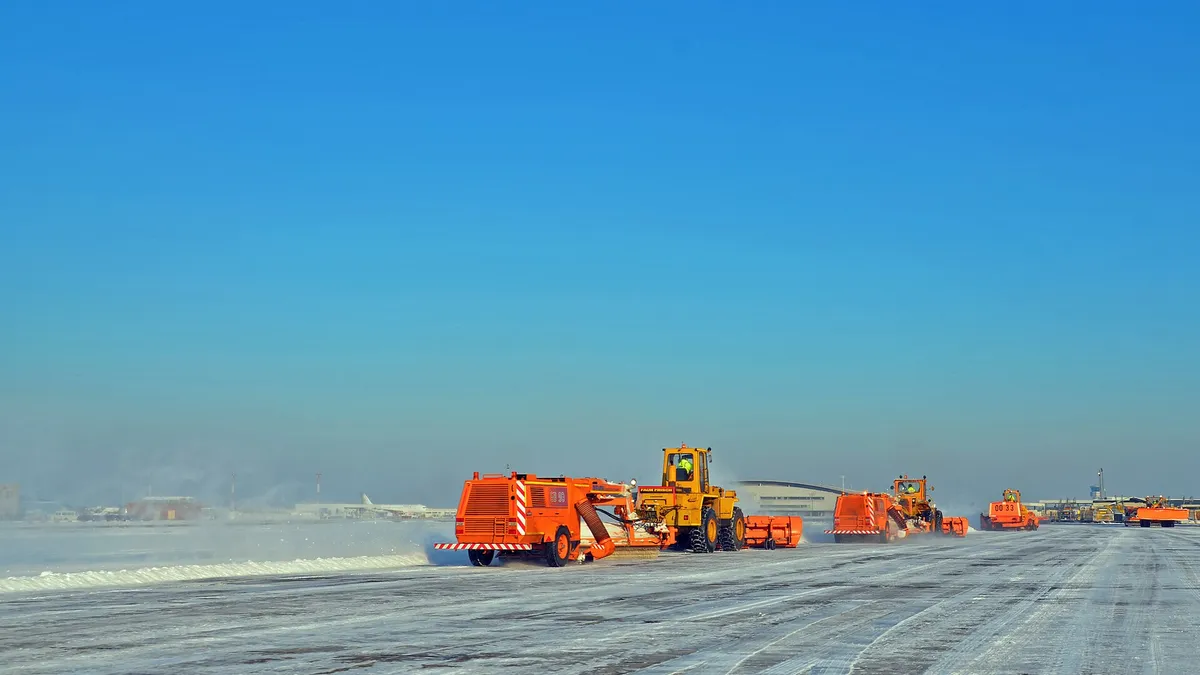
Every December, one strong storm can unravel thousands of holiday journeys within hours. Christmas travel storms rarely stay local for long. A snow band over one hub city soon delays flights in places with clear blue skies. Families then watch departure boards turn red while they clutch gifts, coats, and tired children. This guide explains the pattern in plain language. It also gives you a calm playbook for booking, packing, rebooking, and driving. You cannot control the weather, of course. You can still control how much damage one storm does to your Christmas.
The core problem is timing. Christmas compresses huge demand into a few short days. Airlines run full planes and tight schedules during that window. Crews and aircraft therefore have almost no spare room to recover. One cancelled morning flight can echo through the network until midnight. Holiday travel tips often focus on crowds alone. Weather, by contrast, attacks the system itself. Understanding that difference helps you plan far smarter.
Why do winter storms cause so much Christmas travel chaos?
Winter storms disrupt US Christmas travel more than summer rain ever could. Snow, ice, and bitter wind slow every part of the operation at once. Ground crews load bags more slowly in freezing conditions. Fuel trucks and catering vans also crawl across slick ramps. Pilots meanwhile wait for de-icing, runway clearing, and safer winds. Each small delay adds up fast. A plane that leaves forty minutes late rarely recovers that time. Instead, the delay follows the aircraft from city to city all day.
Why does December weather hit airlines so hard?
December sits in the heart of the northern storm season. Cold Arctic air regularly clashes with warmer moist air from the south. That clash builds powerful low-pressure systems across the middle of the country. These systems then track toward the Great Lakes and the Northeast. They often arrive exactly when holiday demand peaks. In short, the calendar stacks the odds against you. Airports still handle these storms every year. Full flights simply leave them far less margin for error.
How do de-icing delays protect you yet slow you down?
De-icing delays frustrate travelers, yet the process keeps flying safe. Crews spray heated fluid over the wings and tail before takeoff. The fluid removes snow and ice and protects the surfaces briefly afterward. Ice on a wing changes its shape and reduces lift, so crews never skip this step. Each aircraft may wait in a long line for a de-icing pad. Busy hubs can process only a limited number of planes per hour. Consequently, departure banks bunch up and gates stay occupied longer. Your flight may board on time and still sit for an hour.
Why does one storm create problems far from the snow?
Airlines move aircraft and crews through a linked daily chain. Your plane likely flew several earlier legs before it reached you. A storm in Chicago therefore delays a departure from sunny Phoenix hours later. Crews also face strict duty limits for safety. When delays stretch their day too far, the airline must find fresh crew members. Full holiday flights make that search much harder. Cancellations then spread outward like ripples on a pond. This chain reaction explains most long Christmas travel delays. It also explains why winter storm flight cancellations often appear in cities with no snow at all.
Which days around Christmas are usually the busiest for travel?
The busiest Christmas travel days follow a familiar yearly pattern. The weekend before Christmas usually brings the first big surge. Work and school holidays release millions of travelers at once. The final two or three days before Christmas Day stay extremely busy too. Many people cut the timing fine to save vacation days. Christmas Day itself often feels calmer by comparison. Fewer people choose to fly on the day, so airports breathe a little easier.
The return wave hits just as hard. The days right after Christmas rank among the busiest of the whole season. Travelers who flew out late also return within the same narrow window. The stretch between Christmas and New Year keeps pressure high as well. If your plans allow it, travel a day or two outside these peaks. Shifting even one day can transform your experience. You will find shorter lines, cheaper seats, and more backup options. Europe sees the same pattern, and reports on how Europe’s airports prepare for their busiest Christmas travel season show how widely the peak spreads. Travelers planning festive trips in that window often browse guides to the best places to visit in December in the US and pick dates away from the crush.
Which US hubs and regions struggle most in winter weather?
Some airports handle snow as routine winter work. Others struggle because storms strike them at huge scale. Your connecting city matters as much as your start and finish points. A clear departure means little if your hub sits under a blizzard.
Which connecting hubs carry the highest weather risk?
- Chicago: Lake-effect snow and fierce wind regularly slow this giant hub.
- Denver: High altitude and fast-changing Front Range storms can halt operations quickly.
- Minneapolis: Crews handle snow superbly, yet extreme cold still slows ground work.
- Northeast hubs: New York, Boston, and Philadelphia face nor’easters, ice, and tight airspace.
- Atlanta and Dallas: Ice storms hit these southern hubs rarely, but deep snow equipment stays limited there.
Southern connecting cities usually offer safer winter bets. Phoenix, Houston, and Charlotte see fewer snow shutdowns in most years. Warm-weather routing also pairs nicely with seasonal escapes, and many travelers browse places to visit in the South during winter while they plan. Still, no hub is immune to disruption. Ice in Texas or a storm in the Southeast can still close runways. Choose the hub with strong backup flights rather than a perfect forecast record.
How should you book your flights to reduce storm risk?
Smart booking decisions give you options later. Sound holiday travel tips start long before any forecast appears. Focus on resilience rather than the absolute cheapest fare.
Why do morning flights give you a real edge?
Morning flights depart before delays build up across the network. Aircraft usually sit overnight at the departure airport, ready for the first wave. Crews also start fresh within their legal duty limits. If that first flight cancels, the airline still has later departures to offer you. Later flights, by contrast, inherit every problem from earlier in the day. Book the earliest departure you can handle. This single choice prevents more holiday misery than almost any other trick.
Why do nonstop flights and longer connections help?
Nonstop flights remove the connection risk completely. You cannot miss a connection that does not exist. Paying a little more for a nonstop often buys real peace of mind. When you must connect, choose longer connections instead of tight ones. A forty-minute winter layover leaves no room for de-icing or a slow taxi. Two hours gives you a cushion for small delays. It also keeps you calm when the first leg lands late. Route through southern hubs where you can, especially in deep winter.
What else belongs in a storm-smart booking?
- Travel a day early for weddings, cruises, and fixed events.
- Keep the whole party on one reservation, so agents rebook you together.
- Choose airlines with several daily flights on your route.
- Avoid the last flight of the day to your destination.
- Leave a spare day before any prepaid tour or event.
Some travelers combine family time with a winter getaway on the same trip. Anyone dreaming of alpine snow, for instance, might research the best place in Switzerland to visit in winter while they compare dates. Big side trips deserve even bigger buffers. That buffer can save the whole plan when storms rewrite your schedule.
Should you buy travel insurance for a Christmas trip?
Travel insurance suits Christmas trips with expensive prepaid parts. A good policy can cover hotel nights, meals, and rebooking costs during long delays. It can also protect prepaid tours and lodging if a storm stops you traveling at all. Read the wording carefully before you buy. Policies differ widely on weather cover and delay thresholds. Buy the policy soon after your first payment for the widest protection. Keep receipts for every extra cost, because insurers ask for proof later.
What should you do in the week before you travel?
The final week turns preparation into action. Forecasts become useful about five to seven days out. Watch the trend rather than one scary headline. A storm track can shift by hundreds of miles in a day.
How should you monitor forecasts and flight alerts?
- Check forecasts for your departure, connection, and arrival cities.
- Turn on airline app alerts and text notifications.
- Track your inbound aircraft on the day through the airline app.
- Save the airline contact number in your phone.
Watch all three cities, not just your own. Clear skies at home mean little when snow buries your hub. Set alerts early, because early warnings create options. Knowledge at this stage turns panic into a simple plan.
What does an airline weather waiver let you do?
An airline weather waiver lets you change flights free when storms threaten a hub. Airlines usually post waivers a day or two before a major storm. The waiver sets new travel dates and covered cities. Act quickly when one appears for your route. Seats on safer days vanish fast during the holidays. Moving a day earlier often beats riding out the storm. You keep control instead of joining the airport scramble later. Early flight rebooking through a waiver almost always beats airport rebooking on the day. Check the travel alerts page of your airline daily during that final week.
How can you stay ahead of problems on travel day itself?
Start the day by checking your flight before you leave home. Airlines sometimes cancel winter flights hours ahead of departure. Staying home beats joining a crowd at a closed check-in desk. Leave for the airport earlier than usual. Snow slows roads, parking shuttles, and security lines alike.
Pack your carry-on like a survival kit, because checked bags may lag behind. Smart carry-on essentials include medicines, chargers, snacks, and a change of clothes. Add toiletries, headphones, and a refillable water bottle. Keep gifts unwrapped, since security officers may need to inspect them. Wear your heaviest coat and boots instead of packing them. That choice saves space and keeps you warm during a long wait. Dress children in layers, and pack spare clothes for them too.
What should you do if you end up stranded at the airport?
Even careful planners sometimes end up stranded at the airport during a storm. Your speed in the first thirty minutes shapes the whole outcome. Work several channels at once instead of waiting in one slow line.
Which rebooking channels should you try first?
- Use the airline app for instant self-service rebooking.
- Call the airline while you stand in the service line.
- Message the airline on social media for extra help.
- Ask about partner airlines and nearby departure airports.
Accept a routing that moves you closer to your destination, even an indirect one. Any seat out of the storm zone improves your position. Ask the agent to protect you on a backup flight as well. Polite persistence works better than anger at the desk. Agents face hundreds of frustrated travelers, and kindness often unlocks extra effort.
What are your rights when a flight cancels?
US rules give you a refund when the airline cancels and you choose not to travel. That right applies even to non-refundable tickets. Airlines must also refund unused extras, such as bag fees. Weather cancellations rarely bring cash compensation in the US, though. Hotels and meals depend on each airline policy during weather events. Ask anyway, because agents sometimes offer vouchers as goodwill. Keep every receipt, since your insurance or card benefit may repay the cost.
How can you make an overnight delay more bearable?
Book a hotel room early when an overnight stay looks likely. Airport hotels sell out fast during mass cancellations. Use lounge access if you have it, for quieter seats and helpful agents. A stranded evening can still hold small comforts. Warm food, a hot shower, and dry socks change your mood quickly. If you land in a city with festive events, a short outing can lift the whole family. Travelers near the coast, for example, enjoy the Fashion Island tree lighting during the season. Rest properly, then set an alarm for the first morning departure wave.
Is driving a smarter backup plan in bad weather?
Driving tempts many travelers when flights collapse. Short trips often work well by road. Long drives through the same storm, however, can turn dangerous fast. The storm that grounds planes also coats highways with ice. Judge the road option with fresh eyes. Holiday road trip safety starts with an honest look at distance, daylight, and forecast.
How do you prepare your car for a winter holiday drive?
- Fit good tires, and check pressure, battery, and wipers.
- Fill the fuel tank, and keep it above half throughout.
- Pack blankets, water, snacks, a torch, and a phone power bank.
- Add a small shovel, an ice scraper, and warm gloves.
Share your route and arrival window with family. Stop early if visibility drops or ice builds on the road. Winter driving safety means slowing down and lengthening your following distance. Bridges freeze before other road surfaces, so cross them with extra care. If conditions scare you, exit and wait in a safe town. No Christmas dinner justifies risking a crash on black ice.
Flexible travelers sometimes rethink the journey completely. Some swap a short flight for a scenic rail ride. Others extend the break and research bigger adventures, such as round-the-world cruises, for a future holiday. Whatever you choose, decide early. Roads fill quickly once mass flight cancellations begin.
How should you plan the journey home after Christmas?
Plan the return journey with the same care as the outbound trip. The days after Christmas bring the same storm risks in reverse. Many travelers extend the break toward New Year celebrations. If that sounds like you, browse ideas for the best place to visit for New Year’s in the USA and still keep a buffer day before work. Arriving home one day early protects your first working week of the year.
Frequently asked questions about Christmas travel storms
Why do flights get cancelled even when my city has clear weather?
Your aircraft or crew likely comes from a storm-hit city earlier that day. Airlines run linked chains of flights, so one snowy hub delays the whole chain. Ground stops at a big hub also slow departures nationwide. Check where your plane is coming from in the airline app. That simple check predicts many delays before the airline announces them.
What is the best day to fly around Christmas to avoid crowds?
Christmas Day itself is often the calmest choice in the period. Early departures on the days just before the main peak also work well. The weekend before Christmas and the days right after it usually feel busiest. Shifting your trip by one day often cuts both crowds and fares. Flexibility is the cheapest comfort you can buy.
Should I take the first flight of the day in winter?
Yes, morning flights give you the strongest protection against delays. Your aircraft usually waits at the airport overnight, ready to go. Crews start fresh, and the network has not yet collected delays. If problems strike, later departures still offer backup choices. That is why experienced winter travelers set the alarm and go early.
What should I do first when my flight gets cancelled?
Open the airline app and grab any offered rebooking at once. Call the airline at the same time, and join the service line if you are at the airport. Speed matters because hundreds of passengers chase the same few seats. Have alternative routings ready to suggest to the agent. Stay polite, stay specific, and keep your whole group on one booking.
Does travel insurance cover Christmas storm delays?
Many policies cover long weather delays, extra hotel nights, and missed prepaid plans. Cover depends on the policy wording and the length of the delay. Buy early, read the weather clauses, and keep every receipt. Take photos of departure boards and delay notices too. Clear records make any later claim far easier.
Is it safer to drive than fly during a winter storm?
Flying stays far safer than driving on icy roads in most conditions. Airlines cancel flights rather than fly into dangerous weather. Roads, by contrast, rely on every driver making good choices. Drive only when authorities say conditions allow it. Choose daylight hours, slow down, and stop early if the weather worsens.



