
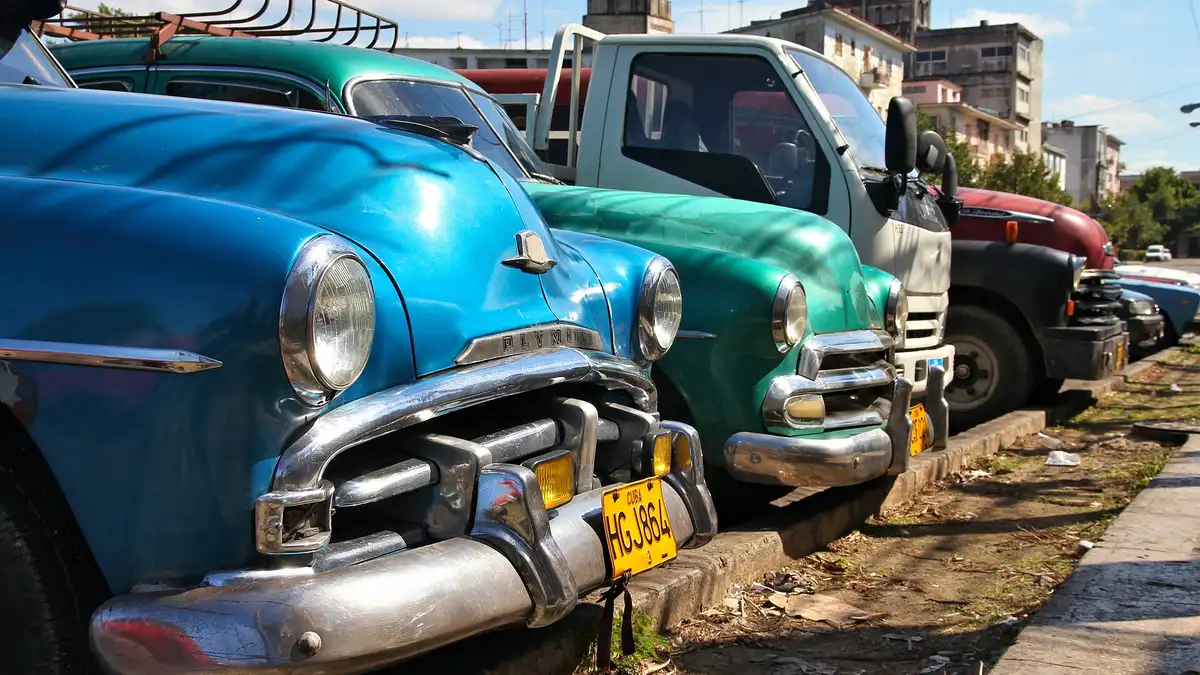
Cuba rewards slow travel more than almost any other Caribbean island. Firstly, the island is large, so each region feels genuinely different from the last. Secondly, the famous sights sit inside living neighbourhoods, working farms, and busy music venues. As a result, the most popular places to visit in Cuba are not just photo stops. Instead, they are places where you eat, listen, walk, and linger for days. This guide covers the best places to visit in Cuba in a practical order. For example, it explains what makes each place special and who it suits best. It also suggests how long to stay in every stop. Finally, it adds a sample route, seasonal advice, and honest planning tips.
Why does Cuba feel so different from other Caribbean islands?
Cuba mixes Spanish colonial cities, Afro-Cuban music, and green farming valleys in one trip. In fact, few islands pack this much variety into a single journey. For instance, you can tour a cigar farm in the morning and hear live son music at night. Meanwhile, the coast is never far away, so beach time fits almost any route. Havana gives you grand history and street energy in equal measure. In contrast, small towns like Trinidad move at a gentler, horse-and-cart pace.
Planning matters more here than on many islands, however. Transport takes longer than the map suggests, and services can change without much notice. Therefore, a realistic route beats an ambitious checklist every time. Travellers comparing regional ideas often start with guides to the best places to visit in Latin America for wider context. Similarly, a look at the best places to visit in North America helps you place Cuba within a bigger trip. Cuba, though, deserves its own unhurried plan.
Havana, where should you start in the capital?
Havana is the natural first stop, and most visitors stay at least three nights. Old Havana, known locally as Habana Vieja, forms the historic heart of the city. Its restored plazas link together like outdoor rooms, each with a different mood. For example, Plaza de la Catedral feels calm and elegant in the early morning. Plaza Vieja, meanwhile, buzzes with cafes, galleries, and families by late afternoon. You can walk between the main squares easily on foot.
What should you not miss in Old Havana?
Start with the four main plazas and the streets that connect them. Then, duck into a museum or a courtyard cafe whenever the heat builds. The Capitolio building gives the old town a grand visual anchor nearby. Likewise, the Museum of the Revolution suits travellers who enjoy modern history. Bookshops, art studios, and small paladares fill the side streets with surprises. In short, Old Havana rewards wandering far more than rigid sightseeing.
Why do visitors love the Malecón and a classic car tour?
The Malecón is Havana’s long seafront promenade, and locals treat it as a shared living room. Fishermen cast lines from the wall while couples watch the waves roll in. Sunset, in particular, turns the whole promenade golden and social. A classic car tour in Havana adds the other side of the city. Drivers in polished convertibles cruise past Revolution Square, Vedado, and the Hotel Nacional. As a bonus, a good driver explains neighbourhoods you would never find alone.
How long to stay: three to four nights suits most first trips well. Who it suits: history lovers, photographers, music fans, and first-time visitors alike. Havana also works as your arrival and departure base. Consequently, many travellers book a final night here before flying home.
Viñales Valley, what makes the countryside so special?
Viñales Valley swaps city noise for red earth, tobacco fields, and huge limestone hills. Those steep hills, called mogotes, rise suddenly from the flat valley floor. The whole landscape feels calm, green, and quietly dramatic at once. Farmers still work the fields with oxen and hand tools here. Therefore, a visit feels like a window into a slower Cuba.
What are the best things to do in Viñales?
A tobacco farm visit tops most lists, and rightly so. Farmers show you the drying barns and roll a cigar by hand. Horseback rides cross the valley at a relaxed, clip-clop pace. For instance, guided rides often stop at coffee farms and quiet swimming spots. Cueva del Indio adds a short cave walk and an underground river boat ride. Cyclists, meanwhile, can rent bikes and loop between viewpoints all day.
How long to stay: two nights gives you one full, unhurried valley day. Who it suits: nature lovers, walkers, riders, and travellers who need a breather. Viñales is also budget-friendly compared with the big resort zones. Indeed, many visitors call the valley the most relaxing part of their trip.
Trinidad, why is this colonial town so loved?
Trinidad looks almost frozen in its prosperous sugar era, in the best possible way. Cobbled streets, pastel mansions, and a handsome main square define the centre. Plaza Mayor anchors the old town, and museums fill the grand houses around it. The Museo Romántico, for example, shows how wealthy sugar families once lived. Evenings, however, belong to music on the Casa de la Música steps. Locals and visitors mix there under the stars.
What can you do beyond the old town in Trinidad?
The Valley of the Sugar Mills lies just outside town, dotted with old estates. You can climb the Manaca Iznaga Tower for wide views over the valley. Playa Ancón, meanwhile, brings soft sand and calm water a short drive away. Hikers can head into Topes de Collantes for waterfalls and forest trails. As a result, Trinidad mixes culture, nature, and beach time unusually well.
How long to stay: two to three nights lets you enjoy the town slowly. Who it suits: history fans, photographers, couples, and music lovers. Trinidad often becomes the favourite stop of the whole journey. Its small scale, besides, makes navigation easy without a car.
Cienfuegos, what gives the Pearl of the South its charm?
Cienfuegos feels tidier and calmer than Havana, with a distinct French flavour. French settlers shaped its wide boulevards, neat grid, and elegant facades. The historic centre holds a fine main square, a theatre, and a cathedral. Punta Gorda, in contrast, stretches into the bay with grand old mansions. Palacio de Valle stands there like a carved wedding cake by the water. You can watch the sunset from its terrace as boats cross the bay.
Many travellers use Cienfuegos as a relaxed stop between Havana and Trinidad. The nearby El Nicho waterfalls also make an appealing day trip from here. How long to stay: one to two nights covers the highlights comfortably. Who it suits: architecture fans and travellers who prefer quieter cities. Cienfuegos rarely feels rushed, even in the busy season. That calm, in fact, is exactly its appeal.
Varadero, is the famous beach town worth your time?
Varadero Beach runs along a narrow peninsula with soft sand and clear, calm water. It is Cuba’s best-known resort area, and the easiest beach base overall. Families like the simple logistics and the wide choice of places to stay. Couples, meanwhile, enjoy long walks and sunset swims along the shore. The town itself offers markets, small restaurants, and a pleasant local park. Day trips to caves and nearby cays add variety beyond the sand.
Varadero will not show you everyday Cuban life in depth, however. Instead, treat it as a rest stop after busy city and countryside days. Travellers building a beach shortlist may also enjoy browsing the best places to visit in the world with beaches for comparison. How long to stay: two to three nights of pure downtime works well. Who it suits: families, beach-first travellers, and anyone ending a tour. In short, Varadero is about ease, not exploration.
Santiago de Cuba, where does the island’s music begin?
Santiago de Cuba sits in the hotter, livelier east of the island. Many Cubans call it the cradle of son cubano, the roots of salsa music. Casa de la Trova hosts live traditional music in an intimate setting. Céspedes Park forms the social centre, ringed by the cathedral and old mansions. Above the bay, Castillo del Morro guards the harbour entrance with thick stone walls. The views from its terraces stretch far along the coast.
Santiago also carries deep revolutionary and Afro-Cuban heritage throughout its streets. Santa Ifigenia Cemetery and the Moncada Barracks draw history-focused visitors each day. How long to stay: two nights minimum, given the long journey east. Who it suits: music devotees, history travellers, and repeat visitors exploring deeper. Santiago feels rawer and prouder than the capital, in a compelling way. Therefore, it rewards travellers who make the extra effort.
Santa Clara, why do travellers stop in this central city?
Santa Clara is famous above all for the Che Guevara Mausoleum and memorial. The complex honours Guevara and his fellow fighters with a museum and eternal flame. Nearby, the Tren Blindado monument marks a key battle site with original train cars. Beyond the memorials, the city has a youthful, creative energy of its own. Students fill its cafes, galleries, and small cultural venues year-round. Parque Vidal, meanwhile, gives you an easy window into daily local life.
Santa Clara works brilliantly as a route stop between Havana and Trinidad. It also pairs well with the cayos, since the causeway starts nearby. How long to stay: one night, or a half-day stop en route. Who it suits: history travellers and anyone driving the central route. The city adds context that beach days alone cannot give. Indeed, many visitors leave Santa Clara quietly moved.
The northern cayos, which island escape should you pick?
The northern cayos are small islands linked to the mainland by long causeways. Cayo Coco is the best known, with wide beaches and flamingos in its lagoons. Playa Pilar, on nearby Cayo Guillermo, often ranks among Cuba’s finest beaches. Cayo Santa María, in contrast, feels quieter and more spread out. Its long, pale shoreline suits travellers who want space and calm seas. Both areas focus on resort stays, water sports, and simple beach days.
How do the cayos compare with Varadero?
Varadero wins on access, since Havana flights and transfers stay simple. The cayos, meanwhile, win on scenery and a castaway feeling. Snorkelling and boat trips run from both areas in good weather. Families often choose whichever option shortens their transfer day most. Honeymooners, however, tend to favour the quieter cayos for privacy. Either way, the sea colour will likely exceed your expectations.
How long to stay: two to four nights for a proper beach finish. Who it suits: couples, divers, and travellers ending a longer tour. Readers planning a wider Caribbean hop can compare nearby places to visit in St Thomas, Jamaica too. Similarly, places to visit in Liberia, Costa Rica suit a follow-up Central America trip.
How can you combine these places into one route?
A classic first route runs west to east and keeps backtracking low. Firstly, spend three nights in Havana and settle into the island’s rhythm. Secondly, head west to Viñales for two nights of countryside calm. Then, return through Havana and continue south-east to Cienfuegos for one night. After that, base yourself in Trinidad for three nights with day trips. Santa Clara fits neatly on the road north from Trinidad afterwards. Finally, finish with two or three nights in Varadero or the cayos.
That loop fills roughly twelve to fourteen relaxed days in total. With only seven days, drop the east and keep the west plus Trinidad. Santiago de Cuba, meanwhile, deserves a separate trip or a two-week itinerary. Shorter trips still feel rich when you choose fewer bases, however. Cuba punishes rushed routes with long, tiring transfer days. Therefore, protect your evenings and leave space for unplanned music.
When is the best time to visit Cuba?
The best time to visit Cuba is generally the dry season, from roughly November to April. Days feel warm and sunny, and humidity stays lower in those months. Seas also tend to be calmer, which helps boat trips and snorkelling. December to March is the busiest stretch, so popular towns book up early. Shoulder weeks in November and April can balance weather and crowds nicely. In contrast, the rainy season runs broadly from May to October.
Rainy season travel still works, but you should plan around afternoon showers. Rain usually arrives in bursts, then the sun often returns quickly. The Atlantic hurricane season spans the summer and autumn months, peaking in early autumn. Consequently, flexible plans matter most if you travel during that window. Santiago and the east feel hotter than Havana throughout the year. Pack light layers for winter evenings in the west, besides. Always check the current weather outlook shortly before you travel.
How do you get around Cuba and where should you stay?
Getting around Cuba takes patience, yet the main routes are well established. Colectivos are shared taxis that link popular towns on set routes. Hosts of your accommodation can usually help you book a seat. Private taxis cost more, but they save time and add comfort. Tourist buses connect major cities too, though schedules can feel slow. Classic car tours, meanwhile, work best for sightseeing rather than long transfers. Agree the route, timing, and price clearly before any journey starts.
Why do travellers love casas particulares?
Casas particulares are private homes that rent rooms to visitors, marked by a blue anchor sign. Staying in one puts breakfast, local advice, and warm hosting on your doorstep. Hosts often arrange taxis, tours, and restaurant bookings with a quick phone call. Rooms range from simple and budget-friendly to stylish and mid-range. In smaller towns, casas are often the best-located option available. Hotels and resorts, in contrast, suit beach zones and package-style stays. Many travellers mix both styles across a single trip happily.
What practical tips will make your Cuba trip smoother?
- Carry cash and small notes. Cards and cash machines can be unreliable, so a cash buffer protects your plans.
- Download offline maps before you go. Internet access can be patchy, and saved maps keep navigation simple in old towns.
- Learn a little Spanish. Even basic phrases open doors, especially in casas, markets, and shared taxis.
- Keep documents saved offline. Store copies of bookings, insurance, and entry paperwork on your phone as backup.
- Book key stays early in peak season. Popular casas in Havana and Trinidad fill fast between December and March.
- Pack for changing weather. A light rain layer, sun protection, and comfortable walking shoes cover most situations.
- Stay flexible with timings. Journeys and services may run late, so a calm buffer day saves stress.
Entry and travel rules differ by nationality, so check your government’s current guidance before booking. Requirements can change, and official sources always beat old blog posts. Travel insurance with medical cover is widely expected for visitors, besides. Confirm your policy covers Cuba specifically before you pay. Budget-wise, Cuba can suit many styles, from simple casas to resort finishes. Readers comparing costs may find our guide to the cheapest places to visit a useful benchmark. Keep expectations flexible, and Cuba will repay you generously.
Frequently asked questions
What is the number one place to visit in Cuba?
Havana is the essential first stop for most travellers. Old Havana, the Malecón, and a classic car tour deliver the classic Cuba introduction. In fact, many visitors rate the capital as the highlight of their whole trip. Allow at least three nights so the city never feels rushed.
How many days do you need in Cuba?
Seven days covers Havana, Viñales, and one more base comfortably. Ten to fourteen days, meanwhile, lets you add Trinidad, Santa Clara, and beach time. Longer stays can include Santiago de Cuba in the east as well. Short trips work too, but fewer bases always feel better.
Is Varadero or the cayos better for beaches?
Varadero is easier to reach and offers the widest choice of stays. The cayos, in contrast, feel quieter and more scenic overall. Cayo Coco and Cayo Santa María both suit a relaxed resort finish. Choose based on transfer time first, then on the mood you want.
What is the best month to visit Cuba?
Late November through April usually brings the driest, most comfortable weather. March and April often balance sunshine with slightly thinner crowds. December and January, however, are the busiest and book up earliest. Shoulder months can offer good value for flexible travellers.
Can you visit Cuba on a budget?
Yes, Cuba can be genuinely budget-friendly with the right choices. Casas particulares, shared colectivos, and local eateries keep daily costs down well. Walking the old towns costs nothing and delivers the best experiences, besides. Planning transfers carefully also prevents pricey last-minute fixes on the road.
Should you stay in a casa particular or a hotel?
Casas particulares give you local insight, home cooking, and flexible help with plans. Hotels, meanwhile, suit beach resorts and travellers wanting full on-site facilities. Many visitors mix casas in towns with a hotel at the beach. That blend often gives the most balanced Cuba experience overall.



