
Latin America can overwhelm you in the best possible way. One trip might mean ancient stone cities in cool mountain air. Another trip could mean salsa music, street food, and warm Caribbean evenings. In fact, the best places to visit in Latin America share one rare quality. They all give you a strong sense of place.
You cannot see this whole region in a single holiday. Distances are huge, and climates change fast between countries. So the smart move is simple and practical. First, choose a theme for your journey. Then build a short route around that theme. Finally, leave space for slow mornings and surprise detours.
This guide covers nine stops that work beautifully together or alone. Together, they rank among the finest Latin America travel destinations for first-timers. Several also belong on any list of 15 places to visit in the world worth saving for. Still, each stop below offers something the others cannot copy.
How should you choose your route?
Start with time, season, and travel style, not with a map alone. For example, two weeks suits one country in real depth. Three weeks, meanwhile, can suit two countries without constant rushing. Therefore, fewer stops usually create a far better trip.
Season matters just as much as distance here. The best time to visit Latin America depends on your exact route. Dry months favor highland ruins and desert skies in many areas. Wetter months, however, can bring greener hills and fewer crowds elsewhere. In short, check each destination separately before you book anything.
Budget shapes your choices in a helpful way, too. Some South America travel destinations reward slow overland travel and simple stays. Other stops, especially islands, need earlier booking and bigger budgets. If saving matters most, explore what are the cheapest places to visit before fixing dates. Also, mix one famous icon with one quieter base.
Central America travel destinations suit compact routes and shorter flights between stops. South America, by contrast, rewards longer routes and careful flight planning. Yet both regions share warm welcomes and deep food cultures. So your real question is not which region wins. Your real question is which rhythm suits you now.
Cusco and Machu Picchu, Peru
Best for: ancient history, mountain scenery, and first-time visitors.
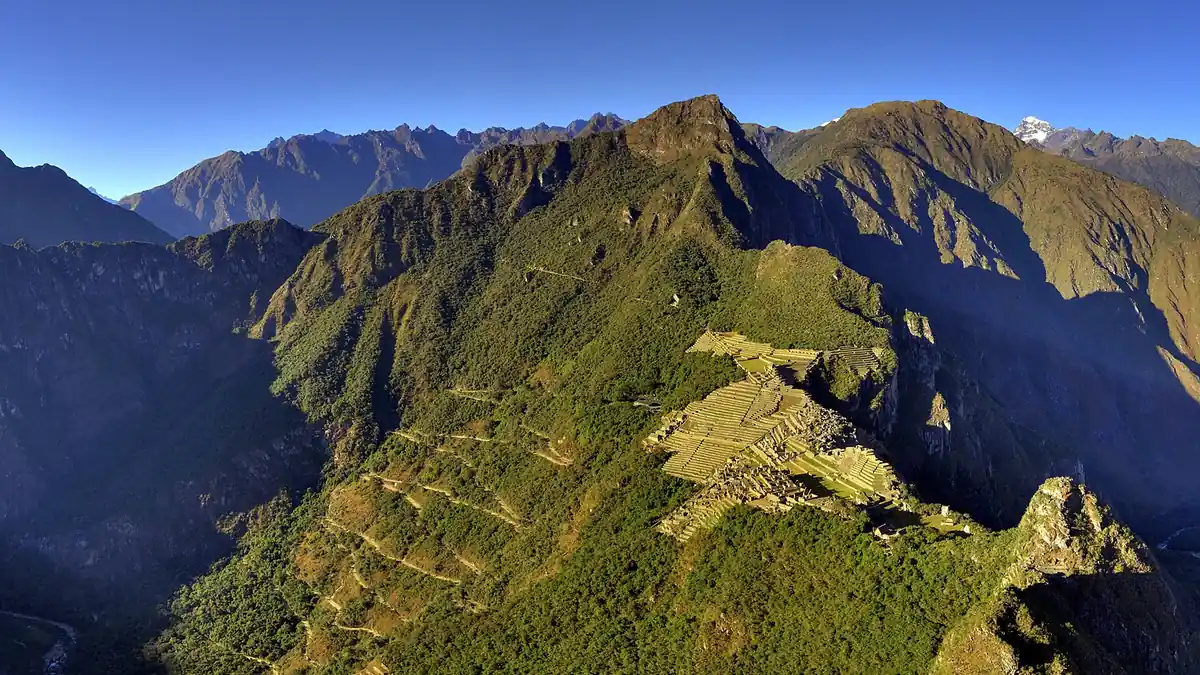
Any serious list of places to visit in Peru starts right here. Cusco blends Inca stonework with Spanish colonial streets and lively markets. Nearby, the Sacred Valley adds terraced hillsides and traditional weaving villages. Then Machu Picchu rises above the clouds and steals the show. Few ruins anywhere feel this dramatic or this complete.
This short Machu Picchu travel guide starts with one honest warning. Cusco sits high in the Andes, so altitude can hit hard. Therefore, spend your first days gently and drink plenty of water. Walk slowly, eat lightly, and skip strenuous plans at first. Later, once you adjust, the city becomes pure pleasure to explore.
Tickets for Machu Picchu also need early attention from you. In high season, popular entry times can sell out well ahead. So book through official channels as soon as dates are firm. Also, consider a guided visit for deeper context and meaning. A good guide explains temples, terraces, and mountain alignments beautifully. Without that context, however, you still get an unforgettable view.
When to go? The drier months generally suit hiking and clear mountain views best. Shoulder months can also work well for calmer visits. Meanwhile, greener months bring lush scenery but cloudier, wetter days. In fact, many travelers prefer clear skies for that first view.
Mexico City and Oaxaca, Mexico
Best for: food lovers, museums, markets, and living traditions.
Our Mexico City travel guide starts with layers of history downtown. Aztec ruins sit beside a grand cathedral and busy modern avenues. Nearby, world-class museums explain thousands of years in vivid detail. Then neighborhoods like Roma and Coyoacán add cafés, murals, and color. The city feels huge, yet each district feels personal.
Food alone could fill your whole stay in the capital. For example, tacos, tamales, and fresh juices shine at every level. Markets buzz with chilies, herbs, flowers, and sizzling grills each morning. Fine dining also thrives here for travelers who love tasting menus. Still, a humble street stall might give your favorite meal.
Oaxaca offers a slower and deeply soulful contrast afterward. Its markets celebrate mole, chocolate, textiles, and handmade crafts daily. Colonial streets glow in warm colors, especially near golden hour. Also, nearby villages keep weaving and pottery traditions proudly alive. If you compare regions, see what are the best places to visit in North America for wider context. Mexico, however, often wins travelers over through taste alone.
When to go? Cooler, drier months generally make city walking most comfortable. Festival periods also bring music, parades, and joyful street celebrations. Yet those popular periods need earlier hotel booking from you. In short, come hungry and book the highlights early.
Cartagena and Medellín, Colombia
Best for: colorful streets, Caribbean warmth, and creative city energy.
Among the best places to visit in Colombia, Cartagena charms visitors instantly. Its walled old town glows with balconies, bougainvillea, and horse-drawn carriages. Massive stone walls remind you of its strategic port past. Meanwhile, Getsemaní adds street art, music, and lively local plazas. Golden hour here turns every corner into a postcard scene.
This short Cartagena travel guide favors slow evenings and early starts. First, explore the old town before the midday heat builds. Then rest during the hottest hours with coffee or fresh juice. Later, return for sunset on the walls above the sea. Also, boat trips can add beach time beyond the city. Those island days, however, need calm weather for best results.
Medellín delivers a very different but equally rewarding Colombian experience. Once troubled, the city now celebrates innovation, flowers, and public art. Cable cars climb green hillsides and reveal sweeping valley views. Comuna 13, for example, tells a powerful story through murals and music. In fact, guided local tours make that story far richer.
When to go? Drier periods generally suit both cities for walking and exploring. Medellín enjoys a mild highland climate for much of the year. Cartagena, still, stays warm and humid in most seasons. So pack light clothes, sunscreen, and patience for coastal heat.
Buenos Aires and Patagonia, Argentina
Best for: culture, tango, steak houses, and wild southern landscapes.
Use this Buenos Aires travel guide idea from the very start. Give the capital proper time, not just one rushed night. Palermo brings leafy parks, boutiques, and excellent restaurants for evenings. San Telmo, meanwhile, offers antiques, cobblestones, and tango history everywhere. La Boca adds bold color and passionate football culture, too.
Evenings define Buenos Aires more than any single famous sight. Dinner starts late, conversations run long, and milongas glow after midnight. For example, a simple parrilla meal can become a trip highlight. Steak, Malbec, and warm service create a lasting memory here. Yet the city also rewards daytime museum visits and bookshops.
Patagonia then flips the mood from urban to elemental. Every Patagonia travel guide warns you about scale and wind. Both warnings are true, and both add to the magic. Glaciers calve into milky lakes below jagged granite peaks. Empty steppe roads, meanwhile, make you feel deliciously far away. Hikers love the trails, but scenic drives also deliver huge rewards.
When to go? The southern summer generally suits Patagonia hiking and longer daylight best. Buenos Aires feels pleasant in spring and autumn for most visitors. Winter, however, can suit city breaks and cultural trips well. In short, pair mild city days with peak southern weather.
Atacama Desert, Chile
Best for: stargazing, surreal landscapes, photographers, and road-trip dreamers.
The Atacama feels like another planet from your first morning. Salt flats shimmer beside flamingo lagoons and rust-red rock valleys. Volcanoes line the horizon under an intensely blue daytime sky. Then night arrives, and stars fill the darkness completely. Few places on Earth make silence feel this powerful.
Most Atacama Desert tours leave from San Pedro de Atacama. That small adobe town works as a friendly and practical base. From there, you can visit lunar valleys and high lagoons. Geysers also steam dramatically in the cold early morning light. Also, astronomical tours reveal planets and galaxies through powerful telescopes.
Practical planning matters more here than in most destinations. San Pedro sits at altitude, so rest on arrival day. Sun protection is essential, even when the air feels cool. Temperatures, meanwhile, can swing sharply between midday and midnight hours. Therefore, layers, water, and lip balm belong in every bag. In fact, comfort here depends on small preparations like these.
When to go? Clear skies can appear in many months across the year. Shoulder seasons often balance pleasant days with calmer tour groups. Still, nights stay cold, so warm layers remain essential always. Later evenings, however, reward you with truly unforgettable star fields.
Costa Rica
Best for: wildlife, rainforest adventures, beaches, and eco-minded families.
Costa Rica eco tourism works because conservation shapes daily travel here. National parks protect cloud forests, volcanoes, wetlands, and two coastlines. Sloths, toucans, monkeys, and frogs appear along well-marked nature trails. Meanwhile, guides help you spot wildlife you would surely miss alone. Their trained eyes, in fact, transform a simple walk completely.
Variety is the real gift of a Costa Rica trip. One day might bring zip lines above emerald forest canopy. The next day could bring hot springs near a volcano. Later, a Pacific beach can add surfing and sunset swims. Families exploring options should read about the best places in Costa Rica to visit with kids before choosing bases. That planning, therefore, helps you match activities to younger travelers.
The northwest also deserves attention beyond the famous central route. Travelers often add places to visit in Liberia, Costa Rica for volcano parks nearby. That area suits dry forests, waterfalls, and ranch-style adventures well. Also, pura vida is more than a cheerful local slogan.
When to go? The drier season generally suits beach days and easier road travel. Greener months, however, bring lush forests and fuller waterfalls nationwide. Wildlife viewing stays rewarding across seasons with a good guide. In short, choose your coast and activities before choosing dates.
Antigua and Lake Atitlán, Guatemala
Best for: colonial beauty, volcano views, markets, and slow travel.
Antigua might be the prettiest small city in Central America. Cobblestone streets frame ruined churches, courtyards, and colorful colonial facades. A volcano watches over the rooftops from almost every angle. Meanwhile, cafés pour excellent local coffee in shady garden settings. Language schools and markets, also, give the city real daily life.
Lake Atitlán then offers one of the great scenic resets. Lake Atitlan Guatemala travel feels slow, soulful, and deeply visual. Volcanoes ring the deep blue water on all sides here. Small villages around the shore each keep a distinct character. Some favor weaving and art, while others favor quiet yoga mornings. Boat rides, therefore, become both transport and pure sightseeing joy.
Together, Antigua and the lake form a perfect short pairing. First, enjoy history, food, and volcano hikes around Antigua town. Then unwind beside the lake with swims and village visits. Also, sunrise viewpoints above the water reward early risers generously. Yet even lazy lakeside afternoons feel special in this light. Few Central American routes, in fact, balance culture this gracefully.
When to go? Drier months generally bring clearer volcano views and easier walking. Festival weeks in Antigua also add color and deep tradition. However, popular festival dates need booking well ahead of time. In short, clear mornings make this region shine brightest.
Havana, Cuba
Best for: music, classic cars, architecture, and history lovers.
A good Havana Cuba travel guide tells you to slow down. Old Havana rewards walkers with plazas, forts, and faded grandeur everywhere. Classic cars cruise past in candy colors under bright sun. Music drifts from doorways, bars, and impromptu street corners constantly. The city, in fact, feels like a living open-air museum.
Beyond the postcards, Havana offers depth for curious travelers. Museums explain colonial history, revolution, art, and Afro-Cuban culture thoughtfully. The Malecón seafront, meanwhile, gathers locals for fishing and sunset chats. Evenings often end with live music and dancing in small venues. Also, conversations with local guides add nuance no book can match. Before you go, browse the most popular places to visit in Cuba for wider island ideas.
Set honest expectations, and Havana will reward you far more. Infrastructure can feel inconsistent, so patience helps every single day. Connectivity may be limited, yet that break can feel refreshing. Therefore, download maps offline and carry small essentials with you. Still, most visitors remember warmth and music above minor hassles.
When to go? Cooler, drier months generally make walking Old Havana most pleasant. Cultural festivals also add concerts, dance, and extra city energy. Yet Havana holds its charm in warmer months, too. In short, go for culture first and comfort second here.
Galápagos Islands, Ecuador
Best for: wildlife encounters, snorkeling, nature lovers, and photographers.
Galapagos Islands travel rewards planners like almost nowhere else on Earth. Giant tortoises graze slowly while marine iguanas bask on black rocks. Blue-footed boobies perform comic dances just steps from marked trails. Sea lions, meanwhile, nap on benches and beaches without fear. Instead, wildlife simply surrounds you from the first landing onward.
Conservation rules protect this fragile and extraordinary island ecosystem carefully. Visits follow marked routes with licensed naturalist guides in parks. Those rules, therefore, keep animals calm and habitats healthier long-term. Cruises reach more remote islands and varied landing sites overall. Land-based stays, however, offer flexibility and evenings in island towns. Both styles work well, so choose by budget and pace.
Snorkeling often becomes the surprise highlight of the whole trip. Turtles, rays, reef fish, and playful sea lions share clear water. Photographers also love the close and respectful wildlife encounters daily. In fact, no zoo or safari creates this exact feeling. The islands feel ancient, fragile, and joyfully alive all at once.
When to go? Wildlife activity stays strong across the year in the islands. Warmer months generally bring calmer seas and warmer snorkeling water. Cooler months, meanwhile, can bring rich marine life and active birds. In short, your wildlife priorities should guide your final dates.
How can you combine these places into one trip?
A good Latin America itinerary respects geography and saves your energy. Long jumps between regions burn days and budgets very quickly. So pair nearby stops and fly only the longest legs. Then use buses or transfers for shorter scenic stretches instead. Finally, add one rest day after every major travel day.
For a classic first route, combine Cusco with Lima in Peru. That pairing gives food, history, and ruins in one country. Alternatively, pair Cartagena with Medellín for color and contrast within Colombia. Also, Antigua and Lake Atitlán form Guatemala’s easiest winning combination. Each route, therefore, feels complete without any stressful country hopping.
For a bigger adventure, link Buenos Aires with Patagonia by flight. That route mixes culture first and wilderness afterward beautifully well. Meanwhile, Mexico City and Oaxaca pair perfectly by road or flight. Travelers planning a longer Americas journey also compare the best places to visit in the USA for onward stops. Still, Latin America alone can fill several happy return trips.
What is the best first trip to Latin America?
Choose Peru if ancient ruins top your personal wish list. Its classic route feels clear, rewarding, and well supported for visitors. Choose Mexico, however, if food and cities excite you most. That trip balances huge museums with soulful smaller city days.
Choose Colombia for color, music, and joyful street life overall. Choose Costa Rica instead if wildlife and nature call loudest. Guatemala suits travelers who love scenery on a gentler budget. Meanwhile, Cuba and the Galápagos suit focused, special-interest journeys best.
In short, there is no single winner for every traveler. The best destination matches your pace, budget, and curiosity right now. First trips often spark second and third trips very quickly. Therefore, pick one route, travel it deeply, and savor it. Latin America will happily wait with the rest for later.
Frequently Asked Questions
How many countries should you visit on one trip?
One or two countries suit most two-week trips best. That pace allows deeper exploring and far less transit time. Therefore, you will remember places rather than airports and stations. Also, slower travel usually costs less and feels much richer.
Is Latin America good for first-time solo travelers?
Yes, many popular routes suit solo travelers with normal precautions. Choose well-reviewed stays and use reputable transport and guided tours. Also, learn basic Spanish phrases before you leave home. In fact, even simple greetings open doors and smiles everywhere.
What should you pack for a multi-climate trip?
Pack layers, strong walking shoes, sun protection, and a light rain jacket. Highland cities can feel cool while coasts stay hot. Therefore, versatile clothing matters more than a large suitcase here. Also, carry altitude essentials if your route includes high cities.
Do you need Spanish to travel in Latin America?
No, but basic Spanish improves almost every part of travel. Hotel staff and guides often speak English in popular areas. Meanwhile, markets and small towns reward your Spanish efforts warmly. So learn greetings, numbers, and polite phrases before departure day.



