
Summer in Osaka rewards people who plan around the sun, not against it. Indeed, the best places to visit in Osaka during summer change with the hour, and that simple fact shapes this whole guide. You will do your outdoor sightseeing early, when the light feels soft and the streets still breathe. Then you will hide from the midday heat inside cool, brilliant indoor sights. Finally, you will head back out at dusk, when neon reflects on the canals and the city feels alive again.
This Osaka summer itinerary follows that daily rhythm from start to finish. For example, it pairs Osaka Castle with a morning slot and saves Dotonbori for after dark. It also treats Universal Studios Japan, the aquarium, and the great shopping arcades as heat strategy, not just sightseeing. Above all, it stays honest about costs, crowds, and tired feet.
Osaka in July and Osaka in August both bring strong heat and high humidity. However, summer also brings the city’s loudest festivals, longest evenings, and best street food nights. So the season gives plenty, if you pace yourself well. Below, you will find place clusters, timing logic, and practical Osaka travel tips for summer.
Why does summer change the way you should see Osaka?
Osaka summers feel hot, humid, and intense, especially on still afternoons with little breeze. In fact, the heat often feels stronger than the thermometer alone suggests. Concrete streets hold warmth, and busy stations add their own sticky air. Therefore, a plan that works in spring can fail badly in August.
The early part of summer can also bring rainy spells. Meanwhile, later weeks often turn drier but hotter, and sudden showers still arrive. So flexibility matters more than a perfect hour-by-hour schedule. If rain hits, you simply swap an outdoor slot for a museum, market, or arcade.
Still, summer has real rewards that cooler months cannot match. Festivals fill the rivers and shrines, and beer gardens open on rooftops across the city. Gardens look deep green, and waterfalls run strongly after the rains. Above all, long daylight hours let you start early and finish late.
Families feel the heat question most sharply of all. For example, parents planning theme parks can compare notes with guides to places to visit in NYC with kids for pacing ideas. Similarly, anyone who has travelled in the tropics will recognise the pattern from places to visit in Kuta Bali, Indonesia, where shade and timing rule the day.
What does a heat-smart summer day in Osaka look like?
A good summer day in Osaka has three clear acts. First, you explore outdoors in the cooler morning hours. Next, you spend the harsh middle of the day somewhere air-conditioned and absorbing. Last, you return outside for food, lights, and riverside air in the evening.
How should you use the early morning hours?
Early starts beat almost every other trick in this guide. Castle grounds, shrines, and quiet neighbourhoods feel calm before tour groups arrive. Light also looks better for photos, and walking still feels pleasant. Therefore, set your alarm, eat a simple breakfast, and go.
Good morning choices include Osaka Castle Park, Sumiyoshi Taisha Shrine, and the old streets of Shinsekai. In contrast, markets reward early visits too, because stalls feel freshest before lunch crowds build. You can then slow down as the temperature climbs. That slowdown is the plan, not a failure.
Where should you hide during the midday heat?
Midday belongs indoors, and Osaka offers superb indoor anchors. The aquarium, castle museum, and big department stores all give hours of cool air. Covered arcades also work well, because you can shop and snack under a roof. Indeed, learning how to beat the heat in Osaka mostly means choosing the right midday anchor.
Lunch fits this slot perfectly, so eat your biggest meal indoors at noon. After lunch, a coffee, a shaved ice dessert, or a short hotel rest recharges you fast. Consequently, you reach the evening with energy left for the best part of the day. Rushing through noon heat, by comparison, drains the whole trip.
Why do Osaka evenings feel so special in summer?
Evenings transform Osaka, and locals plan their summers around them. Temperatures ease a little, lanterns glow, and festival stalls open along the rivers. Dotonbori at night becomes the city’s loud, delicious living room. Rooftop gardens and observation decks also shine after sunset.
So save your appetite and your camera battery for the evening. A canal-side walk, a short river cruise, and a late street food crawl make a perfect summer night. Finally, trains run late enough for most plans, so you rarely need to rush home.
Is Osaka Castle worth an early start?
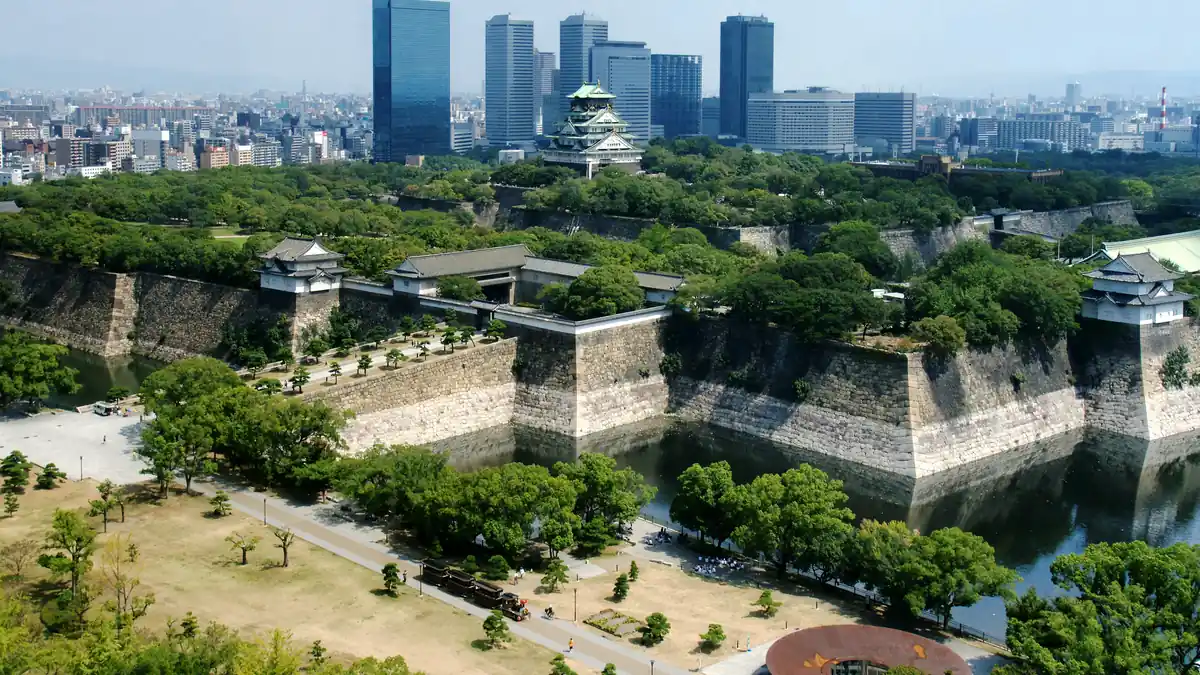
Yes, and Osaka Castle Park gives you the strongest reason to rise early. The white and green tower rises above wide moats, stone walls, and deep summer greenery. Morning light flatters the whole scene, and the park feels spacious before crowds gather. Walk the outer paths first, while the air still feels kind.
Inside, the castle museum tells the story of Toyotomi Hideyoshi and the castle’s dramatic past. Displays run floor by floor, so the climb itself becomes the lesson. From the top, wide views open across the modern city. That contrast between old walls and new towers defines Osaka well.
History lovers can deepen the habit with castle towns elsewhere, such as places to visit in Rothenburg ob der Tauber for cultural and historical sights. In Osaka, though, the smart move stays simple. Visit early, tour the museum as the heat builds, and leave before noon.
Practical details matter here, so carry water and use the shaded benches often. The park has long open stretches with little cover. Hats help, and so do short breaks near the moat. As a result, the castle becomes a pleasure instead of a slog.
How should you plan a summer day at Universal Studios Japan?
Universal Studios Japan suits summer if you treat it as a full, planned day. Arrive before opening if you can, because popular rides build queues quickly. Head straight to your top ride first, then work outward from there. Later, slower attractions and indoor shows fill the hotter hours well.
Good Universal Studios Japan tips start with simple sun discipline. Wear a hat, refill water often, and use indoor queues and shows as cooling breaks. Parades and water-themed summer events can also help, since getting splashed feels wonderful at noon. Meanwhile, restaurants give air-conditioned sit-down pauses between rides.
Costs need honest framing, so expect a theme park day to sit at the top of your budget. Tickets, food, and souvenirs all add up, especially for families. However, one planned splurge day often beats several half-hearted paid attractions. Decide your must-see rides in advance, and the money feels better spent.
Families weighing big park days can also browse best places in Costa Rica to visit with kids for gentler nature-based contrasts. In Osaka, though, the park rewards commitment. Go early, stay hydrated, and let the evening shows close your day.
Why is Osaka Aquarium Kaiyukan the perfect midday anchor?
Osaka Aquarium Kaiyukan turns the hottest hours into the calmest part of your day. Inside, a huge central tank holds whale sharks, rays, and swirling schools of fish. The route spirals slowly downward, so you watch the same water world from many levels. Cool air and dim light rest tired eyes beautifully.
The aquarium sits in the Tempozan harbour area, near a giant Ferris wheel and a shopping mall. Therefore, you can build a whole midday cluster without long, hot walks. Eat lunch nearby, ride the wheel near sunset, and watch the bay change colour. Sea breezes often make this district feel kinder than downtown.
This cluster works especially well for children and grandparents alike. Everyone moves at an easy pace, and seating appears often along the route. In fact, few things to do in Osaka in summer suit mixed-age groups this well. Plan a generous visit, because rushing past the main tank wastes the magic.
Where do covered arcades and markets save a hot afternoon?
The Shinsaibashi shopping arcade runs for block after covered block near Dotonbori. Shops range from big fashion brands to small local stores and pharmacies. Because the roof blocks direct sun, browsing here feels manageable even at noon. Rain also matters less under the arcade roof.
Nearby, Kuromon Ichiba Market tempts you with grilled seafood, fruit, and street snacks. Vendors cook small portions, so you can graze instead of committing to one heavy meal. Try a few bites, drink something cold, and keep moving through the shade. Morning visits feel freshest, but early afternoon still works well.
Department store food halls offer another cool escape in both Umeda and Namba. These basement halls sell beautiful bento boxes, sweets, and chilled drinks. Above all, they show how Osaka treats food as a daily celebration. Pick up picnic items here for a riverside evening later.
What makes Dotonbori and Shinsaibashi unmissable after dark?
Dotonbori at night delivers the Osaka postcard and then feeds you dinner. The famous Glico running man sign glows above Ebisubashi Bridge, and crowds gather for photos. Giant crabs, dragons, and chef figures hang over the restaurant fronts. Neon reflects on the canal, and the whole strip hums.
Eat your way along the canal in small, happy stages. Takoyaki octopus balls, okonomiyaki pancakes, and grilled skewers anchor most food crawls. Order small portions at several places instead of one large meal. That way, you taste more and keep room for dessert.
Shinsaibashi and the side streets around Dotonbori reward slow wandering after dinner. Look for tiny bars, retro game arcades, and quiet lanes behind the main strip. Meanwhile, a short canal cruise gives your feet a rest and your camera a new angle. Evenings here can stretch late, so pace your snacks and drinks.
Should you time your trip for the Tenjin Matsuri festival?
The Tenjin Matsuri festival ranks among Japan’s most famous summer celebrations. In general terms, it fills late July with shrine rituals, street processions, and a river parade. Boats carry portable shrines and performers along the Okawa River. Fireworks often close the main celebration, and huge crowds line the banks.
The festival honours the spirit of learning at Osaka Tenmangu Shrine. Drummers, dancers, and costumed groups bring real energy to the streets around the shrine. Food stalls sell festival favourites, and many locals wear light summer yukata. So the event feels joyful, proud, and deeply local.
Crowd strategy matters more than any other detail here. Arrive early for a riverside spot, and expect slow movement after the fireworks end. Carry cash for stalls, water for the heat, and patience for the trains home. If crowds worry you, enjoy the shrine area earlier in the day instead.
Dates and schedules can shift, so check official festival information before you book around it. Smaller neighbourhood festivals also run across the summer in many districts. Those local events offer food, dance, and community spirit with far fewer people. Either way, one festival night will likely anchor your summer memories.
Which green escapes help when the city feels too hot?
Minoo Park, north of the centre, gives Osaka a genuine forest escape. A paved trail follows a stream through tall trees toward Minoo Falls. Shade covers most of the walk, and the air feels cooler beside the water. A Minoo Falls day trip pairs well with a slow, late start.
Still, go prepared, because the trail involves steady walking in humid air. Wear proper shoes, carry drinks, and rest at the small shops along the path. After rain, the falls run strongly and the forest smells wonderful. In contrast, skip the hike during storms or extreme heat warnings.
Closer in, Nakanoshima Park offers riverside lawns between grand old buildings in the centre. Locals picnic here, and the rose garden adds colour in season. Evening visits feel best in summer, when breezes move along the river. Families who enjoy outdoor city breaks can compare ideas in places to visit in Phoenix, Arizona with family for leisure and recreation, another city that respects the heat.
Does a day trip to Kyoto make sense from Osaka in summer?
Yes, and an Osaka day trip to Kyoto ranks among the easiest wins in Kansai travel. Trains link the two cities quickly and often, so you can leave after breakfast and return after dinner. Kyoto adds temples, bamboo groves, and old lanes that feel very different from Osaka. One day barely scratches the surface, but it still delights.
Apply the same heat rhythm in Kyoto, because its basin setting traps summer warmth. Start with an outdoor icon early, such as Arashiyama or Fushimi Inari Shrine. Then move indoors for lunch, museums, or a cool cafe in the afternoon. Our guide to the best places to visit in Kyoto during summer builds a full day around that pattern.
Choosing what to skip matters as much as choosing what to see. Pick one main area, add one backup indoor stop, and resist constant cross-town dashes. For a wider shortlist before you decide, browse the top 15 places to visit in Kyoto and mark your true favourites. Finally, return to Osaka for a Dotonbori dinner, where the evening energy revives you.
How much should you budget, and how will you get around?
Osaka can suit many budgets, because its best pleasures often cost little. Castle parks, shrines, arcades, and evening canal walks ask mainly for time and shoe leather. Meanwhile, theme parks, observation decks, and big meals form the expensive layer. So decide your splurge days early, and the rest feels relaxed.
Honest cost framing helps more than fake precision here. Street food grazing usually costs less than one formal dinner, and markets let you control portions. Convenience stores also sell good, cheap breakfasts and cold drinks all summer. As a result, you can save money quietly without feeling deprived.
Getting around stays simple, thanks to Osaka’s dense train and subway network. A rechargeable travel card speeds up every tap through the gates. Most sights in this guide cluster near stations, so long hot walks stay rare. Taxis help late at night or during sudden downpours, though they cost more.
Base yourself near Namba or Umeda for the easiest summer logistics. Namba puts Dotonbori, Shinsaibashi, and Kuromon Market within easy reach. Umeda, in contrast, suits day trips and big department stores. Either base works, so choose by evening style rather than habit.
What should you pack and do to stay comfortable?
Light, breathable clothing makes the biggest daily difference in Osaka’s summer. Loose shirts, quick-dry fabrics, and comfortable walking shoes carry you far. A small towel helps too, because locals use one constantly in the heat. Sunscreen and a hat complete the basic kit.
- Carry a refillable bottle, and drink before you feel thirsty.
- Pack a compact umbrella for sun and sudden rain.
- Keep a small towel and spare shirt for long days.
- Use convenience store stops as cool, cheap reset points.
- Rest indoors at midday, even when you feel fine.
Heat illness deserves real respect, so watch for dizziness, nausea, or sudden exhaustion. Move into shade, drink fluids with some salt, and rest without embarrassment. Children and older travellers need extra checks on long outdoor days. Indeed, smart travellers treat rest as part of sightseeing, not a break from it.
Frequently Asked Questions
Is Osaka too hot to visit in summer?
No, but you must plan around the heat honestly. Early starts, indoor midday anchors, and evenings out make the city enjoyable. Travellers who march through noon heat, however, often struggle. Pace decides comfort more than luck does.
How many days do you need in Osaka in summer?
Three days cover the castle, the aquarium, Dotonbori, and one big splurge day. Four days add a relaxed Kyoto trip or a Minoo Falls escape. Therefore, longer stays feel calmer, because each day can hold less.
What is the best area to stay in Osaka in summer?
Namba suits food lovers, because Dotonbori and Shinsaibashi sit on your doorstep. Umeda suits shoppers and day trippers who use big stations daily. Both areas offer strong transport links and plenty of air-conditioned hotels.
Can you visit Universal Studios Japan and the aquarium on one trip?
Yes, but give each place its own day if you can. The park demands early energy and long hours. The aquarium, in contrast, fits a slower midday plan. Splitting them keeps both experiences fresh.
What should you eat in Osaka in summer?
Graze on takoyaki, okonomiyaki, and grilled skewers during evening food crawls. At midday, choose chilled noodles, market seafood, and shaved ice desserts. Festival stalls add yakisoba and other seasonal treats in late July.
Is Kyoto really worth a day trip from Osaka in summer?
Yes, because Kyoto adds temples and old streets that Osaka does not duplicate. Go early, hide indoors at midday, and return for an Osaka evening. That rhythm makes the trip feel rich rather than rushed.
How will you remember your Osaka summer best?
You will remember the rhythm as much as the sights themselves. Cool mornings at the castle, whale sharks at noon, and neon on the canal after dark. That pattern turns a harsh season into a well-shaped adventure. It also leaves room for surprises, snacks, and slow moments.
So build your days around the sun, and let Osaka do the rest. Choose one anchor for each part of the day, and protect your energy fiercely. Finally, keep one evening free for pure wandering in Dotonbori. Summer in Osaka rewards exactly that kind of easy confidence.



