
Ho Chi Minh City rewards you fast, yet its noise can wear you down. Luckily, the best places to visit near Ho Chi Minh City sit surprisingly close. You can crawl through war tunnels before lunch. Then you can drift along palm canals by afternoon. Alternatively, you can swap traffic for sea air in one morning. This guide covers every major escape route clearly. It also tells you honestly what each trip cannot do.
First, a quick reality check matters here. Most day trips from Ho Chi Minh City involve real road time. Traffic changes every journey, sometimes quite a lot. Therefore, this guide uses general travel times, not false precision. It also separates true day trips from overnight trips. That honesty will save you a disappointing dawn dash.
Places to visit near Ho Chi Minh City at a glance
Think about direction first, and your choice gets easier. Northwest takes you to tunnels, temples, and a famous mountain. South takes you to rivers, orchards, and floating trade. Meanwhile, southeast takes you to mangroves and the coast. Each direction gives you a completely different day.
Here is the simple shortlist most visitors actually need. History lovers should start with the tunnels. Nature lovers should start with the delta or the mangroves. Beach lovers should start with Vung Tau instead. Culture lovers, however, should prioritise Tay Ninh and its temple.
- Northwest: Cu Chi Tunnels, plus Tay Ninh on a longer day.
- South: My Tho and Ben Tre for a one-day delta taste.
- Deep south: Can Tho for floating markets, best with a night.
- Southeast: Can Gio for forest, and Vung Tau for beach.
If you plan a wider Asia route, compare styles too. For example, our guide to the best places to visit in Taiwan during summer shows a different island rhythm. Vietnam, by contrast, rewards slower river and road trips.
Cu Chi Tunnels northwest of the city
A Cu Chi Tunnels day trip remains the classic history escape. The tunnels lie northwest of the centre, roughly two hours by road. That time varies with traffic, so leave early. Most visitors choose a morning departure for good reason. Cooler air and smaller crowds improve the whole experience.
What will you actually see at Cu Chi?
Guides explain how fighters lived, cooked, and moved underground. You will see trap displays, bunkers, and recreated rooms. You can also enter a short tunnel section yourself. Those sections feel tight, warm, and deliberately humbling. People with claustrophobia should skip the crawl without regret.
The visit works best with context, not just photos. For instance, the introductory material explains the wider tunnel network. Then the walk connects that story to real ground. You leave with a clearer sense of endurance. That depth explains why this trip suits older children too.
Ben Dinh and Ben Duoc tunnels compared
You will hear two names often: Ben Dinh and Ben Duoc tunnels. Ben Dinh sits closer and receives most organised tours. Consequently, it often feels busier during peak mornings. Ben Duoc lies further on and feels quieter overall. Several guides describe Ben Duoc as the less-touristed original site.
Neither choice is wrong, so match it to your schedule. Choose Ben Dinh when your time feels tight. Choose Ben Duoc when you prefer space and quiet. Either way, wear shoes you can clean easily. Red dust and uneven paths cover this rural site.
Cao Dai Temple at Tay Ninh and the sacred mountain
Tay Ninh lies further northwest, roughly two to three hours by road. The town hosts the colourful Cao Dai Temple Tay Ninh complex. Caodaism blends several faith traditions into one Vietnamese religion. Its main temple looks vivid, ornate, and unlike anywhere else. Even sceptical visitors usually find the architecture fascinating.
Why do tours combine Cu Chi and Tay Ninh?
A Cu Chi and Cao Dai combined tour saves a second road day. Tours usually visit the tunnels first during the morning. Then they drive onward toward Tay Ninh around midday. Worshippers hold a midday ceremony that visitors can observe respectfully. You should dress modestly and follow staff guidance inside.
Still, the combined day runs long and tiring. You will spend many hours sitting on roads. Families with very young children may prefer one stop. History fans with limited days, however, gain excellent value. Just expect an early start and a late return.
Black Virgin Mountain near Tay Ninh
Nearby stands Black Virgin Mountain Ba Den, a major pilgrimage landmark. Locals also call it Ba Den Mountain in short. The mountain rises sharply above the flat delta plains. Temples, viewpoints, and modern visitor facilities draw steady crowds. Many travellers add it to a Tay Ninh day.
Yet you should not rush all three northwestern sights together. Tunnels, temple, and mountain each deserve unhurried time. Pick two for one day and enjoy them properly. Alternatively, give Tay Ninh a dedicated slower trip. That choice suits photographers and temple lovers especially well.
Mekong Delta day trip to My Tho and Ben Tre
A Mekong Delta day trip heads south into river country. Boats replace boulevards here, and orchards replace offices. My Tho and Ben Tre form the usual one-day route. Both sit roughly two hours from the city by road. Again, traffic can stretch that journey noticeably.
What does a My Tho and Ben Tre tour include?
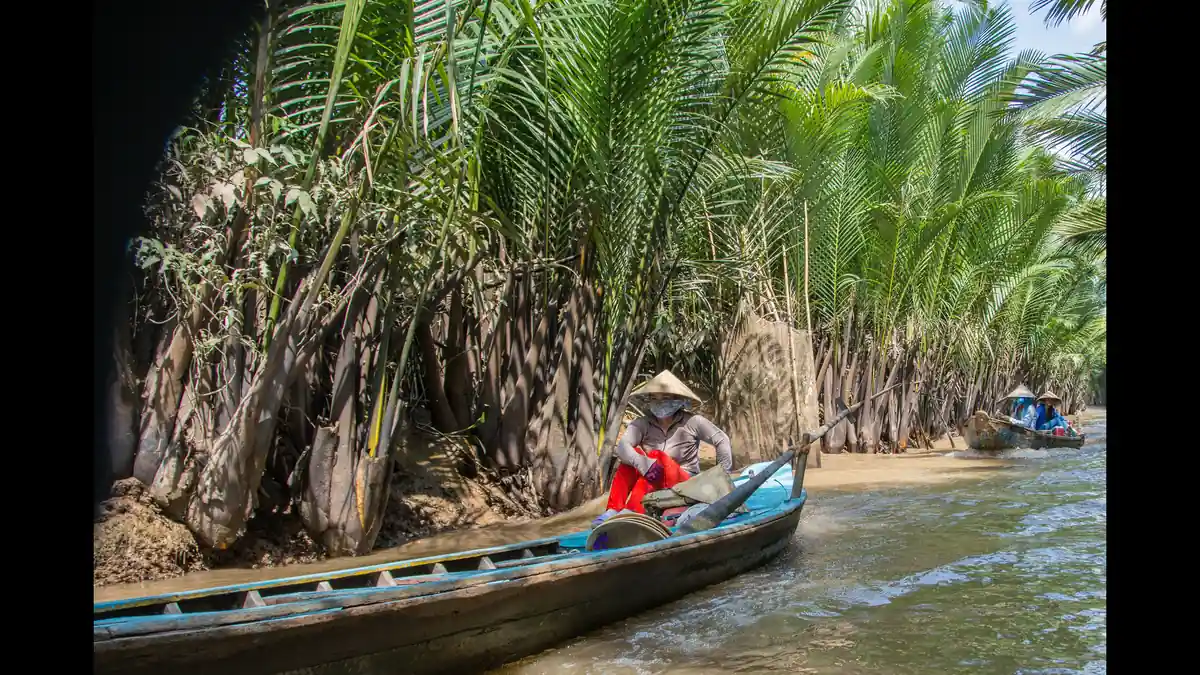
A typical My Tho and Ben Tre tour mixes boats and villages. You ride a larger boat across the broad river first. Then you transfer into a small hand-rowed sampan. Narrow canals pass beneath dense water coconut palms. The shade, silence, and slow pace feel deeply calming.
Stops usually include orchards, honey tea, and local workshops. Ben Tre especially celebrates coconut in almost every form. You can watch makers prepare coconut candy by hand. You can also taste tropical fruit fresh from gardens. Lunch often features river fish and simple regional dishes.
Importantly, a one-day delta tour gives you a taste only. It shows canals, crafts, and village life well. It does not show the whole vast delta region. Accept that limit and the day feels rewarding. Expect a survey and you may feel rushed instead.
Can you see a floating market in one day?
This question causes the most confusion, so here is the truth. The famous floating markets sit mostly near Can Tho. Traders start very early, well before most day tours arrive. By mid-morning, the busiest wholesale trading already fades. A same-day dash therefore misses the market at its best.
You may still glimpse boats and river commerce en route. That glimpse can be pleasant and photogenic too. But it is not the full dawn market spectacle. If floating markets motivate your whole trip, change your plan. Sleep near the market and board a boat at dawn.
Can Tho and the Cai Rang floating market overnight
Can Tho sits much deeper in the delta. The road journey takes several hours each way. For that reason, a Can Tho Mekong Delta overnight works far better. You travel down one afternoon and relax that evening. Then you wake early for the river at its liveliest.
Why is Cai Rang floating market worth the night?
The Cai Rang floating market gathers boats loaded with produce. Sellers hang samples high on poles for buyers. Small boats weave between larger vessels selling breakfast and drinks. That busy, floating choreography rewards an early alarm completely. Photographers especially love the soft light and constant movement.
Can Tho also offers more than one dawn boat ride. You can explore markets, canals, and riverside neighbourhoods at leisure. Evenings bring night markets and relaxed waterfront dining. In short, the overnight turns a rushed detour into a destination. Anyone with two spare days should choose this version.
Regional comparisons help you set expectations too. For instance, night exploration feels different in our guide to places to visit in Taipei at night. Can Tho nights feel slower, warmer, and more local.
Vung Tau, the closest beach escape
Many travellers ask about the closest beach to Ho Chi Minh City. Vung Tau usually provides the practical answer. This coastal city lies southeast, roughly two to three hours by road. Ferries and buses also connect it with the city. Locals treat it as their regular weekend reset.
What should you do on a Vung Tau beach day trip?
A Vung Tau beach day trip mixes swimming, seafood, and viewpoints. Front Beach feels central and lively near town facilities. Back Beach stretches longer and suits swimming and strolling. You can choose your base according to your mood. Both areas fill noticeably on sunny weekends.
Above town stands the large Christ statue on a hill. Visitors climb steps for wide coastal views up there. Modest dress rules apply at this religious site. Nearby, the old lighthouse also offers sweeping panoramas. Together, those viewpoints give Vung Tau more than sand alone.
Set your beach expectations honestly before you go. Vung Tau offers convenience, seafood, and fresh sea air. It does not offer remote island perfection or empty shores. Go for an easy reset, not a paradise fantasy. Then its lively promenades and grilled seafood will delight you.
Asia beach comparisons can sharpen your planning. For example, our guide to places to visit in Kuta Bali Indonesia covers a surf-focused coast. Vung Tau, by contrast, suits a simple city break better.
Can Gio mangrove forest and Monkey Island
Southeast again, Can Gio offers green shade instead of beach crowds. The Can Gio mangrove forest forms a protected coastal ecosystem. A ferry crossing marks your entry into quieter territory. Afterward, flat roads run through dense green corridors. The contrast with downtown traffic feels immediate and striking.
What makes Monkey Island Can Gio memorable?
Monkey Island Can Gio lets visitors watch troops of macaques closely. The monkeys move boldly around paths and feeding areas. Therefore, you should guard sunglasses, snacks, and loose items carefully. Staff guidance keeps both visitors and animals safer. Children usually rank this stop among their favourites.
Beyond monkeys, boat rides explore the mangrove channels deeply. You can spot birds, crabs, and tangled root systems. Guides also explain how the forest protects the coastline. That ecological story gives Can Gio real substance. Nature lovers and families both gain from this trip.
Can Gio suits travellers who dislike long road days. It sits closer than most destinations in this guide. You still need a full relaxed day for it. Rush it and you miss its calm completely. Weekdays usually feel quieter than weekends here too.
Which trip suits which traveller?
Choice overload helps nobody, so use your travel style first. First-time visitors often want one history day and one nature day. That pairing usually means Cu Chi plus the delta. Couples, meanwhile, often prefer Can Gio or an overnight Can Tho trip. Both options feel less hurried and more atmospheric.
- History first: Choose Cu Chi, ideally with Tay Ninh.
- River life first: Choose My Tho and Ben Tre in one day.
- Floating market first: Choose Can Tho and stay overnight.
- Beach first: Choose Vung Tau for the easiest coast day.
- Nature first: Choose Can Gio for forest and wildlife.
- Faith and colour first: Choose Tay Ninh and its temple.
Short stays demand discipline, so pick only one major trip. A single well-chosen day beats two exhausted ones. Longer stays allow a northwest day plus a southern day. You can even add Vung Tau after those two. Spacing rest days between trips keeps energy high.
City context also matters before you leave town. Our overview of where is the best place to visit in Vietnam helps you rank regions. Southern escapes suit winter sun and short itineraries well. Northern mountains, by contrast, need separate dedicated time.
Should you book a tour or travel independently?
Most first-time visitors benefit from an organised tour here. Tours bundle transport, guides, boats, and site entry smoothly. That bundle removes language and logistics stress completely. Small groups usually feel calmer than large bus groups. Ask about group size before you book anything.
Independent travel suits confident, flexible travellers better. Private drivers offer freedom, but you arrange everything yourself. Public buses cost less, yet they consume more time. Language gaps can also complicate rural connections significantly. Honestly assess your patience before choosing this route.
Combinations deserve special caution from every traveller. Some operators pair distant sights into marathon days. Those days can exceed twelve hours door to door. Read the itinerary carefully and count the road hours. A cheaper tour can cost you your evening energy.
Season also shapes your decision in southern Vietnam. Dry months generally give easier boating and beach days. Wet months bring heavy afternoon showers quite often. Rain rarely ruins a tunnel or temple visit, though. It can, however, shorten open boat rides noticeably.
How can you plan two escape days well?
Start with the northwest loop on your first free day. Do Cu Chi alone for a gentler half day. Or combine it with Tay Ninh for a full day. Then rest in the city the following morning. That pause helps you enjoy evening food streets properly.
Use your second escape day for water. Pick My Tho and Ben Tre for a single day. Or commit to Can Tho overnight for floating markets. That southern choice depends entirely on your priority. Never try to force both southern versions together.
Save Vung Tau or Can Gio for a third day. Both sit southeast, but they offer opposite moods. Vung Tau feels urban, breezy, and seafood focused. Can Gio feels quiet, shaded, and wildlife focused. Choose the mood you still miss at that point.
Broader Asia planning follows the same logic. For example, seasonal guides like places to visit in Osaka during summer reward early pacing. Similarly, our list of top 15 places to visit in Kyoto rewards clustered days. Southern Vietnam rewards that same clustered thinking too.
Practical tips for smoother day trips
Leave early for almost every trip in this guide. Early starts beat heat, crowds, and city traffic. They also protect your evening plans back in town. Most organised tours collect guests from central districts. Confirm your exact pickup point the night before.
Pack light, but pack with the destination in mind. Bring sun protection, water, and insect repellent daily. Wear modest clothing for temples and religious statues. Carry small cash for snacks, drinks, and local purchases. Card payment remains unreliable in many rural stops.
Motion and comfort matter on boats and rural roads. Sensitive travellers should sit near the front of vehicles. They should also eat a simple breakfast before departure. Tunnel visitors should wear clothes that tolerate dust. Beach visitors should pack a dry change of clothes.
Finally, keep your expectations kind and realistic. These trips show working landscapes, not staged theme parks. Traffic, weather, and crowds will shape each day slightly. That unpredictability forms part of real southern Vietnam. Embrace it and every escape feels richer.
Frequently asked questions
What are the best places to visit near Ho Chi Minh City?
The strongest choices are Cu Chi, the Mekong Delta, and Tay Ninh. Vung Tau and Can Gio complete the classic shortlist. Your best pick depends on history, nature, or beach priorities. Most visitors start with Cu Chi or the delta.
How many day trips from Ho Chi Minh City should you take?
Take one trip during a very short city stay. Take two trips if you stay four days. Add an overnight Can Tho trip with extra time. Spacing matters more than squeezing in another stop.
Can you visit the Mekong Delta in one day?
Yes, you can visit My Tho and Ben Tre comfortably. Those towns give you canals, orchards, and village workshops. However, you cannot do the dawn floating markets justice. Stay overnight near Can Tho for that experience.
Can you combine Cu Chi and Cao Dai Temple in one day?
Yes, many tours combine both sights into one long day. You visit the tunnels first and the temple later. Expect early pickup and many hours on roads. The pairing suits time-poor history and culture lovers.
What is the closest beach to Ho Chi Minh City?
Vung Tau is the closest practical beach city for most visitors. It offers swimmable beaches, seafood, and coastal viewpoints. Travel takes roughly two to three hours by road. Weekdays usually feel calmer than weekends there.
Is Can Gio or Vung Tau better for a day trip?
Choose Can Gio for mangroves, monkeys, and quiet nature. Choose Vung Tau for swimming, seafood, and town comforts. Both lie southeast and need a full day. Your mood should decide between forest and coast.
Should you choose Ben Dinh or Ben Duoc at Cu Chi?
Choose Ben Dinh for the shorter, more common tour route. Choose Ben Duoc for a quieter, less-touristed visit overall. Both sites explain the tunnel system with guides. Allow extra road time for Ben Duoc.
In the end, places to visit near Saigon reveal the south properly. The best day trips from Saigon balance wonder with honest travel time. Pick one direction, leave early, and travel with curiosity. Then return to the city with stories beyond its streets.



