
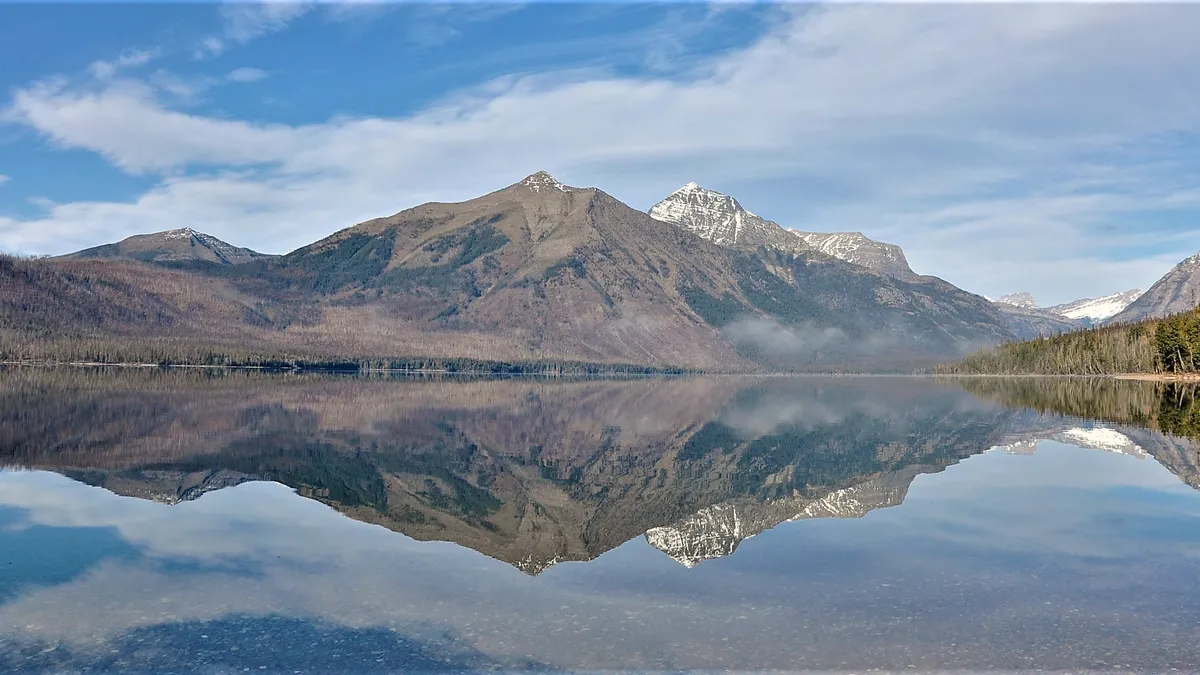
If you can visit only one place in Montana, choose Glacier National Park. That answer is not close. Glacier packs alpine lakes, sharp peaks, waterfalls, wildlife, and one legendary mountain road into a single trip. Moreover, it delivers that mix without demanding expert skills from you. Short walks suit beginners, while longer trails reward serious hikers. Consequently, Glacier National Park Montana earns the top spot for most first trips.
Still, the honest answer needs one clear caveat. Glacier wins in summer, yet it does not win every season or every trip style. For example, winter travellers often prefer Whitefish or Big Sky country. Wildlife-first visitors may love Yellowstone even more. History lovers, meanwhile, may remember Little Bighorn longest. Therefore, this guide gives you a clear winner first, and then it shows exactly when a runner-up beats it.
What is the best place to visit in Montana?
The best place to visit in Montana is Glacier National Park, in the northwest corner of the state. Locals call it the Crown of the Continent, and the nickname fits the scenery. Jagged ridges rise above turquoise lakes, and glaciers still cling to the highest cirques. Additionally, hanging valleys spill waterfalls down dark rock walls. Few American parks compress this much drama into such a compact area.
Glacier also wins because it suits many kinds of travellers at once. Families can picnic beside a calm lake and still feel deep inside wild country. Photographers, on the other hand, can chase sunrise light across a high pass. Anglers find cold, clear water, while road trippers get a drive they will describe for years. In short, Glacier works as a complete Montana vacation, not just a single photo stop.
Importantly, Glacier feels different from other famous mountain parks. It feels older, wetter, and wilder in the best possible way. Dense cedar forests line the west side, and open alpine meadows spread across the east. Bears, mountain goats, and bighorn sheep still shape how rangers advise every hike. As a result, a visit here feels like an encounter with living wilderness, not a tour through a scenic backdrop.
Why does Glacier National Park win so clearly?
Glacier wins on variety first. Within a few days, you can drive a cliff-edge road, paddle a glassy lake, and walk beneath ancient cedars. You can also watch waterfalls, scan meadows for bears, and end the day in a historic lodge. Very few places to visit in Montana offer that range in one base area. Indeed, most rivals do one thing superbly, while Glacier does nearly everything well.
How does the scenery set Glacier apart?
The scenery here has a vertical quality that photographs rarely capture honestly. Peaks crowd close together, so valleys feel deep and enclosed. Meanwhile, meltwater lakes glow in shades of blue and green that shift with the light. Lake McDonald stretches long and calm on the west side, reflecting the mountains on still mornings. St. Mary Lake, by contrast, feels wilder and windier, with a small island sitting beneath towering walls.
Water shapes almost every memorable view in the park. Avalanche Creek cuts a narrow, mossy gorge below towering cedars. Hidden Lake sits above Logan Pass, framed by Bearhat Mountain. Furthermore, roadside falls pour beside the highway after snowmelt, so even drivers share in the spectacle.
What makes Going-to-the-Sun Road so special?
Going-to-the-Sun Road is the single most famous drive in Montana, and it deserves the reputation. The road crosses the park from West Glacier to St. Mary, climbing over the Continental Divide at Logan Pass. Along the way, it hugs cliffs, passes waterfalls, and opens sudden views down deep valleys. For many visitors, this drive alone justifies the entire trip north.
However, you must plan around its short season. Snow keeps the high section closed for much of the year, and crews clear it only when conditions allow. Generally, the full road opens sometime in summer and closes again with autumn storms. Exact dates change every year, so check current park information close to your trip. Besides that, narrow sections and vehicle limits apply, which makes early starts and patient driving essential.
Logan Pass rewards those early starts generously. Alpine wildflowers colour the meadows in midsummer, and goats often graze near the visitor centre. The Highline Trail starts here too, traversing a ledge with a garden of flowers below the path. Alternatively, the shorter Hidden Lake overlook walk suits families and casual walkers. Either way, arrive early, because the small parking area fills quickly on clear days.
Which hikes should first-time visitors choose?
First-time visitors should start with short, high-reward trails near the main road. Trail of the Cedars winds through old-growth forest on an easy, mostly level path. Nearby, the Avalanche Lake trail climbs gently to a lake fed by several falls. Both walks suit most fitness levels, and both show Glacier at its greenest. Consequently, they make an ideal first morning in the park.
Stronger hikers can then aim higher later in the trip. The Grinnell Glacier trail climbs past blue lakes toward one of the park’s best-known glaciers. Siyeh Pass and the Highline, meanwhile, deliver big alpine days with sweeping views. Rangers still urge caution on every route, though. Carry bear spray, make noise, and store food properly, because this is prime grizzly country. Above all, treat safety advice here as essential, not optional.
When should you visit Glacier for the best experience?
The best time to visit Montana for Glacier is usually midsummer through early autumn. Trails at high elevation clear slowly, so July and August offer the widest choice. September, however, often brings quieter trails, golden larch colour, and cooler hiking weather. Crowds thin noticeably after the main holiday rush ends. For photographers, that shoulder window can feel like the sweet spot of the whole year.
Spring visits require more flexibility and lower expectations. Lower valleys green up early, and waterfalls run powerfully with snowmelt. Nevertheless, the famous high road may still be closed, and many trails stay snowy. Winter changes the park completely, with deep snow, quiet roads, and very limited services. In other words, Glacier is fundamentally a summer winner, and timing matters enormously here.
Which Montana runners-up deserve serious consideration?
Glacier takes the crown, but Montana is the fourth-largest state, and its other regions are genuinely excellent. Distances, though, are huge, so you cannot casually combine everything into one weekend. A smart Montana road trip itinerary picks one region and explores it properly. The runners-up below each lead a different kind of trip. Read them by travel style, not by a simple ranked list.
Why do wildlife lovers choose Yellowstone’s Montana gateways?
Wildlife lovers often choose Yellowstone, and honestly, they have a strong case. Only a small part of Yellowstone sits in Montana, yet its northern entrances are pure Montana towns. Gardiner guards the north entrance, while West Yellowstone serves the west side. Cooke City, meanwhile, sits near the northeast entrance and the famous Lamar Valley. From these bases, visitors enter the park early, when animals move most actively.
Lamar Valley delivers wildlife viewing that Glacier rarely matches. Wolves, bison herds, grizzlies, and pronghorn share its wide open grasslands. Moreover, the Beartooth Highway links Red Lodge to that northeast entrance in spectacular fashion. That seasonal road climbs through alpine tundra to nearly eleven thousand feet. Therefore, a Yellowstone-focused trip can pair world-class wildlife with an unforgettable drive.
So when does Yellowstone beat Glacier outright? It wins for wildlife-first trips, geothermal fans, and visits outside Glacier’s short summer window. Yellowstone’s northern road stays open to cars year-round, which changes winter planning completely. Bison in snow, steaming rivers, and wolf watching in Lamar feel magical in January. If animals top your list, choose Yellowstone without guilt. Glacier will still be waiting for a future summer.
What does Bozeman offer beyond a gateway?
Bozeman is the most complete town base in Montana, and it keeps improving. Its downtown mixes historic brick storefronts with bookshops, galleries, and lively restaurants. Montana State University adds energy, lectures, and sporting fixtures through the year. Speaking of sport, fans curious about the state’s teams should explore our deep dive into Montana professional sports teams and Big Sky athletic culture before a game day in town.
The Museum of the Rockies anchors Bozeman’s cultural appeal for families. Its dinosaur halls display remarkable fossils from Montana’s ancient past, including famous tyrannosaur finds. Children love the scale of the skeletons, and adults appreciate the careful science behind them. Additionally, the museum covers regional history and hosts a planetarium. Rainy days, arrival days, and departure days all suit a visit here perfectly.
Outdoors, Bozeman punches far above its size. Hyalite Canyon lies a short drive south, with a reservoir, waterfalls, and trails for every level. In winter, that same canyon becomes a renowned ice-climbing venue. Bridger Bowl offers local-feeling skiing nearby, while Big Sky Resort spreads bigger terrain further south. Fly fishing on the Gallatin and Yellowstone rivers fills the warmer months. Altogether, Bozeman suits travellers who want town comfort and wild country in equal measure.
Why do travellers love Missoula’s river-town charm?
Missoula sits where several rivers and valleys meet, and that geography shapes its relaxed character. The Clark Fork River runs right through town, with trails and parks along its banks. Surfers even ride a standing river wave near the downtown bridges in warmer months. Meanwhile, tubers float gentle stretches on long summer evenings. Few Montana towns blend outdoor life and daily life this seamlessly.
Culture gives Missoula its second layer of appeal. The university brings theatre, music, and a youthful dining scene to the valley. Farmers markets fill summer weekends with local produce, flowers, and street food. History fans, furthermore, can visit Fort Missoula and its museum grounds on the town’s edge.
Missoula also works brilliantly as a touring base. Day trips reach the Bitterroot Valley, the National Bison Range, and quiet mountain lakes. Anglers revere the nearby Blackfoot and Bitterroot rivers for classic fly fishing. Choose Missoula if you want a slower, arts-friendly base with rivers at its heart.
When does Whitefish beat Glacier?
Whitefish beats Glacier in winter, and the contest is not particularly close then. Whitefish Mountain Resort spreads broad, tree-lined slopes above a handsome railway town. Skiers and snowboarders get varied terrain, while non-skiers enjoy sleigh rides, snowshoeing, and cosy downtown evenings. Restaurants, galleries, and a historic depot give the town real character beyond the slopes. Consequently, Whitefish is Montana’s easiest winter recommendation.
Summer in Whitefish is lovely too, just in a supporting role. Whitefish Lake offers swimming, paddling, and boat days close to town. Hikers and mountain bikers use the resort lifts and the trail network around the lake. Many visitors, in fact, sleep in Whitefish while day-tripping into Glacier’s west side. That pairing gives you park days and town nights together.
Why should history travellers head to Little Bighorn country?
Little Bighorn Battlefield National Monument preserves one of the most significant landscapes in American history. Here, in 1876, Lakota, Cheyenne, and Arapaho warriors defeated Custer’s cavalry command. Markers spread across the rolling grassland show where soldiers and warriors fell. The Indian Memorial honours Native participants with dignity and powerful symbolism. Standing on Last Stand Hill, most visitors fall quiet without being asked.
The experience rewards preparation and unhurried time. Read or listen to the battle’s story before you walk the ground, because context transforms the visit. Ranger talks and the visitor centre exhibits explain both Army and Native perspectives carefully. Admittedly, the monument sits far from Montana’s mountain highlights, in the state’s southeast. That distance keeps crowds low, yet it also demands a deliberate route.
Eastern Montana holds quieter surprises beyond the battlefield too. Makoshika State Park protects colourful badlands and dinosaur fossil country near Glendive. Pompeys Pillar preserves a signature carved by William Clark during the Lewis and Clark expedition. Together, these stops reveal a prairie Montana that many visitors never see at all.
What about Flathead Lake and the Beartooth Highway?
Flathead Lake Montana claims the title of largest natural freshwater lake west of the Mississippi River. Its clear water, cherry orchards, and island state park make summer days feel almost coastal. Bigfork, on the northeast shore, adds galleries, theatre, and good dining to lake time. Wild Horse Island, reachable only by boat, protects wild horses, bighorn sheep, and old pine forest. Paddlers especially love the quiet crossing on calm mornings.
The Beartooth Highway, by contrast, is a drive rather than a destination. It links Red Lodge with Yellowstone’s northeast entrance across a high alpine plateau. Switchbacks climb past small lakes, tundra flowers, and snowfields that linger into summer. Because the road is seasonal and weather-sensitive, check conditions before committing to the route. Drivers who catch a clear day often rank it beside Going-to-the-Sun Road itself.
How should you choose between Glacier and the runners-up?
How does season change the answer?
Start with your season, because season decides more than taste in Montana. Visiting between July and September with mountains in mind? Glacier is the obvious answer. Travelling in winter for skiing and snowy towns? Whitefish or Big Sky should lead instead. Planning a spring wildlife trip with geothermal sights? Yellowstone’s gateways make far more sense.
How does your travel style change the answer?
Next, name your single priority honestly. First-time visitors chasing classic scenery should default to Glacier every time. Families wanting an easy town base with museums might prefer Bozeman. Couples seeking art, food, and river evenings will lean toward Missoula. Meanwhile, dedicated anglers should follow the rivers and the hatches, wherever they lead. Montana rewards travellers who commit to one theme instead of chasing everything.
Why do distances matter so much in Montana?
Finally, respect the map before you book anything. Glacier and Little Bighorn sit hours apart, with vast prairie between them. Likewise, Bozeman and Whitefish anchor opposite ends of most itineraries. Build your Montana road trip itinerary around one region, then add nearby stops generously. That approach produces relaxed days and better memories. Cramming the whole state into five days produces mostly windscreen time.
Readers planning a wider northern journey can compare Glacier with other Canadian Rockies icons in our guide to places to visit in Yoho National Park just across the border. Similarly, our roundup of the top outdoor places to visit in the US shows where Glacier ranks nationally. Adventure seekers may also enjoy our list of the best adventure places to visit in USA for a bigger trip shortlist.
Those building a continental route should browse our overview of what are the best places to visit in North America for context. Mountain lovers comparing summer states will find our guide to top places to visit in Colorado in summer a useful contrast.
What practical tips help a first Montana trip succeed?
How early should you book and what should you pack?
Book Glacier-area lodging far earlier than feels reasonable. Rooms near the park, and historic lodge rooms inside it, disappear quickly for summer. Gateway towns like Whitefish, Columbia Falls, and St. Mary widen your options considerably. Check cancellation terms carefully, though, because road and fire conditions can shift plans. Flexibility protects a Montana trip better than any single reservation.
Pack for several seasons inside one week. Mountain weather changes quickly, even in the middle of August. Warm layers, rain gear, sun protection, and sturdy footwear belong in every suitcase. Additionally, download maps offline, because coverage fades across long rural stretches. Fuel up whenever a town offers the chance. These habits sound dull, yet they prevent most Montana travel problems.
How should you behave around Montana wildlife?
Wildlife etiquette deserves one final, serious mention. Keep generous distances from bears, bison, moose, and elk at all times. Never feed animals, and never approach for a closer photograph. Instead, carry binoculars and enjoy watching natural behaviour from afar. Rangers close trails and areas when animals need space, so obey every closure immediately. Respect keeps both visitors and wildlife safer across Montana national parks and beyond.
Frequently asked questions
What is the number one attraction in Montana?
Glacier National Park is the number one attraction for most visitors. It combines alpine scenery, famous drives, hiking, and wildlife in one destination. Yellowstone draws bigger wildlife crowds, yet Glacier delivers the quintessential Montana mountain experience. First-time visitors with limited time should prioritise Glacier in summer.
How many days do you need in Glacier National Park?
Most visitors need at least two full days, and three feels far better. One day covers the great road and short walks near Logan Pass. Extra days add the Many Glacier valley, longer hikes, and a lake outing. Consequently, slower travellers remember far more than rushed ones.
What is the best month to visit Montana?
September often offers the best balance for mountain trips. Crowds ease, trails usually remain open, and autumn colour lights the valleys. July and August, however, guarantee the widest access to high trails and services. Winter travellers should instead target January or February for reliable snow sports.
Is Yellowstone or Glacier better for a first trip?
Glacier is better for classic mountain scenery and hiking-focused trips. Yellowstone is better for wildlife viewing and geothermal wonders like geysers and hot springs. Season matters too, because Yellowstone offers stronger winter and spring access. Choose by priority first, and let the calendar confirm your decision.
Which Montana town is best to stay in?
Whitefish suits Glacier trips and winter stays beautifully. Bozeman suits Yellowstone’s north side, museums, and a lively food scene. Missoula suits river lovers and travellers wanting a relaxed cultural base. Each town works well, so match the town to your main destination.
Can you see Glacier and Yellowstone in one trip?
Yes, you can, but the pairing needs a generous schedule. The parks sit several hours apart by road, with Bozeman roughly between them. Allow at least a week, and give each park multiple full days. Otherwise, the driving will quietly consume the holiday you planned.



