
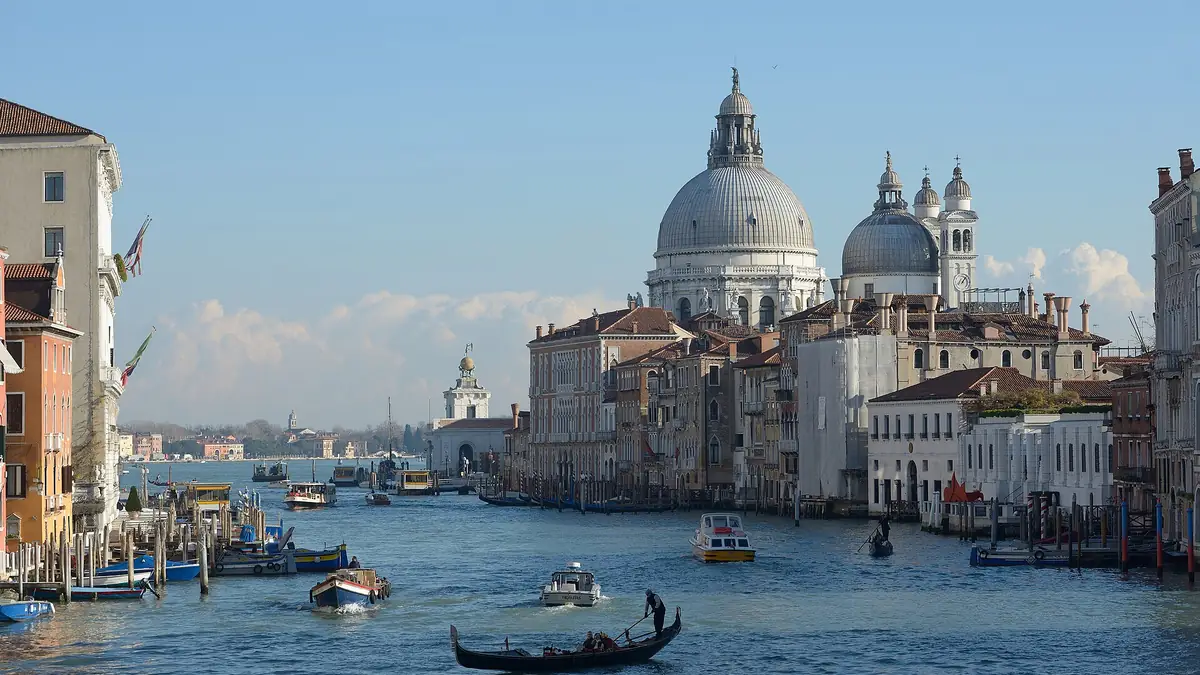
Ask ten people what places should I visit in Italy, and you will hear ten confident, completely different answers. Rome wins for some travellers. Others swear by a slow week in Tuscany, a boat along the Amalfi Coast, or a first morning in Venice before the crowds arrive. Honestly, all of them can be right. Italy is not one trip, after all. It is several trips wearing the same name, and your best route depends on your days, your pace, and your taste.
So this guide works differently from a flat list of sights. First, it matches places to the time you actually have. Then it matches them again to the kind of traveller you are. You will find ready sample routes below, plus honest advice on crowds, seasons, and rushed days. By the end, you should know exactly which version of Italy belongs on your trip.
How should you decide where to go in Italy?
Start with one simple rule. Pick fewer places, and give each place enough nights to breathe. Italy rewards lingering, because its best moments rarely sit on a checklist. A long lunch in a side street often beats a fourth museum in one day. Equally, a slow evening walk tells you more about a city than a rushed photo stop ever will.
Geography should shape your choice too. Rome, Florence, and Venice sit on fast rail lines, so they combine easily in one trip. Southern highlights behave differently, though. The Amalfi Coast, Sicily, and Puglia each demand slower travel and extra transfer time. Because of that, sensible travellers treat the south as its own chapter, not as a quick add-on.
Your interests then narrow the map further. History fans need Rome and Pompeii above almost everything else. Food lovers, in contrast, should build days around Bologna, Naples, and Sicily. Coast seekers will happiest near the sea, while returning visitors often prefer quieter regions like Umbria. Once your theme is clear, the route usually chooses itself.
How many days do you have for Italy?
Time is the honest filter here. A short trip can still feel rich, yet it cannot cover the whole country well. Below, each trip length gets its own route, with realistic pacing built in. Choose the route that fits your calendar, rather than squeezing a longer route into fewer days.
What can you see in Italy in just a few days?
With three or four days, choose one base and commit to it fully. Rome suits that plan best, because ancient sights, great food, and lively neighbourhoods sit close together. You can see the Colosseum, the Roman Forum, and Vatican City without changing hotels once. Alternatively, Venice works beautifully for a short, atmospheric break built around walking and water.
Resist the urge to add a second city, though. A single day trip is fine if you truly want one. Florence, for example, is reachable by fast train from Rome for a long day out. Still, sleeping in one place keeps the trip calm. Short trips feel generous when they go deep, and they feel exhausting when they try to go wide.
What does a one-week Italy itinerary look like?
Seven days opens the classic door. Two bases work well here, and three bases work only with light packing and early trains. The most reliable Italy itinerary 7 days long pairs Rome with Florence. You get empire and Renaissance in one route, with Tuscany day trips as a bonus. Another strong pairing joins Venice with the lakes for a slower, scenic week.
A sample week could run like this. Spend four nights in Rome, then take the train north for three nights in Florence. From Florence, one day can go to Siena or the Chianti hills. Such a week covers several of the best cities to visit in Italy without a single frantic day. Because transfers stay short, your sightseeing time stays high.
What should you add with two weeks or more in Italy?
Two weeks changes everything. Now the coast can join the cities, and the trip gains contrast and breathing room. A proven Italy itinerary 10 days long adds the Amalfi Coast to Rome and Florence. With fourteen days, you can widen the arc even further. That longer Italy itinerary 14 days route can include Venice, Cinque Terre, and a proper stay in Tuscany.
One balanced route runs south to north. Start in Rome, continue to Sorrento for the Amalfi Coast, and then travel up to Florence. After Florence, slow down in the Cinque Terre villages before finishing in Venice. Each leg moves in one direction, so no day is wasted doubling back. If Sicily tempts you instead, give the island its own full week rather than stealing days from everywhere else.
Which places in Italy suit your travel style?
Days tell you how much you can see. Taste tells you what deserves those days. The sections below sort the must-see places in Italy by traveller type, so you can build a route around what you love most. Read the profile that sounds like you, and let it set your priorities.
Where should first-time visitors go in Italy?
First-timers should start with the famous triangle. The classic Rome Florence Venice itinerary exists for a sound reason, since each city shows a different face of Italy. Rome brings ancient ruins, huge piazzas, and Vatican treasures. Florence, meanwhile, delivers Renaissance art at a gentle, walkable scale. Venice then adds something found nowhere else on Earth, a city built on water.
Together, these three form the essential places to visit in Italy for the first time. They also connect by fast train, which keeps planning simple. First trips work best without a car, complicated transfers, or obscure bases. Once you have seen the triangle, later trips can wander further. Until then, the classics earn their fame honestly.
Where should food lovers go in Italy?
Food lovers should plan around regions, not restaurants. Bologna is arguably the best places to visit in Italy for food lovers starting point, with rich ragù, fresh pasta, and busy food markets. Naples follows naturally, because pizza was born there and the street food scene stays gloriously unpolished. Sicily then adds markets, citrus, seafood, and sweets with Arab and Greek echoes.
Rome also deserves hungry days. Carbonara, cacio e pepe, and amatriciana all belong to the capital, and neighbourhood trattorias serve them best. In Tuscany, farm stays pair simple cooking with local wine in a way cities cannot match. Wherever you go, eat one regional dish per place at least. Italian food changes every few hundred kilometres, and that variety is half the pleasure.
Where should history fans go in Italy?
History fans should give Rome serious time. The Colosseum, the Forum, and Palatine Hill need unhurried hours, not a single rushed morning. Vatican City adds centuries of art and faith in one compact visit. South of Rome, Pompeii delivers the most moving history lesson in the country. Walking its preserved streets feels strangely intimate, because homes, bakeries, and baths still line them.
Florence and Ravenna reward art history lovers in particular. Florence holds the Uffizi, the Accademia, and Brunelleschi’s great dome. Ravenna, by contrast, hides dazzling Byzantine mosaics in quiet churches. Sicily adds Greek temples at Agrigento that rival sites in Greece itself. If deep history shapes your wider European trips, our guide to the historical and cultural places to visit in Paris makes a fine companion read.
Where should coast seekers go in Italy?
Coast seekers face a happy problem, because Italy has several very different shorelines. The Amalfi Coast is the famous one, with cliffs, lemon groves, and pastel towns stacked above the sea. Amalfi Coast places to visit include Positano for beauty, Amalfi town for history, and Ravello for calm gardens high above the water. Base in Sorrento if easy transport matters most to you.
Cinque Terre offers a wilder, walkable coast instead. Five villages link by train and cliff paths, so hikers can swim, walk, and eat in a new village each day. Puglia feels different again, with white towns, olive groves, and sandy beaches in the heel of Italy. Sardinia, meanwhile, suits pure beach weeks, thanks to clear water and long, pale shores. Choose by mood, since the best coastal places in Italy each deliver a distinct kind of seaside day.
Where should returning visitors go in Italy?
Returning visitors can skip the checklist and chase depth instead. Umbria is a gentle place to start, because Assisi, Perugia, and Orvieto offer medieval beauty without Tuscany’s crowds. The north opens up too. Turin brings royal palaces and grand cafés, while the Dolomites bring alpine trails and dramatic passes.
Lake trips also suit a second visit well. Lake Como and Lake Garda sit close together, yet they feel quite different in character. Como leans elegant, with villas and formal gardens along steep shores. Garda feels broader and more active, with sailing towns and mountain views at its northern end. And if this trip is mainly about travelling as a couple, our separate most romantic places to visit in Italy guide covers that couples angle in full, so this itinerary advice stays general for every traveller.
What are the best places to visit in Italy, region by region?
A quick regional pass helps before you lock a route. Central Italy holds Rome, Florence, Tuscany, and Umbria, so most first routes live there. The Tuscany hill towns deserve special mention. Siena, San Gimignano, and the Val d’Orcia give you towers, vineyards, and cypress roads within short drives of Florence.
Northern Italy mixes cities, lakes, and mountains in one compact arc. Milan adds fashion, design, and Leonardo’s Last Supper to the mix. Venice anchors the east, while Verona makes an easy, charming stop between the lakes and the lagoon. Because distances stay short, northern routes suit train travel beautifully.
Southern Italy runs at its own pace. Naples brings energy, pizza, and access to Pompeii and the coast. Further south, Sicily and Puglia each need proper time rather than a flying visit. Sicily mixes Greek ruins, Mount Etna, and Palermo’s markets into one large island week. Puglia answers with trulli houses, cliff towns like Polignano a Mare, and a slower, sunnier rhythm.
When is the best time to visit Italy?
Spring and early autumn usually win. April, May, September, and October bring warm days, open sights, and thinner crowds in most regions. For many travellers, that balance makes them the best time to visit Italy overall. Summer still works, yet it demands strategy. Heat builds in the cities, prices rise, and famous sights fill early.
Winter has quiet charms of its own. Rome and Florence feel local again, and museums become calm places to linger. The coast, however, slows right down outside the season, with fewer boats and shorter days. Whenever you travel, checking our wider best places to visit in Europe in summer guide can help you compare Italy with the rest of the continent before you book.
How do you avoid crowds and rushed days in Italy?
Honest advice first. You cannot fully escape crowds at the Colosseum or in Venice in high season. You can soften them, though, with early starts and smart timing. Visit headline sights at opening time, then spend afternoons in quieter neighbourhoods. Evenings often bring the best atmosphere anyway, once day visitors have gone home.
Pacing protects your trip just as much. Limit yourself to one major ticketed sight per day. Leave gaps for markets, churches, and unplanned gelato stops, because those gaps become favourite memories surprisingly often. Book key museums ahead where advance booking is offered, and keep one flexible half-day in every base. A route with slack absorbs delays gracefully, while a packed route breaks at the first late train.
Are you choosing between Italy and another European trip?
Sometimes the real question sits one level up. Italy competes with some wonderful alternatives, and each suits a different mood. Spain, for instance, pairs great cities with a warmer, later rhythm of life. If that tempts you, browse our best places to visit in Spain guide before deciding.
Portugal offers a gentler, coastal alternative at a slower pace. Our top places to visit in Porto guide shows why its riverside old town wins so many travellers over. Central Europe pulls in another direction entirely. History lovers may enjoy our top ten places to visit in Budapest roundup, while short-break fans can test a capital in a single day with our places to visit in Luxembourg in one day itinerary. Italy still wins for sheer variety, but knowing the alternatives sharpens your choice.
Frequently asked questions
What is the number one place to visit in Italy?
Rome takes that title for most travellers. It combines ancient ruins, Vatican City, famous food, and everyday street life in one city. Florence wins for devoted art lovers, though. The Amalfi Coast wins for travellers chasing scenery above all else.
How many days in Italy is enough for a first trip?
Seven days is a workable minimum for two bases. Ten days feels better, because you can add the coast or Tuscany without rushing. Fourteen days is the sweet spot for a full first route. Shorter trips still succeed when they stick to one city and explore it deeply.
What is the best Italy itinerary for first-time visitors?
The Rome, Florence, and Venice route is the safest answer. It covers ancient history, Renaissance art, and a one-of-a-kind canal city in one clean line. Trains link all three, so logistics stay easy. Add Tuscany or the Amalfi Coast only when your days allow both comfort and contrast.
Should I visit Sicily or Puglia on a first trip to Italy?
Usually, neither belongs on a short first trip. Both regions deserve their own dedicated journey later. Sicily needs at least a week to do its size justice. Puglia also rewards slow driving between its white towns and beaches. Choose one of them when Italy has already hooked you.
Do I need a car to visit Italy?
No, not for the classic city routes. Trains connect Rome, Florence, Venice, and Milan quickly and comfortably. A car helps most in Tuscany, Puglia, and rural Sicily, where villages spread out. Coastal areas often work better with ferries, buses, or drivers instead, since their roads twist and parking stays scarce.
What should I skip if my time in Italy is short?
Skip distance, not quality. Drop the furthest region from your route first, even if it looks wonderful in photos. One island, one extra coast, or one far city usually costs a full day in transfers. Protecting your best two or three bases will always beat collecting names on a map.



