
A long Mexican restaurant menu can stop a hungry table cold. Names blur together, sauces sound alike, and nobody wants to guess wrong. In fact, that confusion fades fast once you learn the menu logic. Most menus follow the same friendly pattern across the country. So read the pattern first, and the dishes will explain themselves. This guide walks through each section slowly and clearly. You will learn the core dishes, the sauces, and the heat signals. Above all, you will order with calm confidence next time.
Start with one simple truth about this cuisine. Cooks build most plates from a small set of building blocks. Those blocks are tortillas, beans, rice, salsas, cheese, and slow-cooked meats. Chefs then fold, roll, fry, bake, or simmer those blocks differently. Each technique creates a new dish with a familiar heart. Once you see the blocks, the menu stops feeling foreign. Instead, it reads like variations on a theme you already know.
Why does a Mexican restaurant menu feel overwhelming at first?
Spanish dish names carry much of the blame here. Many names describe a technique rather than the ingredients. For example, enchiladas simply means tortillas treated with chile sauce. A first-time reader cannot guess that from the word alone. Still, the names follow rules, and rules are learnable. Learn ten core words, and you unlock most of the page.
Portion language then adds a second layer of confusion. Some dishes arrive as snacks, while others arrive as full platters. The menu rarely shouts which is which, sadly. So new diners either under-order or drown in food. Regulars avoid that trap by reading section headings first. Headings quietly signal size, course, and price band. In short, the headings are your map, so use them.
How is a Mexican restaurant menu usually organised?
Most menus open with drinks and small starters. Then they move through soups, salads, and handheld dishes. Next come the combination plates and the house specialities. Desserts and coffee usually close the final page. That order mirrors the rhythm of the meal itself. Reading top to bottom therefore feels natural after one visit.
Combination plates deserve a special note for beginners. A combo plate bundles two or three smaller items together. Rice and beans also fill the rest of the plate. Combos suit curious diners who want variety in one order. They also reveal what the kitchen considers its core range. Our guide to Baccali Restaurant rewards this same slow, section-by-section reading habit.
What do antojitos actually include?
Antojitos means little cravings, and the name fits perfectly. Kitchens serve these dishes as starters, snacks, or light meals. The family includes tacos, tostadas, sopes, quesadillas, and tamales. Elote, the grilled corn snack, also belongs in this group. Esquites serves the same corn loose in a cup. Cooks dress both with lime, chile, cheese, and crema.
Order antojitos when you want to taste widely. A table can share three or four small plates easily. That approach turns the starter course into a tasting tour. It also protects your appetite for the mains later. Tamales show the slower side of this family. Cooks steam seasoned corn dough inside corn husks for tamales. The result therefore tastes soft, warm, and gently rich.
How do you choose between corn tortillas and flour tortillas?
Corn tortillas carry the deeper history in this cuisine. Cooks make them from masa, a dough of treated corn. Indeed, they taste earthy, slightly sweet, and satisfyingly chewy. Corn tortillas suit tacos, enchiladas, and most traditional plates. They also contain no wheat, which helps many diners. Ask for them warm, since heat wakes up their flavour.
Flour tortillas come from northern cooking traditions instead. Wheat flour gives them a soft, pliable, milder character. They wrap burritos beautifully without cracking under pressure. Large quesadillas also rely on their gentle stretch. Neither tortilla wins in every situation, honestly. Match the tortilla to the dish and your own taste. Most kitchens will happily swap one for the other.
How do tacos work, from street style to full plates?
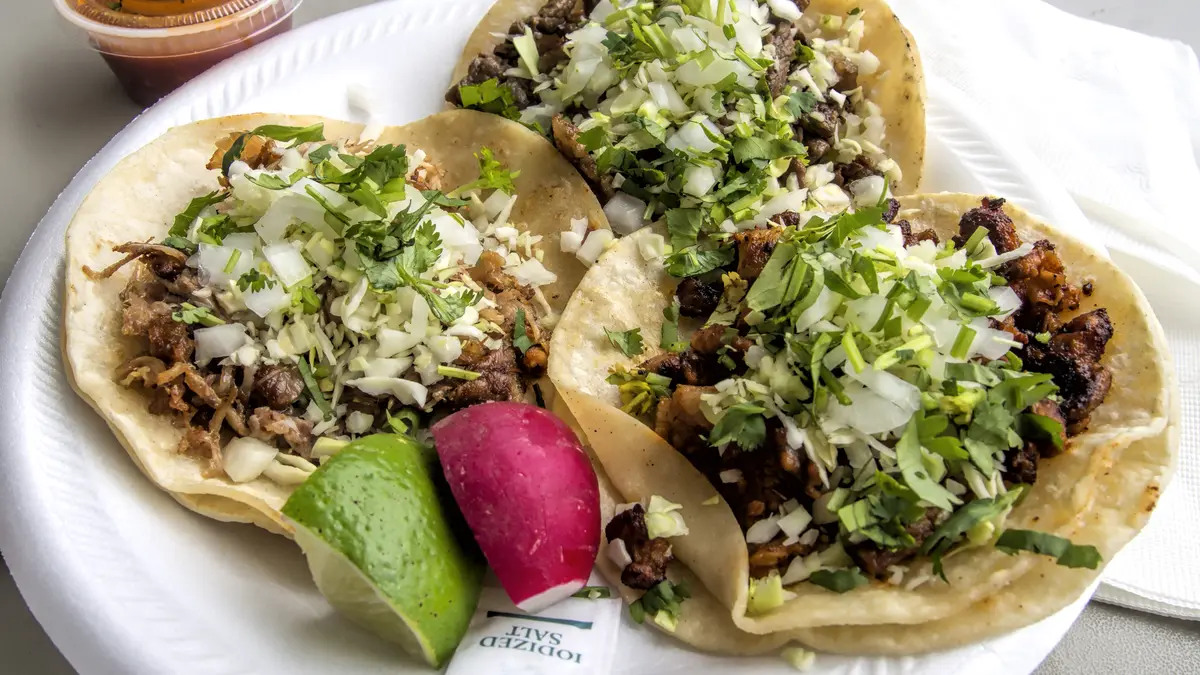
A classic street taco keeps things beautifully simple. First, the cook warms two small corn tortillas for each taco. Meat goes in the middle, still juicy from the grill. Raw onion and fresh coriander finish the top. Finally, a lime wedge and salsa complete the ritual. Lettuce, tomato, and hard shells belong to other traditions.
Tacos al pastor tell the most famous taco story. Cooks marinate pork with dried chiles, spices, and pineapple juice. They then stack the meat on a vertical spit. The spit turns slowly beside the heat all day. Finally, the cook shaves crisp slices straight onto tortillas. A small piece of roasted pineapple crowns each taco. The flavour lands sweet, smoky, tangy, and warm at once.
Which taco fillings should a first-timer try first?
Carne asada makes an easy and friendly starting point. The kitchen grills seasoned beef and chops it small. Carnitas offers a richer and softer alternative. Cooks simmer pork slowly until the edges turn crisp. Chicken tinga brings a gentle tomato and chipotle warmth. Baja-style fish tacos add crunch, cabbage, and creamy sauce. Order one of two kinds first, then compare notes. Your favourite will announce itself without any debate.
What is the difference between a burrito, an enchilada and a chimichanga?
A burrito wraps a full meal inside one large tortilla. Cooks use a flour tortilla for strength and flexibility. Rice, beans, meat, cheese, and salsa usually fill it. You eat it by hand, and it travels well. A wet burrito arrives under sauce with melted cheese. That version needs a knife and fork instead.
An enchilada plate follows a different and saucier logic. The cook rolls corn tortillas around a modest filling. Sauce then covers the rolls from end to end. Cheese then melts over the top in the oven. The filling almost plays a supporting role here. Sauce, tortilla, and cheese carry the dish together.
A chimichanga starts life as a burrito, basically. The kitchen then deep-fries the wrapped parcel until crisp. The shell turns golden and shatters slightly when cut. Sour cream and guacamole usually cool the top. So order one when you want richness and crunch together. Share it, though, since portions run generous.
How do enchilada sauces change the whole dish?
Sauce choice matters more than filling choice here. Salsa verde brings a bright and tangy character. Tomatillos, green chiles, onion, and coriander build that sauce. It cuts through cheese and cream beautifully. Salsa roja offers a deeper and warmer flavour instead. Cooks blend red tomatoes with dried red chiles there. The result tastes rounder, earthier, and gently smoky.
Suizas-style enchiladas add a creamy green twist. The kitchen folds cream into the green sauce. Melted cheese then blankets the whole plate. Enchiladas mineras come from Guanajuato mining country tradition. Their sauce carries chile, garlic, and a little oregano. Cooks often top them with potato, carrot, and cheese. Each sauce name therefore works as a flavour promise.
What should you know about mole before you order it?
Mole means sauce, and Mexico counts dozens of versions. Mole poblano is the most famous of them all. Cooks build it from dried chiles, spices, nuts, and seeds. A little chocolate deepens the sauce without sweetening it. The flavour unfolds slowly, layer after layer. Turkey or chicken usually carries it on the plate.
Mole rewards patience in the kitchen above all. Cooks toast and grind many ingredients by hand traditionally. That slow work echoes old tools like the food mill. Our applesauce food mill recipe story celebrates that same patient tradition. Ask your server which mole the kitchen serves today. Houses often rotate moles or guard one signature recipe. First-timers should taste a small spoonful before committing fully.
How can you judge heat before the food arrives?
Heat in this cuisine usually lives in the salsa. Most dishes arrive flavourful rather than fiercely hot. The salsa on top decides the final fire level. So taste a tiny amount before you pour freely. Table salsas often come in green and red pairs. Neither colour guarantees mildness, despite common belief.
Chile names give you the clearest heat clues. Jalapeño brings a friendly and moderate warmth. Serrano tastes sharper, greener, and noticeably hotter. Habanero delivers serious fire with a fruity edge. Chipotle adds smoke first and heat second. A chile relleno uses a poblano, which stays mild. Cooks stuff that poblano with cheese, batter it, and fry it. Crema, lime, and rice all cool a hot bite. Dairy calms chile heat far better than water does.
Which regional styles hide inside one menu?
One menu can quietly cross several Mexican states. Baja contributes battered fish tacos and fresh seafood tostadas. Yucatán sends cochinita pibil, a slow citrus pork dish. Oaxaca brings complex moles and stretchy quesillo cheese. Puebla claims mole poblano and the hearty cemita sandwich. Northern states add flour tortillas and grilled beef traditions. Reading place names therefore turns dinner into geography.
Regional pride drives great cooking everywhere, of course. Our guide to Amaretto Italian Restaurant in Tampa shows that same pattern clearly. Tex-Mex cooking adds its own border-country chapter too. It favours yellow cheese, cumin, and sizzling fajita platters. Neither style cancels the other out, honestly. They simply answer different histories and different appetites. Our guide to the best places to visit in Latin America shows how wide that map runs.
What do soups and breakfast plates tell you about a kitchen?
Soups reveal a kitchen’s patience better than anything. Pozole simmers hominy in a rich seasoned broth for hours. Cooks serve it with cabbage, radish, onion, and lime. Diners then season their own bowls at the table. Menudo, a tripe soup, holds a beloved weekend place. Tortilla soup layers tomato broth, crisp strips, avocado, and cheese. A kitchen that simmers well usually grills well too.
Breakfast plates deserve attention at any hour. Chilaquiles fry tortilla pieces and bathe them in salsa. A fried egg or shredded chicken often joins them. Huevos rancheros set fried eggs on tortillas under salsa. Beans, potatoes, and warm tortillas complete the plate. Indeed, these dishes use humble parts with real skill. Order them when you want comfort without heaviness.
Which classic drinks pair well with rich food?
Aguas frescas refresh a table better than almost anything. Cooks blend water with fruit, flowers, rice, or seeds. Horchata tastes creamy, sweet, and softly spiced with cinnamon. Jamaica, made from hibiscus flowers, tastes tart and cranberry-like. Tamarind water brings a sweet and sour depth. These drinks cool chile heat and cleanse rich bites. A margarita follows a simpler and older formula. Tequila, fresh lime, and a touch of sweetness define it.
What should you save room for at dessert?
Churros make the happiest and easiest finish. Cooks fry ridged dough and roll it in cinnamon sugar. A small cup of chocolate sauce often joins them. Flan offers a cooler and silkier alternative instead. That baked custard carries a gentle caramel top. Tres leches cake soaks sponge in three milks. The result tastes light despite its creamy richness. So share one dessert between two people after big mains.
How do you build a balanced order for the whole table?
Begin with one shared starter for the table. Guacamole or queso with warm chips works beautifully. Then let each person choose one main dish. Add one extra taco round if curiosity runs high. This rhythm keeps the table relaxed and well fed. It also keeps the bill predictable and fair.
Balance richness with freshness across the order. Pair a cheesy enchilada plate with a bright salad. Set grilled meats beside beans, rice, and warm tortillas. Ask for salsas on the side when tastes differ. Our guide to the best restaurants in Montville NJ uses a similar shortlist method. Portion awareness helps everywhere, as our Peter Piper Pizza calories breakdown shows for pizza nights. Finally, tell your server about allergies and heat limits early. Good kitchens adjust dishes gladly when they know.
How can you spot authentic Mexican food on any menu?
Certain small signs point to a serious kitchen. Corn tortillas appear fresh, warm, and properly central. Salsas taste distinct rather than sweet and uniform. Menus name regional dishes beyond the usual combos. Cooks use onion and coriander on tacos, not lettuce piles. Beans also taste seasoned, never like an afterthought. These clues matter more than decor or slogans.
Practical checks help before you even sit down. Clean dining rooms and busy local tables reassure diners. Our look at Shelby County restaurant scores shows how diners check kitchens first. Authentic Mexican food values balance over blanket cheese coverage. Cheese plays one role among many bright flavours. When a menu respects that balance, order boldly.
How will you order on your next visit?
Walk in with the pattern, not with anxiety. First, scan the headings and find your course. Then pick a tortilla style and a sauce family. Next, choose your heat level with honest words. Finally, add one dish you have never tried. That single habit turns every visit into progress. Your Mexican restaurant menu will soon read like an old friend.
Frequently asked questions
What should a first-timer order from a Mexican restaurant menu?
Start with tacos or a combination plate, honestly. Tacos show off tortillas, meat, and salsa clearly. A combo plate samples enchiladas and other classics together. Add guacamole for the table while you decide. Ask which dish the kitchen feels proudest of. House pride therefore points to the freshest cooking.
What is the difference between salsa verde and salsa roja?
Tomatillos give salsa verde its green colour and tang. Cooks blend them with green chiles, onion, and coriander. Red tomatoes and dried chiles build salsa roja instead. That sauce tastes warmer, deeper, and slightly smoky. Neither colour reliably signals the hotter option. Always taste a little before adding a lot.
Is all authentic Mexican food very spicy?
No, and this myth surprises many new diners. Most dishes focus on flavour, balance, and aroma first. Heat usually arrives through salsas you control yourself. Kitchens happily serve sauces on the side on request. Mild options fill every section of the menu. Chilaquiles, quesadillas, and bean dishes stay gentle by default.
What does mole taste like?
Mole tastes deep, warm, and hard to pin down. Dried chiles bring earthiness and gentle heat together. Nuts and seeds add body and quiet richness. Spices like cinnamon and clove hum underneath everything. Chocolate deepens the colour and rounds the edges. It never tastes like a dessert sauce, though.
Which drinks help when a dish tastes too hot?
Horchata helps fastest, thanks to its creamy sweetness. Aguas frescas like jamaica also refresh a burning mouth. Also, milk-based drinks calm chile heat better than water. A plain bite of rice or tortilla helps too. Avoid gulping fizzy drinks during a heat spike. Their bubbles can make the burn feel sharper.
How can vegetarians order well from a Mexican menu?
Vegetarians actually enjoy a wide and generous choice. Bean burritos, cheese enchiladas, and veggie fajitas anchor most menus. Rajas con crema pairs poblano strips with cream and corn. Mushroom quesadillas and nopales dishes appear in many kitchens. Ask whether the beans use lard before ordering. In fact, kitchens answer that question often and honestly.



