
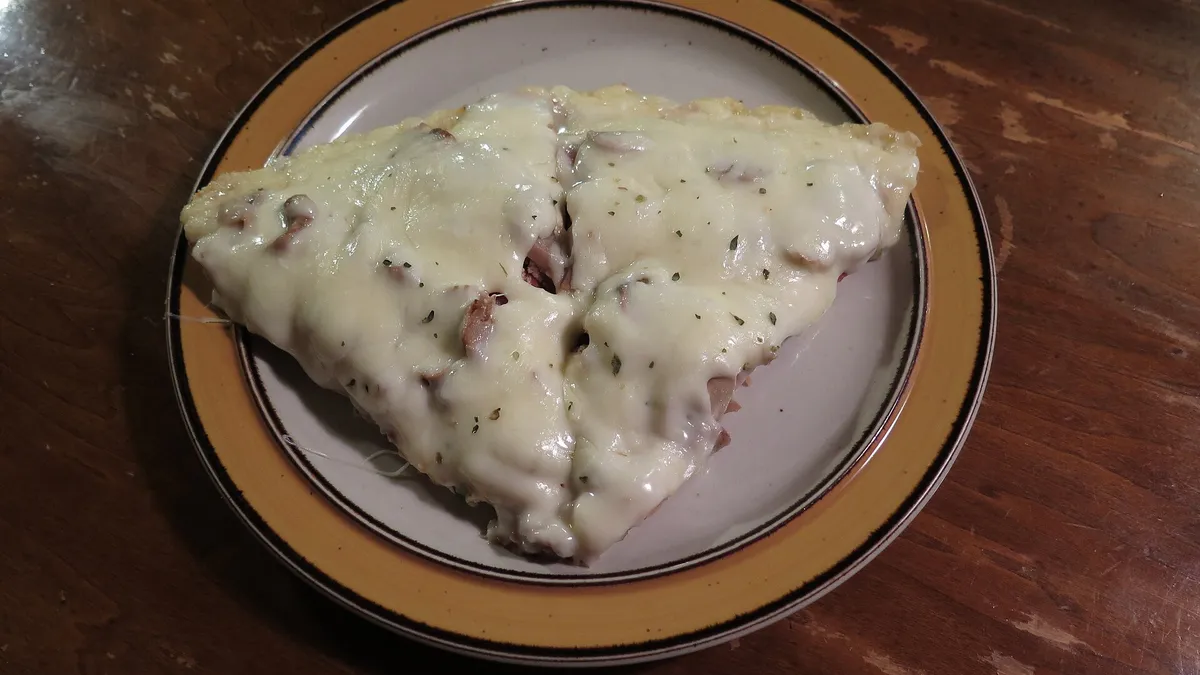
Peter Piper Pizza is built for noise, games, and shared pies. The Phoenix, Arizona chain mixes scratch-made dough, arcade floors, and birthday rooms in one busy dining room. Families love the format. Calorie trackers, however, often feel lost there. Search results promise neat tables for Peter Piper Pizza calories, yet those tables rarely agree. So which source deserves your trust?
The honest answer is simple. Only the company itself can confirm Peter Piper Pizza nutrition for its current menu. Recipes change, and portions drift over time. Therefore, this guide skips copied aggregator tables entirely. Instead, it shows you where the official information lives. It also explains how pizza calories work in general terms. As a result, you can read any official figure with confidence. You can also build a lighter order without guessing.
What Is the Quick Answer on Peter Piper Pizza Calories?
Start with the official source, always. Peter Piper Pizza publishes its nutrition and allergen information through an online nutrition portal. That portal carries a Peter Piper Pizza nutrition calculator style layout. You select an item, and then you review its listed values. In addition, the portal explains an important limit. Values are estimates based on standard serving portions. Actual servings can vary slightly at each visit. Therefore, treat every figure as a careful guide, not a lab result.
Why does this matter so much here? Third-party sites scrape old menus and user entries. Those entries then get copied again and again. Errors spread fast in that chain. In contrast, the official portal is maintained for the chain itself. It also covers the Peter Piper Pizza allergen menu in the same place. Consequently, one visit answers two questions at once.
Where Can You Find the Official Nutrition Information?
Head to the Peter Piper Pizza website first. Look for nutrition or allergen links in the site footer. Those links lead to the company nutrition portal. Alternatively, search for the chain name plus the word nutrition. Then check the result address carefully before you click. Official pages sit on the company domain or its linked portal. Fan blogs and coupon pages do not.
How Do You Read Peter Piper Pizza Nutrition Facts?
Reading Peter Piper Pizza nutrition facts takes a little practice. The serving basis is the first thing to check. Some values describe a single slice. Other values describe a whole item or a shared portion. Confusing those two bases ruins any comparison. Therefore, read the serving line before the calorie line. Then note the crust, size, and recipe name.
Next, scan the full panel, not just calories. Sodium, saturated fat, sugar, fiber, and protein all tell a story. However, sodium often runs high in restaurant pizza generally. Cheese and cured toppings contribute much of that sodium. Protein, on the other hand, helps a slice feel filling. In short, the panel rewards readers who look beyond one number.
Why Does the Serving Basis Change Everything?
Picture two diners comparing notes after lunch. One read a per-slice value. The other read a whole-pie value. Their totals look wildly different, yet both read real figures. The serving basis explains the gap. Similarly, a personal pizza and a shared large pizza slice differently. As a result, always match the basis to what you actually ate. Count slices honestly, and then multiply with care.
Buffet visits need the same discipline. Peter Piper lunch buffet calories depend on your own plate choices. Nobody can publish your personal total in advance. Therefore, buffet math is estimation by design. Use official per-item values as building blocks. Then add your own servings one by one. For more family budgeting ideas, our guide to bedtime snacks for kids and their costs shows the same careful approach at home.
What Drives Pizza Slice Calories by Crust, Size, and Toppings?
Pizza looks simple, yet its parts pull in different directions. Crust brings most of the carbohydrate base. Cheese brings richness and protein. Sauce brings flavor for relatively little weight. Toppings then swing the total up or down. Understanding pizza slice calories by crust and topping choices helps you predict any menu. You need the basic mechanics below, not memorized tables.
How Does Crust Thickness Change a Slice?
Thicker crust means more dough per slice. More dough means more calories from the base alone. Thin crust, in contrast, keeps the base light. The toppings then dominate the bite instead. Pan-style crusts can also absorb more oil during baking. That oil adds richness, and richness adds energy. Hand-tossed and original styles sit between those extremes. Therefore, crust choice is your biggest single lever. Pick it first, before you debate toppings.
Why Do Size and Slice Count Matter So Much?
Bigger pies get cut into bigger slices. That sounds obvious, yet people forget it at the table. A slice from a large pizza outweighs one from a personal pizza. The recipe may be identical. The portion, however, is not. Consequently, calories in a slice of pizza always depend on the pie behind it. Always note the size in the official listing. Then match it to the size you ordered.
Whole-pie thinking helps groups plan better. A whole pie multiplies the per-slice figure by the slice count. Sharing spreads that total across the table. Kids may stop after one slice. Adults may return for seconds and thirds. So plan with ranges, not single promises. Ranges respect real appetites at real tables.
How Do Cheese and Sauce Shift the Balance?
Cheese is both flavor and fuel. Mozzarella melts beautifully, and it carries fat and protein together. Extra cheese deepens richness fast. Light cheese, where offered, trims that richness back. Multi-cheese blends add more variety per bite. They also stack more dairy into the same slice. Therefore, cheese level is the second lever to watch. Ask how a specialty pie is built before you order it.
Sauce choices pull in another direction. Classic tomato sauce stays bright and relatively light. Creamy sauces, such as Alfredo-style bases, feel richer by nature. Ranch-style and barbecue-style sauces bring sweetness as well. That sweetness signals added sugar in general terms. Pesto-style sauces bring oil-based richness instead. Still, sauce sets the tone for the whole slice. Choose it with your goals in mind.
Which Toppings Add the Most, and Which Add the Least?
Processed meats add more calories and sodium than vegetables. That general principle holds across pizza menus everywhere. Pepperoni, sausage, and bacon bring fat along with flavor. Ham and seasoned beef sit in a similar rich category. Each extra meat layer compounds the effect. In contrast, vegetables add bulk, crunch, and color for very little energy. Peppers, onions, and mushrooms fill a slice generously. Tomatoes and olives bring flavor with modest weight. Grilled chicken, meanwhile, adds protein in a leaner style than cured meats.
Combinations explain specialty pies quickly. A meat-loaded pie stacks several rich toppings at once. A veggie-loaded pie stacks lighter ones instead. In short, read toppings as a pattern, not a list. Patterns predict a slice far better than names do. Restaurant menus reward this habit everywhere, from pizza counters to the plates described in our Fidelos Mexican restaurant menu experience.
How Do Peter Piper Pizza Menu Calories Vary by Category?
Peter Piper Pizza menu calories stretch far beyond pizza itself. Starters, salads, wings, desserts, and drinks all join the bill. Each category behaves differently, nutritionally speaking. Walking through them one by one builds useful instincts. Then official figures slot into a framework you already understand.
What Should You Know About the Pizzas Themselves?
Cheese pizza is the menu baseline. Every other build modifies that starting point. Pepperoni adds a cured, fatty layer on top. Veggie builds add produce instead of extra meat. Meat supreme builds stack several proteins together. Chicken Alfredo builds swap the sauce base entirely. Therefore, compare each specialty against plain cheese first. That comparison isolates what the toppings really change.
Build-your-own pies give you full control. You choose the crust, sauce, cheese level, and toppings. Control, however, cuts both ways. A careful build stays relatively light. A loaded build climbs quickly with each addition. In addition, half-and-half pies help mixed tables compromise. One side can stay veggie-forward, while the other carries richer favorites.
How Do Starters and Breads Fit In?
Starters arrive early, when hunger runs highest. Breadsticks and garlic cheese bread extend the dough theme. They add butter, cheese, and dipping sauce to the meal. Sharing changes their impact completely, though. A basket split six ways touches each plate lightly. The same basket for two people matters far more. So decide sharing plans before starters land.
Are Salads Always the Light Choice?
Salads look like the obvious light path. Greens, cucumbers, and tomatoes support that reputation well. However, dressings and toppings can redirect a salad fast. Creamy dressings add richness by the spoonful. Cheese, croutons, and candied-style toppings add more again. Therefore, read salad entries in the official guide carefully. Check whether dressing is included in the listed value. Then decide whether to ask for dressing on the side.
Portion control gets easier with that habit. Dressing on the side lets you add gradually. Many diners find they need less dressing than expected. In addition, salads add fiber and crunch to the table. Families comparing dining spots often notice the same pattern, as our guide to the best restaurants in Montville shows across cuisines.
How Should You Think About Wings, Desserts, and Drinks?
Wings bring protein with skin, coating, and sauce in play. Sauced wings carry extra sugar or butter depending on style. Sharing a basket spreads both flavor and load. Desserts then close the meal with sweetness. Cinnamon-sugar style dessert pizzas and soft serve style treats are celebration foods. A shared dessert often satisfies a whole table. One personal dessert after a full buffet is a different story.
Drinks hide in plain sight during long visits. Arcade time stretches a meal across hours of refills. Sugary sodas add up across repeated cups. Water, meanwhile, resets the palate between slices. Just notice the refill rhythm at your table. Awareness alone often slows it naturally. As a result, the meal total stays closer to your plan.
How Can You Build Low Calorie Options at Peter Piper?
Low calorie options at Peter Piper start with structure, not sacrifice. Choose a thinner crust as your foundation. Keep cheese at the standard level, or lighter where possible. Load vegetables generously for volume and crunch. Pick one protein instead of stacking several. That simple formula preserves the pizza experience fully. It simply removes the quietest excess layers. Then confirm the build in the official nutrition portal. Verified figures turn a good instinct into a solid plan.
Ordering language helps at the counter. Ask what crust styles are available for your size. Ask whether light cheese is an option that day. Request extra vegetables by name, since specifics get better results. In addition, consider a veggie-forward specialty as your shortcut. A Peter Piper Pizza veggie pizza style build does the balancing for you. Mushrooms, peppers, onions, olives, and tomatoes carry real flavor together.
- Start with the thinnest crust you genuinely enjoy eating.
- Keep one protein, and let vegetables do the heavy lifting.
- Choose tomato sauce when a lighter base fits your taste.
- Add a side salad first, with dressing served separately.
- Share starters and desserts instead of ordering personal rounds.
- Pick water between soda refills during long arcade sessions.
Gluten needs a separate conversation. Peter Piper Pizza gluten free options may appear on the menu seasonally or regionally. Availability varies, so check the current menu before you promise anyone a safe order. The allergen portal matters even more here. Cross-contact can happen in busy pizza kitchens. Staff should hear about allergies before an order is placed. Italian menus raise similar questions elsewhere, as readers see in our story on Amaretto Italian Restaurant in Tampa.
How Should You Handle the Lunch Buffet Without Overdoing It?
The weekday lunch buffet is a Peter Piper tradition. Pies rotate, salads wait nearby, and the pace feels relaxed. Buffet freedom, however, blurs portion awareness quickly. A slice here and a slice there adds up silently. Therefore, give yourself a loose plan before the first plate. Decide a slice range that fits your day. Then enjoy the variety inside that range without guilt.
Survey the line before loading your plate. New pies arrive hot throughout the service. Waiting for a favorite beats piling on backups. In addition, alternate rich slices with lighter ones. That rhythm keeps flavors interesting across the meal. It also steadies the overall balance without strict counting.
Kids experience buffets differently from adults. Excitement pushes them toward seconds before fullness registers. Gentle pacing helps more than rules at the table. Encourage a pause between plates, perhaps with a game round. Then let them choose the next slice deliberately. Our applesauce food mill recipe story celebrates that same unhurried rhythm at home.
How Can Families Plan Birthday Parties and Group Packages?
Peter Piper Pizza birthday party food is part of the fun, not a problem to solve. Party packages bundle pizza, drinks, and game play together. Hosts choose quantities based on guest counts and appetites. That planning stage is the moment to think about balance. Add salads where packages allow flexible choices. Mix cheese and veggie pies alongside pepperoni favorites. Guests then self-select portions that suit them. Nobody at a birthday needs a nutrition lecture. Choice quietly does the work instead.
Ask the party team direct questions while booking. Which pizza styles come with the package? Can one pie be veggie-forward for certain guests? How are drinks and refills handled during the event? Clear answers prevent day-of surprises completely. In addition, mention allergies to the team early. The Peter Piper Pizza allergen menu and staff guidance support safer planning.
Leftovers teach a useful lesson afterward. If several pies remain, portions ran generous, so adjust the next booking. Party rooms everywhere teach hosts this, much like the venues in our Baccali Restaurant dining experience feature.
What About Sodium, Allergens, and the Bigger Picture?
Calories get the headlines, yet they are only one chapter. Peter Piper Pizza nutrition includes sodium, sugar, and allergen detail for good reason. Restaurant pizza generally leans salty across the industry. People watching sodium should read that panel line closely. Pairing pizza with lower-sodium meals earlier in the day helps. Balance across a day beats perfection at one meal.
Allergen planning deserves equal respect, always. The official portal lists allergen information alongside nutrition values. It also warns that cross-contact cannot be fully guaranteed. Kitchens share surfaces, utensils, and busy ovens during service. Therefore, severe allergies need a staff conversation before ordering. Never rely on a menu description alone for safety. Inspection and transparency themes run through good food coverage generally. Our look at Shelby County restaurant scores shows why published standards matter to diners.
Finally, remember what this food is for. Peter Piper Pizza sells celebration as much as dinner. Kids remember the games, tickets, and shared slices fondly. Nutrition awareness should support that joy, not replace it. Use official figures when you need them. Choose lighter builds when they suit you. Then eat your chosen slice slowly and happily. In short, information plus pleasure beats guilt every time.
Frequently Asked Questions
How many calories in Peter Piper pizza slices, officially?
Check the company nutrition portal for the exact pie you ordered. Match the crust, size, and recipe name to your slice. However, remember the serving basis before you record any figure. A per-slice value and a whole-pie value mean different things. Therefore, your specific order always decides the right listing.
Where can you find Peter Piper Pizza nutrition facts you can trust?
Use the nutrition portal linked from the official Peter Piper Pizza website. It carries the company-maintained Peter Piper Pizza nutrition facts and allergen detail. Third-party tables may be outdated or copied without checks. In contrast, the portal reflects standard portions as the company defines them. Always confirm the address before trusting any page.
Does Peter Piper Pizza have a nutrition calculator?
Yes, the official portal works like a Peter Piper Pizza nutrition calculator. You browse items and review their listed values in one place. It also presents allergen information beside the nutrition panel. As a result, planners can screen a full group order together. Recheck it near your visit, since menus change over time.
What are the best lighter choices for a first visit?
Start with a thin crust and a veggie-forward build. Keep cheese standard and choose one protein at most. Add a side salad with dressing on the side. Then share any dessert with the table happily. That pattern delivers low calorie options at Peter Piper without shrinking the fun. Verify your final build in the portal for peace of mind.
How should you estimate Peter Piper lunch buffet calories?
Estimate from your own plate, one item at a time. Note each slice style you took from the line. Use official per-item values as your building blocks afterward. Refills and desserts belong in the same honest tally. Nobody can publish your personal buffet total in advance. Your choices create it, plate by plate.
Where is the Peter Piper Pizza allergen menu, and why does it matter?
The Peter Piper Pizza allergen menu sits inside the same official nutrition portal. It lists allergen information and cross-contact warnings for the menu. That detail matters before anyone with an allergy orders. Still, talk to staff directly about severe allergies every time. Written lists support that conversation, but they never replace it.



