
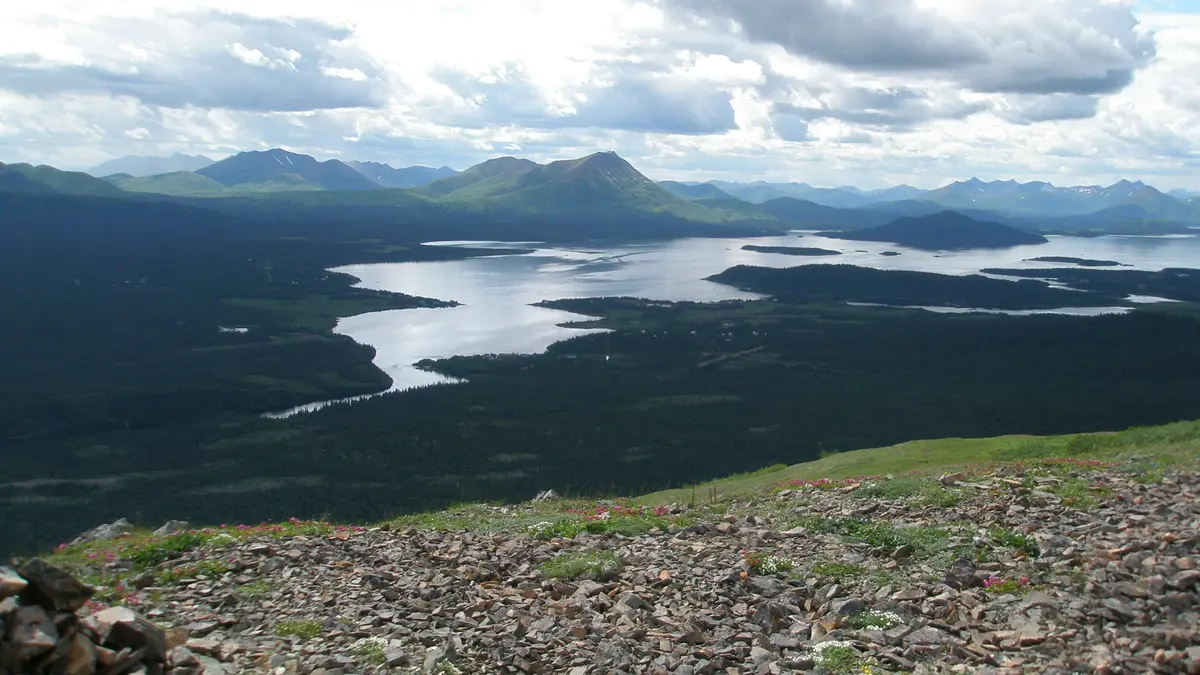
On a foggy morning in southwest Alaska, a school lesson, a clinic visit and a weather check can all depend on one fragile thing. That thing is a signal. Aleknagik sits at the head of the Wood River, on the southeast end of Lake Aleknagik, about 16 miles northwest of Dillingham. A road links its south shore to Dillingham, and a bridge now joins the north and south shores. Still, distance shapes everything here.
Life in this part of the state runs on salmon, seasons and careful planning. Most families take part in commercial or subsistence fishing, and the lake and river feed people all year. So technology here is not a luxury or a hobby. Instead, remote community technology is basic infrastructure, much like the dock, the airstrip and the powerhouse. When the signal works, a student can learn, a nurse can consult a doctor and a skipper can check the forecast. When it fails, however, the whole day can stall.
This guide explains how technology is changing life in rural and remote Alaska, using Aleknagik and the Bristol Bay region as the setting. First, it looks at connectivity, because every other service depends on it. Then it covers health, learning, energy, work and local government in turn. Finally, it faces the hard parts honestly, from brutal weather to high costs. If you want a wider view of where new tools are heading, our roundup of the latest tech innovations worth watching is a useful companion read.
What Is Life Like at the Edge of the Road System?
Aleknagik is home to only a few hundred residents, yet it carries the full weight of a self-reliant community. The name itself tells a story about this landscape. In Yup’ik, Aleknagik means “wrong way home,” because travellers lost in fog on the Nushagak River could be swept up the Wood River by the tide. Winter brings ice, short days and deep cold instead.
Daily life therefore follows the weather and the water. Boats, snowmachines, ATVs and small aircraft move people between the shores and out to fish camps. The community has a school, small health clinics on each shore and a state-owned gravel airstrip on the north shore. For hospital care, residents travel to Dillingham, which serves as the regional hub. As a result, every trip takes planning, fuel and time.
That reality explains why digital tools matter so much here. A video call can replace a costly flight when the question is simple. A downloaded lesson can keep a class moving when a teacher cannot fly in. Likewise, a remote sensor can warn the powerhouse crew before a fault becomes an outage. Technology cannot shrink the map, of course. It can, however, shrink the effect of distance on daily life.
Why Does Connectivity Come First in Remote Alaska?
Every modern service in a village rides on a connection. Clinics need records, schools need lessons and councils need email, banking and reporting tools. Rural Alaska broadband is therefore the foundation under everything else in this article. Without it, telehealth stays basic, distance education stays thin and online government forms simply do not load. With it, a tiny community gains the same digital front door as a city.
Building that foundation is unusually hard in the far north. Villages are small, far apart and often off the road system entirely. Cables must cross tundra, rivers and sometimes open sea. Consequently, the cost per household is far higher than in a suburb. The digital divide in Alaska is, above all, a geography problem.
How Do Fibre, Microwave and Fixed Wireless Links Work Together?
No single technology wins everywhere, so networks here are hybrids. Fibre-optic cable offers the fastest and most stable service where crews can lay it. Subsea fibre now reaches a growing list of coastal communities, and each landing changes what local schools and clinics can do. Microwave towers fill other gaps by hopping signals from ridge to ridge across open country. Fixed wireless then carries the signal the last short distance into homes and offices.
Each layer covers a weakness in the layer before it. Fibre is fast but slow and expensive to build. Microwave is quicker to install but needs clear line of sight and regular maintenance. Fixed wireless is flexible, yet heavy snow and ice can still affect it. Redundancy sounds dull, in fact. In a village, though, a backup link can be the difference between a normal week and a silent one.
How Does Satellite Internet in Alaska Fill the Remaining Gaps?
Satellite internet in Alaska has long served the places that cables and towers cannot reach. Older geostationary services worked, but high latency made video calls feel slow and strained. Newer low earth orbit constellations fly much closer to the ground, so signals travel a shorter path. As a result, calls feel snappier, pages load faster and clinics can share images with far less waiting.
For a community like Aleknagik, satellite service plays two roles at once. First, it can be the main household connection while larger networks keep growing. Second, it works as a resilient backup when storms, ice or equipment faults cut the primary link. A dish on a clinic or school roof can keep essential services online during an outage. Still, it may be the most valuable role of all.
How Does Telehealth Change Care in Rural Alaska?
Telehealth in rural Alaska is not a futuristic extra. It is a daily necessity in a state where the nearest specialist may be hundreds of miles away. Small village clinics are usually staffed by community health aides and practitioners. When a case grows complex, however, a video link connects them to doctors and specialists in a regional hospital or in Anchorage.
The everyday gains are practical rather than flashy. A health aide can send a photo of an eardrum, a rash or a wound for a quick specialist opinion. A nurse can review an electrocardiogram with a physician in real time. Patients can attend follow-up visits and mental health sessions from their own village. Consequently, fewer people must fly out for short appointments, and urgent cases get expert eyes much sooner.
Good records make this system work behind the scenes. Shared electronic records let every clinician see the same history, tests and care plan. That kind of joined-up record keeping depends on the same principles as modern data integration technology, which pulls scattered information into one reliable view. Latency and bandwidth still limit what is possible, of course. A frozen video feed helps nobody during an emergency. So clinics prioritise store-and-forward tools, clear audio and simple interfaces that work on modest connections.
What Does Distance Education Make Possible for Village Students?
Distance education in Alaska solves a simple maths problem. A small village school cannot hire a specialist teacher for every subject and every grade. Aleknagik School, run by the Southwest Region School District, serves local children close to home. Students can join advanced maths, science or language classes taught from another town.
The benefits reach well past the school day. Adults can take vocational courses, safety certificates and college classes without leaving their families or fishing work. Recorded lessons help here, because learners can study around tides, seasons and shifts. Digital literacy training matters just as much, since a fast connection helps nobody who feels unsure online. Local digital navigators and patient teachers therefore pair every new service with hands-on coaching.
- Live video classes link village students to specialist teachers elsewhere.
- Downloadable lessons keep learning going when bandwidth dips or storms hit.
- Online libraries open research material that no small school could stock.
- Virtual career talks connect teenagers with employers across the state.
- Adult courses support new skills, certificates and remote work Alaska villages rarely had before.
None of this replaces a good local teacher. In fact, village educators become even more important as learning goes hybrid. They mentor students, manage the technology and keep lessons grounded in local life and Yup’ik culture. So the same tools that import outside knowledge can preserve local knowledge too.
Why Do Renewable Energy Microgrids Matter So Much?
Power is the second foundation, right after connectivity. Most remote villages run on isolated grids powered by diesel generators. This is off-grid energy in its purest form, with one village depending on its own powerhouse alone. Fuel arrives by barge or aircraft, and every delay or price rise hits household budgets hard. A renewable energy microgrid changes that equation by adding local wind, solar or hydro power plus battery storage.
The resilience gain matters as much as the saving. When the powerhouse falters, the clinic, water plant, school and communications gear all feel it at once. Batteries can bridge short faults, and smart controls can restart systems in a safer order. Stewardship of local land and water underpins these projects, a theme explored in our look at the environmental protection work guarding our planet’s future. Energy choices here are environmental choices too.
How Does a Hybrid Microgrid Actually Work?
A hybrid system pairs the old diesel plant with new renewable sources and a battery bank. Solar panels produce strongly under the long daylight of an Alaskan summer. Wind turbines often perform better in the darker, stormier months. Then a controller balances all three sources second by second.
On the best days, some villages can run with the diesels switched off for hours. Operators call this “diesels-off” running, and it saves fuel while cutting noise and fumes. Smart controls decide when each source should lead, much like the systems described in our guide to smart solutions for connected living. Local training is essential, though. Village operators must understand the new gear, because the nearest specialist technician may live several flights away.
How Does Technology Support Fishing and Subsistence Life?
Bristol Bay is famous for its salmon, and fishing shapes the Aleknagik year. Commercial seasons are short, intense and weather dependent. Better forecasts, satellite weather imagery and real-time river data help skippers choose safer days on the water. Catch reporting apps and digital permit tools also cut paperwork during the busiest weeks. As a result, crews spend less time on forms and more time on the water.
Subsistence life gains quieter benefits. Families rely on salmon, freshwater fish, moose, caribou and berries to fill freezers for winter. Shared information about ice conditions, run timing and safe travel routes helps people harvest with more confidence. Freezer monitoring sensors can warn a household before a thaw spoils months of stored food. Small tools like these protect real wealth in a village, because stored fish is food security.
Local businesses feel the change as well. Lodges, guides and small processors can take bookings, payments and orders online from the village. That shift mirrors the wider digital transformation reshaping business and marketing in places with far better infrastructure. It can decide, however, whether a small local business captures the value of the season.
What Can Drones and Smarter Logistics Deliver?
Distance makes every delivery expensive in the bush. A forgotten part can ground a generator, a boat engine or a water pump for days. Drones in Alaska are being tested for exactly these pinch points. Small aircraft can carry medicine, tools and machine parts across water and tundra quickly. They can also survey erosion, inspect roofs and check trails after storms.
The Wood River bridge shows how one link can transform local logistics. Before the bridge, residents crossed between the shores by boat in summer and over ice in winter. Year-round road access changed school runs, clinic trips and deliveries in one stroke. Digital logistics builds on that physical link with better tracking, scheduling and weather routing.
Expect steady rather than sudden change here. Cold drains batteries, wind grounds small aircraft and regulations rightly demand care near people and wildlife. Still, the direction is clear. Each successful medical flight or parts delivery proves the model for the next village.
How Do Digital Services Help Tribal and City Government?
Aleknagik has both a city government and the Aleknagik Traditional Council, a federally recognised tribe. Like small governments everywhere, both handle permits, meetings, grants, records and public notices. Digital services for tribal and municipal government turn that paper load into searchable, shareable systems. Residents can then find forms, pay fees and read announcements without waiting for office hours.
Grant work shows the gain most clearly. Remote projects live or die on applications, budgets and reports filed on time. Cloud accounting, shared drives and video meetings let a tiny staff work with engineers, funders and lawyers in distant cities. In short, digital tools help small governments punch far above their weight.
Emergency communication may be the most serious benefit. Alerts about storms, flooding, ice conditions or clinic closures can travel by text, app and social media at once. Two-way tools let residents report damage or request help with a photo and a location pin. Firms that specialise in connected public services, much like those profiled in our piece on technology solutions transforming businesses, keep pushing these systems to be simpler.
What Still Makes Remote Technology So Hard?
Honesty matters here, because remote technology fails in predictable ways. Weather comes first on the list. Ice loads antennas, wind shakes towers, fog delays repair flights and permafrost shifts foundations. Equipment must survive cold that cracks cables and drains batteries fast. A part that costs little in a city can cost a fortune once freight is added.
People are the second challenge. Every new system needs local hands to clean panels, reboot routers and swap batteries. Funding is the third challenge, since grants often pay for construction but not for long-term maintenance. Subscription costs also strain households, so a fast network can still sit out of reach for some families.
- Severe weather damages exposed equipment and delays repair crews.
- Short construction seasons compress every installation schedule.
- High freight costs inflate the price of parts, fuel and devices.
- Skills gaps leave systems idle when trained operators move away.
- Monthly service fees remain heavy for households on seasonal incomes.
- Cybersecurity risks grow as clinics, schools and councils move online.
None of these problems is a reason to stop. They are reasons to design differently. Rugged hardware, spare parts on site, local apprenticeships and maintenance funding all belong in the first plan. That lesson repeats across every region of rural Alaska.
What Comes Next for Connected Villages Like Aleknagik?
The next gains will look less dramatic than a new tower or a fibre landing. Instead, they will come from services layered calmly on top of better connections. Remote monitoring will watch water plants, fuel tanks and freezers around the clock. Health tools will add remote blood pressure checks, diabetes support and richer video visits. Schools will blend local teaching with wider course choices as a matter of routine.
Artificial intelligence will play a careful supporting role. Forecasting tools can predict generator faults, fish run timing and dangerous ice with growing accuracy. Our comparative look at what is trending in technology today shows how fast these tools are moving elsewhere. Village adoption will be slower and more selective, and that selectivity is wise.
Above all, the strongest projects will stay locally led. Tribal and city leaders know which problem hurts most, whether that is fuel cost, clinic access or classroom choice. Funders and engineers deliver more lasting value when they follow that local order of priorities. Technology then becomes what it should be in a place like Aleknagik. It becomes a tool in community hands, not a showcase imposed from outside.
So the future here will not arrive in one launch or one ribbon cutting. It will arrive dish by dish, battery by battery and lesson by lesson. For a village at the head of the Wood River, that steady progress is the real transformation. Transform, innovate and excel are fine words, but in remote Alaska they simply mean this. Life gets a little safer, a little fairer and a little more connected every year.
Frequently Asked Questions
Why Is Broadband So Expensive in Rural Alaska?
Distance and scale drive the price. Crews must ship materials by barge or aircraft, build in a short season and serve very few households per mile of network. Maintenance visits cost far more than in a city for the same reason. Subsidies and tribal broadband programmes help close the gap, but they rarely remove it completely.
Can Satellite Internet Really Support Telehealth?
Yes, for most everyday uses it can. Modern low earth orbit satellite internet offers lower latency than older satellite links, so video visits feel far more natural. Store-and-forward tools also help, because images and test results can travel even on modest connections.
How Do Microgrids Cope with Dark Alaskan Winters?
Hybrid design is the answer. Solar output falls in winter, so wind power and stored energy carry more of the load then. Diesel generators remain in the mix as reliable backup during calm, dark spells.
What Is Distance Education Like for a Village Student?
A typical day blends local and remote teaching. Core classes happen in the village classroom with familiar teachers and classmates. Specialist subjects arrive by video link or online course, often with set meeting times each week.
Will Drones Replace Bush Planes in Alaska?
No, and they are not meant to. Bush planes carry people, bulk cargo and heavy loads that small drones cannot handle. Drones suit urgent, light deliveries instead, such as medicine or a critical machine part. The two will work side by side, with each doing the job it handles best.
How Can Residents Build Digital Skills Safely?
Start with trusted local help. Digital navigators, librarians and teachers can guide people through passwords, telehealth portals, school platforms and banking step by step. Short practice sessions work better than one long class. Strong passwords, software updates and healthy scepticism about unexpected messages then keep those new skills safe.



