
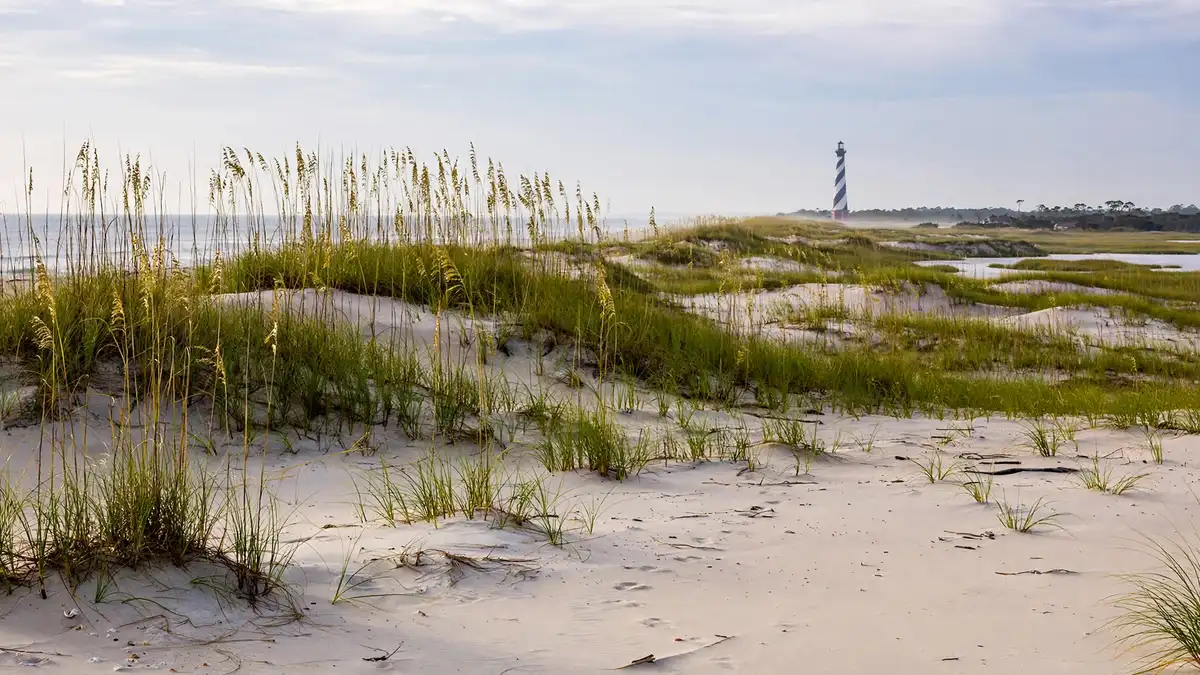
Choosing the best place to visit in Outer Banks NC sounds simple at first. However, the islands stretch for more than 100 miles along the coast. So, each town feels different from the next one. For example, one village offers wild horses and huge rental homes. Meanwhile, another village offers piers, dunes, and busy family fun.
Therefore, the right base depends on your travel style. In addition, your budget and your group size matter a lot. Furthermore, your tolerance for driving matters here too. Consequently, this Outer Banks vacation guide walks north to south. Then, it gives each place a clear best-for verdict.
By the end, you will know where to stay in Outer Banks for you. Also, you will know when to go and what to expect. Moreover, you will get honest notes on crowds and storms. In fact, a good trip starts with a good base.
How do you choose the best place to visit in Outer Banks NC?
Firstly, think about the kind of days you want. For example, some travellers want quiet sand and early nights. Meanwhile, other travellers want restaurants, mini golf, and live music. So, neither choice is wrong at all here. Still, the two trips need very different bases.
Next, think about distance and driving time. The Outer Banks beaches run along one narrow chain of islands. Therefore, a base at one end limits your day trips. For instance, Ocracoke Island sits far from Corolla. Consequently, most visitors pick one base and explore nearby.
Finally, think about who is travelling with you. Outer Banks with kids usually means easy beach access matters most. However, couples often prefer walkable streets and sunset views. In addition, anglers and surfers often chase very different conditions. Therefore, use the verdicts below as your shortcut.
- Best overall: Nags Head, for balance and variety
- Best for families: Duck and Kill Devil Hills together
- Best for quiet: Ocracoke Island and Hatteras Island villages
- Best for history: Manteo NC and Kill Devil Hills
- Best for space: Corolla, with its wide northern beaches
How do you get to the Outer Banks?
Most visitors arrive by car, and the drive is scenic. However, you should plan your bridge crossings with care. For example, traffic builds quickly on summer Saturdays. So, early arrivals usually enjoy a much calmer start. Meanwhile, late arrivals often sit in long, slow queues.
From the north, drivers cross the Wright Memorial Bridge. Then, the road splits toward Duck and Corolla or southward. Alternatively, drivers from the west use US-64 toward Manteo. In fact, that route crosses Roanoke Island first. Therefore, Manteo makes a natural first stop for many.
Further south, NC-12 becomes your main road and lifeline. The highway links Nags Head to Hatteras Island villages. Also, bridges carry you over Oregon Inlet along the way. However, wind and sand sometimes slow this exposed route. So, always check road conditions before a long drive south.
For flights, Norfolk in Virginia is the main gateway. In addition, Raleigh-Durham serves many visitors from farther away. Then, you still need a rental car after landing. Consequently, most travellers treat the Outer Banks as a road trip. Similarly, public transport on the islands stays very limited.
Corolla: wild horses, wide sand, and room to breathe
Corolla sits at the northern end of the islands. However, its mood feels calm, spacious, and slightly upscale. For example, large homes line wide and uncrowded beaches here. Meanwhile, gated communities offer pools, tennis, and quiet streets. So, groups often choose Corolla for reunion-style weeks.
The famous Corolla wild horses roam north of the village. In fact, guided tours take visitors into the four-wheel-drive area. However, you must keep a respectful distance from the horses. Also, you should never feed or approach them closely. Therefore, a guided tour is the safest option here.
Beyond the beach, Corolla offers history in a compact area. For instance, the Currituck Beach Lighthouse rewards climbers with wide views. Next door, the Whalehead Club shows grand 1920s hunting lodge style. In addition, nature trails wind through the Currituck Banks Reserve. Consequently, even non-beach days feel full in Corolla.
Still, Corolla has honest trade-offs for every visitor. The drive north uses a single two-lane road. Therefore, summer traffic can test your patience quickly. Also, dining and nightlife choices stay fairly limited here. Best for: large families, groups, and travellers seeking space and calm.
Duck: the most walkable village on the islands
Further south, Duck charms visitors with a true village centre. For example, a soundside boardwalk links shops, cafes, and restaurants together. Meanwhile, tree-lined paths make walking and cycling genuinely pleasant. So, many guests park the car and simply stroll. In fact, that walkability is rare in the Outer Banks.
Duck Town Park anchors the village with green space. Also, concerts and morning activities fill its calendar in season. Then, sunset over Currituck Sound becomes the daily highlight. For instance, families gather on the boardwalk each evening. Consequently, evenings in Duck feel social but never rowdy.
The beach side of Duck stays peaceful and residential. However, public beach access is limited for day visitors. Therefore, renters and guests enjoy quieter sand as a result. Also, the village suits couples as well as families. Best for: walkable dining, couples, and relaxed family stays.
Kitty Hawk: quiet beaches and a famous name
Kitty Hawk brings you into the central Outer Banks. However, the town feels more residential than its neighbours. For example, maritime forest shelters homes and quiet lanes here. Meanwhile, the beach road offers classic cottages and easy access. So, repeat visitors often pick Kitty Hawk for calm.
The name Kitty Hawk carries huge aviation fame worldwide. In fact, the Wright brothers chose this area for steady winds. Then, they tested gliders on the soft dunes nearby. However, their powered flights actually happened in Kill Devil Hills. Consequently, Kitty Hawk and its neighbour share the story.
Beyond history, Kitty Hawk Woods offers shaded nature trails. Also, golfers find courses tucked among the trees here. For instance, sound access suits kayaking on calm days. Therefore, active travellers get variety beyond the surf. Best for: calm stays, nature lovers, and history fans seeking quiet.
Kill Devil Hills: the easiest base for first-timers
Next, Kill Devil Hills offers the most practical central base. For example, shops, restaurants, and services cluster conveniently here. Meanwhile, hotels join rentals across many price levels. So, shorter trips work especially well from this town. In addition, beach accesses are frequent and well marked.
The Wright Brothers National Memorial dominates the town landscape. A granite monument crowns the big hill above town. Also, markers show where the first flights ended. For instance, the visitor centre explains the 1903 breakthrough clearly. Therefore, even casual visitors leave genuinely moved by it.
Still, convenience brings a busier feel in summer. However, many travellers accept that trade happily. For example, everything sits within a short drive here. Then, day trips north and south stay equally easy. Best for: first-timers, short stays, and value seekers alike.
Nags Head: the classic Outer Banks experience
Nags Head is the name most people picture first. However, the town still delivers far beyond its fame. For example, Jockey’s Ridge State Park protects huge living dunes. Meanwhile, fishing piers stretch far into the Atlantic surf. So, the classic beach holiday feels complete here.
At Jockey’s Ridge State Park, sand towers above the road. Then, hang gliding lessons launch from the soft slopes daily. Also, sunset views from the top reward every climber. For instance, you can see ocean and sound together. Consequently, photographers rate this spot very highly indeed.
South of town, Bodie Island Lighthouse stands among marsh grass. In addition, Coquina Beach offers wide sand and fewer crowds. Furthermore, Nags Head mixes old cottages with newer homes well. Therefore, almost every travel style finds a fit here. Best for: all-rounders, beach lovers, and classic OBX fans.
If you are comparing beach regions, Nags Head competes strongly. For example, our list of the best beach places in the world sets a high bar. Still, Nags Head earns its place through variety alone. Moreover, its central position helps every itinerary work.
Manteo and Roanoke Island: history with a harbour view
Inland from the beaches, Manteo NC slows the pace beautifully. However, Manteo is not a beach town at all. For example, a waterfront boardwalk lines the quiet harbour instead. Meanwhile, galleries, bookshops, and cafes fill the small streets. So, visitors come here for charm and history.
Roanoke Island holds the mystery of the Lost Colony. In fact, English settlers vanished here in the 1500s. Then, Fort Raleigh preserved the site for modern visitors. Also, Roanoke Island Festival Park recreates a settlement ship. Consequently, history feels hands-on rather than distant here.
The North Carolina Aquarium adds a strong family stop. For instance, sea turtles recover at its rescue centre. In addition, Elizabethan Gardens offer shade and colour nearby. Therefore, Manteo works brilliantly as a rainy-day base. Best for: history lovers, couples, and travellers seeking small-town charm.
Families planning wider trips often pair Manteo with nature days. For example, those researching family trips built around nature value this balance. Similarly, autumn visitors love the harbour in softer light. Moreover, our guide to North Carolina in fall highlights this season well.
Hatteras Island villages: wild, windy, and wonderfully remote
Further south, Hatteras Island changes the trip completely. However, the change rewards travellers who love wild places. For example, Cape Hatteras National Seashore protects long empty beaches. Meanwhile, villages stay small, spread out, and proudly local. So, the pace drops as soon as you cross Oregon Inlet.
Rodanthe, Waves, and Salvo: the Tri-Villages
The Tri-Villages open your Hatteras Island journey from the north. For instance, Rodanthe holds the historic Chicamacomico Life-Saving Station. Also, kiteboarders love the shallow sound water near Waves. Then, Salvo offers quiet streets and simple beach days. Consequently, watersports fans rate this stretch very highly.
Still, amenities stay modest across all three villages. However, that simplicity is exactly the appeal for many. For example, nights bring dark skies and real quiet. Best for: kiteboarders, campers, and travellers escaping the crowds.
Avon, Buxton, Frisco, and Hatteras Village
Further south again, Avon provides the island’s main shops. Meanwhile, Buxton sits beside the famous Cape Hatteras Lighthouse. The black-and-white spiral tower is an American icon. Also, nearby woods and beaches suit long slow walks. Therefore, Buxton blends landmarks with everyday island life.
Then, Frisco and Hatteras Village close the island calmly. For instance, the Graveyard of the Atlantic Museum explains shipwreck history. In addition, ferries for Ocracoke leave from Hatteras Village daily. Consequently, many travellers end their island drive right here. Best for: anglers, surfers, and lighthouse lovers seeking authenticity.
Adventure seekers usually rank Hatteras among their favourite bases. For example, our roundup of adventure places across the USA celebrates this spirit. Still, Hatteras adds surf, wind, and solitude together. Moreover, fall fishing brings loyal visitors back yearly. Indeed, our list of best US places for fall suits this timing.
Ocracoke Island: the ferry ride is part of the reward
Ocracoke Island sits beyond Hatteras, reachable only by ferry. However, that journey creates its special sense of escape. For example, cars line up and cross Pamlico Sound slowly. Meanwhile, gulls follow the boat across open water. So, arrival feels like entering another world entirely.
Ocracoke Village clusters around a pretty harbour called Silver Lake. Also, bikes suit the flat village streets perfectly well. Then, golf carts and walking replace normal traffic here. For instance, historic homes hide along quiet back lanes. Consequently, the village feels timeless in the best way.
The beaches beyond the village stay wild and undeveloped. In fact, Dr. Beach rankings have praised them repeatedly. Also, the small white Ocracoke Lighthouse watches over the harbour. Therefore, photographers and beach purists both leave happy. Best for: romantics, beach purists, and slow travellers seeking solitude.
Still, Ocracoke demands a little extra planning from visitors. However, ferry queues grow long on summer weekends. So, arrive early and build waiting time into plans. Moreover, dining choices stay limited but genuinely charming. Consequently, book key meals ahead during peak season.
What should you see beyond your own beach?
The best towns in Outer Banks share famous sights between them. However, a few experiences define the whole region together. For example, Outer Banks lighthouses top almost every visitor list. Meanwhile, dunes, memorials, and wild refuges add real depth. So, plan at least two sightseeing days per week.
Start with the lighthouse trail from north to south. Currituck Beach Lighthouse glows brick-red above Corolla village. Then, Bodie Island Lighthouse stands striped among the marshes. Next, Cape Hatteras Lighthouse rises tallest and most famous. Finally, Ocracoke Lighthouse shines small, white, and oldest of all.
History adds another layer across the central islands. For instance, the Wright Brothers National Memorial rewards a full morning. Also, Fort Raleigh and Manteo deepen the colonial story. In addition, Pea Island refuge delights birdwatchers in migration seasons. Therefore, things to do in Outer Banks go far beyond swimming.
Nature lovers find a wilder side here as well. For example, desert fans comparing Joshua Tree’s stark landscapes enjoy these dunes. Similarly, Jockey’s Ridge offers sand without the desert heat extremes. Moreover, sound-side kayaking reveals marshes, birds, and calm water. Consequently, every base offers an easy nature escape nearby.
When is the best time to visit Outer Banks?
The best time to visit Outer Banks depends on your priorities. However, late spring and early fall win for most travellers. For example, May and June bring warmth without peak crowds. Meanwhile, September offers warm seas and calmer streets. So, shoulder seasons balance weather, price, and space beautifully.
In summer, every town reaches its liveliest point. Also, all restaurants, tours, and attractions run fully then. Then, families gain the widest choice of activities daily. However, rental prices and traffic both peak in summer. Consequently, booking early becomes essential for July trips.
Hurricane season runs officially from June into late November. In fact, late summer and early fall carry highest risk. Therefore, travellers should monitor forecasts before and during trips. Also, flexible bookings and insurance bring useful peace of mind. Still, most weeks pass without any storm trouble.
Winter brings a quiet and reflective Outer Banks instead. For instance, empty beaches suit walkers and shell collectors perfectly. However, many businesses close or cut hours in winter. So, choose a central base for a winter visit. Consequently, Kill Devil Hills or Nags Head works best then.
So, which town wins overall?
Overall, Nags Head earns the title for most travellers. However, the best place to visit in Outer Banks NC stays personal. For example, Nags Head mixes beaches, dining, and landmarks evenly. Meanwhile, its central spot keeps every day trip realistic. Therefore, first-timers rarely regret basing themselves in Nags Head.
Still, your perfect winner may sit elsewhere entirely. Couples often choose Duck or Ocracoke for romance. In addition, big families often choose Corolla for space. Furthermore, anglers and surfers usually choose Hatteras Island villages. Consequently, match the verdicts above to your own style.
- Choose Corolla if you want space, horses, and quiet luxury.
- Choose Duck if you want walkable dining and sunset boardwalks.
- Choose Kill Devil Hills if you want value and total convenience.
- Choose Nags Head if you want the complete classic experience.
- Choose Manteo if you want history, gardens, and harbour charm.
- Choose Hatteras Island if you want surf, fishing, and wild beaches.
- Choose Ocracoke if you want escape, bikes, and timeless calm.
Finally, remember that no choice here is permanent. For example, many visitors return yearly to a different village. Then, each trip reveals a new side of the islands. Moreover, the Outer Banks rewards curiosity like few beach regions. So, pick your base, book early, and start exploring.
Frequently asked questions
What is the best place to visit in Outer Banks NC for first-timers?
Nags Head and Kill Devil Hills suit first-timers best. However, both towns keep sights, dining, and beaches close. For example, the memorial and dunes sit minutes apart. So, you spend less time driving and more exploring. Consequently, your first trip feels easy and complete.
Which Outer Banks town is best for families with kids?
Duck, Corolla, and Kill Devil Hills lead for families. In addition, they offer easy beach access and plenty of space. For instance, Corolla homes suit multi-generational groups especially well. Meanwhile, Duck adds walkable treats and calm sound sunsets. Therefore, Outer Banks with kids works across several bases.
How many days do you need in the Outer Banks?
Most travellers need at least four or five days. However, a full week lets you explore properly. For example, one base plus two day trips feels balanced. Then, beach days still stay slow and unhurried between outings. So, longer stays always reveal more of the islands.
Do you need a car in the Outer Banks?
Yes, a car is essential for almost every visitor. In fact, towns spread along more than 100 miles. Also, public transport remains very limited across the islands. Therefore, driving NC-12 becomes part of the adventure itself. Still, bikes work beautifully inside Duck and Ocracoke villages.
When should you avoid the Outer Banks?
Avoid peak Saturday changeover traffic whenever you possibly can. Also, watch hurricane forecasts closely in late summer. For instance, storms can close NC-12 and delay ferries. However, shoulder seasons avoid most crowds and risks together. Consequently, May, June, September, and October feel safest overall.
Can you see wild horses without a tour?
Visitors sometimes spot horses near Carova on four-wheel-drive beaches. However, access requires a suitable vehicle and local knowledge. For example, guided tours handle sand driving and rules safely. So, tours remain the better choice for most visitors. Moreover, guides explain how to protect the herd responsibly.



