
Paris gets the headlines, the crowds, and most of the travel budget. Yet some of the best places to visit in Ile de France sit just beyond the city ring road. Royal palaces, medieval walls, artist villages, and a huge royal forest all wait within easy train reach.
In fact, this Paris region travel guide takes a different approach from most lists. First, it focuses on places that genuinely lie inside Île-de-France. Then, it clearly labels two beloved excursions that sit just outside the regional border. Honesty about geography, after all, helps you plan real journeys.
Below, each place comes with what to see, when to go, and how to reach it from Paris. Also, you will find honest cost framing in broad ranges, rather than invented precise prices. As a result, you can build day trips from Paris that fit your pace and your wallet.
What Is Île-de-France, and Why Should You Leave Paris for a Day?
Île-de-France is the region that surrounds Paris, and Paris itself sits at its heart. Historically, kings built palaces here because they wanted space, hunting forests, and distance from city crowds. Consequently, the region holds an unusual concentration of châteaux, gardens, and old royal towns.
Today, those same qualities suit modern travellers surprisingly well. For example, a morning train can take you from a busy Paris boulevard to a quiet forest path. Later, you can still return to the city for dinner. That easy contrast is, in short, the region’s biggest appeal.
Before you leave the city, though, it helps to enjoy its own landmarks properly. Our guide to the places to visit in Paris for historical and cultural experiences covers that city base well. After that base is set, the region beyond Paris becomes your natural next step.
How Do Day Trips From Paris Actually Work?
Most Ile de France attractions are reached by RER or Transilien suburban trains, not by long-distance TGV services. RER lines run through central Paris and continue far into the suburbs. Meanwhile, Transilien trains usually depart from major mainline stations such as Gare de Lyon or Gare de l’Est.
Practically, you should check the destination station, the last useful return train, and any planned engineering works. Also, palace and château opening days vary, and several close on Mondays or Tuesdays. Indeed, a five-minute check the night before prevents the classic mistake of arriving at closed gates.
Costs stay manageable for most of these trips, especially compared with Paris hotels. Typically, a regional train return plus a château ticket forms the main expense. Food then adds a flexible layer, from a simple bakery picnic to a long bistro lunch. Overall, one careful day out often costs less than one extra night in central Paris.
Versailles: The One Place Almost Everyone Gets Right
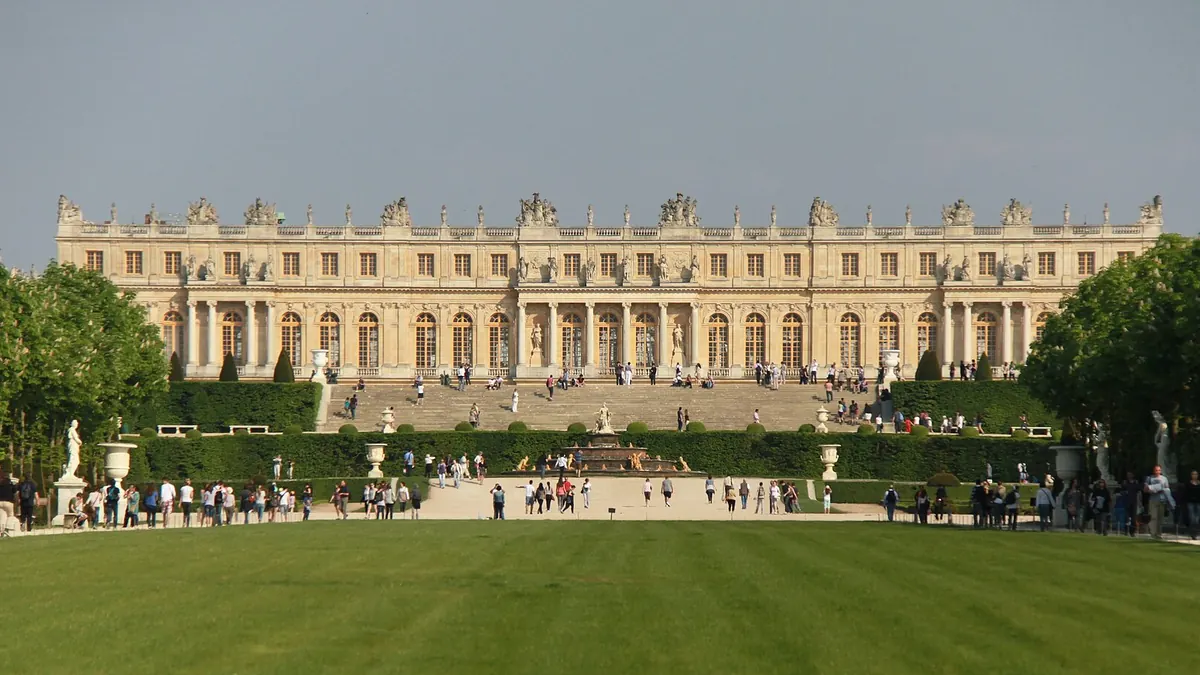
A Versailles day trip remains the region’s defining excursion, and the fame is fully earned. The palace holds the Hall of Mirrors, vast royal apartments, and a chapel of real grandeur. Beyond the palace, the gardens stretch towards a grand canal, with fountains, groves, and long formal avenues.
Give Versailles a full day, rather than a rushed half day. First, tour the palace early, while rooms feel calmer and light is softer. Next, walk the gardens slowly, and then continue to the Trianon palaces. Finally, visit Marie Antoinette’s hamlet, where the mood turns rural and quietly playful.
Reaching Versailles is simple, since frequent RER C trains run from central Paris. Still, book a timed palace entry in busy months, because queues build quickly. In particular, spring and early autumn offer the best balance of garden colour and manageable crowds. Summer, by contrast, brings heat, long lines, and higher prices in nearby hotels.
Insider tip? Walk beyond the main garden axis, where most visitors never go. There, quiet groves and shaded paths reveal a calmer, more personal Versailles. Honestly, that calmer side explains why Versailles belongs on any list of the 15 places to visit in the world for many travellers.
Fontainebleau Castle and Its Forest: Royal History Without the Crush
Fontainebleau castle tells a longer royal story than Versailles, yet it receives far fewer visitors. Kings and emperors used this palace for centuries, and Napoleon later left his mark here too. Inside, Renaissance galleries, a grand horseshoe staircase, and richly furnished state rooms reward a slow visit.
Outside, the town and forest change the whole experience. The Forest of Fontainebleau offers sandy paths, giant boulders, and shaded trails for walkers and climbers. Therefore, you can pair serious history in the morning with fresh air in the afternoon. Few day trips from Paris deliver that mix so naturally.
Trains usually run from Gare de Lyon to Fontainebleau-Avon, and a local bus then reaches the château. Alternatively, keen walkers can stroll through the forest from the station area on marked paths. For lunch, the town centre gives you bakeries, cafés, and market streets within easy reach.
Vaux-le-Vicomte: The Château That Inspired Versailles
Vaux-le-Vicomte began as the bold creation of Nicolas Fouquet, finance minister to the young Louis XIV. Its architect, painter, and gardener worked together here in a new, unified way. Later, the king hired that same talented team for Versailles. In fact, Vaux is where the Versailles formula was born.
Scale is the charm here, because everything feels grand yet human. You can cross the main rooms, enjoy the dome view, and still understand the whole estate. Meanwhile, the formal gardens by André Le Nôtre pull your eye towards a distant horizon. As a result, photography lovers tend to linger here far longer than planned.
Most visitors reach Vaux-le-Vicomte via a train to Melun, followed by a shuttle or taxi in season. Candlelit summer evenings are especially famous, with the gardens glowing after dark. For couples, in particular, that evening atmosphere ranks among the most romantic in the region.
Provins: A Real Medieval Town, Not a Film Set
The Provins medieval town once hosted great Champagne fairs that drew merchants from across Europe. Today, its upper town still keeps powerful ramparts, old gates, and the sturdy Caesar Tower. Below, churches, timbered houses, and quiet lanes complete a remarkably intact medieval picture.
UNESCO recognition protects Provins, yet the town still feels like a living place, not a museum. Local shops sell rose-based sweets, jams, and drinks, honouring the town’s famous rose tradition. Also, seasonal medieval shows bring falconry, horsemanship, and crafts into the streets. Children, therefore, often remember Provins more vividly than another palace.
Transilien trains from Gare de l’Est make Provins an easy full day out. Plan, however, for a hill between the station, the lower town, and the upper town. Comfortable shoes matter here, especially on cobbles after rain. Spring fairs and early autumn weekends, in contrast, usually give the liveliest atmosphere.
Auvers-sur-Oise: Walking Through Van Gogh’s Last Months
The Auvers-sur-Oise Van Gogh story is moving, short, and deeply human. Van Gogh spent his final weeks in this village, painting its church, wheat fields, and cottages at remarkable speed. Today, marked trails link the places he painted with the scenes themselves.
Start at the Auberge Ravoux, where he rented a tiny attic room. Then, walk to the village church that appears in one of his most intense paintings. Afterwards, climb gently to the cemetery, where Vincent lies beside his brother Theo. That simple grave, covered in ivy, moves visitors more than grand monuments do.
Other painters also worked in Auvers, so the village art story runs wider than one name. Small museums, studios, and the Château d’Auvers help fill that wider picture. Trains from Paris, usually with a change on some services, make the trip straightforward. Above all, go on a bright day, when the fields still echo his colours.
Saint-Germain-en-Laye: Royal Views, a Great Museum, and an Easy Afternoon
Saint-Germain-en-Laye suits travellers who want a gentle half day, not a marathon. Its château now houses the National Archaeology Museum, with collections stretching from prehistory to the early Middle Ages. Outside, a long terrace garden offers sweeping views across western Paris on clear days.
Kings were born here, and the town centre still feels confident and prosperous. Market streets, bookshops, and café terraces spread out just beyond the château. Consequently, Saint-Germain works beautifully for a slow morning, a good lunch, and a relaxed afternoon stroll.
Access could hardly be easier, because RER A trains reach the town directly from central Paris. The station, in fact, sits close to the château and the main streets. That ease also makes Saint-Germain a smart choice on a short stay. In short, it is one of the most rewarding low-effort places to visit near Paris.
Barbizon and Moret-sur-Loing: Artist Villages With Slow Streets
Barbizon village became famous before Impressionism, when landscape painters settled beside the Fontainebleau forest. They painted woods, fields, and village life directly from nature, which felt radical at the time. Today, galleries, small museums, and ivy-covered houses line one charming main street.
Moret-sur-Loing offers a different, riverside kind of beauty. Alfred Sisley painted its bridge, church, and water mills repeatedly, and those views still look familiar. Indeed, a slow walk along the Loing river here can feel like stepping into a canvas. Picnic spots by the water, meanwhile, make warm afternoons very easy.
Both villages pair naturally with bigger neighbours, rather than demanding separate long trips. For example, Barbizon combines well with Fontainebleau castle and its forest on one full day. Moret-sur-Loing, in contrast, pairs with Fontainebleau by regional train and local connections. A car helps for Barbizon, although seasonal buses and taxis also work.
Disneyland Paris and La Vallée Village: Fun and Shopping in the East
Disneyland Paris sits in Marne-la-Vallée, firmly inside Île-de-France, and RER A trains reach its gates directly. Two parks, themed hotels, and evening shows make it far more than a quick ride stop. Families, therefore, should treat it as a full day, or even two days in peak season.
Expect theme park costs to sit well above a château day, especially once food and souvenirs join the ticket. Still, booking dated tickets early usually gives the best choice and value. Also, weekday visits outside school holidays feel noticeably calmer. That timing tip alone can transform the whole experience for parents.
Nearby La Vallée Village adds designer outlet shopping in a neat, open-air setting. Some travellers pair a relaxed shopping morning with an afternoon elsewhere, rather than mixing it with a full Disney day. Honestly, trying to do both at full intensity usually pleases nobody. Choose your energy first, and then choose your park or your shopping.
Two Classic Excursions Just Outside the Region
Geography matters here, so this section stays deliberately honest. A Giverny day trip crosses into Normandy, where Monet created his famous house and water garden. Likewise, a Chantilly day trip heads into Hauts-de-France, to a château, great art, and famous stables. Both trips feel classic from Paris, even though both sit outside Île-de-France.
Giverny rewards flower lovers most between spring and early autumn, when planting reaches full colour. Trains run towards Vernon, and shuttle buses then complete the journey to the village. By contrast, Chantilly suits art lovers year-round, with a superb painting collection and a park for clear days. Its train ride from Paris is short, so Chantilly also works as a half day.
Why include these excursions in this guide at all? Simply because most visitors base themselves in Paris and plan by train time, not regional borders. Still, labelling them correctly helps you understand France beyond a single region. If southern France tempts you next, our guide to the best places to visit in Montpellier, France shows a warmer, Mediterranean contrast.
Which of These Places Suit Your Trip Best?
History lovers should start with Versailles, Fontainebleau, and Provins, in that order. Together, they show royal power, Renaissance art, and medieval trade across three very different settings. If older history fascinates you, compare that journey with the best historical places to visit in the UK for a future trip.
Art lovers, meanwhile, get a rich and varied route here. Auvers speaks of Van Gogh, Barbizon tells the earlier landscape story, and Chantilly holds major paintings. Families, on the other hand, usually rate Disneyland Paris and Provins highest. Walkers often choose Fontainebleau first, because its forest adds real outdoor time.
Couples can build a softer, slower version of this region easily. For instance, Vaux-le-Vicomte by candlelight and a riverside afternoon in Moret-sur-Loing feel quietly romantic. Those ideas pair well with reading about the most romantic places to visit in Italy for a longer European plan. Similarly, pairs planning ahead may enjoy the best places to visit in Germany for couples as a next stop.
What Is the Best Time to Visit Paris Region Towns?
Generally, the best time to visit Paris region towns runs from April to June, and again in September. Spring brings fresh gardens, market produce, and longer evenings without peak summer heat. September, in particular, keeps warm light while crowds thin after school holidays. Those two windows, therefore, suit first-time visitors best.
Summer brings fountain shows, candlelit evenings, festivals, and the longest days of the year. However, popular places fill early, and hot afternoons can drain your energy fast. Start early in summer, book key tickets ahead, and save indoor rooms for midday. A shaded forest walk, for example, works far better than a noon garden queue.
Autumn colour transforms the Fontainebleau forest and the parks at Versailles and Saint-Germain. Winter, by contrast, favours palace interiors, museums, and festive château displays over long garden walks. Disneyland also runs strong seasonal programmes in winter, although you should dress warmly for queues. In short, every season works, provided you match the place to the weather.
How Should You Build Two or Three Day Trips Into One Stay?
Start with one anchor trip, and only then add a second day out. Versailles deserves its own day, so never bolt another major château onto it. Instead, pair smaller places together, such as Fontainebleau with Barbizon. That pairing shares one direction of travel and one relaxed, woodland mood.
A balanced three-trip plan might look like this in practice. First, give Versailles a full, early-start day. Next, choose Fontainebleau and Barbizon for a history and forest day. Finally, pick between Provins for medieval streets and Auvers for art and emotion. That mix covers the best things to do in Ile de France without exhausting you.
Rest days matter too, especially on a short Paris stay. Alternate a big day out with a lighter city day, and your energy will last. Also, keep one flexible slot for weather, strikes, or a place you unexpectedly love. Good planning, after all, leaves room for a good surprise.
Practical Tips That Save Time, Money, and Energy
Book timed entry for Versailles and Disneyland early, because popular dates sell out. Other châteaux are calmer, yet checking closing days remains essential every single time. Also, download your tickets and train times before leaving, since rural station signals can vary. Screenshots, in fact, solve many small travel problems instantly.
Save money by favouring bakery picnics, town markets, and free gardens where they exist. Many parks and forests here cost nothing, and they often become trip highlights. If your wider budget matters, our guide to what are the cheapest places to visit helps you balance splurges across a longer journey.
Pack for walking, whatever the season promises in the morning. Palace parks, medieval lanes, and forest paths all punish flimsy shoes quickly. Carry water, a light layer, and a small bag you can keep close in crowds. Finally, learn the return station name by heart, because similar names confuse tired travellers.
Frequently Asked Questions
What are the best places to visit in Ile de France for first-time visitors?
Versailles, Fontainebleau, and Provins make the strongest first trio for most visitors. Together, they cover a famous palace, a calmer royal castle, and a real medieval town. Also, Saint-Germain-en-Laye works well if you only have a spare half day. That mix gives variety without long or complicated journeys.
How many day trips from Paris should you plan in one week?
Two or three day trips usually suit a one-week Paris stay very well. That pace leaves enough time for Paris itself, plus rest between bigger outings. However, keen château lovers can add a fourth trip if they start early. Quality, in this region, beats quantity almost every time.
Can you visit Versailles and Fontainebleau in one day?
Technically you could rush both, but honestly you should not try it. Each palace deserves several unhurried hours, and they sit in opposite directions from Paris. Instead, give each place its own day and enjoy both properly. Your photos, feet, and memory will all thank you later.
Is Provins worth visiting if you have already seen Paris?
Yes, Provins feels completely different from Paris, so the trip never feels repetitive. Its ramparts, fairs history, and rose traditions create a strongly medieval atmosphere. Families and history lovers, in particular, tend to rate it highly. Go on a show day if you can, for extra energy.
Do you need a car to explore Île-de-France?
No, trains cover most major places in this guide comfortably and affordably. Versailles, Fontainebleau, Provins, Auvers, and Disneyland all work well by public transport. A car mainly helps for Barbizon and for linking small villages freely. For most visitors, therefore, the train remains the simpler choice.
What is the cheapest way to enjoy the Paris region?
Choose one paid château, and then build the rest of the day around free pleasures. Forest trails, town markets, river walks, and many palace parks cost little or nothing. Also, a bakery picnic keeps lunch tasty and inexpensive. Overall, the region rewards slow, simple planning far more than expensive tours.



