
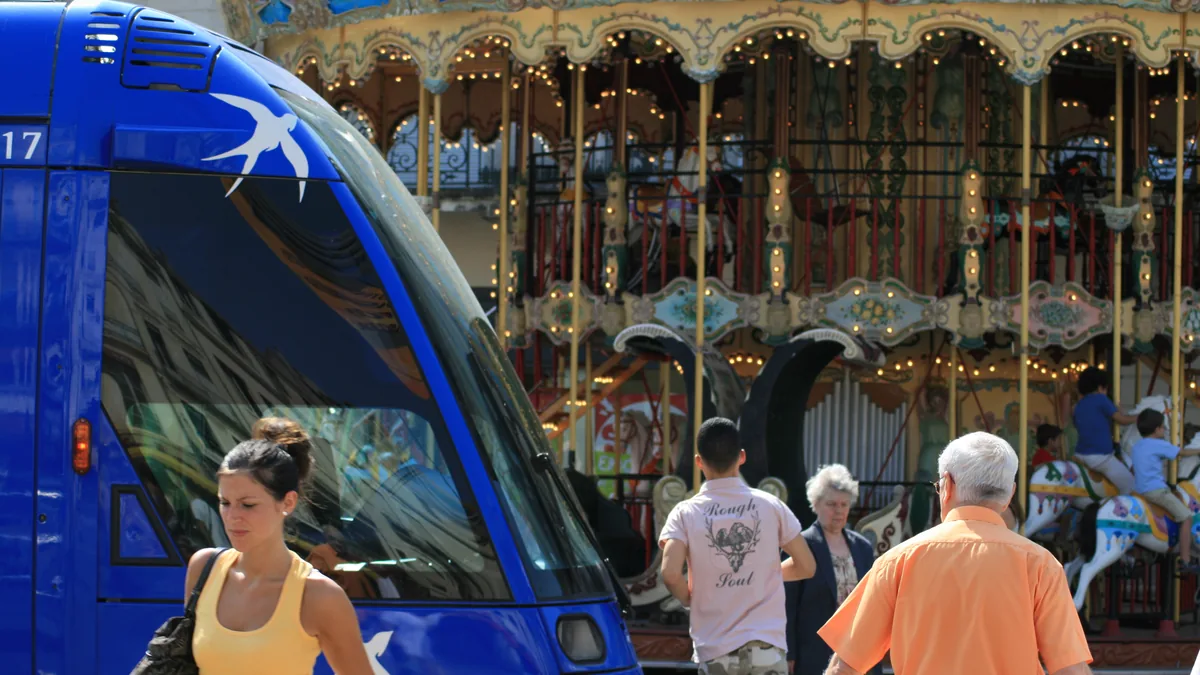
Montpellier feels bright from the first morning light. Sun hits pale stone, café chairs scrape out, and trams glide past in bright colours. In fact, the city gives you a rare gift for a French city break. Most highlights sit close together, so you can walk between them with ease.
So this guide follows a simple walking order through the old town. First, you start at the main square and drift into medieval lanes. Then, you climb gently toward gardens, arches, and wide views. Later, you add the best stops beyond walking distance, plus a beach escape.
Overall, the plan suits Montpellier in one day, yet it also works over two relaxed days. You will cover the best places to visit in Montpellier France without rushing. Better still, you will understand how each quarter connects to the next one.
Why does Montpellier reward a slow walk?
First, the centre is compact and largely free of cars. Narrow lanes link small squares, and each turn reveals a new façade or courtyard. Because distances stay short, you spend your time looking, not travelling.
Next, the city mixes ages in a way that keeps a walk lively. Medieval streets sit near grand 17th-century stonework and bold modern design. For example, a quiet chapel lane can lead within minutes to a vast neoclassical avenue.
Still, student life shapes the mood as much as history does. Montpellier has taught medicine for centuries, and students still fill its terraces and bookshops. So evenings feel young and social, even around very old buildings.
Meanwhile, the sea stays close enough to change your plans. A warm afternoon can end with sand and salt air instead of another museum. That mix explains why so many Montpellier attractions feel relaxed rather than formal.
Where should your walk begin?
Place de la Comédie and the Three Graces fountain
First, stand in Place de la Comédie and take a slow full turn. Locals call the oval square l’Œuf, which means the Egg in French. At its centre, the Three Graces fountain lifts three figures above the water. Soon, you will use this square as your compass for the whole day.
Next, look toward the Opéra Comédie at the southern end. Elegant stone fronts curve around the space, and café terraces fill the edges. For example, a morning coffee here lets you watch the city wake up gently. Trams cross one side, yet the main space stays calm and open.
Then, step onto the Esplanade Charles de Gaulle just beyond the square. Plane trees shade the walk, and market stalls often line the path. In fact, this green strip eases you from the busy square toward art and history. Before long, you reach the museum quarter without crossing heavy traffic.
What will you find just off the square?
Musée Fabre and a deep dive into art
First, enter the Musée Fabre while your eyes still feel fresh. Painters such as Rubens, Delacroix, and Courbet anchor a rich European collection. Later rooms bring you toward modern work, with a strong space for Pierre Soulages. So the visit moves from old masters to bold black canvases in one flow.
Next, give the museum proper time rather than a quick dash. Most visitors enjoy ninety minutes here, and art lovers often stay longer. For example, the calm courtyards offer a pause between busy gallery rooms. Then, you can choose highlights instead of trying to see every single painting.
Still, the building itself deserves a look as you move through it. Old mansion rooms meet clean modern galleries in a pleasing contrast. In fact, that blend mirrors Montpellier itself, where old and new sit side by side. Once there, you also stand just steps from the old town lanes.
If you love city art collections, you may also enjoy our guide to the list of places to visit in Paris for historical and cultural experiences. Paris rewards museum days in a similar way. Meanwhile, Montpellier keeps its main collection in one handy, walkable spot.
How does the Montpellier old town unfold from there?
First, slip west into the Montpellier old town, which locals call the Écusson. Medieval lanes curve in a shield shape, and tall stone houses lean close above you. Because cars stay out, you hear footsteps, voices, and café music instead. So wandering without a strict map often brings the best surprises here.
Next, follow Rue de la Loge toward Place Jean Jaurès. Shops, bakeries, and small bars line this lively central route. For example, you can pause for a pastry and watch students stream past. Then, branch into side streets where quieter workshops and vintage stores wait.
Later, look up as often as you look ahead. Carved doorways, iron balconies, and hidden courtyards reward a slow gaze. In fact, many grand townhouses hide behind plain doors in these lanes.
Markets, food halls, and small squares
First, stop at Les Halles Castellane for a taste of local life. Stalls sell cheese, olives, seafood, bread, and bright southern produce. So a simple lunch here can beat a formal restaurant on a busy day. You can eat at a counter or carry picnic items into a nearby square.
Next, seek out Place de la Canourgue for a calmer pause. Many locals rate this leafy square among the prettiest spots in the centre. For example, its terraces suit a slow drink after the busy market hall. Then, nearby streets lead you naturally toward the cathedral quarter.
Meanwhile, Saint-Roch adds colour and a looser, creative feel. Murals brighten walls, and small cafés spill onto narrow pavements. Street art pops up across this area, often on shutters and side alleys. So keep your camera ready, yet stay aware of bikes and passing locals.
Why does the cathedral stop people in their tracks?
Montpellier Cathedral and its fortress porch
First, approach Montpellier Cathedral from Rue de l’Université for the full effect. Two huge round pillars support a vast stone porch at the front. In fact, the entrance looks more like a fortress gate than a church door. Soon, the scale feels even stronger because the lane beside it stays narrow.
Next, step inside for cool air and quiet light. Saint-Pierre began as a monastery church in the 14th century. Later, it became the cathedral, and it still anchors the old university quarter. So the building links faith, learning, and medicine in one short story.
Then, look around the neighbouring Faculty of Medicine buildings. Montpellier claims one of the oldest medical schools in the Western world. For example, famous doctors studied here while the city traded across the Mediterranean. Before long, that history makes the whole quarter feel scholarly and calm.
Still, visit with respect for services and quiet hours. Entry is usually free, yet opening times can change on holy days. Once there, a short visit fits easily into your walking route. You then continue uphill toward green space in just a few minutes.
Where can you rest among green shade?
Jardin des Plantes and the oldest trees in the city
First, enter the Jardin des Plantes through its gates on Boulevard Henri IV. Gardeners founded this space in 1593 for medicinal plant study. In fact, people call it the oldest botanical garden in France. So each shaded path carries both beauty and serious scientific history.
Next, wander past herb beds, ponds, and towering old trees. Benches sit in deep shade, which feels precious on a hot afternoon. For example, the lotus pond and greenhouse area suit a slow photo stop. Then, you can rest your feet before the climb toward Peyrou.
Later, notice how quiet the garden feels despite its central spot. Birds, rustling leaves, and soft gravel paths replace city noise here. Meanwhile, students read on lawns and older locals enjoy gentle strolls. Overall, this stop balances the stone and bustle of the old town perfectly.
So plan this garden for late morning or mid-afternoon. Light filters softly through the trees at both times of day. Once there, you will also stand close to the cathedral and Peyrou. Before long, the route pulls you upward again toward open views.
What waits at the top of Rue Foch?
Porte du Peyrou and the Promenade du Peyrou
First, walk up Rue Foch toward the Porte du Peyrou. This triumphal arch honours Louis XIV and dates from the late 1600s. Relief panels show scenes from the reign of the Sun King. So the street builds a sense of ceremony as you climb.
Next, pass through the arch into the Promenade du Peyrou. Broad terraces, formal trees, and a statue of Louis XIV fill the space. In fact, this high platform gives some of the finest views in the city. On clear days, you can spot hills inland and a glint of sea.
Then, walk to the far end and find the Château d’Eau. This elegant water tower once stored water for city fountains. Behind it, long arches carry the old supply line across lower ground. So engineering and beauty meet here in one graceful sweep of stone.
Saint-Clément aqueduct and Marché des Arceaux
First, follow the line of the Saint-Clément aqueduct with your eyes. Workers built this 18th-century channel to bring spring water from far away. Its double row of arches strides across the Arceaux quarter below Peyrou. In fact, locals often call the whole structure Les Arceaux with affection.
Next, time your walk for a market morning under those arches. The Marché des Arceaux fills the space with produce, flowers, and food stalls. For example, you can buy peaches, cheese, and bread for a Peyrou picnic. Then, eat above the city while the market bustles far below you.
If grand arches and old quarters draw you to France, our guide to the best places to visit in Île-de-France adds more ideas nearby. That region pairs well with a southern trip. So you can build a longer French route with varied moods.
What lies beyond an easy walk?
Antigone district and bold modern design
First, head east from Comédie toward the Antigone district. Architect Ricardo Bofill designed this quarter in a grand neoclassical style. Wide avenues, columns, and crescents stretch toward the River Lez. In fact, the scale feels theatrical, almost like a modern Roman forum.
Next, walk the central axis and enjoy the change of pace. Fountains, cafés, and open squares give the area an airy feel. For example, Place du Nombre d’Or makes a strong photo stop on sunny days. Then, continue toward newer riverside buildings if modern design excites you.
Still, Antigone divides opinion, and that debate makes it fun. Some visitors love its bold symmetry, while others prefer medieval lanes. Meanwhile, the walk there passes shops and tram lines, so the trip feels easy. Once there, you can ride back to the centre in just minutes.
Château de Flaugergues and garden calm
First, save Château de Flaugergues for a slower half day. This elegant estate sits east of the centre, beyond the main walking loop. One family has cared for the house and grounds for generations. So a visit feels personal rather than grand and distant.
Next, tour the furnished rooms if guided visits run that day. Gardens then invite a gentle stroll past vines, trees, and formal beds. For example, the grounds suit travellers who enjoy wine country houses and quiet shade. Then, a tasting or farm shop stop can round off the visit nicely.
Later, check opening days before you set out across town. Seasonal hours apply, and tours may run only at set times.
Travellers who enjoy mixing cities with day trips may also like our guide to places to visit in south east Spain. Southern Spain shares this sunny, old-town rhythm. So the two regions pair well in one Mediterranean journey.
Can you reach the beach on the same day?
First, yes, and many locals do exactly that in summer. A Montpellier day trip to the coast takes little planning. Trams and buses link the centre with seaside towns in under an hour. So you can walk old lanes by morning and swim by late afternoon.
Next, choose Palavas-les-Flots for the classic beach day out. This lively resort offers a long sandy shore, cafés, and a harbour. For example, families enjoy the shallow water and simple seaside food here. Then, an evening stroll along the canal adds a holiday feel.
Later, consider Carnon if you want a slightly calmer shore. Wide sand, beach clubs, and a marina shape this nearby resort town. Meanwhile, cyclists often ride the flat path toward the coast for fun. In fact, the ride itself becomes part of the day out.
Beach lovers building a bigger list may enjoy our round-up of the 15 places to visit in the world. That list mixes coasts, cities, and wild landscapes. So it can spark ideas for your next trip after Montpellier.
How do you get around with the Montpellier tram?
First, learn the Montpellier tram network, because locals rely on it daily. Four main lines cross the city and meet near Comédie and the station. Each line wears a different bright design, so trams double as moving art. In fact, visitors often photograph the colourful trams as sights themselves.
Next, ride the tram when your feet need a break. Antigone, the beach links, and Flaugergues all become easier with one ride. For example, line 1 connects the centre with shopping and hospital districts. Then, line 2 reaches other quarters and the Marché des Arceaux area.
So buy and validate your ticket before you settle into a seat. Inspectors do check, and rules can change, so follow signs at stops. Meanwhile, walking still beats the tram inside the old town itself. Overall, feet first and tram second gives you the best balance.
Walkers who enjoy compact centres may also rate the best places to visit in Bremen Germany. Bremen rewards a similar slow, on-foot approach. So both cities suit travellers who dislike complex transport plans.
When is the best time to visit Montpellier?
First, spring and early autumn often claim the best time to visit Montpellier title. Days feel warm, evenings stay mild, and crowds remain fairly light. Gardens bloom in spring, while autumn brings harvest food and wine events. So both seasons suit long walks without harsh midday heat.
Next, summer brings energy, festivals, and the full beach season. Terraces stay busy late, and street life peaks after sunset. For example, music and dance events fill many summer evenings across town. Then, you may prefer early starts and a shaded break at noon.
Overall, honest costs help you plan a Montpellier trip with confidence. Many sights are free to wander, including squares, gardens, and the cathedral. Museums and tours charge entry, while cafés set your daily spend most. So a walking day can stay gentle on your budget quite easily.
Budget planners may find our guide to what are the cheapest places to visit useful for wider trips. That guide focuses on value without cutting the fun. Meanwhile, Montpellier itself offers strong value for a southern French city.
Coastal city fans can also compare Montpellier with the top places to visit in Porto Portugal. Porto shares riverside walks, old lanes, and Atlantic light. So both cities reward slow travel and long lunches.
How can you fit the best things to do in Montpellier into one day?
First, use this simple order if your time stays very short. The route flows uphill through the centre, so you avoid backtracking later. Then, add Antigone or the beach only if energy and daylight remain. Overall, these things to do in Montpellier cover history, art, food, and views.
- Start with coffee and the Three Graces fountain at Comédie.
- Visit the Musée Fabre before the galleries grow busy.
- Wander the Écusson lanes and snack at Les Halles Castellane.
- Pause at Place de la Canourgue, then visit the cathedral.
- Rest in the Jardin des Plantes under deep tree shade.
- Climb Rue Foch to Peyrou for views and sunset light.
- Dine in the old town as student bars fill up.
Next, add a second day if your schedule allows one. A slower pace suits the Antigone district and Château de Flaugergues well.
Still, wear shoes that handle cobbles and polished stone. Heels catch in old lanes, and summer pavements grow very hot. Meanwhile, a small bag keeps water, sun cream, and a phone charger handy. Before long, simple comfort choices will save your whole walking day.
Frequently asked questions
Is one day enough for Montpellier?
Yes, one full day covers the main old town sights well. First, the centre stays compact, so walking links almost every highlight. Then, you can add the beach or Antigone with a second day. So short visits still feel rich and complete here.
What is Montpellier best known for?
People know the city for medicine, sunshine, and student energy. In fact, its medical school ranks among the oldest in Europe. Historic lanes, grand squares, and nearby beaches add to that fame. Overall, the mix feels youthful and deeply historic at once.
Are many Montpellier sights free to visit?
Yes, many top spots cost nothing to enjoy on foot. For example, squares, gardens, and the cathedral welcome free wandering. Museums and guided tours usually charge a modest entry fee. So you can shape the day around your own budget.
How do you reach the beach from the centre?
Trams and buses run toward Palavas-les-Flots and Carnon through the day. First, ride toward the coast, then walk a short stretch to the sand. Cycling paths also link the city with the shore directly. Once there, you can swim, eat, and ride back by evening.
Which area suits a first stay in Montpellier?
The Écusson and streets near Comédie suit most first-time visitors best. Next, you gain walkable access to sights, food, and tram lines. Antigone suits travellers who prefer modern space and quieter nights. So choose by mood, since both areas stay central and safe.



