
North Yorkshire is huge, and that size changes everything. In fact, the best places to visit in North Yorkshire stretch from a medieval city to wild moorland and a dramatic sea coast. So one single base rarely works well here.
This guide uses a simple two-base plan instead. First, you settle near York and the moorland towns for history, abbeys, and grand houses. Then, you move to the Yorkshire coast for harbour towns, cliffs, and slow seaside days.
Later, the western Yorkshire Dales add limestone scenery and waterfalls. Overall, the split saves you long daily drives across the county. Then, each area gets the time it truly deserves.
How should you split your time between two bases?
Think of the county as three linked landscapes, not one list. For example, York and the North York Moors sit fairly close together in the east and centre. Meanwhile, the Dales sit in the west, so they feel like a separate trip.
Base 1 therefore suits York, Helmsley, and the southern moors best. Next, Base 2 suits Whitby, Scarborough, and the coastal villages far better. So you sleep near the coast, then you wake up already beside the sea.
A five-day trip can divide neatly between both bases. First, you spend three nights around York for the city and day trips. Then, you spend two nights on the coast for Whitby and the moors villages.
With seven days, you can add the Dales properly. For example, you stop at Richmond or Grassington on your way west. Still, you should not rush Malham Cove into a spare afternoon.
Driving here needs honest planning, not hopeful guessing. In fact, moor and dale roads are narrow, winding, and often slow behind farm traffic. So a short distance on the map can still take a long time.
That realism is exactly why two bases work. Because you drive less each day, you walk more and enjoy more. Then, evenings feel relaxed instead of spent on dark country lanes.
If this county inspires wider trips, compare other regions too. For example, our guide to the best places to visit in New Forest shows a gentler forest landscape. Still, North Yorkshire offers a wilder northern contrast.
Base 1: York and the Moors towns
York is the historic county city, and it anchors Base 1 perfectly. First, the city gives you major sights within easy walking distance. Then, trains and main roads make day trips simple from here.
Which York attractions should you see first?
York Minster should lead your list of York attractions without question. First, the great Gothic cathedral dominates the city from almost every angle. Then, inside, the vast stained glass fills the stone interior with colour.
The Shambles comes next for most visitors. In fact, this narrow medieval street leans in above small independent shops. So arrive early, because the lane fills quickly by late morning.
Walking the city walls gives York its clearest shape. For example, one stretch looks over rooftops towards the Minster towers. Meanwhile, another stretch passes quiet gardens and old gatehouses called bars.
Museums can fill a wet day very happily here. For example, railway fans love the locomotives at the National Railway Museum. Still, Viking history at Jorvik gives families an equally strong option.
York also suits anyone planning wider family trips. In fact, our roundup of places to visit in UK for families puts historic cities like this in context. So York earns its place on that list easily.
Helmsley, Hutton-le-Hole, and the southern moors
Helmsley is the classic gateway town for the moors. First, its market square mixes stone cottages, cafes, and a castle ruin. Then, the walled garden offers a calm hour between busier sights.
Rievaulx Abbey lies a short drive from Helmsley. In fact, the ruined abbey sits in a peaceful wooded valley below a terrace. So the setting feels softer than the open moorland above it.
Hutton-le-Hole looks almost too pretty to be real. For example, sheep graze on greens beside a small beck through the village. Meanwhile, the open-air folk museum explains rural life across centuries.
Goathland draws walkers and television fans alike. First, its station served as a famous film location for a boy wizard story. Then, the village green recalls a long-running Yorkshire television drama.
These villages show the gentle side of the North York Moors. Because stone villages sit tucked into sheltered dales, the moors feel welcoming here. Still, the high tops above them stay wonderfully empty and wild.
Fountains Abbey, Castle Howard, and grand days out
Fountains Abbey is one of the finest sights in northern England. First, the Cistercian ruins stand beside the River Skell in green parkland. Then, the adjoining Studley Royal water garden adds lakes, temples, and neat avenues.
Together, the abbey and garden form a World Heritage Site. In fact, few places to visit in Yorkshire combine history and landscape so completely. So allow half a day, because the grounds reward unhurried walking.
Castle Howard offers a very different kind of grandeur. For example, the great domed house rises above lakes and sweeping parkland. Meanwhile, temples and statues appear along the garden paths like stage scenery.
History lovers can place these sites in a national picture. For example, our guide to the best historical places to visit in UK covers abbeys and great houses across Britain. Still, Fountains Abbey holds its own against any rival.
Harrogate and Knaresborough for a softer day
Harrogate brings spa-town elegance to your Base 1 days. First, the town grew famous for its spring waters and grand hotels. Then, its Turkish Baths still offer a relaxing, tiled, and steamy experience.
Bettys tea rooms are a Harrogate institution for many visitors. In fact, afternoon tea here has become a Yorkshire ritual in itself. So expect a queue, because locals and visitors both rate it highly.
Knaresborough sits nearby, and it pairs well with Harrogate. First, the view of the railway viaduct over the River Nidd is unforgettable. Then, riverside cafes and rowing boats fill the gorge below the castle.
Mother Shipton’s Cave adds folklore to that Knaresborough visit. For example, the famous petrifying well slowly coats objects in stone-like layers. Still, the woodland walk beside the river is lovely without any legend.
Base 2: The heritage coast
Moving to the coast changes the mood of the trip. First, the air smells of salt, and gulls replace city sounds. Then, harbour towns give you seafood, cliffs, and abbey ruins together.
Whitby makes the strongest coastal base for most people. Because the town has plenty of places to stay and eat, evenings stay lively. Still, smaller villages nearby offer quieter nights if you prefer them.
Why does Whitby capture visitors so completely?
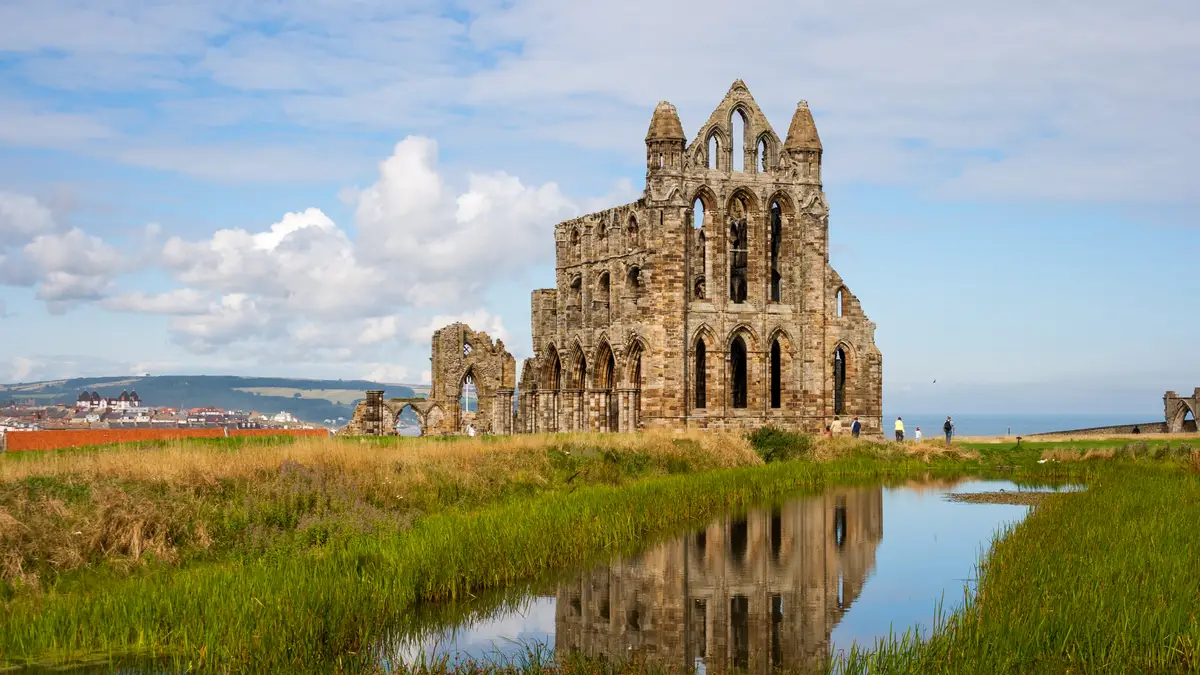
Whitby Abbey crowns the East Cliff above the harbour. First, its Gothic ruins stand open to the sea wind and sky. Then, the view down over red rooftops explains its lasting fame.
The 199 steps climb from the old town to the abbey. In fact, generations of visitors have counted them on the way up. So pause halfway, because the harbour view behind you keeps improving.
Captain Cook links run deep through Whitby history. For example, the young Cook trained here and sailed in Whitby-built ships. Meanwhile, the museum in his former home tells that seafaring story well.
Bram Stoker also found inspiration in this harbour town. Because he stayed here, Whitby later entered his famous novel Dracula. Still, the town feels cheerful and busy, not gloomy at all.
Fish and chips remain a serious matter in Whitby. First, fishing boats still land catches in the working harbour. Then, local shops fry that catch for queues of happy visitors.
The town anchors many lists of things to do in North Yorkshire. In fact, few places combine history, food, and scenery so tightly. So Whitby deserves its coastal base status completely.
Robin Hood’s Bay, Staithes, and Scarborough
Robin Hood’s Bay tumbles down a steep hill to the sea. First, narrow lanes twist between cottages towards a small sandy shore. Then, low tide reveals rock pools and a wide fossil-rich foreshore.
Smuggling stories cling to every alley in the village. In fact, contraband once moved through tunnels and cellars here at night. So the pretty village hides a far rougher past.
Staithes feels even smaller and more tucked away. For example, its harbour squeezes between cliffs at the end of a steep lane. Meanwhile, artists have painted this fishing village for well over a century.
Scarborough brings classic seaside scale to the coast. First, two broad bays curve around a headland topped by a castle. Then, the South Bay offers traditional amusements, ice cream, and harbour views.
Choose your coastal stops by mood, not by checklist. Because Whitby, Robin Hood’s Bay, Staithes, and Scarborough all reward time, rushing hurts them. Then, pick two places per day and enjoy them properly.
Coastal fans planning other trips can compare regions easily. For example, our guide to the best places to visit in East Devon covers a softer southern shoreline. Still, this northern coast feels wilder and more dramatic.
How does the steam railway cross the moors?
The North Yorkshire Moors Railway is a journey, not just transport. First, heritage steam trains run between Pickering and Whitby through moorland valleys. Then, each station along the line offers a reason to hop off.
Goathland station is the most famous stop for many passengers. In fact, film crews turned this quiet station into a magical school stop. So fans often ride the line just to stand on that platform.
Riding the train also solves a driving problem neatly. Because the line crosses the moors for you, everyone can watch the scenery. Then, nobody has to focus on narrow roads and passing places.
Book ahead in busy holiday weeks if you can. In fact, popular steam services fill up quickly in summer. So check the timetable first, because not every service runs daily.
The Yorkshire Dales highlights in the west
The Dales sit in the west, and they deserve separate time. First, limestone shapes everything here, from pale cliffs to dry stone walls. Then, each valley, called a dale, has its own character and villages.
Travelling west from the coast takes longer than people expect. Because the route crosses the whole county, you should treat it as a travel day. Still, Richmond makes a perfect pause on that westward journey.
Malham Cove, Aysgarth Falls, and Grassington
Malham Cove is the Dales’ most striking natural landmark. First, a huge curved limestone cliff rises above the village of Malham. Then, a strange patterned limestone pavement crowns the top of the cove.
Walkers reach that pavement by a clear path and steps. For example, the view from the top stretches across the whole valley. Meanwhile, the stream below the cliff emerges mysteriously from the rock base.
Aysgarth Falls spread the River Ure across broad limestone steps. In fact, the upper, middle, and lower falls each have marked woodland paths. So the visit works well for families and casual walkers alike.
Grassington makes a friendly base for southern Dales exploring. First, its cobbled square holds cafes, shops, and a small museum. Then, walks lead straight from the village into limestone countryside.
These stops headline many guides to places to visit in Yorkshire. In fact, Malham Cove alone justifies the drive west for most walkers. So protect a full day for the southern Dales here.
If limestone country fascinates you, other regions compare well too. For example, readers planning a northern city break can explore our places to visit in Manchester for families guide next. Then, the Dales sit within reach of that city too.
Richmond and the northern Dales gateway
Richmond is a handsome Georgian market town above the River Swale. First, its large cobbled market place sits at the heart of town life. Then, narrow yards and Georgian streets reward a slow wander.
Richmond Castle dominates one end of the town. In fact, this Norman fortress is among the earliest stone castles in England. So the keep view over Swaledale is worth the climb alone.
The town also works as a gentle introduction to Swaledale. For example, riverside paths lead towards waterfalls just outside the centre. Meanwhile, the valley beyond grows wilder and quieter with every mile.
Wensleydale itself adds cheese fame to the scenery. In fact, the famous crumbly cheese carries the valley’s name across the world. So a creamery visit pairs well with falls and village stops.
When is the best time to visit Yorkshire?
Spring suits walkers who like quiet paths and fresh colour. First, lambs fill the Dales fields and gardens wake up in Harrogate. Then, days grow longer, so you can fit more into each outing.
Summer brings the coast fully to life. For example, Whitby and Scarborough buzz with boats, beaches, and festivals. Meanwhile, the moors turn purple when the heather flowers in late summer.
That heather season is a real highlight of the North York Moors. In fact, few sights in England match those rolling purple hills. So late summer may be the best time to visit Yorkshire for moorland colour.
Autumn cools the crowds and colours the abbey grounds. Because Fountains Abbey looks superb among autumn trees, photographers favour this season. Still, shorter days mean earlier starts for long walks.
Weather can change quickly in any season here. In fact, moorland and coastal weather often differ on the same day. So pack layers and waterproofs, because conditions shift without much warning.
Travellers comparing seasons worldwide may enjoy a broader list. For example, our pick of 15 places to visit in the world spans very different climates and landscapes. Still, Yorkshire in late summer takes some beating.
Practical tips for your North Yorkshire trip
Costs here vary widely, so frame your budget by choices. First, abbeys, castles, and great houses usually charge entry, while walks cost nothing. Then, memberships for heritage bodies can help on longer trips.
Parking fills early at Malham, Whitby, and other honeypots. Because small villages have limited space, arriving before mid-morning really helps. Still, park-and-ride and trains ease pressure in York itself.
Phone signal fades in deep dales and moorland valleys. In fact, you should download maps before leaving your base each day. So a paper map in the car remains a sensible backup.
Families can mix big sights with simple pleasures easily. For example, one abbey visit can pair with rock pooling at Robin Hood’s Bay. Then, children get history and beach time in the same day.
Readers based further south can plan a linked trip too. For example, our guide to places to visit near Stratford-on-Avon suits a stop on the drive north. Then, Yorkshire becomes the wilder second half of the journey.
Frequently asked questions
How many days do you need in North Yorkshire?
Five days is a fair minimum for both bases. First, you give York and the coast two full days each. Then, one extra day covers either the abbeys or the railway.
Seven days feels better for most first-time visitors. Because you add the Dales without cutting corners elsewhere, the pace stays kind. Still, even a long weekend works if you pick one base only.
Which is better, the North York Moors or the Yorkshire Dales?
Neither wins, because they offer different kinds of beauty. First, the moors give heather hills, villages, and a meeting with the sea. Then, the Dales give limestone cliffs, waterfalls, and greener valleys.
Choose the moors if your base is York or the coast. For example, moorland days combine easily with Whitby and the steam railway. Meanwhile, choose the Dales if waterfalls and limestone top your list.
Can you visit North Yorkshire without a car?
Yes, you can, but planning matters more without a car. First, York has strong rail links and works perfectly on foot. Then, trains reach Scarborough, while buses and the railway serve Whitby.
Reaching Malham or remote moor villages takes more effort by bus. Because rural services run less often, you must check timetables carefully. Still, determined travellers manage this trip every week.
What should you pack for the moors and coast?
Layers and waterproofs matter more than formal clothes here. First, the wind on the cliffs and moor tops feels colder than expected. Then, sturdy shoes help on cobbles, abbey grounds, and limestone paths.
Final thoughts on the two-base plan
North Yorkshire rewards travellers who respect its scale. First, York and the moors towns give you history, abbeys, and elegant Harrogate. Then, the coast gives you Whitby, fishing villages, and steam trains.
The Dales then complete the picture in the west. Because Malham Cove, Aysgarth Falls, and Richmond differ from everything before them, they feel fresh. Overall, the best places to visit in North Yorkshire shine brightest when you stop rushing between them.



