
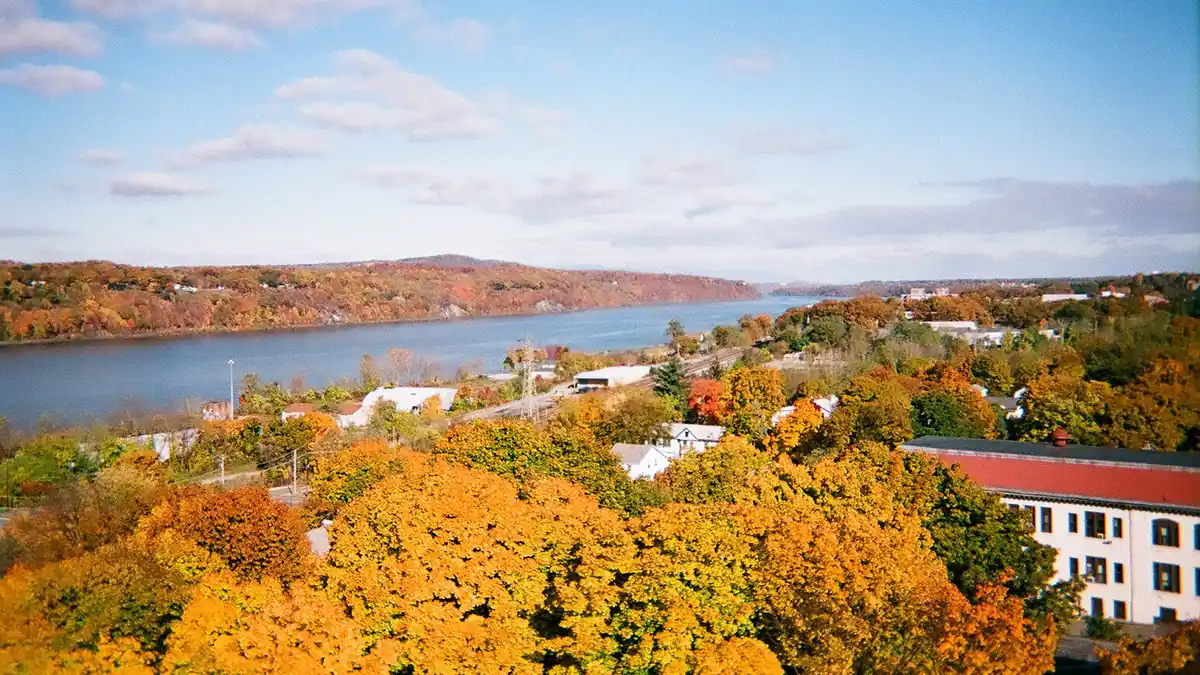
The Hudson River does something sneaky north of New York City. First, it widens into calm, shining stretches between soft green hills. Then it squeezes through the steep Hudson Highlands near Cold Spring. Also, small towns appear along both banks, and each one feels different. Beacon gives you bold contemporary art and busy cafés. Cold Spring gives you quiet porches and slow river views. Hudson, meanwhile, gives you antiques, galleries, and long lunches. So the best places to visit in the Hudson Valley are not single sights. Instead, they form a slow road trip of towns, trails, mansions, and farm stands.
This guide follows that road trip from south to north. You will meet the classic Hudson Valley towns first, then the big outdoor icons. For example, the route covers Dia Beacon, the Walkway Over the Hudson, and Storm King Art Center. It also covers Hyde Park NY, Kaaterskill Falls, and Minnewaska State Park. Practical details come with every stop, because scenery alone never plans a trip. You will also find train advice, base ideas, and honest notes on crowds. By the end, you can build a Hudson Valley weekend getaway that fits your pace.
Getting to the Hudson Valley From NYC
Reaching the Hudson Valley from NYC is easier than most visitors expect. First, Metro-North runs its Hudson Line from Grand Central Terminal. The trains follow the river closely, so the ride itself feels scenic. Stops include Cold Spring, Beacon, and Poughkeepsie at the end of the line. Sit on the left side heading north, because the river stays beside you. Then simply step off the platform and walk into town. In Beacon and Cold Spring, the station sits minutes from Main Street. So a car-free day trip works beautifully for these two towns.
Amtrak opens the northern half of the valley instead. Its Empire Service trains stop at Rhinecliff for Rhinebeck, and also at Hudson. Drivers, meanwhile, usually take the Taconic State Parkway or Interstate 87. The Taconic winds through farmland and feels relaxed, while I-87 runs faster and straighter. However, a car changes what you can reach. Storm King, Minnewaska, and most farm stands sit far from any station. So rent a car for a full weekend, especially beyond the train towns.
Beacon: Art, Main Street, and a Mountain
Beacon NY may be the easiest first stop in Hudson Valley NY. The town reinvented itself around art, and the anchor is Dia Beacon. This vast museum fills a former Nabisco box-printing factory near the station. Inside, huge rooms hold large-scale works from the 1960s onward. Natural light pours through the factory windows, so the art changes with the day. Give it a slow morning, because rushing these galleries feels wrong. Then walk up the hill into town for lunch.
Main Street runs long, lively, and happily browsable. You will find vintage shops, bookstores, bakeries, and small galleries in a row. Also, Beacon Falls tumbles right at the edge of downtown. The waterfall gives the street a soft soundtrack on quiet mornings. Coffee in hand, you can drift from shop to shop for hours. In fact, many visitors never leave Main Street at all. Still, the town rewards anyone who climbs higher.
Mount Beacon rises behind the town, and its trails climb steeply. The old incline railway once carried visitors straight to the summit. Today, hikers earn the view on foot instead. From the top, the river bends below you in both directions. On clear days, the Catskills stack up blue in the distance. Go early, though, because the trailhead fills fast on fall weekends. Then reward yourself with dinner back on Main Street.
Cold Spring: The Quiet River Village
Cold Spring sits across the Highlands, and it feels calmer than Beacon. The village keeps a nineteenth-century face, with brick storefronts and shady porches. Antique shops line the lower streets, so browsing happens naturally here. Then the road dips down to a small riverfront park. From the dock, the Hudson looks wide, green, and almost still. West Point sits across the water, framed by steep hills. Bring a picnic, because this view deserves unhurried time.
Hikers use Cold Spring as a base for the Hudson Highlands trails. Bull Hill and Little Stony Point offer gentler walks near the village. Breakneck Ridge, however, climbs hard and demands respect. Check trail conditions before you go, because routes here change with repairs. Also, trains stop right in the village, so car-free hiking works well. Arrive early on weekends, though, since platforms and cafés fill quickly. Then the village settles again once the day trains leave.
Poughkeepsie and the Walkway Over the Hudson
Poughkeepsie holds the valley’s most joyful walk. The Walkway Over the Hudson turns an old railway bridge into a linear park. It stretches high above the river, and the deck stays flat and welcoming. Cyclists, strollers, and grandparents all share the space happily. From the middle, the river opens in both directions at once. Boats look tiny below, and the hills roll away blue. Go at golden hour, because the light turns the water to copper.
The Walkway also connects two trail networks on opposite banks. On the east side, Poughkeepsie station links straight to Metro-North trains. On the west side, paths continue toward Highland and the rail trail. So you can walk across a river and barely notice the effort. Pair the crossing with lunch in Poughkeepsie or a drive to nearby Hyde Park. In fall, especially, the bridge becomes a front-row foliage seat. Our guide to the best places to visit in US for fall ranks this valley among the season’s finest.
Hyde Park: Presidents, Mansions, and Chefs
Hyde Park NY packs three famous stops into a few quiet miles. First, the Franklin D. Roosevelt home and library preserve the president’s story. The house at Springwood still overlooks the river he loved. Next door, his presidential library holds exhibits on the Depression and war years. Allow real time here, because the displays reward slow reading. Then step outside and walk the grounds toward the rose garden. History feels personal here, not distant.
A short drive north stands the Vanderbilt Mansion, all limestone and columns. The Vanderbilt Mansion National Historic Site shows Gilded Age wealth at full stretch. Inside, the rooms gleam with marble, tapestries, and carved wood. Outside, formal gardens step down toward the river in terraces. The view from the lawn explains why millionaires built here. In fact, the grounds alone justify the stop. Picnics work well under the old trees in summer.
Then food takes over, because the Culinary Institute of America anchors the town. Its student-run restaurants serve polished lunches and dinners on campus. Book ahead, since tables disappear quickly on weekends. Even a campus stroll feels fun between meals. So Hyde Park mixes presidents, millionaires, and chefs in one afternoon. Few small towns anywhere offer that combination. Plan half a day here at minimum.
Storm King, Kaaterskill Falls, and Minnewaska
Storm King Art Center spreads giant sculpture across rolling meadows near New Windsor. Some works tower over you, while others hide behind gentle hills. You discover each piece by walking, so the landscape becomes part of the art. Bicycles help on long days, because the grounds cover serious ground. Visit on a bright day, especially when the grass runs deep green. Then the steel and stone pieces glow against the hills. It ranks among the most memorable things to do in the Hudson Valley.
Kaaterskill Falls pours down in two tiers on the Catskills’ eastern edge. Painters of the Hudson River School made this waterfall famous generations ago. The viewing platform gives a safe, sweeping look at the full drop. Trails also lead toward the base, though they demand care and good shoes. Go after rain, because the falls run fuller and louder then. Arrive early, since the small parking areas fill by mid-morning. Then pair the falls with nearby Woodstock or Saugerties. Waterfall fans can continue north to the unique places to visit near Niagara Falls afterwards.
Minnewaska State Park protects a different kind of beauty west of New Paltz. Here, white cliffs ring a sky-blue mountain lake. Carriage roads circle Lake Minnewaska, so walkers and cyclists share easy miles. Swimmers use the lake beach in summer, and the water stays bracingly clear. Awosting Falls adds a waterfall stop near the entrance road. In fall, the pitch pines and oaks turn the ridges copper. This park rewards a full day, not a rushed hour.
Hudson: Antiques and Appetite on Warren Street
The city of Hudson runs on antiques, design, and appetite. Warren Street stretches for blocks with handsome old storefronts. Inside them, dealers sell furniture, lighting, art, and beautiful oddities. You could furnish a house here, or simply window-shop happily. Galleries and bakeries break up the browsing nicely. Also, Amtrak stops right in town, so this trip works without a car. Arrive hungry, because the restaurants punch far above the town’s size.
Across the river in Catskill sits the Olana State Historic Site. Landscape painter Frederic Edwin Church built Olana as a home and artwork in one. The house mixes Persian, Moorish, and Victorian details in playful ways. Inside, Church’s studio still faces the light he chased. Outside, the grounds frame the river view he painted for decades. Walk the carriage roads slowly, because every turn composes a picture. Then cross back to Hudson for dinner on Warren Street. Nearby, Catskill village also honors painter Thomas Cole at his historic home.
Rhinebeck: The Storybook Village Stop
Rhinebeck feels like the valley’s storybook village. Its streets hold old inns, independent shops, and a much-loved historic hotel. The farmers market draws crowds when it runs in season. Bakers, florists, and cafés keep the centre lively all morning. Then the pace softens, and porch sitting becomes the main event. Rhinebeck also works as a gentle base for Hyde Park visits. Amtrak’s Rhinecliff station sits a short drive from the village. So train travellers can base here with one short ride arranged.
Kingston, Woodstock, and the Saugerties Lighthouse
Kingston splits into two historic halves, and both reward a walk. Uptown, the Stockade District keeps stone houses from the colonial era. Kingston served briefly as New York’s first capital in revolutionary times. Downhill, the Rondout waterfront lines the creek with restaurants and marinas. Boat rides run from here in season, too. Between the two, galleries and murals show Kingston’s creative second act. Give it a full afternoon, because the halves feel like separate towns.
Woodstock, meanwhile, trades on art, music, and mountain air. The famous 1969 festival actually happened in Bethel, miles away. Still, the town keeps its free-spirited, tie-dyed heart. Tinker Street packs galleries, record shops, and cafés into a short stroll. Trails climb Overlook Mountain just outside town, with ruins near the top. Then the valley slows down again toward Saugerties.
Saugerties waits down the road with a quieter charm. A flat trail leads through woods and marsh to its lighthouse. The Saugerties Lighthouse has guided river traffic since the nineteenth century. Today, it even hosts overnight stays by reservation. From its deck, the Hudson spreads wide and calm. Sunset there feels wonderfully far from everything. Also, the village streets hold bookshops and diners worth a slow hour.
Wineries, Farm Stands, and Apple Picking
Farms stitch the whole valley together between towns. Hudson Valley wineries pour tastings in barns and vineyard gardens across both banks. Millbrook and the Shawangunk wine trail anchor many routes, for example. Farm stands sell corn, peaches, cheese, and flowers along the back roads. In apple season, orchards open for pick-your-own days and fresh cider doughnuts. Families plan whole weekends around apple picking here. Stop often, because the smallest stands often hide the best pies. Cash helps at rural stands, though many now take cards.
Where to Base Yourself and a Simple Weekend Route
Choosing a base shapes the whole trip, so choose by style. Beacon suits art lovers who want trains at their door. Hudson suits shoppers and food lovers, also with a station in town. Rhinebeck suits romantics, while Kingston suits travellers with a car. Poughkeepsie suits planners, because routes cross there in every direction. Book early for fall weekends, since rooms vanish and prices climb. Weekdays, by contrast, feel calmer and often cost less.
A simple weekend route strings the highlights together without backtracking. First, ride Metro-North to Beacon on Friday and settle in. Spend Saturday at Dia Beacon, Main Street, and Mount Beacon. Then drive or train north on Sunday toward Hyde Park. Walk the Walkway in the morning, and tour the Roosevelt home after lunch. Next, finish in Rhinebeck with a slow village dinner. On a longer trip, add Hudson and Olana as a second base. This route keeps drives short and evenings unhurried.
Best Time to Visit the Hudson Valley
So, when is the best time to visit the Hudson Valley? Fall wins the fame, and the foliage truly earns it. Hillsides turn scarlet and gold, usually peaking around mid-to-late October. Crowds peak then too, especially on sunny weekends. The valley rivals the Michigan places to visit in the fall for sheer colour. Travellers chasing a longer season can then head south to the places to visit in the fall in North Carolina. Book rooms early if fall is your plan.
Spring brings waterfalls at full flow and quieter trails. Gardens wake up at the great estates, and farm stands reopen. Summer, meanwhile, runs green, warm, and festival-friendly. Swimming holes, river cruises, and outdoor sculpture all peak then. Hudson Valley wineries pour on vineyard lawns through the long evenings. Winter quiets everything, though cosy inns and snowy hikes have fans. Unlike the best place to visit near San Francisco, where seasons blur, the valley reinvents itself four times a year.
Honest Notes Before You Go
A few honest notes will save your trip some friction. First, you really need a car beyond the train towns. Stations serve Beacon, Cold Spring, Poughkeepsie, Rhinecliff, and Hudson well. Storm King, Minnewaska, and Kaaterskill, however, sit far from platforms. Rideshares grow scarce in rural stretches, so plan rides in advance. Next, expect weekend crowds in fall and summer. Popular trailheads fill early, and small cafés queue out the door. Finally, book headline sights and dinners ahead in peak season. Spontaneity works better on weekdays here.
Frequently Asked Questions
How do I visit the Hudson Valley from NYC without a car?
Trains make it simple. Ride Metro-North’s Hudson Line to Cold Spring, Beacon, or Poughkeepsie first. Then use Amtrak for Rhinecliff and Hudson farther north. All five stations sit in or near walkable town centres. So a car-free trip works well for town-based days. You will miss the big parks, though, because they sit inland. Rent a car for one day if Storm King tops your list.
What are the best Hudson Valley towns for a first visit?
Start with Beacon and Cold Spring, because both sit on the train line. Beacon brings the art, while Cold Spring brings the quiet. Then add Hudson for antiques and Rhinebeck for storybook charm. Kingston suits history lovers, and Woodstock suits music fans. First-timers often split a weekend between two bases. That way, the trip feels rich without feeling rushed.
How many days do I need for a Hudson Valley weekend getaway?
Two full days cover the highlights without much rushing. One day handles Beacon and Cold Spring together, for example. A second day covers the Walkway and Hyde Park. Add a third day, though, and the trip breathes properly. Then Hudson, Olana, or a winery afternoon fits in easily. Longer stays suit hikers who want Minnewaska and Kaaterskill too.
When is the best time to visit the Hudson Valley for fall foliage?
Colour usually peaks around mid-to-late October in most years. Lower towns near the river often turn slightly earlier than the high ridges. Weekdays show the same colours with far fewer people, though. Book rooms early, because foliage weekends sell out fast. Also, start hikes early in the day for quieter trails. Golden hour on the Walkway makes a perfect finish.
Can I visit the Hudson Valley in winter?
Yes, and winter brings a quieter, cosier valley. Inns light their fireplaces, and snowy trails stay peaceful. Some estates and parks cut their hours, so check before you go. Our guides to the best places to visit in Dec in US and the best place to visit for New Year’s in USA help with festive planning. Trains keep running, so a snowy day trip still works.
What food is the Hudson Valley known for?
Farm food leads the way here. Expect farm-to-table dinners, farmers markets, and orchard cider doughnuts. The Culinary Institute in Hyde Park trains chefs who spread across the valley. Also, wineries, cideries, and small distilleries pour local drinks everywhere. Bakeries in Rhinebeck and Hudson draw lines on weekend mornings. Come hungry, because grazing between towns becomes half the fun.



