
Most visitors arrive, walk to the brink, take their photographs, and then leave within a few hours. That plan is understandable, because the falls themselves are unforgettable. Still, it misses most of the region. The river keeps working below the falls. Historic towns sit a short drive away, and vineyards roll across the peninsula toward Lake Ontario. This guide to unique places to visit near Niagara Falls follows those quieter threads. Your trip becomes a small journey rather than a single viewpoint.
Indeed, the area rewards anyone who slows down. You can descend into a forested gorge in the morning. After lunch, you can taste wine among the vines, and before dinner you can watch a lake freighter climb a canal lock. Niagara therefore earns its place on almost every list of the best places to visit in North America. Yet its side trips remain surprisingly underused.
Why should you look beyond the falls themselves?
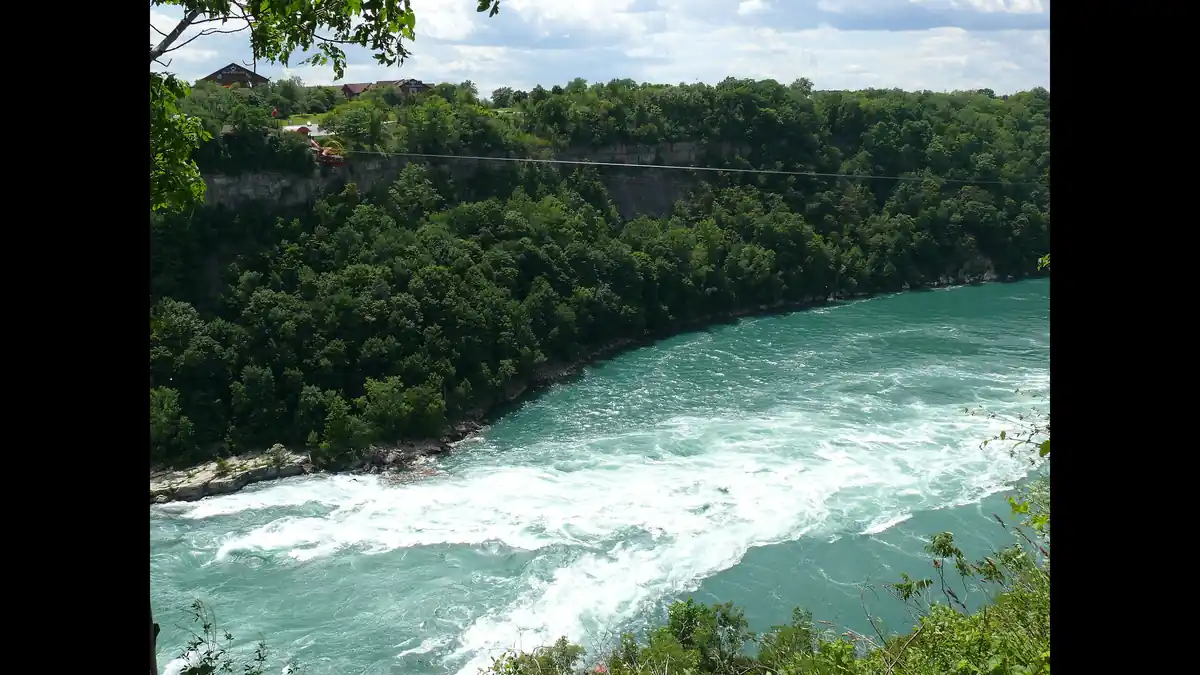
First, the falls are only one chapter in the river’s story. Above the brink, the water spreads wide and calm. Below it, the river squeezes into a deep gorge. It spins into a whirlpool and races through rapids that look wild even from a safe boardwalk. Following that journey downstream gives the whole landscape a plot, and the plot makes each viewpoint feel connected.
Second, the surrounding towns add the human side of the story. Niagara-on-the-Lake preserves streets that feel gently frozen in an earlier century, while St. Catharines still works for a living around its canal. Meanwhile, the American side of the river offers state parkland and a closer, wetter angle on the smaller falls. Together, these places turn a famous sight into a rounded destination.
Crowds concentrate at a handful of railings, so a short drive usually buys you space, shade, and time to linger. Hidden gems near Niagara Falls are rarely secret, actually. They are just far enough from the main promenade that hurried itineraries skip them.
The gorge below the falls, where the river keeps performing
The cluster closest to the falls follows the Niagara Parkway scenic drive downstream. It fits neatly into half a day. Each stop shows the river at a different mood, from violent rapids to still backwaters. Allow honest time here. The gorge is deep, the stairways are real exercise, and the views keep tempting you to stay longer.
The Niagara Whirlpool, where the river turns back on itself
Downstream from the falls, the river makes a sharp turn, and the current folds into the famous Niagara Whirlpool. From the rim lookouts, you can watch the surface swirl slowly. Jet boats and whirlpool rapids churn at the edges. The colour alone is memorable, since the water carries that pale green tint the Niagara is known for.
For a higher view, the historic cable car crosses above the whirlpool. It gives you the full circle at a glance. Riders drift over the gorge while the river turns beneath them, so the geography suddenly makes sense. If heights are not your thing, however, the rim paths still deliver the scene comfortably. Either way, check ahead for seasonal operating details before you go.
White Water Walk, the rapids at eye level
The White Water Walk takes you down by elevator and then along a boardwalk set right beside the rapids. The water here moves with a speed and noise that photographs cannot capture. Waves pile up, fold over, and crash in patterns that never repeat, so standing still becomes strangely absorbing.
Boards underfoot keep the walk easy. This stop suits visitors who want the gorge without a serious hike, and viewing platforms let you pause without blocking the path. Consequently, this is often the best first gorge stop for families. It delivers the drama, yet it asks very little effort in return.
Niagara Glen trails, down into the green quiet
If the boardwalk feels too tame, the Niagara Glen trails answer with real hiking. Stone steps and a metal stairway drop you into a pocket of Carolinian forest. Huge boulders, old trees, and fern covered slopes muffle the tourist world above. Trails loop between the cliff wall and the river. You can build a short wander or a longer, sweatier circuit.
Down at river level, the path passes close to the whirlpool rapids, and the roar follows you through the trees. Wear proper footwear, though, because the ground is uneven and can stay slippery after rain. Carry water as well, since climbing back to the rim is the price of the descent. The Glen feels like a separate wilderness, yet the falls are only minutes away by road.
Dufferin Islands, the calm water above the falls
Upstream of the Horseshoe Falls, the mood changes completely at Dufferin Islands. Small man made islands, linked by footbridges and winding paths, spread across a quiet section of the river. Ducks drift on still channels, herons sometimes stalk the shallows, and picnic spots hide under mature trees. As a result, this is the place locals choose when they want the river without the roar.
Come here between bigger stops, especially when children need to run or grandparents need a bench and some shade. In winter, the islands usually join the wider festival of lights displays around the falls. The bare trees gain a second life after dark.
The Floral Clock, a working clock made of flowers
Further north along the parkway, the Floral Clock Niagara landmark stops traffic in the politest way. Gardeners plant the clock face with seasonal flowers and bedding plants, and the design changes as the displays are renewed. You read the time on living colour, which is a small delight that suits this garden minded stretch of road.
Pair the clock with the nearby botanical gardens and butterfly conservatory area for a gentle hour among lawns and glasshouses. These stops suit a slower morning, particularly when the main falls viewpoints are at their busiest. Around Niagara, careful planting is a tradition, not an afterthought.
Niagara-on-the-Lake and wine country, the slow afternoon cluster
North follows the river to Lake Ontario, and the drive itself is half the pleasure. The road passes orchards, vineyards, and grand old houses before arriving in a town that moves at walking pace. A Niagara-on-the-Lake day trip pairs easily with the gorge stops. Yet most visitors prefer to give the town its own unhurried afternoon.
A historic town made for wandering
Niagara-on-the-Lake is often called one of the prettiest small towns in Canada, and the claim holds up on its main street. Heritage buildings hold bakeries, bookshops, ice cream counters, and small galleries, while flower baskets hang above wide sidewalks. Queen Street invites browsing rather than shopping with a mission, so leave gaps in your plan on purpose.
Beyond the storefronts, quiet residential streets reveal gardens, old churches, and glimpses of the lake at the road’s end. History sits close here too. The town grew up around the mouth of the river and the nearby fort grounds. Walk down to the water if the weather allows. The view across to the American shore explains the town’s strategic past instantly.
An evening with the Shaw Festival theatre
Culture anchors the town as firmly as wine does. The Shaw Festival theatre stages plays across its venues through much of the year. Its audiences often plan whole weekends around a performance. Productions range from the works of George Bernard Shaw to modern classics and musicals. The programme usually holds something for first timers and devoted theatregoers alike.
Booking ahead is wise, particularly for weekend performances in the main season. Check the festival’s official listings before you travel, since schedules, venues, and productions change from season to season.
Niagara Peninsula wineries and the magic of ice wine
Vineyards spread across the flat, fertile land between the escarpment and the lake. On that ground, the Niagara Peninsula wineries have built a serious reputation. The lake moderates the climate. Grapes therefore ripen through long autumns, which surprises visitors who picture Canada as only cold. Estate wineries around Niagara-on-the-Lake and the nearby benchlands offer tastings, tours, and vineyard lunches. Settings range from grand to farmhouse simple.
Then there is the region’s signature pour. Niagara ice wine is made from grapes left on the vine until winter. They are picked while frozen, so the sweet juice stays concentrated. The result is intensely flavoured and usually served in small pours, often as a dessert wine. Tastings typically introduce it proudly, and staff will happily explain how a harsh winter becomes an advantage in the glass.
Plan winery visits responsibly, above all. Choose a few estates rather than many. Book structured tastings ahead on busy weekends. Use a designated driver or a local tour if you intend to taste widely. Farm stands along the country roads add peaches, cherries, and preserves in season.
The canal and St. Catharines, where ships climb the escarpment
West of the falls, a different engineering story unfolds. The Welland Canal lets ships bypass the falls entirely. It lifts them between Lake Erie and Lake Ontario through a staircase of locks. Watching that process up close is one of the most genuinely different things to do beyond Niagara Falls. The scale is industrial, and the pace is wonderfully slow.
Welland Canal Lock 3 viewing in St. Catharines
The best known public viewpoint sits at Welland Canal Lock 3 in St. Catharines, where an elevated platform overlooks the lock chamber. When a ship is locking through, you watch gates swing and water rise or fall. A vessel the size of a building then glides forward with surprising grace. The process takes a while, so bring patience and enjoy the unhurried theatre of it.
Ship movements follow real shipping schedules, not visitor convenience, therefore a vessel is never guaranteed during your visit. Still, the viewpoint and canal parkway are pleasant even between transits. Check the canal centre’s visitor information before you go, because viewing arrangements and ship schedules can change.
The St. Catharines museum beside the lock
Right at the same site, the St. Catharines Museum and Welland Canals Centre fills in the story behind the steel and water. Exhibits trace the successive canals dug across the peninsula. They follow the labour that built them and the communities that grew along their banks. Models, photographs, and local history displays give the lock outside a human context. The next ship you watch becomes far more interesting.
This stop suits families especially well. Children can alternate between indoor exhibits and the outdoor platform whenever a ship approaches. Rainy days also favour it, because the museum carries the visit if the weather closes in.
The US side, a different angle on the same river
Niagara is a binational destination, and the Niagara Falls US side has its own character. The Niagara Falls Canada side leans into promenades and gardens. The American shore centres on Niagara Falls State Park, with wooded paths and island viewpoints. It also sits closer to the American and Bridal Veil Falls. Seeing both shores in one trip shows how differently two neighbours can frame the same wonder.
What feels different across the border?
On the American side, you stand nearer to the smaller falls. You look across at the Horseshoe rather than down its curve. Goat Island splits the river between the two countries’ viewpoints. Its paths lead to brinkside spots that feel intimate rather than grand. The park setting keeps buildings back, so trees and riverbanks dominate the foreground.
Travellers continuing through New York State often look for quieter stops beyond the famous cities. Our roundup of secret places to visit in New York offers ideas that match this trip’s offbeat spirit. Likewise, short break planners can browse places to visit near New York for a long weekend.
Crossing the border, checked and unhurried
Crossing between the two sides is a normal part of many Niagara trips. Treat it as a real international border, because it is one. Carry the identification your nationality requires, expect inspection, and allow extra time during busy holiday periods. Requirements differ by citizenship and can change. Check official government sources for both countries shortly before you travel, rather than relying on forum advice.
Similarly, confirm the current pedestrian and vehicle arrangements for the bridge you plan to use. Routes and tolls are managed officially and updated over time. Keep documents accessible, answer officers plainly, and keep the crossing unhurried in your schedule.
How can you combine these places into one good day?
Geography does most of the planning for you, because the stops line up along the river. Group them by cluster instead of zigzagging, and each day gains a theme. The three patterns below cover most first trips. Each one leaves the evening free for the illuminated falls back at the brink.
A gorge and gardens day
Start early at the White Water Walk, while the boardwalk is quiet. Then drive a few minutes to the Niagara Glen for your main hike. By late morning you will have earned lunch, so return toward the falls and rest at Dufferin Islands with a picnic. Afterwards, continue north to the Floral Clock and the botanical gardens for a calm finish.
A town and wine day
Give Niagara-on-the-Lake the slower day it deserves. Begin with a morning wander along Queen Street. Add a museum or heritage stop, and then head into the vineyards for booked tastings through the afternoon. If a Shaw Festival performance is on, build dinner around it and let the theatre close the day. Alternatively, skip the show and watch the sun drop over the lake instead.
Autumn suits this pattern particularly well, since harvest season colours the vineyards and the town’s trees at once. A wider fall journey might also tempt you. Our guide to the best places to visit in the US for fall covers colour and cooler weather elsewhere. Niagara’s own maples make a persuasive local case, though.
A canal and two shores day
With a second full day, start at Lock 3 in St. Catharines and let the museum set up your canal watching. Next, return to the falls and walk the Canadian promenade for the classic Horseshoe views. If your documents and timing allow, cross to the American state park afterwards. The island paths and the closer look at the American Falls reward the effort.
Visitors with even more time sometimes turn Niagara into the first stop of a longer Canadian route east or north. A summer extension pairs naturally with places to visit in Montreal, Canada in summer. A wilder Ontario arc reaches toward places to visit in Thunder Bay, Ontario. Either way, Niagara works as a beginning rather than the whole story.
Practical tips before you set out
Check operating details close to your visit, because many gorge, garden, and theatre attractions run seasonally. Spring and autumn bring thinner crowds and mild hiking weather, while summer adds full schedules and longer evenings. Winter offers frozen spray scenery and ice wine season, although some trails close or reduce hours.
Driving makes the clusters easy to combine. Parking near the main falls area can be busy and priced for demand. Arrive early, or use local transit where it fits. The scenic parkway itself deserves unhurried driving, with pull offs for river views. Above all, build slack into every day. Niagara’s best moments here are unscripted. A ship arrives early, mist clears over the whirlpool, or a vineyard patio glows in late light.
Frequently asked questions
What are the most unique places to visit near Niagara Falls?
The strongest answers mix the river’s wild side with the region’s culture. The Niagara Glen, the whirlpool, Dufferin Islands, Niagara-on-the-Lake, the peninsula wineries, and Lock 3 in St. Catharines each show a different Niagara. Together they form the core of the best day trips from Niagara Falls. None of them requires giving up time at the falls themselves.
How many days do you need to explore beyond the falls?
One extra day covers the gorge cluster comfortably. Two extra days let you add Niagara-on-the-Lake and the canal without rushing. A single day trip from a nearby city can still include one side cluster if you choose it honestly.
Is Niagara-on-the-Lake worth a separate trip?
Yes, particularly if you enjoy heritage streets, theatre, and wine. The town sits at the river’s mouth on Lake Ontario. It is a short scenic drive from the falls, and its pace feels completely different.
Can you visit both the Canadian and American sides on one trip?
Usually, yes, provided your documents satisfy the entry requirements of the country you are entering. The two shores sit within walking distance across the border bridges. The logistics are simple once the paperwork is right. Always verify current official requirements before you travel, because rules depend on your citizenship and can change.
When is the best time to visit these quieter places?
Late spring through autumn generally offers the fullest access. Trails open, gardens work, theatre performances run, and winery patios stay in season. Autumn adds harvest colour, while winter suits the museum, the town, and ice wine tasting. Weekday mornings are the quietest windows in almost any season, so aim early when you can.
Are these side trips suitable for families?
Most of them are. The White Water Walk, Dufferin Islands, the Floral Clock, and the canal museum fit children especially well. The Niagara Glen asks more of young legs, since its trails are steep and uneven in places. Wineries vary by property, so check ahead if your family group includes children.
Niagara Falls will always be the headline, and rightly so. But the region around it holds a gorge to hike and a river that turns in circles. It holds a gentle historic town, vines that turn winter into wine, and ships climbing a hill of water. Give those places a day or two, and the famous falls stop being the whole trip. Instead, they become the magnificent centre of a much richer one.



