
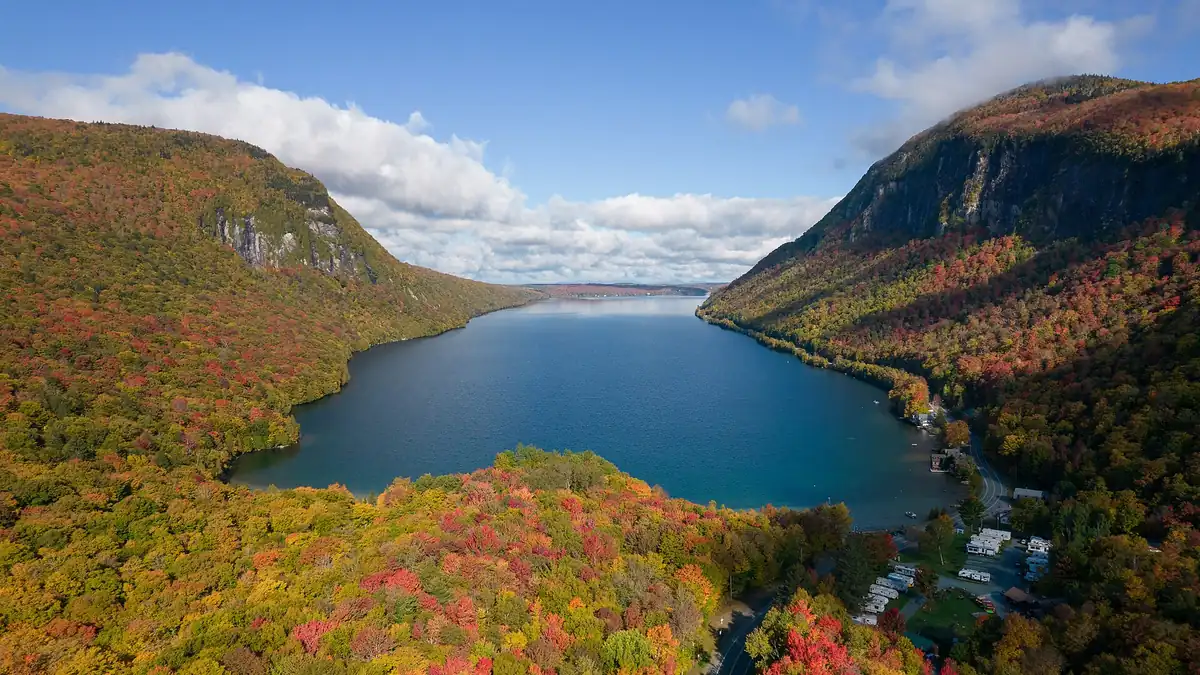
Fall in America does not arrive everywhere at once. First, the high mountains and the far north catch fire in late September. Then the color rolls south through October, valley by valley. Finally, a few southern hillsides are still glowing in early November.
That rolling wave is exactly why timing matters more than any single destination. The best places to visit in US for fall are easy to name, but the best week to visit each one is the real trick. So this guide to fall foliage USA trips is organised region by region, with timing as the spine.
You will find a scenic drive for every region, plus honest notes on crowds and prices. You will also learn how to check real conditions before you book. After all, a week too early means green leaves, and a week too late can mean bare branches.
How fall color moves, and how to time your trip?
So, what is the best time to see fall colors in each part of the country? The pattern is simple, even if the exact dates refuse to sit still. High elevations turn first, because cold nights arrive there earliest. Northern states turn before southern ones for the same reason.
In practice, the season opens in late September in the highest Rockies and the northern forests. Next, most classic regions reach peak fall foliage sometime in October. Then the show drifts into the southern Appalachians, the Ozarks, and Texas, where it can run into early November.
Exact peaks shift every year, though. A warm spell can slow the change, while an early frost or a storm can end it fast. Because of that, smart travellers treat the windows in this guide as starting points only. In the two or three weeks before a trip, they check state foliage reports and online trackers instead.
Most states publish a weekly foliage report through autumn, and many add maps or hotlines. Rangers and local volunteers file those updates from the ground, so they beat any calendar. Check one before you drive, and your autumn travel USA plans get far more reliable.
New England, where the classic season begins
New England fall foliage earned its fame honestly. Sugar maples crowd these hills, and maples deliver the reds and oranges that other regions rarely match. Small towns, white churches, and covered bridges complete the picture that most people imagine first.
The region also rewards drivers, because the distances stay short. You can cross three states in a day, yet each valley seems to peak on its own schedule. Still, northern and higher areas turn first, often in late September. Southern New England and the coast usually follow one or two weeks later.
Vermont in the fall, Route 100 and Stowe
Vermont in the fall is the postcard version of the season. Route 100 runs down the spine of the Green Mountains, linking farm stands, ski towns, and villages. Drive it slowly, because almost every bend opens another hillside of red and gold.
Stowe anchors the northern end of that drive nicely. The town sits below Mount Mansfield, and gondola rides lift you above the color for wide views. Nearby, Smugglers Notch winds through cliffs and boulders, and the road there feels built for leaf-peeping.
Timing here runs early, so plan carefully. Northern Vermont often peaks from late September into early October, while valleys farther south follow soon after. Book rooms well ahead, because Stowe fills fast on peak weekends.
New Hampshire, the Kancamagus Highway and the White Mountains
The Kancamagus Highway may be the most loved fall drive in America. This road crosses the White Mountain National Forest between Lincoln and Conway, with no towns in between. Pull-offs appear often, and each one frames rivers, covered bridges, or layered ridgelines.
Because the road climbs, the color changes as you drive. Higher stretches turn first, so an early-October trip often finds a gradient instead of one flat peak. Hikers get even more choice, since trails rise from golden valleys to bare, windy summits.
Traffic is the honest downside here. On peak October weekends, the Kanc can crawl, and trailhead lots fill by mid-morning. Start at dawn instead, and the same road feels peaceful.
Maine, Acadia and the rocky coast
Maine adds something Vermont cannot offer, which is the sea. In Acadia National Park, maples and birches burn bright above granite shores and grey Atlantic water. The Park Loop Road strings those views together, and carriage roads suit walkers and cyclists.
Bar Harbor makes an easy base nearby. Mornings can start with a harbour sunrise, then afternoons can end with lobster rolls in town. Inland lakes and western Maine turn earlier, while the coast often holds color a little longer.
For many travellers, Maine is the quieter New England choice. Crowds still come, especially around Acadia, but the state spreads them out. If your route loops west afterwards, the unique places to visit near Niagara Falls make a bold add-on.
The Mid-Atlantic and the Appalachians, October’s long show
South of New England, the season stretches out. The Appalachian chain runs for hundreds of miles, and its ridges climb high enough to turn early. Valleys below them stay green longer, so one road trip can chase color for weeks.
This is also the easiest region for city travellers. Trains and short drives link these hills to New York, Philadelphia, and Washington. As a result, a foliage weekend here needs no epic road trip at all.
The Hudson Valley and the Catskills, New York’s easy escape
Hudson Valley fall foliage pairs river views with serious mountains. The Catskills rise west of the river, and their slopes turn in waves through October. Farm towns below add cider mills, pumpkin fields, and weekend markets to the drive.
Base yourself in a river town, then day-trip upward. Higher Catskill roads usually colour first, while the valley floor follows later in October. Our guide to the best places to visit in the Hudson Valley helps you pick towns and stops.
Weekend trains from the city get busy, so reserve early. Still, midweek trips feel calm here, even in mid-October. That flexibility makes the valley a smart pick for last-minute planners.
Shenandoah and the Blue Ridge Parkway in fall
Few drives match the Blue Ridge Parkway in fall. The parkway links Shenandoah National Park in Virginia with the Smokies in North Carolina. Skyline Drive covers the Shenandoah stretch, and overlooks appear around almost every curve.
Elevation is your friend on this road. Ridges can peak while valleys below still look half green, so you can drive up or down to find the best color. In most years, the broad middle of October suits the higher sections best.
Deer wander the meadows at dusk, and mist often fills the gaps at dawn. Drive slowly, because the speed limit stays low and wildlife crosses often.
The Great Smoky Mountains and Asheville
Great Smoky Mountains fall color lasts longer than almost anywhere else in the East. The park spans a huge range of elevations, so the season starts on the highest ridges. Then it steps downhill for weeks, reaching the valleys last.
Asheville makes a lively base on the North Carolina side. The town adds breweries, galleries, and mountain music to the leaf-peeping. For routes and towns nearby, browse these places to visit in the fall in North Carolina before you go.
Because the window runs long, the Smokies forgive imperfect timing. Arrive early, and you head uphill for color. Arrive late, and the lower valleys may still glow. Few regions offer that kind of safety net.
The Great Lakes, the Midwest’s underrated color
Many travellers overlook the Great Lakes in autumn, and that is their mistake. Maple and oak forests ring these huge lakes, and the water adds drama to every view. Sunsets over Lake Superior or Lake Michigan can turn a good foliage day unforgettable.
Lake water also bends the timing in an interesting way. Shores stay warmer longer, so lakeside towns can lag behind inland forests nearby. Watch local reports closely here, because conditions change across short distances.
Michigan, the Upper Peninsula and the Leelanau
A Michigan fall color tour really has two acts. Act one is the Upper Peninsula, where wild forests and waterfalls turn early, often around late September into October. Porcupine Mountains and Tahquamenon Falls both shine in that window.
Act two plays out farther south on the Leelanau Peninsula. Vineyards, orchards, and lake towns colour a little later there, and harvest season sweetens the trip. Our roundup of Michigan places to visit in the fall covers the stops in depth.
Distances here are bigger than New England’s, so plan fuel and daylight. The reward is space, because even peak weekends feel uncrowded. Small-town diners and empty overlooks come standard.
Wisconsin, Door County in the fall
Door County fall trips mix orchards with shoreline. This slim peninsula juts into Lake Michigan, and its roads pass cherry orchards, lighthouses, and fishing villages. Maples line the inland lanes, while the bayside sunsets do the rest.
Fish boils, farm markets, and apple picking fill the days between drives. Peninsula State Park adds a tower view above the trees, which photographers love. If you are choosing a base town, this guide to the best place to visit in Door County is a handy start.
Colour here usually builds through October, a touch later near the water. Book ferries and rooms ahead on festival weekends. Weekdays, though, feel wonderfully slow.
The Rockies, a short and golden season
Western fall looks different, because aspens rule these mountains. Their leaves turn a clear, bright gold, and whole hillsides shimmer when the wind moves. The season also runs short, so timing matters here more than anywhere.
High country can start turning in mid-September, and the best displays often arrive before October settles in. Snow can dust the peaks while the groves still glow below. That mix of white summits and golden slopes is hard to beat.
Aspen, Colorado, in the fall
Aspen Colorado in fall lives up to its name completely. Groves wrap the town and the roads around it, and Maroon Bells rise above a still lake nearby. On calm mornings, the peaks reflect in the water under golden trees.
Independence Pass and Castle Creek Road both make fine drives. Hikers, though, may prefer walking right into the groves, where the light turns yellow. Either way, mornings give the calmest scenes and the easiest parking.
Plan for a brief window, because aspen season fades fast. Wind or an early snow can strip the trees within days. Check Colorado foliage updates weekly, and keep your dates flexible if you can.
Park City and Utah’s canyon colour
Park City offers a western season with an eastern twist. Aspens gold the high slopes, while maples in the canyons nearby add real reds. That two-tone mix makes Utah stand out among best fall destinations in the USA.
Alpine Drive and the Mirror Lake Highway both climb into the color. Chairlifts run on some fall weekends, lifting riders above the canopy. The town itself stays lively, with film-famous streets and good food after the drive.
Utah’s high roads turn early, like Colorado’s, so think late September first. Lower canyons follow into October, though. A short drive can therefore rescue a trip that starts mistimed.
The Pacific Northwest, waterfalls and golden larches
Evergreens dominate the Northwest, so fall color arrives in pockets rather than walls. Those pockets still stun, especially where maples line rivers and waterfalls. Mist, moss, and gold leaves make a mood that the East cannot copy.
The Columbia River Gorge is the headline act here. Big-leaf maples and cottonwoods colour the cliffs along the river, and waterfalls run between them. The historic highway strings viewpoints together at a gentle pace.
Higher in the Cascades, alpine larches add a rarer prize. These conifers turn brilliant gold in autumn, then drop their needles for winter. Hikers plan whole trips around them, although the window stays short and the trails stay popular.
October suits the gorge best in most years, while larch country peaks around its edges. Rain is part of the deal, so pack waterproof layers. Waterfalls, at least, look better after a wet week.
The late-season South, for travellers who start late
Missed the northern peak? The season is not over yet, because the South runs weeks behind. Late October and early November bring color to hills that stayed green while Vermont turned bare. These trips suit anyone whose calendar only frees up late.
The Ozarks of Arkansas and Missouri headline this late show. Oak and hickory forests roll over the Boston Mountains, and scenic byways cross rivers and bluffs. Crowds stay thin, and small towns add pie shops and antique stores.
Texas Hill Country closes the national season. Lost Maples and the river valleys near it turn red and gold, often into early November. Nights cool down, wild vines colour the fences, and the barbecue alone justifies the drive.
Both regions vary more year to year than the north does. Rain through summer decides much of the show, so check state reports before committing. When the color does land, though, these quiet hills surprise everyone.
What else fall brings, beyond the leaves?
Color may headline the trip, but autumn stacks the calendar around it. Harvest festivals fill small-town squares with music, cider, and baked goods. Apple orchards open for picking, and the best ones sell warm doughnuts at the gate.
Pumpkin patches and corn mazes suit families, while vineyard harvest days suit couples. Farmers markets overflow with squash, apples, and late corn in October. A foliage drive tastes better when every stop adds something fresh from a farm stand.
College football weekends add another layer of energy. Tailgates, marching bands, and packed main streets turn leaf trips into full weekends. Book those Saturdays early, though, because game days swallow hotel rooms fast.
Some travellers build whole fall road trips USA routes around these extras. Leaves by day, a festival by night, and an orchard stop on the way home.
The honest downsides, and how to plan around them
Peak season has a price, and pretending otherwise helps nobody. Famous foliage towns charge their highest lodging rates in October. Rooms in Stowe, Aspen, or Bar Harbor can sell out weeks ahead on prime weekends.
Traffic causes the second headache. Leaf-peeping cars slow scenic roads to a crawl, and popular overlooks run out of parking. Restaurants fill at lunch, and small towns sometimes feel loved to death.
Simple habits soften all of that, though. Consider these moves before you book:
- Book lodging early for peak weekends, or travel midweek instead for lower rates.
- Start drives at dawn, because overlooks and trailheads stay quiet before mid-morning.
- Keep one flexible day, so weather or a shifted peak cannot ruin the plan.
- Check state foliage reports weekly, then daily in the final days before departure.
- Choose a backup region, because a nearby valley may peak when yours does not.
Packing deserves thought too, since fall weather swings hard. Mornings at an overlook can feel near freezing, while afternoons turn mild in the sun. Layers solve that swing better than one heavy coat.
Bring a warm mid-layer, a rain shell, and gloves for sunrise stops. Sturdy shoes matter on leaf-covered trails, because wet leaves hide roots and slick rocks. A thermos helps as well, since hot cider tastes best above a golden valley.
Frequently asked questions
What are the best places to visit in US for fall?
New England leads most lists, with Vermont, New Hampshire, and Maine on top. The Blue Ridge Parkway, the Smokies, Michigan, and Colorado follow closely behind. Your best choice depends on your dates, because each region peaks at a different time.
When is peak fall foliage in most of the USA?
Most classic regions peak sometime in October. High mountains and the far north arrive first, often in late September. Southern areas run last, with color holding into early November in good years.
How can I check fall colors before my trip?
Use your state’s official foliage report or tracker in the weeks before you travel. Those reports come from people on the ground, so they track real conditions closely. Recent photos from parks and scenic drives help too.
Which region is best for a late fall trip?
The Ozarks and Texas Hill Country are the safest late bets. Their color often lasts into early November, weeks after New England fades. The lower Smoky Mountain valleys can also hold color late.
Are fall foliage trips expensive?
They can be, because peak weekends push lodging prices up in famous towns. Midweek travel, early booking, and smaller base towns cut costs a lot. State parks and scenic drives themselves stay cheap or free.
What should I pack for a fall foliage trip?
Pack layers first, because temperatures swing between frosty mornings and mild afternoons. Add a rain shell, warm gloves, and sturdy shoes for leaf-covered trails. A camera helps, although the best views rarely need one.
Pick your region, then follow the color south
The best places for fall colors share one secret, which is timing. Choose the region that matches your free weeks first, then fine-tune with foliage reports as the trip nears. That order turns a hopeful guess into a plan.
Start north if September is your window, and ride the wave down through October. Finish in the Ozarks or Texas if November is all you have. Whichever route you pick, the season rewards travellers who stay flexible.
Fall may also spark bigger plans for the year ahead. Our guides to the best places to visit in December in the US and the best place to visit for New Year’s in the USA keep the momentum going. Dreaming even bigger? Browse the 15 places to visit in the world for next year’s list.



