
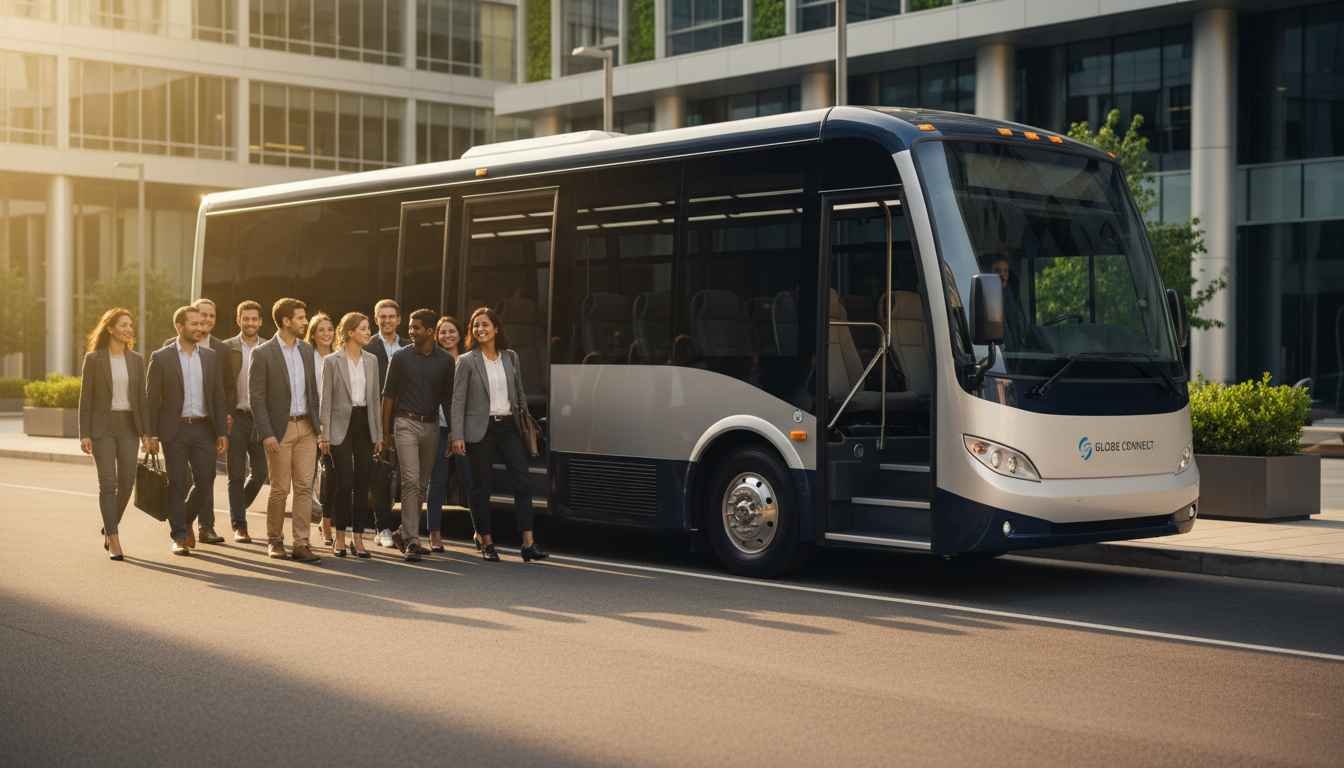
Is your morning starting with a missed bus notification? Is one employee late because fuel prices spiked overnight? Is another calling in stressed before the workday even begins? And are you, as a parent juggling school drop-offs and deadlines, wondering why employee commutes feel harder than ever?
I ask these questions because I live them. Between packing lunches, checking tire pressure, and making sure everyone gets where they need to go safely, transportation isn’t just logistics – it’s survival. In the transportation and automotive world, the wrong employee transportation solution doesn’t just waste money. It drains morale, productivity, and trust.
Companies across the globe are rushing to “fix” employee mobility, but in that rush, costly mistakes keep repeating. Below are the most common errors I’ve seen – and lived – so you don’t have to learn them the hard way.
Before You Start: Prerequisites You Shouldn’t Skip
Before signing contracts or buying vehicles, pause. A few foundational checks can save months of regret and budget leaks.
First, map real commute patterns, not assumptions. School zones, rural roads, border crossings, and weather matter more than spreadsheets.
Second, talk to employees directly. Parents, riders, shift workers, and remote commuters all face different realities.
Third, define what “success” means. Is it punctuality, safety, retention, cost savings, or all of the above?
Finally, confirm scalability. What works for 10 employees may collapse at 50.
Mistake #1: Treating Transportation as a One-Size-Fits-All Problem
This is the fastest way to fail. A single shuttle route or rigid pickup time ignores real life. Parents drop kids at school. Riders deal with terrain. Night-shift workers move when the city sleeps.
An employee transportation solution must flex with human schedules. When companies force uniformity, absenteeism rises and loyalty drops.
Global teams need adaptable options – shared rides, mileage support, or hybrid models – rather than a single rigid system.
Mistake #2: Ignoring Two-Wheel and Adventure Commuters
In many regions, motorcycles aren’t a hobby – they’re a necessity. Yet employers often design transport policies only for cars and buses.
Adventure riders and dualsport commuters need safe storage, weather-resistant gear, and flexible support. Brands rooted in hard travel, like Mosko Moto, understand that durability and reliability aren’t luxuries – they’re requirements.
Failing to acknowledge this segment leaves a large portion of your workforce unsupported and undervalued.
Mistake #3: Choosing the Cheapest Option Upfront
I get it. Budgets are tight. As a busy parent, I look for value every day. But cheapest rarely means most affordable long-term.
Low-cost transport providers often cut corners on maintenance, safety checks, and insurance. Breakdowns lead to lateness. Accidents lead to liability. Both cost far more than planned.
A smart employee transportation solution balances upfront cost with reliability, safety, and lifespan.
Mistake #4: Overlooking Safety and Liability Coverage
This mistake keeps me up at night. If an employee gets injured during a company-arranged commute, who’s responsible?
Too many businesses fail to verify insurance coverage, driver training, and emergency protocols. One incident can erase years of trust.
When it comes to ensuring that students arrive at school safely and on time, effective communication is key, particularly regarding transportation services. Many parents and guardians often find themselves searching for reliable information about the ECISD transportation system, including crucial contact details. However, misinformation can lead to confusion and frustration. In our article titled “Digging Deeper: The Truth About the ECISD Transportation Phone Number,” we aim to clarify the correct resources available to families. For instance, understanding the right ecisd transportation phone number can make a significant difference in resolving issues quickly and efficiently. Join us as we unravel the facts and equip you with the knowledge needed for seamless communication with the district’s transportation services.
Always demand transparent safety standards and documented risk mitigation. If a provider can’t offer that, walk away.
Mistake #5: Forgetting About Weather and Terrain
Global teams face monsoons, snow, dust, heat, and unpaved roads. Yet many transportation plans assume perfect conditions.
When weather hits, systems collapse. Employees arrive soaked, late, or not at all. Morale plummets.
An effective employee transportation solution plans for worst-case scenarios, not best-case days.
Mistake #6: Not Offering a Risk-Free or Exit Option
Trust is built when employees know they’re not trapped in a bad system. The same applies to employers.
If a transportation vendor refuses trial periods, performance guarantees, or money-back clauses, that’s a red flag.
A risk-free pilot phase protects both sides. It shows confidence and accountability – qualities every parent and employer values.
Mistake #7: Underestimating the Impact on Retention
Transportation isn’t just a perk. For many families, it’s the difference between staying and quitting.
When commutes become unpredictable or unsafe, employees look elsewhere. Replacing them costs far more than improving mobility.
A thoughtful employee transportation solution quietly becomes a retention engine, especially in high-turnover industries.
Potential Drawbacks You Need to Acknowledge
No solution is perfect. Shared transport can reduce privacy. Flexible reimbursements require more administration.
Two-wheel support may need infrastructure upgrades. Weather-proofing costs money.
The key is transparency. Acknowledge trade-offs upfront so employees feel respected, not surprised.
Who Should Avoid This?
If your workforce is fully remote with no physical commute, heavy transportation investments may not make sense.
Very small teams with identical schedules might also find informal arrangements more efficient.
However, if your employees face daily travel challenges, avoiding a structured employee transportation solution is the real risk.
Final Thoughts from a Parent on the Go
Every morning, I watch my kids climb into their seats and think about safety, timing, and trust. Employees deserve the same consideration.
Transportation decisions ripple outward – into families, productivity, and long-term loyalty. Avoiding these mistakes isn’t about perfection. It’s about care.
Choose solutions that respect real lives, real roads, and real responsibilities. That’s how you move people forward.