
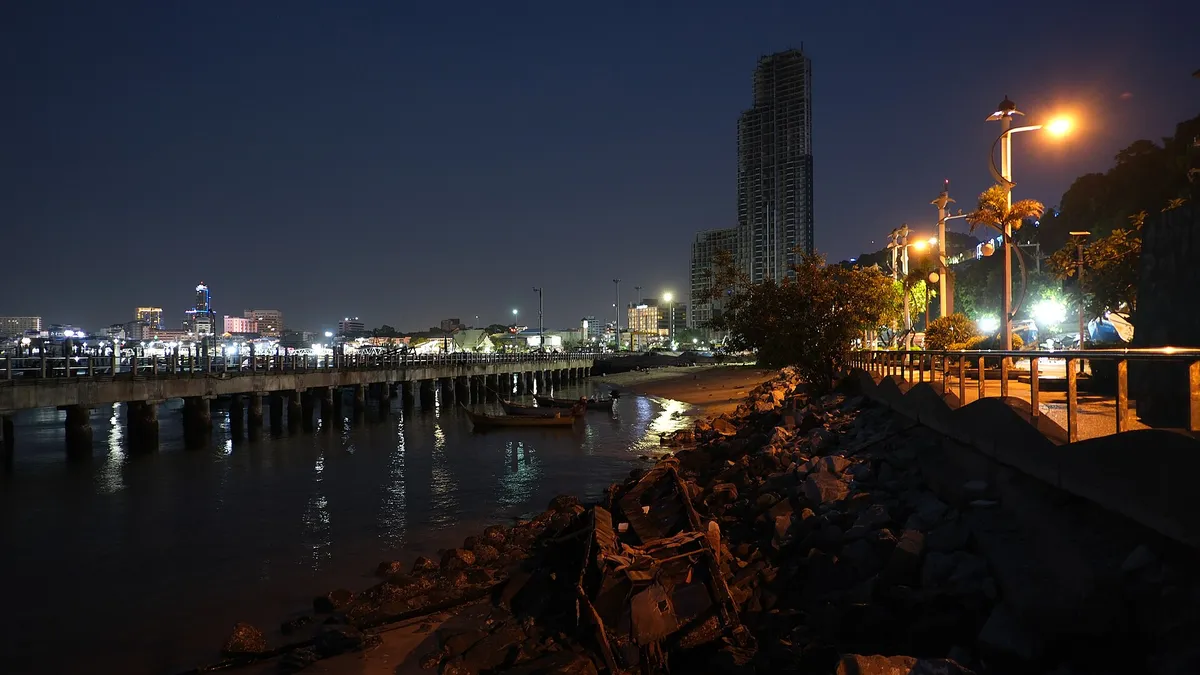
Every city changes character once the sun goes down. Streets that felt ordinary at noon can glow by nine, and quiet squares can fill with music, food smoke and conversation. So the real question is rarely whether a city has places to visit at night. The better question is how you find the right ones for the night you actually want.
This guide works in any city, from a capital you are visiting for the first time to your own home town on a Friday. It skips venue-by-venue lists, because those go stale fast. Instead, it shows you the types of places that genuinely work after dark, and it explains the planning habits that separate a great night out from a disappointing one. Example cities appear only as illustrations, so you can apply every idea wherever you happen to be.
What Kind of Night Do You Actually Want?
Good nights start with a mood, not a map. First, decide whether you want energy or calm, because that single choice filters out half the city. A buzzing market street suits a group that wants to graze, browse and people-watch. Yet a quiet riverside bench suits a couple who want conversation and a view.
Next, think about who is coming along. Families need early, well-lit options with food nearby and an easy route home. Solo travellers often prefer busy, public places where they can blend into the crowd. Meanwhile, a group of friends might chase live music and late kitchens. None of these nights is better than the others, but each one points to a different part of town.
Finally, set your time window before you set your route. Some cities peak at nine in the evening, while others only wake up near midnight. Dinner cultures, climate and local habits all shift the rhythm. So check what “night” means locally, then build your plan around that rhythm rather than your own habits.
Where Should Food Lovers Start the Night?
Why Do Night Markets Work So Well After Dark?
Night markets are the easiest win in almost any city that has them. Stalls cluster together, prices stay low, and the whole place runs on grazing rather than sitting down. You can taste five small things instead of committing to one big meal. Also, markets give you a crowd, bright light and constant movement, which makes them feel safe and social.
Some markets run every night, while others appear only on certain weekdays or weekends. So confirm the market day before you travel across town for it. The famous market culture in Taiwan shows how far this format can go, and our guide to places to visit in Taipei at night explores that scene in depth. Still, even a small weekly market in a modest town follows the same happy logic.
What Makes a Food Street Different From a Market?
A food street is a row of kitchens rather than a field of stalls. Restaurants spill tables onto pavements, grills smoke at the kerb, and dessert shops stay open for the after-dinner crowd. This format suits a slower evening, because you can sit, order properly and watch the street perform around you.
Look for streets where locals eat, not just streets built for visitors. A simple test helps here. If menus appear in the local language first and families fill the tables, you have probably found the real thing. In fact, many of the world’s best food streets sit one or two blocks away from the famous tourist strip.
Which Landmarks Look Better After Dark?
Daylight flattens famous buildings, but floodlighting sculpts them. Bridges, towers, temples and old town walls often look more dramatic at night than they ever do at noon. The crowds thin out too, so you can actually stand still and look. For photographers, the hour just after sunset is gold, because the sky still holds colour while the lights switch on.
Waterfront promenades belong in this category as well. A lit promenade gives you the landmark, its reflection and a cooling breeze in one walk. Harbours, riverbanks and lakefronts all work this way, and most cost nothing to enjoy. Abu Dhabi shows the pattern beautifully, as our roundup of the best places to visit in Abu Dhabi at night makes clear. Still, your own nearest riverbank probably offers a smaller version of the same pleasure.
Check one detail before you go, though. Some landmarks switch their decorative lights off at a set hour, often around midnight. Others dim them on certain days to save energy. So time your walk for the fully lit window, not the walk home afterwards.
Where Can You See the Whole City Sparkle?
Every city has a high point, and night is when that high point earns its keep. Observation decks on towers give you the formal version, with glass, lifts and a ticket. Rooftop terraces give you the social version, usually with a drink in hand. Hills, castle grounds and river bridges give you the free version, and locals usually guard those spots proudly.
Arrive before sunset if you can. Then you get two shows for one trip, the golden hour and the lights coming on street by street. Book timed tickets for popular decks, because evening slots sell out first. Also, check the last entry time rather than the closing time, since decks often stop admitting visitors well before they close.
Big cities hide quieter viewpoints too, in park ridges, cemetery hills and old fort walls. Our list of secret places to visit in New York shows how even a famous city keeps some corners for those who look. Your city has equivalents, and a local walking-tour guide or hostel desk can usually name them.
Do Museums and Galleries Ever Stay Open Late?
Yes, and late opening museums are one of the great underused night options. Many large museums run one late evening a week, when galleries stay open several hours beyond the normal close. These sessions draw a calmer, older crowd, and the big blockbuster rooms feel almost private. Some institutions add music, talks or a pop-up bar to make the night feel like an event.
Galleries work differently. Commercial gallery districts often hold opening nights when several shows launch at once, and visitors drift from door to door for free. University museums and science centres also run evening programmes, especially planetarium shows and hands-on nights. So search for the words “late” or “after hours” alongside a museum’s name when you plan.
One habit protects the whole evening here. Always read the last entry times, because a museum that closes at ten may stop selling tickets at nine. Arriving to a locked door at the start of a night out deflates everyone fast. A two-minute check on the official site prevents that small disaster completely.
What Happens in a Garden After Sunset?
Night gardens turn familiar green spaces into something dreamlike. Botanical gardens increasingly run evening sessions with lit pathways, glowing installations and themed light trails. Some add food stalls and quiet music, while others keep the mood hushed and romantic. Either way, you walk the same paths you know from daytime and barely recognise them.
Singapore has built a global reputation on this idea, and our guide to the best places to visit at night in Singapore shows how gardens anchor a whole night scene there. Yet the format travels well. Smaller cities run lantern evenings in public parks, and historic estates often open their grounds for ticketed night walks in summer.
Season decides a lot in this category. Light trails cluster around winter holidays in colder countries and around festivals elsewhere. So treat a night garden as a seasonal treat, and grab tickets early when one appears near you. Bring a layer as well, because garden air cools quickly once the sun drops.
Where Does the City Go for Live Music?
Live music streets give a night out its soundtrack. These are the blocks where small venues cluster, buskers hold corners and sound spills from open doors. You do not need a ticket or a plan. You simply walk, listen and stop where the music pulls you in.
Different cities express this in different ways. One city offers jazz cellars down side streets, while another fills a plaza with folk singers and food carts. University districts tend to run late and cheap, and old town squares tend to run traditional. In fact, the music street often sits inside the food street, which makes combining dinner and a show effortless.
Respect the local rhythm while you enjoy it. Venues in residential areas may move music indoors after a set hour, and some districts go quiet on weekday nights. So aim for Thursday to Saturday in most places, and keep your voice down on the walk back through sleeping streets.
Why Does Water Change Everything at Night?
An evening river cruise slows a city down to walking pace. From the water, lit bridges slide past, landmarks line up in a row, and the noise of traffic fades behind you. Dinner cruises add a meal, while simple ferry-style boats just give you the ride and the view. Both formats work in harbour cities, canal cities and river towns alike.
Timing shapes the experience more than the boat does. A departure near sunset gives you daylight, dusk and full darkness in a single trip. A later departure gives you pure night, with reflections at their strongest. So pick the sailing that matches the mood you set at the start of the evening.
Check the practical details with care. Boats leave on time, boarding often closes minutes before departure, and open decks feel cold even in warm cities. Also, confirm where the boat docks at the end, because some evening routes finish at a different pier from the start. That one detail decides whether your walk home is pleasant or confusing.
Where Can You Go When You Want Real Darkness?
Sometimes the best night attraction is the absence of light itself. Desert edges, high plateaus and rural dark sky places reveal stars that city residents forget exist. On a clear, moonless night, the Milky Way can arc overhead, and meteor showers can turn a blanket on the ground into front-row seating. Our collection of the top outdoor places to visit in the US includes wide-open country where skies like this are normal.
You do not always need a famous reserve, though. A short drive beyond the glow of a town can be enough, and some cities run observatory nights at science parks on their outskirts. Stargazing spots reward patience, so bring warm clothes, a red torch if you have one and time to let your eyes adjust. Phone screens undo dark adaptation in seconds, so keep yours in your pocket.
Desert nights deserve extra respect. Temperatures can fall sharply after sunset, and landmarks vanish once you leave the lit path. So go with a guide or a group for remote spots, tell someone your plan and carry water even at night. The stars will still be there, and you will enjoy them far more when you feel prepared.
How Do You Plan a Night Out That Actually Works?
What Should You Check Before You Leave?
Start with late opening hours, because night plans die on wrong assumptions. A place listed as open may run shorter hours on weekdays, holidays or in low season. Official websites and official social pages carry the current truth, while old blog posts often carry last year’s hours. So verify on the day, or at least in the same week.
Then check last entry times separately. Closing time and last entry are different numbers, and venues rarely advertise the gap. Gardens, decks and museums all protect their closing routine this way. Building a small buffer into your route costs nothing and saves the evening.
How Do Light and Season Change the Plan?
Sunset time moves through the year, and your whole schedule should move with it. A viewpoint that works at seven in summer may need a nine o’clock start in the same city. Winter flips the problem, because darkness arrives early but cold pushes everyone home sooner. Festivals, light shows and holiday illuminations also follow seasons, so a famous night scene may exist for only six weeks a year.
Weather matters just as much. Rain empties promenades but fills late museums and covered markets, so keep one indoor backup in every plan. Wind can cancel boats, and fog can erase a skyline view completely. A flexible plan bends around these facts instead of breaking on them.
How Will You Get Home Afterwards?
Plan the journey home before the first drink or the first ticket. Night transport runs on thinner schedules, and the last train or bus sets a real deadline for the evening. Save the night-service map on your phone, and note which taxi or ride options locals actually use. Also, check whether your route home crosses areas that empty out late, and adjust the order of stops if it does.
Safety sense stays simple and general. Busy, lit streets feel better than shortcuts through empty ones, and travelling with company beats travelling alone in an unfamiliar city. Keep your phone charged, share your plan with someone and trust the instinct that says a street feels wrong. None of this requires fear. It simply keeps a good night from ending with a stressful one.
How Can You Build a Great Night Out on a Small Budget?
Many of the best night-time attractions charge nothing at all. Illuminated landmarks, promenades, viewpoints, markets where browsing is free and music drifting from open doors all cost zero. Free things to do at night often beat paid ones, because the city itself becomes the show. Gallery opening nights and museum late sessions sometimes include free entry too, so they reward a little research.
Travel costs follow the same logic as night choices. Our overview of the cheapest places to visit shows how far a modest budget stretches in the right destination. Within one city, you can spend on a single anchor, like a deck ticket or a cruise, and let free pleasures fill the hours around it. That mix usually feels richer than paying entry at every stop.
Food spending bends easily at night as well. Market grazing costs less than a sit-down dinner, and dessert from a famous bakery can replace a pricey show. So decide your one splurge in advance, enjoy it fully and let the rest of the night stay simple.
How Do You Stitch It All Into One Route?
A good night out has a shape, not just a list. Start with food while energy and appetite run high, then move to a view or a landmark walk as the light show peaks. Place the museum, garden or cruise in the middle, because those have fixed times. Let music and dessert close the night near your route home.
Geography should lead the order. Cluster stops in one district rather than crossing the city twice, and walk between them whenever the streets feel lively. City-specific guides help you fill this framework with real names, whether you study the best places to visit in Chittagong city or a guide to your own destination. The framework stays the same everywhere, and only the names change.
Finally, leave one slot empty. Serendipity needs room, and the best moment of the night is often the unplanned one, a street performance, a bakery still open or a bridge you did not know existed. A plan that breathes lets the city surprise you.
Frequently Asked Questions
What are the best places to visit at night in an unfamiliar city?
Start with the formats that work almost everywhere, like night markets, lit landmark districts and waterfront promenades. These places stay busy, public and easy to read for a newcomer. Then add one ticketed anchor, such as an observation deck or an evening cruise, once you know your bearings. Local staff at your hotel or hostel can confirm which districts stay lively after dark.
How late do night attractions usually stay open?
It varies widely by city and by season, so no single answer fits everywhere. Markets often peak in the mid-evening, decks may run past midnight in big cities and museums usually close earlier. Always check late opening hours and last entry times on the official page before you go. Treat any third-party listing as a hint, not a promise.
Are night gardens and light trails worth paying for?
They can be, especially when the garden builds a full route of installations rather than lighting a few trees. Photos from recent visitors show the scale honestly, so look at those before buying. If the budget is tight, a lit public park or a festival street gives a smaller version for free. Either way, arrive near opening time to enjoy the route before the crowd thickens.
What are the best safety tips for a night out in a new city?
Keep to busy, well-lit streets and plan your route home before you head out. Charge your phone, carry a payment backup and share your rough plan with someone you trust. Travelling with a companion helps in unfamiliar areas, and licensed taxis or official ride apps beat unmarked offers. Above all, trust your instincts, because a street that feels wrong usually deserves a detour.
Can you enjoy a city at night without spending much?
Absolutely, because the city itself provides most of the show. Lit bridges, promenades, hilltop views, market browsing and street music all cost nothing. Pick one paid anchor only if it truly excites you, and let free pleasures carry the rest of the evening. Many travellers remember the free moments longest anyway.



