
Jaipur rewards families who slow down. The forts are huge, the colours are loud, and the stories are easy for children to follow. So the city suits a mixed-age group better than most first-time visitors expect. This guide to the best places to visit in Jaipur with family is built around one simple idea: pace matters more than the number of sights.
Most lists of Jaipur tourist places for family trips simply stack names in a row. They rarely mention heat, stairs, nap times, or long drives across the city. Parents then try to copy the list, and the day falls apart by lunch. You will also find a ready 2 day Jaipur itinerary near the end.
The Pink City Jaipur families imagine is real, with pink walls, busy bazaars, and palaces on every corner. Still, the city is spread out, and the sun can be fierce outside the winter months. Because of that, smart grouping is the secret to a calm Jaipur family trip.
Why does Jaipur work so well for families?
Jaipur mixes learning with spectacle in a way few cities can match. Children can stand inside a giant sundial in the morning. Then they can watch pigeons swirl over a palace lake in the afternoon.
The city also works because the headline sights sit close together. Hawa Mahal, City Palace, and Jantar Mantar stand within a short walk of each other. Amber Fort and Jal Mahal share the same road out of town. So families waste little time in traffic, and that saved time becomes rest time.
Food helps a lot during Jaipur sightseeing with kids. Mild lentil dishes, fresh breads, and sweet treats appear on almost every menu. Fussy eaters usually find something safe, while adventurous teens can try spicier plates.
How can you group the sights and cut travel time?
Think of Jaipur in three loose clusters, and give each cluster its own half day. This approach is the single best tip in this entire guide. It cuts criss-cross drives, and it also gives children a clear rhythm.
The Amber side of the city
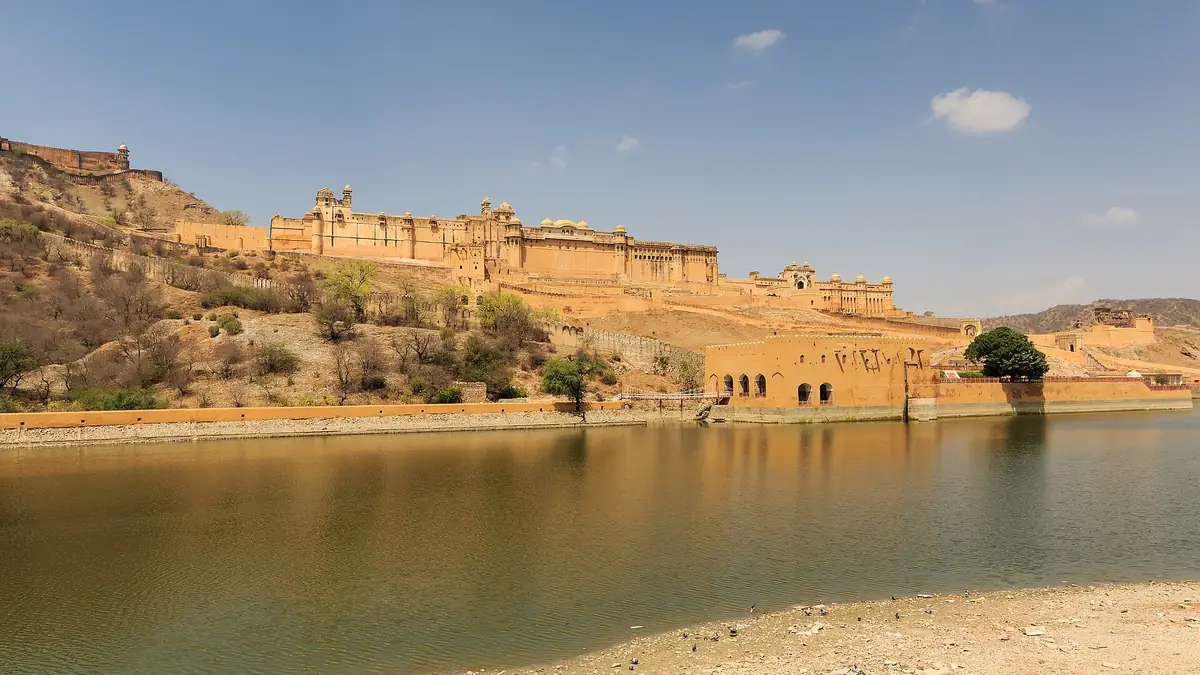
Amber Fort anchors this northern cluster, with Jal Mahal on the road back into town. Nahargarh Fort also watches over this side from the hills above. So a morning at Amber pairs naturally with a lake stop on the return drive.
The Old City cluster
The walled Old City holds Hawa Mahal Jaipur visitors photograph most, plus City Palace and Jantar Mantar. Johari Bazaar and Bapu Bazaar sit inside the same grid of pink streets. Because everything is close, this cluster suits a gentle morning on foot.
The museum and garden side
Albert Hall Museum Jaipur families love stands south of the Old City in Ram Niwas Garden. Jaipur Zoo shares the same green grounds, so the two visits blend into one outing. Jawahar Circle lies further south, near the airport side of town. That area works better as a separate, slower evening stop.
Amber Fort with kids: the big morning adventure
Amber Fort is the sight children talk about long after the trip ends. The climb through tall gates feels like entering a storybook castle. Inside, courtyards open one after another, and each turn reveals painted doors or mirrored walls. The famous Sheesh Mahal glitters when light catches its tiny mirrors.
Start early, because the approach road and the main courtyard get busy fast. Early light is also softer for photos, and the stone stays cooler under small feet. The walk up is steep in places, so a vehicle up the hill saves young legs.
Inside the fort, let children lead for a while. Kids love hunting for hidden staircases, echoing chambers, and windows that frame the lake below. Keep the visit focused, though, since the complex is large. Two unhurried hours usually beat a rushed half day.
Shade is patchy inside Amber Fort, so hats and water are not optional extras. Dress children in closed shoes, because some floors are uneven and worn smooth. Baby carriers beat strollers here, since steps appear everywhere without warning. A small snack in a shaded corner can rescue the mood quickly.
Hawa Mahal: a quick stop or a proper visit?
Hawa Mahal is the pink honeycomb facade on almost every Jaipur postcard. Royal women once watched street festivals from its small latticed windows. Today, families mostly admire it from the road or from a cafe rooftop opposite.
You can also go inside, and the visit is shorter than most people expect. Narrow ramps climb between the floors, so the building feels like a gentle maze. Children enjoy peeking through the coloured glass and tiny shutters. Still, pushchairs struggle here, so carriers work better for babies.
Morning light paints the facade at its warmest, so plan photos before the crowds thicken. The road outside is busy, and children should stay close on the pavement. The palace itself stands a few minutes away on foot.
City Palace: royal rooms without the rush
City Palace Jaipur still partly houses the royal family, and that living link fascinates older children. The complex mixes courtyards, museums, and the famous four painted doors. Each door shows a season and a deity, and kids enjoy spotting the peacocks.
The museum rooms display royal clothing, weapons, and carriages from another era. Textiles with fine embroidery often catch the eye of crafty teens. Meanwhile, younger children usually prefer the open courtyards and the giant silver vessels.
Pace the visit in short bursts, because museum fatigue is real for small travellers. Pick a few favourite rooms rather than reading every label. Then pause in a courtyard while everyone regroups with water.
Jantar Mantar: giant instruments kids can grasp
Jantar Mantar Jaipur is an open-air observatory of huge stone instruments. The shapes look like a playground designed by a giant. In fact, each curve and staircase was built to track the sun and stars. Guides explain the sundials in simple terms that school children can follow.
The site is compact, so it suits families who dislike endless walking. Because the instruments sit outdoors, shade is limited at midday. Visit in the morning or late afternoon for comfort.
Turn the visit into a game for younger visitors. Ask them to guess the time from a sundial shadow. Then check a watch together and see how close the stone came. Teens, meanwhile, often enjoy the sheer scale of the main sundial.
Jal Mahal: ten calm minutes by the lake
Jal Mahal Jaipur travellers admire sits in the middle of Man Sagar Lake. Visitors cannot enter the palace itself, so this is purely a viewpoint stop. The lakeside promenade gives space for children to stretch and watch birds.
The stop pairs perfectly with Amber Fort, since the road back passes the lake. Morning light looks lovely, while evening brings a softer glow on the water. Ten to twenty minutes is honestly enough for most families.
Nahargarh Fort: save it for sunset?
Nahargarh Fort watches Jaipur from a ridge in the Aravalli hills. A Nahargarh Fort sunset is the classic way to end a sightseeing day. The whole city turns gold, then the lights flicker on street by street.
The drive up winds through dry hills, so the journey itself feels like an adventure. Inside, the palace rooms are modest compared with Amber Fort. The real reward is the rooftop view and the cooler evening air. Bring a light layer, because the ridge can feel breezy after dark.
Plan the descent with care, since the road is dark and winding. Leave soon after sunset if younger children are fading. Alternatively, stay for an early dinner at a fort-side eatery. Either way, check current timings before you set out.
Albert Hall Museum and Ram Niwas Garden
Albert Hall is the oldest museum in Rajasthan, and its grand Indo-Saracenic building impresses before you even enter. Inside, galleries hold paintings, pottery, armour, and an Egyptian mummy. That mummy, in particular, pulls school-age children through the door.
The museum works well as a midday shelter, because the halls stay cooler than the streets. Children can move at their own speed between the cases. The surrounding Ram Niwas Garden then offers lawns for a run-around afterwards.
Entry involves a small entry fee, and charges can change over time. So carry some cash and check current timings on the day. Photography rules also vary inside museums of this kind.
Jaipur Zoo and Jawahar Circle: lighter stops for slower days
Not every day needs a fort, and tired families should plan lighter options too. Jaipur Zoo sits inside the Ram Niwas Garden area, close to Albert Hall. Its shady paths and modest size suit toddlers who tire quickly.
Jawahar Circle offers a different kind of pause on the southern side. The large circular garden has lawns, walking paths, and a musical fountain in the evening. Local families gather there after the heat fades. So the atmosphere feels relaxed rather than touristy.
These stops shine when children are overstimulated by palaces and crowds. Open grass, ice cream, and unstructured play reset the group mood. Then the next big sight feels exciting again.
How do you shop the bazaars with children?
Jaipur bazaars are joyful, noisy, and completely overwhelming for unprepared families. Johari Bazaar shopping centres on gems, jewellery, and wedding finery. Bapu Bazaar Jaipur shoppers favour for textiles, quilts, and leather goods. Both streets reward slow browsing and friendly bargaining.
Give children a tiny mission, and the markets suddenly become fun. For example, a child might hunt for a blue puppet or a pair of bright bangles. Teens often enjoy choosing block-printed scarves or handmade notebooks.
Safety matters in the crowds, especially during festival weeks. Hold hands in the busiest lanes, and agree a meeting point beforehand. Keep shopping trips short with toddlers, since noise and heat build fast.
Look for crafts Jaipur is known for, such as blue pottery and hand-block prints. Watching a potter or printer at work teaches more than any label. Many workshops welcome curious families for short demonstrations.
What should families know about elephants near Amber?
Elephants are part of the Amber story, and children will certainly ask about them. Families will see elephant villages and activity centres on the roads near Amber. Opinions on rides differ, and welfare standards vary between operators. So a thoughtful, unhurried choice matters here.
A gentle general rule helps: choose observation over rides. Watching elephants eat, bathe, and rest teaches children plenty about these animals. Ask simple questions about rest hours, shade, water, and group sizes before booking anything. Operators who answer openly usually care more about welfare.
Keep the conversation honest with older children, because they notice more than adults expect. Feeding or walking alongside elephants, where offered responsibly, can feel magical without a saddle. When in doubt, skip the activity and enjoy the fort itself.
How does Jaipur change with your child’s age?
The same city feels different at three, nine, and fifteen. Planning by age keeps everyone engaged without exhausting anyone. The notes below reflect what families usually report after Jaipur sightseeing with kids.
Toddlers and babies
Toddlers need shade, snacks, and very short sightseeing bursts. Jal Mahal, the zoo, and hotel gardens suit them better than long palace tours. A carrier beats a stroller at forts, where steps and cobbles dominate. Plan one main outing per day, then protect the nap fiercely.
School-age children
Children between six and twelve often love Jaipur the most. Amber Fort feels like a real castle, and Jantar Mantar turns science into sculpture. Treasure hunts work brilliantly at this age, such as counting peacocks at City Palace. Museum visits also land well when you keep them brief and story-led.
Teenagers
Teens respond to freedom, photos, and hands-on experiences. Nahargarh at sunset, bazaar bargaining, and block-printing workshops all score highly. Give them small choices, such as picking the evening food stop. They also enjoy the royal stories when guides skip the dry dates.
A simple 2-day plan that actually works
This plan groups sights by area, protects rest time, and still covers the headline names. In hotter months, shift everything earlier and lengthen the midday break. Flexibility beats ambition on every Jaipur family trip.
Day 1: Old City icons at an easy pace
Begin with Hawa Mahal while the facade glows and the road is calmer. Then walk to City Palace and explore a few chosen rooms. Jantar Mantar sits next door, so finish the trio before lunch. Eat nearby, then rest at the hotel during the hottest hours.
Head out again in the late afternoon for Albert Hall Museum. The garden lawns give children space to play afterwards. If energy remains, browse Bapu Bazaar as the lights come on.
Day 2: Amber Fort and a golden finish
Leave early for Amber Fort and give it the cool morning hours. Wander the courtyards slowly, and let children hunt for the Sheesh Mahal sparkle. On the drive back, pause at Jal Mahal for photos and a snack.
Spend the quieter afternoon at Jaipur Zoo or simply by the hotel pool. Then drive up to Nahargarh Fort before sunset. Watch the Pink City turn gold from the rooftop terraces. Dinner afterwards can be simple, since everyone will be happily tired.
Families extending the route often pair Jaipur with the Blue City next. Our guide to the top Jodhpur places to visit in one day helps you plan that hop. River towns offer a calmer contrast after Rajasthan, so many families also add our roundup of the best places to visit in Rishikesh in one day later in the trip.
Food stops that keep everyone happy
Jaipur food goes far beyond fiery curries, so nervous parents can relax. Dal baati churma, the classic Rajasthani plate, tastes mild and comforting in most kitchens. Children usually enjoy pyaaz kachori, a crisp onion pastry sold across the Old City.
Choose busy, well-known eateries for family meals, especially in the bazaars. Freshly cooked food, served hot, is the safest general rule. Carry small snacks for queues and drives, because hunger ruins sightseeing faster than heat. Also keep hand wipes ready before every market-side treat.
Spice levels vary wildly between kitchens, so ask for mild versions early. Most cooks happily adjust dishes for children when asked politely. Thali platters suit indecisive groups, since everyone can sample a little of everything.
Heat, water and comfort: the honest basics
Jaipur heat is the one challenge no itinerary can delete. Winter days feel pleasant, while late spring and summer can be punishing. So build every plan around early starts and shaded middays. Sightseeing between dawn and late morning simply works better.
Water discipline matters more than any gadget. Each person should sip regularly, even before thirst arrives. Refill bottles at hotels and trusted cafes rather than random taps. Hats, sunscreen, and light cotton clothes complete the basic kit.
Footwear deserves thought, because fort days involve serious steps. Closed shoes with grip beat sandals on worn stone. Grandparents, meanwhile, may prefer sights with benches and shorter climbs.
Transport choices shape comfort too, especially with luggage and tired children. A hired car for the Amber day removes parking and heat stress. Auto-rickshaws feel fun for short Old City hops with older kids.
More family guides to plan your next trip
Families who enjoy structured city days often plan similar trips elsewhere in India. Our guide to places to visit in Karnataka with family follows the same pacing-first approach.
City breaks abroad raise the same questions about walking, naps, and rainy-day backups. The roundup of places to visit in UK for families covers those basics for British cities. Meanwhile, parents crossing the Atlantic often start with places to visit in NYC with kids for museum and park ideas.
Nature-led trips suit families who want wildlife without long palace walks. The guide to the best places in Costa Rica to visit with kids focuses on gentle adventures. Similarly, our notes on places to visit in Manchester for families show how smaller cities can feel wonderfully manageable.
Frequently asked questions
How many days do families need in Jaipur?
Two full days cover the main forts, palaces, and bazaars without rushing. A third day helps toddlers and grandparents, since the pace can soften further. Families on a Golden Triangle route often manage with two days.
What is the best time of year for a Jaipur family trip?
The cooler months, roughly from late autumn to early spring, feel kindest for children. Days stay pleasant for walking, and evenings turn mild at the forts. Summer visits are possible with very early starts and long indoor breaks.
Is Jaipur stroller friendly?
Hotels, gardens, and modern malls handle strollers without trouble. Forts and palace lanes, however, involve steps, slopes, and cobbles everywhere. A sturdy carrier is the smarter main option for babies.
How can families avoid the midday heat?
Start sightseeing early, then retreat before the sun peaks. Museums, long lunches, hotel pools, and naps fill the hot middle hours well. Head out again after four, when shadows lengthen and breezes return. This rhythm is the core of most successful Jaipur itineraries.
Are the bazaars suitable for children?
Yes, with short visits and a little planning, bazaars can delight children. Go in the cooler hours, hold hands in crowds, and set a simple shopping mission. Johari and Bapu Bazaar both reward curious families. Leave when energy dips, rather than pushing for one last shop.
Should families ride elephants at Amber Fort?
That choice belongs to each family, and views on it differ widely. Many parents now prefer watching elephants over riding them. Observation still gives children a close, memorable encounter with the animals. Whatever you choose, ask about rest, shade, and water first.
What are the best things to do in Jaipur with kids after dark?
Evenings suit Nahargarh views, the Jawahar Circle fountain, and early bazaar strolls. Albert Hall also looks beautiful when lit, even from outside. Keep bedtimes in mind, though, since early starts return tomorrow.



