
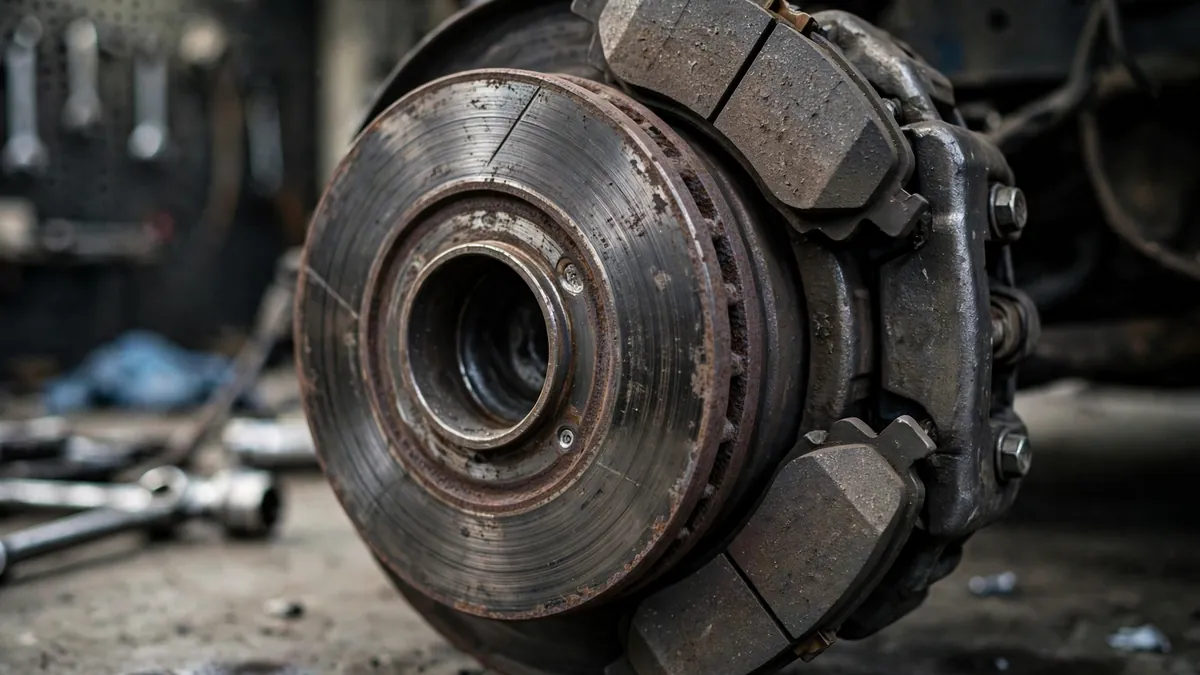
Your brakes rarely fail without warning first. Instead, they usually complain for weeks through sounds, feelings, and small changes. Therefore, learning the signs your car brakes need replacing can protect you early. Moreover, early action often saves the rotors as well as your safety. This guide grades every symptom by urgency, so decisions become much calmer.
Firstly, you will learn how each noise points to a different fault. Secondly, pedal feel and steering pull will get the same clear treatment. In addition, a simple visual check through the wheel spokes is included. Finally, replacement choices and inspection habits will help you plan ahead. In short, you will know what needs action today, this week, or later.
How urgent is that brake symptom?
Not every brake symptom carries the same level of danger. However, guessing wrong can turn a small repair into a serious risk. Therefore, use three simple urgency levels before you judge any sign. Firstly, stop-now symptoms mean the car should not be driven normally. Secondly, book-this-week symptoms allow careful driving, but only for essential trips.
Meanwhile, monitor symptoms need watching, measuring, and a planned inspection date. For example, a faint squeak on cold mornings may only need monitoring. In contrast, grinding, a sinking pedal, or a warning light demands urgency. As a result, the list below pairs each sign with its level. Consequently, you can match your response to the real risk involved.
1. Squealing when you press the pedal lightly?
A high-pitched squeal is often the earliest warning you will hear. Usually, that brake pad wear indicator squealing sound comes from a metal tab. Indeed, makers fit a small steel shim that touches the disc deliberately. As a result, the tab sings when the pad material runs thin. Therefore, the noise is a designed warning, not a random fault.
However, not every squeal means the pads have reached the end. For example, cold brakes, damp air, and dust can cause brief noises. In addition, new pads sometimes squeak lightly during their bedding-in period. Nevertheless, a squeal that appears daily deserves a proper thickness check. Meanwhile, note whether the sound happens when braking or while driving. Consequently, that detail helps a technician separate wear from simple contamination.
- Squealing only under light braking often points towards worn pads.
- However, squealing without braking may suggest a sticking indicator tab.
- For example, chirping that changes with speed can involve the disc surface.
- In addition, squeaking after rain often fades once brakes dry out.
Urgency: book this week. Therefore, arrange an inspection soon, even if stopping still feels normal. Trusted workshops such as McKeesport Auto Service for trusted vehicle care can measure pads properly. As a result, you replace pads before the disc suffers damage.
2. Grinding that feels harsh and gritty?
Grinding brakes and metal on metal danger belong in the stop-now category. Usually, grinding means the friction material has worn away completely. Consequently, the steel backing plate now cuts directly into the disc. In addition, you may feel harshness through the pedal and floor. Therefore, every extra mile scores the rotor and lengthens stopping distances.
However, a brief grind after heavy rain can have another explanation. For example, light surface rust can scrape away during the first stops. Nevertheless, persistent grinding throughout a journey is never normal or safe. Meanwhile, look for deep grooves or shiny scoring on the disc. As a result, damaged rotors usually need replacement alongside new pads. In fact, continuing to drive can also damage the caliper itself.
Urgency: stop now. Therefore, avoid driving except slowly to a nearby workshop, if unavoidable. Alternatively, arrange a tow when grinding comes with weak braking. Services like Gomora Auto Service for expert vehicle care can assess disc damage honestly. Consequently, you avoid turning one worn pad into several failed parts.
3. Clicking, rattling, or clunking over bumps?
Clicks and rattles tell a different story from squeals and grinds. Often, loose pad hardware lets the pads shift inside the caliper bracket. For example, worn anti-rattle clips can cause a light clicking over bumps. In addition, missing shims may let pads knock when you change direction. Therefore, the brakes may still stop well while making unsettling noises.
However, a single loud clunk deserves faster attention and careful checking. Sometimes, a loose caliper bolt or worn suspension part creates that sound. Nevertheless, you cannot safely separate those causes by listening alone. Meanwhile, note whether the click happens once or repeats with speed. As a result, a technician can reproduce the fault much more quickly. In contrast, ignoring loose hardware can lead to uneven pad wear.
Urgency: book this week. Consequently, get the hardware inspected before loose parts cause bigger problems. In addition, ask the workshop to check clips, shims, and caliper bolts. Therefore, a small hardware kit may restore quiet, even braking again.
4. Vibration through the pedal or steering wheel?
Brake pedal vibration and warped rotors are closely linked in many cars. Strictly, rotors usually develop uneven thickness rather than true warping. However, drivers feel the result as pulsing through the pedal. In addition, the steering wheel may shake during medium-speed braking. Therefore, vibration that grows with speed deserves prompt, careful attention.
For example, vibration only while braking points strongly towards the discs. In contrast, shaking that also happens while cruising suggests tyre problems instead. Meanwhile, heat plays a major role in how rotors wear unevenly. As a result, hard braking downhill can leave deposits on the disc. Consequently, the pedal rises and falls as those patches pass the pads.
- Pulsing only under braking usually implicates rotors or pad deposits.
- However, shaking at steady speed often involves wheel balance instead.
- For example, stronger vibration downhill hints at heat-related disc wear.
- In addition, a shaking wheel usually points towards the front brakes.
Urgency: book this week. Therefore, have rotor thickness and runout measured rather than guessed. Workshops such as Shiva Auto Repair Services for reliable car care can confirm the cause. As a result, you avoid replacing rotors when tyres were responsible.
5. A soft or spongy pedal under your foot?
A spongy brake pedal has causes that include fluid leak and air problems. Normally, brake fluid does not compress, so the pedal feels firm. However, air inside the hydraulic lines compresses under pressure very easily. As a result, the pedal feels soft, springy, or unusually travel-heavy. Therefore, any sudden change in pedal firmness is a stop-now sign.
In addition, a pedal that slowly sinks at traffic lights is alarming. For example, sinking can point to an internal master cylinder fault. Meanwhile, a low fluid level may reveal a leak somewhere in the system. Consequently, topping up alone never fixes the underlying safety problem. In fact, the leak or air entry point must be found first. Otherwise, the soft pedal will return, possibly at the worst moment.
Urgency: stop now. Therefore, do not continue driving with a sinking or spongy pedal. Instead, park safely, check the fluid level, and call for help. Specialists like Flying Eagle Auto Service for quality car care can pressure-test the system. As a result, leaks and air pockets get fixed before driving resumes.
What are the signs of low brake fluid?
Brake fluid low signs often appear before the pedal feels dangerous. Firstly, the reservoir level sits below its marked minimum line. Secondly, the fluid may look dark, dirty, or contaminated with moisture. In addition, a warning light may appear during cornering or braking. Therefore, always check the reservoir whenever pedal feel changes noticeably.
However, brake fluid level also falls gradually as pads wear thinner. For example, caliper pistons extend further, so more fluid sits in calipers. Nevertheless, a sudden drop or visible wetness suggests a real leak. Meanwhile, wet patches near wheels or under the master cylinder matter greatly. Consequently, treat rapid fluid loss as a stop-now emergency always. In short, low fluid is a symptom, never the whole diagnosis.
6. The car pulls to one side when braking?
When a car pulls to one side when braking, a caliper often causes it. Usually, one caliper squeezes harder than its partner on the other side. For example, a seized caliper piston can drag one brake constantly. In contrast, a collapsed hose can stop one caliper releasing properly. Therefore, the steering tug appears as soon as you brake firmly.
In addition, uneven pad wear between sides supports the same diagnosis. Meanwhile, the affected wheel may feel hotter after a short drive. However, do not touch a hot wheel or brake disc directly. Instead, compare pad wear visually and note any burning smell. As a result, one-sided wear becomes clear evidence for the workshop. Consequently, both sides usually receive matching repairs for balanced braking.
Urgency: book this week, or stop now if pulling is strong. Therefore, strong pulling that fights the steering wheel needs immediate help. Centres such as Lincoln Wilson Auto Service for vehicle solutions can test calipers safely. In addition, balanced repairs protect tyres from rapid, uneven wear too.
7. You need more road to stop than before?
A longer stopping distance with worn brakes can develop very gradually. Therefore, drivers often adapt without noticing how much performance has faded. For example, you may press harder at familiar junctions than before. In addition, the car may nose-dive more or feel vague when stopping. Consequently, comparing today’s stops with your normal routine is worthwhile.
However, several faults can combine to stretch your stopping distance. Firstly, thin pads and scored rotors reduce effective friction considerably. Secondly, old brake fluid can boil sooner under repeated hard braking. Meanwhile, glazed pads from gentle driving may also feel strangely wooden. As a result, the car stops, but without its former bite. In fact, that faded bite matters most during emergency stops.
Urgency: book this week. Therefore, treat fading bite as seriously as any loud noise. In addition, avoid heavy loads and long descents until inspection happens. Consequently, you keep a safety margin while the cause is found. Nevertheless, sudden major loss of stopping power means stop now.
8. Warning lights glowing on the dashboard?
Understanding brake warning light and ABS light meaning helps you respond correctly. Usually, the red brake light signals low fluid or hydraulic problems. Alternatively, that same light can simply mean the parking brake remains on. Therefore, release the parking brake fully before assuming a serious fault. However, a red light that stays on while driving needs urgency.
Meanwhile, the amber ABS light points to the anti-lock system itself. For example, a faulty wheel-speed sensor commonly triggers that amber warning. In addition, normal braking usually remains, but anti-lock assistance may stop working. As a result, wheels can lock more easily during panic stops. Consequently, slippery roads become riskier until the fault is repaired. In contrast, both lights together suggest a broader braking problem.
- Red brake light alone often means fluid, hydraulic, or parking-brake issues.
- However, amber ABS light alone usually means anti-lock assistance is unavailable.
- For example, flickering lights during cornering can follow low fluid levels.
- In addition, both lights together deserve immediate professional diagnostic attention.
Urgency: stop now for red, book this week for amber alone. Therefore, never clear a warning light without finding its real cause. Diagnostic help from Mike Akbar Auto Service for expert vehicle care can read fault codes properly. As a result, sensor faults and hydraulic faults get separated clearly.
How thick should brake pads be in mm?
The visual check answers how thick brake pads should be in mm terms. Generally, new pads carry roughly ten to twelve millimetres of material. In contrast, many manufacturers advise replacement at around three millimetres remaining. Therefore, treat three millimetres as a plan-now threshold, not a target. However, always follow the guidance in your own car’s handbook first.
Firstly, park on level ground and let the brakes cool completely. Secondly, shine a torch through the wheel spokes towards the caliper. In addition, look for the pad material sitting against the disc surface. Meanwhile, compare the material thickness with the metal backing plate beside it. As a result, pads thinner than the backing plate need replacing soon. Consequently, photograph each wheel so changes become easy to track later.
- Cool brakes first, because hot discs and pads can burn skin.
- However, some wheels hide pads, so a wheel-off check works better.
- For example, uneven thickness across one pad suggests caliper trouble.
- In addition, check both sides, because wear is rarely perfectly equal.
Finally, remember that inner pads often wear faster than outer pads. Therefore, a healthy-looking outer pad never guarantees healthy brakes overall. Nevertheless, this quick spoke check catches many problems surprisingly early. As a result, the check works well between professional inspections too. In short, two minutes with a torch can prevent grinding damage.
Can you drive with worn brakes safely?
Drivers often ask whether you can drive with worn brakes, and safety depends on symptoms. However, worn pads near their limit leave almost no safety margin. For example, one long descent can overheat thin pads very quickly. In addition, scored rotors and low fluid multiply the same risks. Therefore, the honest answer depends on urgency level, not hope.
Meanwhile, grinding, sinking pedals, and red warning lights mean no driving. In contrast, a faint monitored squeak may allow one careful workshop trip. Nevertheless, even that trip should avoid motorways, hills, and heavy traffic. As a result, towing remains the safest choice whenever doubt exists. Consequently, never gamble with brakes carrying family, passengers, or motorway speeds. In fact, insurers and inspectors also take neglected brakes extremely seriously.
Which replacement pads should you choose?
The ceramic vs semi metallic brake pads lifespan debate shapes many replacement decisions. Generally, ceramic pads suit quiet, low-dust everyday driving very well. In addition, ceramic compounds often last well under gentle, steady use. However, semi metallic pads handle heat and heavy loads more confidently. Therefore, towing, mountains, and performance driving often favour semi metallic compounds.
For example, delivery drivers may value semi metallic bite and durability more. In contrast, commuters may prefer ceramic quietness and cleaner wheels daily. Meanwhile, organic pads exist too, but they usually wear fastest overall. As a result, your driving pattern matters more than any brand claim. Consequently, discuss real usage honestly before choosing replacement pads. In addition, always replace pads in axle pairs for balanced braking.
- Ceramic pads usually run quieter and produce lighter-coloured dust.
- However, semi metallic pads usually tolerate repeated heavy braking better.
- For example, hilly routes and towing place greater demands on pads.
- In addition, matching pad choice to rotors improves results considerably.
Finally, keep paperwork for parts and servicing with your car documents. Therefore, records also help when comparing cover and ownership history later. Guidance on comparing car insurance and vehicle protection can support that wider planning. As a result, maintenance records and protection decisions stay usefully connected.
How often should brakes be inspected?
Knowing how often brakes should be inspected prevents most surprises completely. Generally, a check at every service or tyre visit works well. In addition, many drivers benefit from a visual check twice yearly. However, heavy city driving and towing justify more frequent professional checks. Therefore, build brake checks into routines you already keep reliably.
For example, ask for pad measurements whenever wheels come off anyway. Meanwhile, keep the numbers, because trends reveal wear speed over time. As a result, you can predict replacement instead of reacting to grinding. Consequently, planned replacement costs less than emergency rotor damage repairs. In short, measured inspections turn brake care into simple scheduling.
- Check pad thickness visually whenever wheels are removed for service.
- However, also test pedal feel and fluid condition, not thickness alone.
- For example, fluid condition matters because it absorbs moisture over time.
- In addition, recheck brakes sooner after any new noise or vibration.
Frequently asked questions
Is a squealing brake always a worn brake?
No, squealing does not always mean the pads are finished. However, the wear indicator produces that sound deliberately as pads thin. For example, moisture and dust can also create short-lived morning squeaks. Therefore, persistent daily squealing always deserves a proper thickness measurement. As a result, measurement replaces guesswork with a clear, simple answer.
What happens if you ignore grinding brakes?
Ignoring grinding usually destroys the rotor and risks caliper damage too. In addition, stopping distances grow as metal replaces proper friction material. Therefore, repair costs rise quickly with every additional mile driven. Consequently, stopping early protects both safety and your repair budget. In fact, grinding is the clearest stop-now sound of all.
Should rotors always be replaced with pads?
Not always, because healthy rotors within thickness limits can remain serviceable. However, scored, thin, or uneven rotors cannot give new pads full contact. For example, fitting fresh pads onto damaged rotors wastes their potential. Therefore, ask for rotor measurements before deciding either way at replacement. As a result, you replace what measurements condemn, not what habit suggests.
Why does my pedal feel soft after new pads?
New pads need bedding-in, but the pedal should still feel firm. However, genuine softness can mean air entered the hydraulic system. In addition, disturbed fluid or a small leak can create similar softness. Therefore, return to the installer promptly if firmness feels wrong. Consequently, a quick bleed or inspection usually resolves the concern safely.
Your next steps for safer braking
Firstly, grade your symptom honestly using the three urgency levels above. Secondly, do the torch check through the spokes this week. In addition, note any sounds, pulling, vibration, or warning lights carefully. Therefore, your workshop visit starts with useful evidence, not vague impressions. As a result, diagnosis becomes faster and repairs stay properly targeted.
Finally, remember that brakes speak long before they fail completely. However, they only help drivers who act on those early messages. Meanwhile, regular inspections and measured pad checks keep surprises away. Consequently, treat every new brake symptom as information worth respecting. In short, listen early, check visually, and book help before grinding starts.
Explore more practical guides on WordGlowUp.



