
Montreal changes character when summer arrives. In fact, the city throws off its winter layers and moves life outdoors. Cafés spill onto pavements, and music drifts from open squares. Above all, Montreal in summer feels joyful, relaxed, and proudly French.
This guide covers the best places to visit in Montreal without rushing you. Instead, it groups the city by experience and neighbourhood. You will find honest notes on costs, transport, and timing. As a result, you can plan days that feel full yet calm.
Why is summer the best time to visit Montreal?
Warm days and long evenings define the season here. For example, daylight lingers late, and terraces stay busy well past sunset. The best time to visit Montreal for festivals runs from late June into July. Still, June and August also bring lively streets and green parks.
Summer weather usually feels warm rather than extreme. However, humid spells and sudden showers do arrive. Pack light layers, and carry a small umbrella for safety. Of course, locals treat a brief shower as a café break.
Crowds peak around major festival weekends, naturally. Consequently, hotel prices rise then, and popular restaurants fill fast. Book your stay early if your dates overlap a big event. Meanwhile, weekday visits often feel calmer and cost less overall.
Montreal also rewards slow travel in summer. You can picnic, cycle, and linger without battling icy winds. In short, summer shows the city at its most open. That openness explains why so many visitors return again.
Old Montreal and the Old Port feel like a small European city
Old Montreal anchors almost every first visit, and rightly so. Its cobblestone lanes hold stone buildings, galleries, and busy squares. For instance, Place Jacques-Cartier fills with performers, artists, and café tables. The district feels historic, yet it never feels like a museum.
Start early to enjoy the quieter streets. Morning light flatters the grey stone, and crowds stay thin. Then, pause for coffee and watch the neighbourhood wake up. This slower start sets a relaxed tone for the day.
Which Old Montreal attractions deserve your time first?
Notre-Dame Basilica usually tops the list of Old Montreal attractions. Its blue and gold interior stops many visitors mid-step. Guides explain the carvings, the stained glass, and the city story. Arrive early, because queues grow quickly on festival days.
Pointe-à-Callière adds depth beneath the beauty. In fact, this archaeology and history museum stands over the founding site. Exhibits trace Indigenous history, early settlement, and modern Montreal growth. As a result, you understand the streets above far better afterwards.
Bonsecours Market offers a gentler stop nearby. Local designers sell jewellery, art, and Quebec-made gifts inside. Meanwhile, the silver dome makes the building easy to spot. Browse slowly, and compare it with the busier souvenir streets.
The Old Port gives you water, views, and breathing space
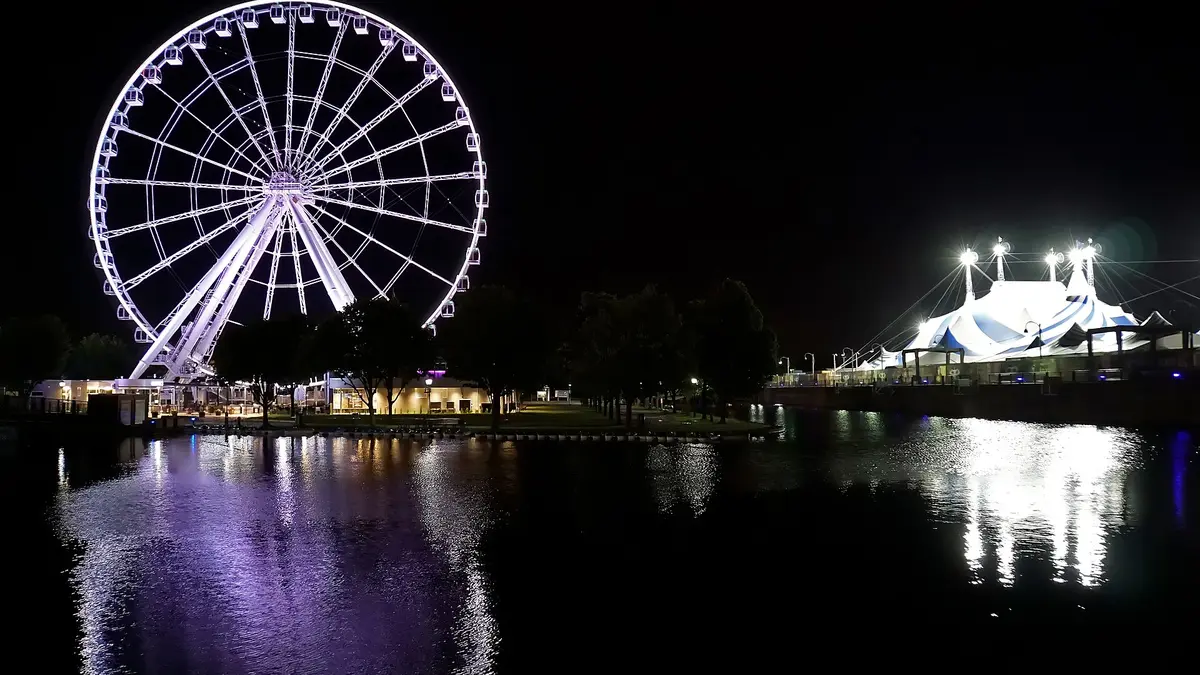
The Old Port of Montreal stretches along the St. Lawrence River. Families ride the Grande Roue, the large observation wheel, for skyline views. Others rent bikes, stroll the promenade, or watch boats pass. Of course, sunset brings the prettiest light across the water.
Grande Roue cabins climb high above the rooftops. From the top, you see the river, downtown towers, and Mount Royal. Still, the wheel works best on a clear day. Choose a calm evening if you want softer photos.
The Old Port also suits a low-cost break. For example, you can picnic on the grass and skip paid attractions. Street food trucks and ice cream stalls appear in summer. Consequently, a simple riverfront hour often becomes a trip highlight.
Compare this historic waterfront with the harbour energy in our guide to interesting places to visit in Toronto for urban culture and scenic views. Toronto feels taller and faster, while Montreal feels older and warmer. Both cities shine in summer, yet their moods differ clearly.
Mount Royal gives the city its name and its best view
Mount Royal rises gently behind downtown, green and unmistakable. Frederick Law Olmsted designed the park, and locals treasure it deeply. Trails cross woods, lawns, and quiet picnic clearings. In fact, the mountain works as the city living room.
The Mount Royal lookout, the Kondiaronk Belvedere, delivers the classic panorama. Downtown towers sit below, and the river glints beyond them. Photographers gather here at sunrise and again near sunset. However, a bright mid-morning visit also shows great detail.
Reach the lookout on foot for the full experience. The main path climbs steadily, and benches invite short rests. Alternatively, buses and cars reach nearby parking areas more directly. Wear comfortable shoes, because gravel paths can feel uneven.
What happens at the Sunday Tam-Tams?
On warm Sundays, drummers gather near the Cartier monument. Locals call this weekly gathering the Tam-Tams, with affection. People dance, picnic, juggle, and relax on the grass. Meanwhile, the mood stays friendly, loose, and proudly informal.
Treat the Tam-Tams as a local ritual, not a show. Bring water, find some shade, and enjoy the rhythm. Of course, respect the space and clear your litter away. This free tradition captures Montreal summer spirit perfectly.
Beaver Lake adds a calmer corner inside the park. Families spread blankets, and couples stroll around the water. In short, Mount Royal balances big views with quiet shade. Give it half a day rather than a rushed hour.
Olmsted also shaped Central Park, so nature lovers may enjoy our list of secret places to visit in New York afterwards. Both parks prove that great cities need green hearts. Montreal, however, places its green heart on a hill.
Festival season turns downtown into an open-air stage
Montreal summer festivals define the city worldwide reputation. Streets close to traffic, stages rise, and crowds gather nightly. For example, the Quartier des Spectacles becomes a giant outdoor venue. Music, comedy, and food stalls fill the surrounding blocks.
The Montreal International Jazz Festival leads this famous season. Organisers call it one of the world largest jazz gatherings. Big names perform indoors, while free shows animate outdoor stages. As a result, even casual listeners find something they love.
You do not need deep jazz knowledge to enjoy it. Simply wander, listen, and follow the sound you like. Then, grab a drink and settle near a stage. This relaxed approach suits the festival spirit best.
How does Just for Laughs add a different energy?
Just for Laughs brings comedy stars and street performers downtown. The festival follows the jazz crowds in the summer calendar generally. Indoor galas draw big audiences, and outdoor acts draw families. Meanwhile, laughter spills across plazas late into the evening.
Together, these events explain the classic Montreal Jazz Festival guide advice. Book rooms early, and expect downtown prices to climb. Instead of fighting crowds, lean into the party mood. Plan quiet mornings, then save energy for the nights.
Festival weeks also change restaurant routines. Terraces fill early, and staff work at full stretch. Therefore, reserve dinner tables ahead on busy weekends. Alternatively, eat early and snack later near the stages.
Free programming keeps festival season surprisingly accessible. Many outdoor concerts and street acts cost nothing at all. Consequently, budget travellers can enjoy the buzz without big spending. Paid headline shows simply add one special night.
North American festival fans can compare this scene with the cities in our roundup of the best places to visit in the USA. Few cities, however, match Montreal for free downtown music. Its festival streets feel European, generous, and wonderfully walkable.
Markets show how Montreal really eats
Jean-Talon Market buzzes inside Little Italy, colourful and generous. Farmers pile Quebec strawberries, corn, tomatoes, and maple treats high. Cheese shops, bakeries, and flower stalls crowd the edges. In fact, a market morning teaches you local tastes fast.
Arrive hungry and graze your way slowly through. For instance, sample cheese, grab a pastry, and sip strong coffee. Vendors often offer small tastes with a smile. As a result, breakfast here easily becomes lunch too.
Jean-Talon suits picnic shopping perfectly. Buy bread, cheese, fruit, and something sweet for later. Then, carry your haul to a nearby park bench. This simple ritual costs less than a restaurant meal.
How does Atwater Market feel different?
Atwater Market stands near the Lachine Canal in a handsome hall. Its butchers, cheese counters, and bakeries feel more gourmet. Meanwhile, outdoor stalls add flowers and seasonal produce in summer. The canal path outside invites a post-shopping stroll.
Locals often pick one market as their favourite. Jean-Talon feels bigger, louder, and more earthy overall. By contrast, Atwater feels compact, polished, and easy to browse. Of course, visiting both gives the fullest food picture.
Cyclists love the canal route between Atwater and the Old Port. The flat path suits easy riding and waterside breaks. Rent a bike share cycle if the weather looks kind. Still, walk the final stretch and enjoy the views.
Markets also reveal the city bilingual rhythm clearly. Vendors greet you with bonjour, then switch languages smoothly. Smile, try a French word, and enjoy the exchange. In short, food shopping here becomes cultural learning too.
Plateau Mont-Royal and Mile End reward slow wandering
Plateau Mont-Royal charms visitors with colour and calm. Rows of houses wear spiral staircases and painted facades. Murals cover walls, and small parks host local families. For example, Saint-Louis Square feels like a leafy film set.
Café terraces define Plateau afternoons in summer. Locals claim a table, order slowly, and watch the street. This terrasse culture values lingering over rushing, always. Join in, because nobody hurries you away here.
Mile End continues the creative mood further north. Independent shops, vintage stores, and galleries line its streets. Musicians, writers, and designers have long favoured this district. Meanwhile, the vibe stays relaxed rather than showy.
Why do Montreal bagels start such loyal arguments?
Montreal bagels differ from the bigger New York style. Bakers roll them by hand and boil them in honey water. Then, wood-fired ovens give them a crisp, golden crust. The result tastes denser, sweeter, and deeply satisfying.
Two famous shops anchor the Mile End bagel debate. Fans defend their favourite with great passion and humour. Try a warm sesame bagel straight from the bag first. Of course, add cream cheese only after that pure taste.
Murals add another Mile End pleasure between snacks. Large artworks brighten walls along Saint-Laurent and side streets. Street art fans can wander without any fixed route. Consequently, every block offers a small surprise or photo.
Readers planning a wider Canadian route may pair Montreal with the stops in our guide to what are the best places to visit in North America. Montreal adds French flavour that few rivals can copy. Its neighbourhoods, however, need unhurried time to shine.
The Underground City helps on hot or rainy days
The Underground City links downtown malls, metro stations, and hotels. Locals call this network the RÉSO, and visitors use it too. Air-conditioned passages offer relief during humid summer heatwaves. Similarly, the tunnels save the day during heavy rain.
Do not picture a single mall underground. Instead, picture a web of corridors, food courts, and shops. You can cross large downtown stretches without stepping outside. However, street-level Montreal still offers far more charm.
Use the RÉSO strategically rather than all day. For example, cool down between museums or dodge a thunderstorm. Then, return to the terraces when the sun reappears. As a result, weather never ruins your plans completely.
Downtown museums pair well with an underground break. The Museum of Fine Arts anchors the Golden Square Mile nearby. Galleries, churches, and grand old hotels fill surrounding streets. In fact, this district suits a culture-rich rainy afternoon.
Travellers who love big-city contrasts may also enjoy the lakeside ideas in our guide to places to visit in Michigan during the summer. Michigan offers shores and small towns, while Montreal offers festivals. Both reward travellers who slow down and explore locally.
Getting around, costs, and insider tips that actually help
Montreal metro trains run clean, fast, and frequently. Four colour-coded lines cover the sights in this guide. Stations display art, and signs use French with clear symbols. Consequently, first-time riders usually feel confident within one journey.
Old Montreal, by contrast, rewards walking above all. Distances stay short, and every lane hides something interesting. Wear flat shoes, because cobblestones punish thin heels quickly. Meanwhile, ride-share cars struggle through festival street closures downtown.
Honest cost framing helps you plan calmly. Montreal costs less than New York or London generally. Still, festival weekends push hotel rates up sharply. Market meals, picnics, and free concerts balance the budget nicely.
Paid museums and observation wheels add up across days. Therefore, pick two or three paid highlights only. Prioritise the Basilica, Pointe-à-Callière, and one big festival show. Free parks, markets, and neighbourhood walks fill the rest.
Learn a few French basics before you arrive. Bonjour, merci, and s’il vous plaît open doors warmly. Most service staff switch to English with ease afterwards. Of course, your small effort earns genuine smiles.
Tipping follows Canadian norms in restaurants and bars. Card payments work almost everywhere, including market stalls often. Carry small cash for buskers and tiny purchases anyway. In short, Montreal feels easy, safe, and visitor friendly.
Day-trip logic needs honesty about distances here. Quebec City makes a long but rewarding day out. Closer options include canal cycling and Jean-Drapeau island parks instead. However, three short days rarely need any escape at all.
Anyone extending east can study our ideas for unique places to visit near Niagara Falls for a separate leg. Niagara deserves its own overnight stop, not a rush. Montreal, similarly, rewards travellers who give it proper time.
How should you spend 3 days in Montreal in summer?
A good Montreal itinerary 3 days long follows one area daily. This rhythm cuts travel time and deepens each experience. Group sights by neighbourhood, then add one evening highlight. As a result, your days feel rich without feeling frantic.
Day 1 covers Old Montreal, history, and the river
Start with coffee near Place Jacques-Cartier after breakfast. Visit the Basilica early, then explore Pointe-à-Callière late morning. Eat lunch at a terrasse on Saint-Paul Street afterwards. Meanwhile, the afternoon suits Bonsecours Market and souvenir lanes.
Ride the Grande Roue near sunset for golden views. Then, stroll the Old Port as lights reflect on water. Choose a relaxed dinner back in the old streets. In short, day one blends history, food, and romance.
Day 2 mixes the mountain, bagels, and festival nights
Climb Mount Royal early while the air feels cool. Pause at the lookout, then descend toward the Plateau slowly. Grab warm bagels in Mile End for a late breakfast. For example, a sesame bagel plus coffee fuels mural hunting perfectly.
Spend the afternoon among Plateau shops and shaded squares. Rest at your hotel before the evening programme begins. Then, head downtown for festival stages and street food. Of course, a Sunday trip adds the Tam-Tams instead.
Day 3 balances markets, museums, and a cool escape
Begin at Jean-Talon Market while produce looks freshest. Build a picnic, or graze stall by stall happily. Ride the metro downtown for the Museum of Fine Arts next. Meanwhile, the Underground City offers a cool midday reset.
Finish at Atwater Market and the Lachine Canal path. Watch cyclists pass, and enjoy your market picnic nearby. End with one final terrasse drink before departure. As a result, day three tastes local, calm, and complete.
Autumn travellers can later compare seasons through our guide to best places to visit in US for fall colours. Summer Montreal, however, owns the festival crown proudly. Its energy peaks when the terraces and stages fill.
Frequently asked questions about Montreal in summer
What are the best things to do in Montreal in summer for first-time visitors?
First-time visitors should prioritise Old Montreal and Mount Royal. Add one market, one museum, and one festival evening too. For example, Jean-Talon plus the Basilica covers food and history. This mix balances famous sights with real local life.
How many days do you need in Montreal?
Three days suit Montreal well for a first trip. You can cover the old town, mountain, and markets comfortably. However, four days allow slower neighbourhood wandering and rest. Festival fans often add a fifth day happily.
Is Montreal expensive to visit in summer?
Montreal feels mid-range rather than cheap or extravagant. Hotels cost most during major festival weekends, unfortunately. Still, free concerts, parks, and market picnics cut daily spending. Therefore, smart planning keeps a summer trip very manageable.
Do you need French to visit Montreal?
No, visitors manage easily with English across central Montreal. Staff in hotels, restaurants, and attractions usually speak both languages. Nevertheless, a friendly bonjour shows respect for local culture. Locals appreciate the effort, and conversations start warmer.
What should you pack for a Montreal summer trip?
Pack light clothes, comfortable walking shoes, and one warm layer. Summer evenings can feel cooler near the river sometimes. Add a compact umbrella and a reusable water bottle too. Of course, leave room for market treats and souvenirs.
Montreal in summer ultimately rewards curiosity and appetite. Wander beyond the famous sights, and listen to the city soundtrack. Follow the music, taste the markets, and linger on terraces. In short, say bonjour, slow down, and let Montreal charm you.



