
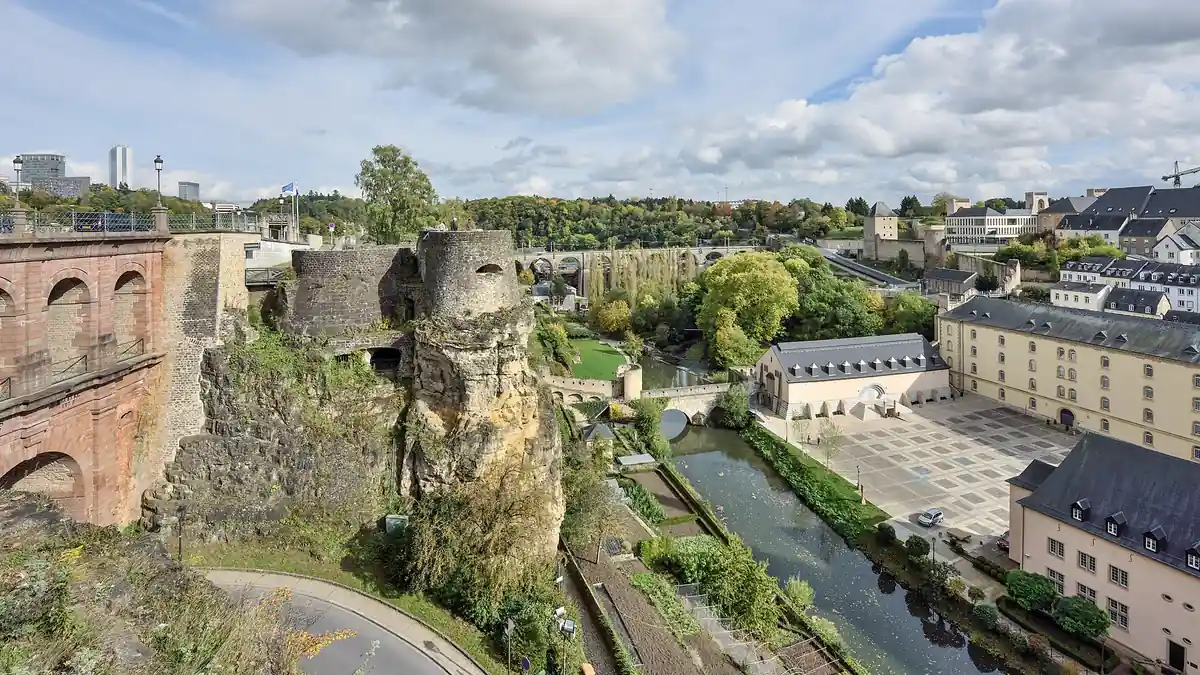
Luxembourg City rewards walkers who follow its layers in the right order. However, many visitors waste their best hours by wandering without a plan. So this Luxembourg City itinerary follows one realistic loop instead. First, you explore the upper old town in the morning light. Then, you walk the famous ramparts and drop into the valley below. Later, you ride a glass lift up to the modern European quarter. Finally, you return to the old streets for a relaxed evening finish.
Indeed, one day in Luxembourg City is enough for the essential highlights. Moreover, the centre is compact, so most stops sit minutes apart on foot. For example, the palace, the cathedral, and the main squares cluster tightly together. Meanwhile, the lower quarters add drama without adding much distance at all. In fact, the whole route below takes roughly seven relaxed hours. Therefore, you can enjoy Luxembourg City in one day without rushing anywhere.
Is one day enough for Luxembourg City?
Yes, one full day covers the city centre very comfortably indeed. However, you must choose one main indoor visit, not three or four. For example, pick the casemates or one museum for your single day. Also, the outdoor sights deliver most of the city’s real character anyway. So spend your energy on viewpoints, lanes, and riverside paths first. Then, treat any museum as a bonus rather than the main event.
Meanwhile, the list of things to do in Luxembourg City looks deceptively long online. In reality, however, many entries describe the same few streets and squares. For instance, the palace, the cathedral, and two squares form one small cluster. Similarly, the ramparts, the Bock rock, and the valley form another cluster. Therefore, a smart route joins these clusters into one flowing walk. Consequently, you see more while actually walking less than most visitors.
How does free public transport change your day?
Since 2020, the free public transport Luxembourg offers has covered the whole country. Therefore, buses, trams, and second-class trains cost you nothing at all. In fact, Luxembourg was the first country to make this change nationwide. So you never need tickets, passes, or complicated fare zones here. Instead, you simply board, ride, and step off wherever you like. However, you should still carry identification for occasional ticket inspections onboard.
Moreover, this freedom changes how you pace a single day completely. For example, you can ride back uphill instead of climbing tired and slowly. Similarly, you can hop on a tram whenever rain suddenly interrupts your walk. Also, the central station connects smoothly with the tram into the centre. Meanwhile, buses link the airport area with the city centre as well. Therefore, arrivals feel easy, even when you land or depart the same day.
Still, walking remains the best way to understand this layered city. However, the free network works perfectly as your backup plan throughout. For instance, tired legs can skip the final climb back uphill entirely. Also, families with children appreciate the frequent and clean services here. In short, walk the scenic parts and ride the dull parts instead. Then, your single day suddenly feels longer, calmer, and far more flexible.
Where should your one day in Luxembourg start?
Start your morning in the Luxembourg Old Town, the historic upper city. First, arrive early, because the squares feel calm before the day crowds. Then, take coffee near the main square and watch the city wake. Also, morning light flatters the pale stone facades around the centre beautifully. Therefore, photographers should begin here rather than at the valley viewpoints. Meanwhile, the compact streets make an easy and gentle warm-up walk.
Your first landmark is the Grand Ducal Palace Luxembourg City knows as home. Indeed, the guarded palace anchors the old town with real elegance. However, most visitors admire its ornate facade from outside only. For example, the carved stonework and tall windows reward a slow look. Also, the square beside it often hosts small markets and musicians. So linger briefly, then continue toward the cathedral a few streets away.
What should you see around Place d’Armes first?
The Place d’Armes Luxembourg City wakes up around is its living room. Indeed, cafe terraces fill the edges while locals cross in every direction. Also, the square hosts concerts, markets, and seasonal events throughout the year. For example, summer evenings here feel festive without feeling overwhelming at all. Meanwhile, the nearby shopping streets branch out in several directions from here. Therefore, this square works as your natural orientation point all day.
Next, walk the short distance to the Notre Dame Cathedral Luxembourg City treasures. However, step inside quietly, because services still take place here daily. Inside, stained glass colours the calm interior with soft, shifting light. Also, the cathedral blends late Gothic lines with later Renaissance details gracefully. For instance, its slender towers dominate many classic skyline photographs of the city. Then, exit toward Place Guillaume II for the city hall and statue.
Afterwards, compare this compact capital with the best places to visit in Porto, Portugal on another trip. Indeed, both cities reward slow walking above a dramatic river valley. However, Luxembourg feels smaller, quieter, and far more fortress-like in character. Meanwhile, readers planning a longer European route can also explore the top ten places to visit in Budapest later. So finish your old town loop unhurried, then head toward the ramparts.
Why is the Chemin de la Corniche the walk you must not skip?
The Chemin de la Corniche is the single finest walk in the city. Indeed, locals proudly call it the most beautiful balcony in Europe. Moreover, the path follows the old ramparts high above the valley below. From here, you look across rooftops, gardens, and the winding river beneath. Also, every few steps reveal a slightly different and better angle. Therefore, walk it slowly and stop often for photographs along the way.
At the eastern end, the Bock Casemates crown the city’s famous rock. Historically, defenders carved long tunnels through this rock over many centuries. However, you do not need to tour every tunnel on one day. For example, the exterior viewpoints alone explain the fortress story clearly. Also, the Bock promontory gives your best view toward the modern quarter. Meanwhile, the hollow tooth ruin nearby adds a memorable photo stop. So admire the rock first, then decide about going underground afterwards.
Indeed, fortress fans will feel strong echoes of other walled towns here. For instance, the cultural and historical sights in Rothenburg ob der Tauber share this rampart spirit. However, Luxembourg adds a dramatic gorge that Rothenburg simply cannot match. Also, the Corniche links naturally onward toward the lower city below you. Therefore, follow the path downward instead of turning back into town. Then, the valley walk begins exactly where the balcony walk ends.
What makes the Grund quarter worth the descent?
Below the ramparts, the Grund quarter Luxembourg City cherishes most awaits you. Indeed, this lower neighbourhood feels like a village inside a capital. Moreover, the Alzette River Luxembourg City winds around curves gently through it. For example, stone bridges, old houses, and small gardens line the banks. Also, the Neumünster Abbey complex adds culture and calm to the quarter. Therefore, the Grund is the perfect place for your midday pause.
First, cross the small bridges and enjoy the reflections on the water. Then, look back upward at the cliffs and walls above you. However, the view from below impresses even more than from above. In fact, the upper city suddenly looks powerful, stacked, and almost theatrical. Meanwhile, riverside terraces invite a slow lunch in the midday sun. So eat here, rest here, and let the morning settle properly.
Also, the Grund teaches you how the fortress city actually worked. For instance, mills, tanneries, and breweries once clustered beside this river. Moreover, narrow lanes still follow the tight shape of the valley floor. Therefore, every corner here feels older and more intimate than upstairs. Meanwhile, photographers find endless angles between water, stone, and steep greenery. Then, after lunch, resist the climb and look for the lift instead.
How does the Pfaffenthal Lift reshape your afternoon?
The Pfaffenthal Lift turns a tiring climb into a small adventure instead. Indeed, this panoramic glass elevator links the valley with the upper plateau. Moreover, the ride itself is free, like all public transport here. For example, the glass floor thrills some visitors and terrifies others completely. Also, the viewing platform above delivers a sweeping valley panorama instantly. Therefore, even tired walkers reach the afternoon section feeling fresh again.
From the top station, your route continues toward Kirchberg by tram. However, you can also walk across the striking red bridge instead. Meanwhile, the bridge views back toward the old town are superb. For instance, the whole fortress skyline lines up in one frame. Also, this crossing shows the city’s two personalities in one glance. So pause midway, compare both sides, then continue into the modern quarter.
What should you do in Kirchberg in the afternoon?
The Kirchberg Luxembourg has built on its plateau hosts European institutions galore. Indeed, banks, EU offices, and cultural landmarks fill this modern district. However, visitors mainly come here for two outstanding cultural buildings instead. First, the Mudam Luxembourg, the museum of modern art, anchors the area. Moreover, its bright glass design sits beside old fortress remains dramatically. Therefore, modern art and military history share one surprising site here.
Next, admire the Philharmonie Luxembourg, a landmark concert hall of real beauty. Indeed, its forest of white columns looks stunning in afternoon light. Also, the square around it often feels peaceful after the busy centre. For example, office workers relax here while fountains play nearby in summer. Meanwhile, Fort Thüngen and its museum stand just behind the Mudam. So choose one interior visit here, then keep your evening free.
Afterwards, ride the free tram back toward the centre without any fuss. However, walkers with energy can return across the bridge on foot again. Also, this is a good moment to compare onward European plans calmly. For instance, the best places to visit in Montpellier, France suit a sunny follow-up trip. Similarly, the top places to visit in Switzerland in summer pair well by rail. Therefore, Luxembourg works beautifully as one stop on a longer route.
How should you finish the day back in the upper city?
Finish your day with the grand Adolphe Bridge Luxembourg postcards love so much. Indeed, this elegant arch spans the green Pétrusse valley with real grace. Moreover, the nearby Place de la Constitution offers another classic viewpoint nearby. For example, the golden lady monument there honours fallen soldiers solemnly. Also, sunset light warms the stone and deepens the valley shadows beautifully. Therefore, time this final viewpoint for the golden hour if possible.
Then, drift back into the old town for dinner and dessert. Meanwhile, the squares glow softly as the cafe terraces fill again. However, keep the evening simple after such a full walking day. For instance, one relaxed dinner beats a rushed second attraction easily. Also, the free tram returns you to the station whenever needed. So end slowly, because the city feels most charming at dusk.
Finally, use the evening to plan what comes next on your trip. For example, the places to visit near Zurich by train extend a rail journey nicely. Similarly, the best places to visit in Spain inspire a warmer southern detour afterwards. However, tonight simply enjoy the quiet streets and illuminated ramparts around you. Indeed, few capitals feel this peaceful after dark on any evening. Therefore, Luxembourg leaves a calm and lasting final impression on visitors.
What if you only have half a day in Luxembourg?
Sometimes, a train connection gives you only four or five hours here. However, a half day still covers the essential scenic core comfortably. So follow a shortened version of the same logical walking loop instead. First, walk the old town squares, palace, and cathedral quickly upstairs. Then, walk the Corniche and admire the Bock from outside only. Finally, drop into the Grund for one riverside coffee below.
Meanwhile, skip Kirchberg entirely when your time is genuinely very short. Also, skip every museum interior and every underground tunnel tour too. For example, the outdoor route alone delivers the city’s essential character fully. Moreover, the free tram saves precious minutes between the station and centre. Therefore, a half day still feels rewarding rather than frustrating here. Indeed, compact capitals forgive short visits far better than sprawling ones.
Is Luxembourg worth a second day?
Honestly, the city centre itself does not demand a second day. However, a second day unlocks the country beyond the capital’s walls. For example, castle towns, vineyard villages, and forest trails wait nearby. Also, free trains make these countryside day trips remarkably easy indeed. Meanwhile, museum lovers can finally explore several interiors without any rushing. Therefore, stay longer for the country, not for repeating the centre.
Still, one perfect day remains the sweet spot for most visitors. Indeed, the route above covers every essential view, quarter, and landmark once. Moreover, it does so in a sensible order without exhausting backtracking. So follow the loop, ride free, and walk the balcony slowly. Then, Luxembourg will feel complete, memorable, and surprisingly generous for its size.
What do first-time visitors often ask?
Is Luxembourg City walkable in one day?
Yes, the centre is compact and highly walkable for most visitors. However, the city has steep levels, so comfortable shoes matter greatly. Also, lifts, trams, and buses remove the hardest climbs for you. Therefore, average walkers manage this full route without serious difficulty daily.
Do you really pay nothing for transport in Luxembourg?
Yes, public transport has been free nationwide since 2020 for everyone. Moreover, the policy covers buses, trams, and second-class trains completely. However, first-class rail travel and cross-border journeys still cost extra money. So ride freely inside the country and simply enjoy the simplicity.
What is the one sight you should never skip?
Without doubt, the Corniche walk is the city’s essential experience overall. Indeed, it explains the fortress, the valley, and the quarters together. Also, it costs nothing and suits almost every fitness level comfortably. Therefore, protect time for it even on the shortest visit possible.
When is the best time of year to visit?
Generally, late spring and early autumn offer the most pleasant walking weather. However, summer brings longer evenings and lively terraces across the centre. Meanwhile, winter visits feel quieter, colder, and more atmospheric along the ramparts. So choose your season by mood rather than by strict rules.
Can you visit Luxembourg as a day trip from nearby countries?
Yes, trains connect the city easily with France, Belgium, and Germany. Moreover, the free domestic network simplifies your arrival and departure greatly. However, start early so the full walking loop still fits comfortably. Then, one cross-border day trip feels smooth, scenic, and completely worthwhile.



