
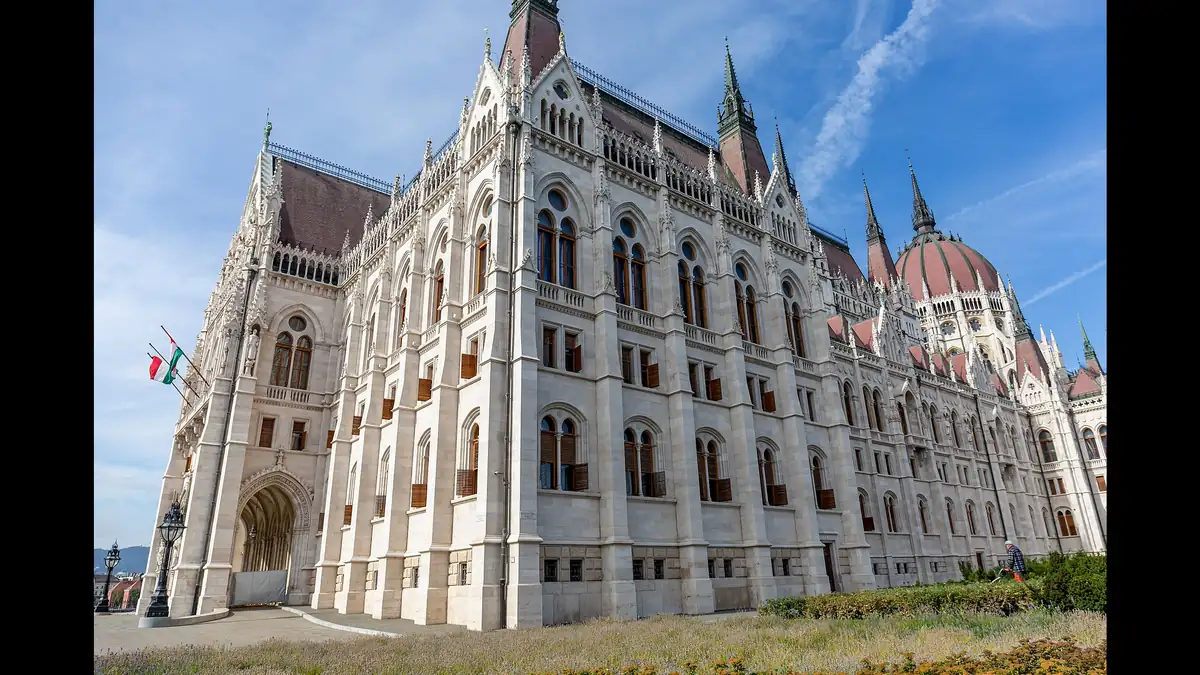
Budapest earns its reputation the moment you reach the river. Indeed, few capitals arrange their landmarks so dramatically in one view. Parliament glows on one bank, and castle walls rise on the other. Bridges stitch the two halves together above the wide Danube. This guide ranks the top ten places to visit in Budapest honestly. Consequently, you can build a Budapest itinerary around sights that truly matter.
First-time visitors often try to rush every Budapest attraction in two days. In fact, the city rewards a calmer sequence instead. Buda offers hills, history and sweeping river viewpoints. Meanwhile, Pest delivers grand avenues, cafés, markets and nightlife. Therefore, grouping sights by bank saves time and energy. Later sections cover the famous thermal baths separately. Finally, practical tips and honest answers close the guide.
Why Does Budapest Feel Like Two Cities on One Trip?
Budapest began as separate towns facing each other across the Danube. Buda grew around its castle hill and quiet residential streets. Pest, by contrast, developed as the flat commercial and political centre. Indeed, that contrast still shapes every visit here today. For instance, mornings in Buda feel hushed and almost village-like. Evenings in Pest, however, buzz with restaurants, bars and music.
Geography also explains why planning by neighbourhood works so well. Castle Hill concentrates several major sights within easy walking distance. Meanwhile, central Pest links the basilica, Parliament and the market. Heroes’ Square and City Park form another natural eastern cluster. Therefore, two focused days beat five scattered taxi rides. Besides, trams and the metro connect the clusters efficiently. Ultimately, this character makes Budapest attractions feel unusually varied.
Travellers comparing European capitals often place Budapest high for value. For example, readers planning best places to visit in Europe in summer trips love compact centres. Budapest matches that appeal, yet it adds baths and ruin bars. Consequently, days here mix sightseeing with rituals locals genuinely enjoy. Indeed, that balance explains why so many travellers return.
1. Why Does the Hungarian Parliament Building Dominate Every View?
The Hungarian Parliament Building stands first on almost every Budapest list. Indeed, its Gothic Revival façade stretches elegantly along the Pest riverbank. A central dome rises above spires, arches and carved stone details. For example, sunset light turns its pale stone warm gold. At night, floodlights reflect beautifully on the dark Danube below. Therefore, see it twice, once by day and once after dark.
Guided tours reveal an interior that matches the dramatic exterior. Visitors climb a sweeping staircase beneath gilded and painted ceilings. Indeed, the Hungarian Crown Jewels form the emotional centre of tours. Book ahead, because timed tours sell out during busy periods. Always check the official site for current prices and schedules. Otherwise, the exterior and Kossuth Square still reward a visit.
What Should You Look for Around Kossuth Square?
Kossuth Square frames Parliament with statues, lawns and river views. Memorials here honour key moments in modern Hungarian history. Meanwhile, tram tracks curve picturesquely along the river side. Photographers love this angle during calm early morning light. Afterwards, walk south along the embankment toward the Chain Bridge.
2. What Makes Buda Castle More Than a Single Landmark?
Buda Castle crowns the southern end of Castle Hill majestically. Indeed, the palace complex has guarded the Danube for centuries. Royal residents, sieges and rebuilds shaped its layered appearance today. Now museums and a national library fill its grand rooms. The Budapest History Museum traces the city’s long story. Meanwhile, the Hungarian National Gallery displays centuries of Hungarian art. Therefore, choose one museum rather than rushing through both.
The castle grounds justify the climb even without museums. Courtyards, statues and terraces open toward Pest across the river. For example, the view toward Parliament feels perfectly composed. You can ride the funicular up from the Chain Bridge area. Alternatively, walking paths ease the ascent for most visitors. Indeed, the hilltop streets behind the palace feel calm and historic.
History lovers often pair castle districts across different European trips. Similarly, fans of places to visit in Rothenburg ob der Tauber for cultural and historical sights enjoy walled old towns. Buda offers that atmosphere on a grander capital scale. Consequently, allow the Castle District at least half a day.
3. Why Do Visitors Fall for Fisherman’s Bastion and Matthias Church?
Fisherman’s Bastion may be the most photographed viewpoint in Budapest. Its white terraces, arches and seven turrets overlook the Danube. Indeed, the turrets honour the seven Magyar tribes who founded Hungary. From the balconies, Parliament sits perfectly framed across the river. Arrive early, because the terraces grow crowded by late morning. For example, sunrise visits often feel almost completely private.
What Gives Matthias Church Its Storybook Colour?
Matthias Church stands directly beside the Bastion in matching splendour. Its diamond-patterned roof tiles shimmer in oranges, greens and browns. Inside, painted walls and stained glass create a warm glow. Indeed, royal weddings and coronations once filled this church. The building also spent years as a mosque under Ottoman rule. Therefore, its history mirrors Budapest’s shifting fortunes vividly. Check the official site for current prices and visiting arrangements.
Couples often rate this corner among Europe’s most romantic viewpoints. Similarly, travellers who love the most romantic places to visit in Italy adore golden terraces. Fisherman’s Bastion delivers that same glow above a great river. Alternatively, simply wander the quiet lanes behind the church. Indeed, this whole hilltop rewards slow and curious walkers.
4. Why Is Walking the Széchenyi Chain Bridge a Ritual?
The Széchenyi Chain Bridge links Buda and Pest below Castle Hill. Opened in the nineteenth century, it united the two towns symbolically. Stone lions guard both ends of the span with quiet confidence. Indeed, walking across takes only minutes, yet everyone slows down. Views open toward Parliament and Gellért Hill from the middle. For example, dusk crossings show the city lights switching on. Therefore, treat the bridge as a sight, not just transport.
Why Do the Shoes on the Danube Bank Move So Many Visitors?
North of the bridge, iron shoes line the Pest riverbank quietly. This memorial honours Jews murdered beside the Danube during the war. Victims were ordered to remove their shoes before being shot. Indeed, the simple rows of footwear say more than speeches. Visitors often leave flowers, stones or candles beside the shoes. Stand quietly here, and let others reflect in peace too.
River walks connect naturally with a Danube River cruise later. Boats pass beneath the bridges and beside illuminated landmarks nightly. Daytime cruises help first-timers understand the city’s layout quickly. Evening cruises, however, deliver the famous postcard view in full. Choose departure times carefully around sunset for the best light. Consequently, many visitors call the cruise their favourite memory.
5. What Will You Find Inside St Stephen’s Basilica?
St Stephen’s Basilica rises over central Pest with calm neoclassical grandeur. Named for Hungary’s first king, it anchors a lively café square. Inside, marble, mosaics and paintings surround a soaring central dome. The basilica also preserves the Holy Right Hand, a treasured relic. Indeed, even non-religious visitors admire the interior’s quiet scale. Always check the official site for current prices and schedules.
The panoramic terrace around the dome offers a superb city view. From above, you see rooftops, avenues and the Buda hills beyond. Elevators ease part of the climb for less mobile visitors. Still, some stairs remain, so check access details before visiting. For example, clear mornings give the sharpest views toward Castle Hill. Basilica visits pair easily with Parliament on one Pest walk.
Grand churches often anchor wider European itineraries for culture seekers. For instance, readers exploring what places should I visit in Italy plan whole days around basilicas. Budapest’s basilica fits that tradition, yet stays refreshingly manageable. Consequently, it suits even short Budapest itinerary plans very well. Indeed, central Pest rewards this kind of gentle clustering.
6. Why Do Heroes’ Square and City Park Belong Together?
Heroes’ Square closes Andrássy Avenue with Hungary’s grandest ceremonial space. A tall column topped by the Archangel Gabriel dominates the centre. Statues of Magyar chieftains and later national leaders surround it. Indeed, the square was built to celebrate Hungary’s millennium in 1896. Two major museums flank the space with contrasting art collections. Meanwhile, the Hall of Art hosts changing contemporary exhibitions.
What Can You Do in City Park Behind the Square?
City Park spreads green and relaxed directly behind Heroes’ Square. Vajdahunyad Castle rises beside its lake like a fairytale collage. The castle mixes Romanesque, Gothic, Renaissance and Baroque features playfully. In winter, the lake becomes a much-loved skating rink. Indeed, the park gives families breathing space between museums.
Andrássy Avenue itself deserves attention on the way here. Tree-lined boulevards, elegant villas and the Opera House line the route. The historic M1 metro runs beneath it with charming old stations. For example, riding one stop feels like a tiny museum visit. Similarly, guides to list of places to visit in Paris for historical and cultural experiences celebrate such boulevards. Budapest answers Paris with its own confident grandeur here.
7. Why Should Food Lovers Start at the Great Market Hall?
The Great Market Hall fills a soaring iron hall near Liberty Bridge. Three floors overflow with produce, meats, spices and baked goods. Paprika garlands signal classic Hungarian flavours immediately on arrival. Indeed, locals still shop here alongside curious visiting food lovers. Ground-floor stalls suit ingredients, snacks and edible souvenirs best. Upstairs, eateries serve hearty dishes to busy crowds. Try lángos, the beloved fried dough, at least once.
Shopping here works best with a little patience and observation. Compare stalls before buying paprika, salami or embroidered gifts. Prices and quality can vary between neighbouring traders noticeably. Meanwhile, the building itself deserves a slow look upward. For example, morning visits feel calmer and better for photographs. Afterwards, cross Liberty Bridge toward the Gellért side of Buda.
8. What Makes the Dohány Street Synagogue and Ruin Bars So Distinctive?
The Dohány Street Synagogue stands among Europe’s most significant Jewish landmarks. Its twin towers and richly patterned interior command immediate respect. Guided visits explain Hungarian Jewish history with honesty and depth. Memorial spaces beside the synagogue honour victims of the Holocaust. Indeed, this visit asks for time, thought and respectful behaviour. Dress appropriately, and check visiting arrangements before you arrive.
Why Did the Ruin Bars in Budapest Become World Famous?
Evenings transform the surrounding Jewish Quarter into Budapest’s nightlife heart. Creative bars opened inside derelict buildings and courtyards years ago. Mismatched furniture, murals and plants fill these atmospheric spaces today. Szimpla Kert became the best known of the ruin bars in Budapest. Others nearby offer quieter gardens, live music or local crowds. Indeed, each bar developed its own personality over time. Visit one early in the evening for a calmer introduction.
Couples researching romantic city breaks often add this district for evenings. For example, planners of best places to visit in Germany for couples trips love characterful nightlife quarters. Budapest’s version feels rawer and proudly improvised by comparison. Consequently, it balances the city’s formal monuments beautifully after dark. Indeed, wandering between courtyards becomes part of the fun.
9. Why Is Margaret Island the City’s Favourite Escape?
Margaret Island floats car-free in the Danube between two bridges. Gardens, lawns and tree-lined paths stretch along its length peacefully. A musical fountain performs near the southern entrance in season. Medieval ruins add gentle surprises among the trees inland. Indeed, locals jog, cycle and picnic here in every season. For example, late afternoons bring a soft, social atmosphere. Therefore, schedule the island after a museum-heavy morning downtown.
The island also frames lovely views back toward both banks. Parliament appears across the water from several quiet riverside spots. Alternatively, walk the full length for a proper green workout. Indeed, many visitors remember this pause as fondly as monuments.
10. Why Does Gellért Hill Offer the Best Panorama in Budapest?
Gellért Hill rises steeply above the Danube on the Buda side. Paths climb through trees toward statues and open viewpoints above. The Liberty Statue crowns the summit beside the historic Citadella. From the top, bridges, Parliament and Pest unfold in one sweep. Indeed, this panorama explains the city’s geography instantly and beautifully. Wear decent shoes, because paths can feel steep and uneven.
The descent can become a pleasure rather than a chore here. Pause at intermediate terraces for quieter angles over the river. Meanwhile, the Cave Church sits carved into the hillside below. For example, combining hill, church and bath creates one rich afternoon. Consequently, this corner of Buda rewards unhurried explorers most.
How Should You Experience the Thermal Baths in Budapest?
No list of things to do in Budapest feels complete without bathing. Hot springs beneath the city have drawn bathers since Roman times. Ottoman rulers later built pools that still operate today. Modern grand baths then added palatial halls and outdoor pools. Indeed, bathing here is culture, healthcare and social ritual combined. Visitors join a living tradition, not a staged tourist attraction. Therefore, plan at least one unhurried bath session.
Which Bath Should First-Time Visitors Choose?
Széchenyi Thermal Bath is the classic first choice for most visitors. Its yellow palace surrounds steaming outdoor pools in City Park. Indoor pools, saunas and steam rooms extend the experience further. Watching regulars play floating chess captures Széchenyi’s charm perfectly. Gellért Baths, by contrast, offer ornate indoor tiles and columns. Rudas Baths add a rooftop pool and Ottoman-era atmosphere nearby.
Practical preparation makes any bath visit smoother and calmer. Bring swimwear, a towel and flip-flops from your hotel. Lockers and cabins work differently at each bath complex. Always check the official site for current prices and schedules. Indeed, opening arrangements and pool rules change without much notice. Afterwards, your legs will thank you for the pause.
German spa towns offer a useful comparison for bath culture. For instance, readers of best places to visit in Bremen Germany guides enjoy slower northern city breaks. Budapest, however, turns bathing into a grand social spectacle instead. Consequently, even one session adds something no museum can provide. Indeed, timing matters almost as much as bath choice.
What Practical Tips Will Make Your Budapest Itinerary Run Smoothly?
Smart pacing turns a good Budapest itinerary into a great one. Group Castle Hill sights together on one focused day. Pair Parliament, the basilica and the market on another day. Save Heroes’ Square, City Park and Széchenyi for a third block. Indeed, this structure limits backtracking across the river significantly. Validate transport tickets correctly, because inspections happen in Budapest.
When Is the Best Time to Visit Budapest?
Spring and autumn usually balance mild weather with manageable crowds. Summer brings festivals, long evenings and busy bath terraces instead. Winter feels atmospheric, with markets and steaming outdoor pools contrasting sharply. Indeed, soaking outdoors while cold air bites is unforgettable.
How Much Time Do the Top Ten Places Really Need?
Three full days cover these ten places without exhausting rushing. Two days work if you skip museum interiors almost entirely. Four days allow deeper neighbourhood wandering and a second bath. Still, Budapest itself deserves priority on a first visit. Indeed, depth here beats collecting extra towns too quickly.
Money and language rarely cause serious problems for visitors here. Hungary uses the forint, and cards work widely in central areas. Small cash helps at market stalls and tiny cafés sometimes. Ultimately, courteous curiosity opens more doors than perfect planning.
What Do Visitors Ask Most Often About Budapest?
How Many Days Do You Need for the Best Places to Visit in Budapest?
Three days suit the best places to visit in Budapest comfortably. Indeed, that span covers Castle Hill, central Pest and City Park. Add a fourth day for a second thermal bath session. Two days demand strict priorities and early starts daily. Therefore, stay three nights if your schedule allows it.
Is Budapest Walkable for First-Time Visitors?
Yes, Budapest is walkable, although Buda’s hills are genuinely steep. Pest stays flat and easy for long, relaxed walking days. However, Castle Hill and Gellért Hill both require real climbs. Metro and tram rides soften the hardest stretches very effectively. Consequently, most visitors manage happily with sensible daily pacing.
Which Area Should You Stay in for Easy Sightseeing?
Central Pest suits most first-time visitors best for sightseeing. Hotels there place restaurants, transport and nightlife within easy reach. Meanwhile, the Castle District offers quieter streets and romantic views. Families often prefer Pest’s flat streets and wider hotel choice. Indeed, both sides work when transport links look strong.
Do You Need to Book Budapest Attractions in Advance?
Book Parliament tours ahead, because timed slots fill quickly. Popular bath sessions and concerts also reward early booking sometimes. Most outdoor sights and viewpoints need no reservation at all. Always check the official site for current prices and schedules. Indeed, rules change faster than printed guidebooks can follow.
What Should You Not Miss on a Short Visit?
Prioritise Parliament, Castle Hill, Fisherman’s Bastion and one thermal bath. Add the Chain Bridge walk and the Great Market Hall next. Together, those stops capture Budapest’s beauty, history and flavour completely. Indeed, they form the heart of most memorable first visits. Finally, leave one evening free for the illuminated riverfront.
Budapest lingers through contrasts that keep revealing new layers daily. Castles face parliaments, and quiet baths follow lively ruin bars. Indeed, the finest places to visit in Budapest connect naturally together. Walk the bridges, soak slowly and respect the memorials here.



