
New York City can feel huge when you travel with children. However, the city becomes manageable once you plan by borough. Indeed, each borough works like a small city of its own. So this guide groups the best places to visit in NYC with kids by area and age.
Most families try to see everything in three frantic days. That pace usually ends in tears, though. Instead, pick one borough per day and explore it deeply. For example, pair Central Park with one nearby museum. Consequently, children get rest, snacks, and time to play.
This guide covers the best things to do in NYC with kids across all five boroughs. You will find family friendly attractions in New York City for every budget. In fact, several classic experiences need no ticket at all.
How should you plan New York City by borough and age?
Firstly, think in neighbourhood clusters rather than famous names. A cluster keeps walking short and tempers calm. Secondly, match each cluster to your youngest child’s stamina. Toddlers, for instance, thrive near parks and early lunches. Older children, however, can handle longer museum visits happily. Teens, meanwhile, often prefer neighbourhoods with shops and street life.
Geography helps too, because the boroughs spread wider than visitors expect. Manhattan holds most first-time sights, yet Brooklyn rewards a full day. Staten Island, finally, offers the calmest half day of all.
- Manhattan suits first trips and short stays best.
- Brooklyn rewards families who love parks and waterfronts.
- The Bronx anchors a brilliant zoo and garden day.
- Queens mixes science, sport, and global food beautifully.
- Staten Island gives harbour views and breathing space.
Season matters too, so keep one flexible indoor plan in reserve. Spring and autumn suit long park days best. Summer, however, demands early starts and indoor afternoons.
What can families enjoy in Manhattan with children?
Manhattan packs the classic sights into a fairly compact grid. Therefore, it anchors most things to do in Manhattan with kids. You can walk between many highlights without long transfers. Still, distances deceive, because avenues stretch further than maps suggest. So plan two anchors per day, never four. That rhythm keeps everyone cheerful until bedtime.
Why does Central Park work for every age?
Central Park with kids is the easiest win in the whole city. The park offers playgrounds, lawns, ponds, and shady picnic spots. Heckscher Playground, for example, suits climbers of many ages. Billy Johnson Playground, meanwhile, delights smaller children with its slide. Older kids often love scrambling over the park’s giant rocks. In short, everyone finds a favourite corner here.
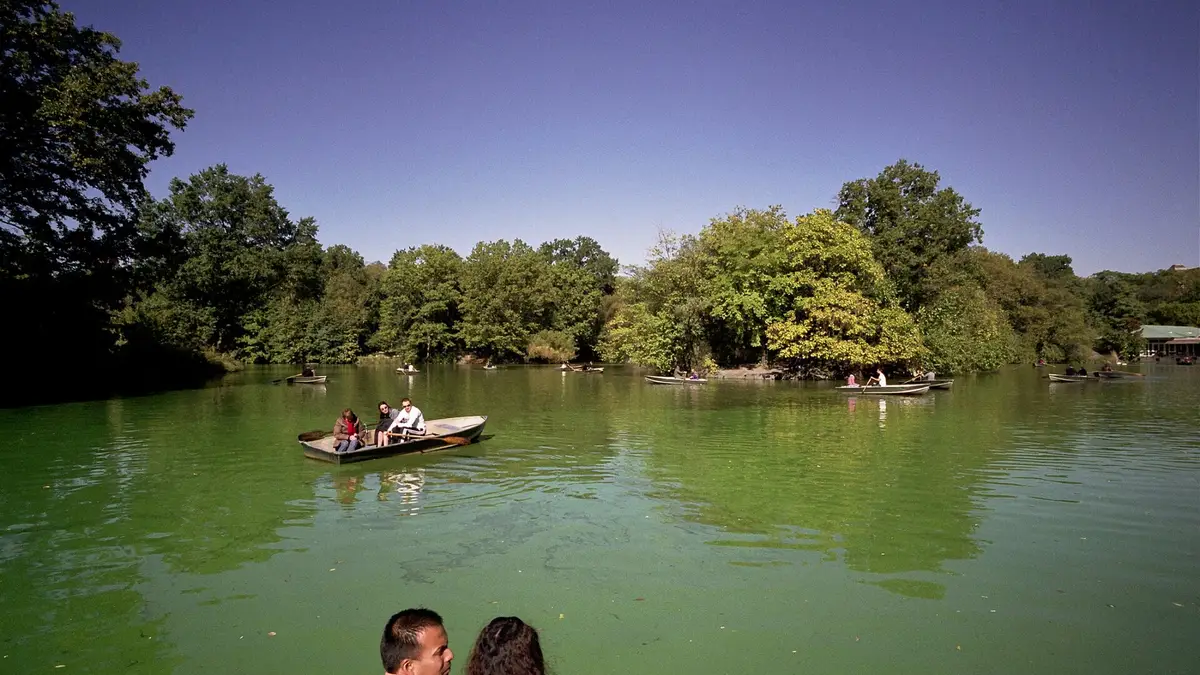
The Central Park Zoo adds a gentle paid attraction nearby. It stays small enough for tired little legs, thankfully. Nearby, families can sail model boats at Conservatory Water. Alternatively, storybook statues give toddlers sweet photo stops. Belvedere Castle, in contrast, rewards older children with views. Because the park is free, you can leave whenever moods dip.
Just west of the park sits a giant of a museum. The American Museum of Natural History thrills dinosaur fans instantly. Its blue whale hall, similarly, stuns children into silence. Families should book timed entry ahead during busy weeks. Otherwise, morning arrivals beat the longest queues easily. Afterward, a picnic lunch in the park resets everyone’s energy.
Which Midtown sights suit children best?
Midtown dazzles children, although it can overwhelm them too. Times Square, for instance, glows brightest after dark. A short evening visit usually beats a long daytime linger. Nearby, Top of the Rock gives skyline views without extreme heights. The Empire State Building, similarly, excites children who love icons. Still, choose one observation deck, not both, to save patience.
Broadway matinees work beautifully for school-age children and teens. Musicals with familiar stories hold younger attention spans best. The Rockefeller Center area, meanwhile, adds toy shops and treats. FAO Schwarz invites play, while the LEGO Store sparks building contests.
Families visiting in late autumn get extra sparkle here. Indeed, holiday windows and skating rinks transform the neighbourhood. Our guide to places to visit in New York during Thanksgiving covers that festive season well. It explains parade viewpoints and calmer family routes. Therefore, seasonal travellers should read it before booking. Timing, after all, changes crowds dramatically.
What should families see in Lower Manhattan?
Lower Manhattan mixes harbour views with powerful history lessons. The Staten Island Ferry sails free past the famous statue. That ride alone ranks among the best free things to do in NYC with kids. Children love the breeze, the skyline, and the gulls. Meanwhile, parents love the price, which is nothing. Just ride over, explore briefly, and sail back happy.
Seeing the Statue of Liberty with kids deserves proper planning, though. Ferries to Liberty Island are paid attractions with security checks. Crown access, in particular, needs booking far ahead. Ellis Island, in contrast, suits older children who enjoy stories. Its museum turns immigration history into personal, moving tales. Therefore, save the full trip for patient, curious ages.
Battery Park gives toddlers space to run before ferry queues. The SeaGlass Carousel, nearby, spins gently inside a glass pavilion. Afterward, the Oculus and Brookfield Place offer calm indoor breaks. Both provide food, seating, and stroller friendly space.
Why do families love Brooklyn so much?
Exploring Brooklyn with kids feels calmer than central Manhattan days. Neighbourhood streets run quieter, and parks stretch wider here. Brooklyn Bridge Park, for example, lines the waterfront with playgrounds. Jane’s Carousel spins inside a glass box beside the river. Meanwhile, the Manhattan skyline poses behind every photo. Consequently, this waterfront easily fills a happy half day.
Walking the Brooklyn Bridge thrills confident school-age children. Start early, though, because the walkway crowds by midday. Toddlers ride better in carriers than in strollers here. Afterward, DUMBO offers pizza, ice cream, and cobbled streets. Families can then rest on the park lawns nearby. In fact, sunset here often becomes the trip highlight.
Inland Brooklyn adds two more family favourites worth time. The Brooklyn Children’s Museum pioneered museums built purely for children. Prospect Park, similarly, gives families a local Central Park feel. Therefore, Brooklyn balances big sights with everyday local life.
Coney Island with kids brings classic seaside fun in summer. The boardwalk, beach, and vintage rides feel joyfully old-fashioned. Luna Park is a paid attraction, while the beach costs nothing. The New York Aquarium, nearby, rescues hot or rainy afternoons. Still, the subway ride there takes a while. So treat Coney Island as its own full day.
Hidden corners reward curious families across the whole city too. Our roundup of secret places to visit in New York reveals quieter gardens and viewpoints. Indeed, a calm hidden stop can rescue an intense itinerary.
What do the Bronx, Queens, and Staten Island offer?
Families often skip the outer boroughs, which is a shame. The Bronx, for instance, hosts world-class animals and gardens. Queens, meanwhile, mixes inventive science with global flavours. Therefore, longer stays should include at least one outer borough.
Is the Bronx Zoo worth a full day?
Visiting the Bronx Zoo with kids easily fills an entire day. It ranks among the largest urban zoos anywhere. Children meet gorillas, tigers, and sea lions across leafy habitats. Because distances inside are large, bring the stroller. Alternatively, older children enjoy treating it as an expedition. Either way, arrive early and pick priority animals first.
Next door, the New York Botanical Garden offers peaceful contrast. Families wander glasshouses, woodland trails, and seasonal flower displays. Toddlers nap beautifully along its quiet, shaded paths. So smaller children should choose just one attraction here.
Which Queens stops excite curious children?
Queens shines for children who love building and experimenting. The New York Hall of Science fills hours with hands-on exhibits. Its outdoor science playground, in particular, burns off energy brilliantly. Nearby Flushing Meadows Corona Park hosted two World’s Fairs. The giant Unisphere globe makes a superb family photo. Afterward, Flushing’s food scene rewards adventurous eaters generously.
Queens also suits rainy backups, thanks to its museums. Therefore, keep it flexible within your NYC family itinerary.
Why should families ride to Staten Island?
Staten Island begins with that famous free ferry ride. The journey itself entertains children more than many paid attractions. On arrival, the Staten Island Children’s Museum welcomes younger visitors. Its hands-on rooms suit preschoolers and early school ages. Historic Richmond Town, meanwhile, shows old houses and craftspeople. Older children often enjoy that step back in time.
Still, buses on Staten Island run less frequently. So check return ferry times before wandering too far. Overall, this borough suits a gentle final day.
Families with extra days can escape the city entirely too. Our ideas for places to visit near New York for long weekend trips cover beaches and valleys. Hudson Valley towns, for example, add farms and easy hikes. A short escape balances intense city sightseeing beautifully. Consequently, week-long family trips feel richer and slower.
What works best at each age in New York City?
Age shapes a New York trip more than any list. The same museum can delight one child and bore another. Therefore, plan each day around your youngest traveller first. Older siblings usually adapt when basics feel right. Snacks, toilets, and rest stops matter more than sights. Indeed, comfort quietly decides whether memories turn golden.
How can you enjoy NYC with toddlers?
Doing NYC with toddlers succeeds when days stay short. Start early, finish early, and protect the midday nap. Central Park playgrounds, for instance, beat long museum queues. The Children’s Museum of Manhattan suits this age beautifully too. Its water play and soft spaces invite safe exploring. Afterward, an early dinner prevents the evening meltdown.
Stroller strategy matters enormously with little ones in tow. Choose a light stroller that folds in seconds. Subway stairs, after all, appear exactly when babies sleep. Buses often feel easier, because drivers lower the entrance. Ferries, meanwhile, welcome strollers without any folding stress. In short, truly stroller friendly NYC days favour parks, ferries, and buses.
Which places thrill children aged five to nine?
Children aged five to nine hit the family travel sweet spot. They walk further, ask brilliant questions, and love missions. Give them a simple challenge in every museum, for example. Count dinosaurs, spot gargoyles, or find the biggest whale. The Intrepid Museum, similarly, lets them explore a real aircraft carrier. Its submarine and space shuttle spark endless questions.
Kid friendly museums in NYC reward this age group especially. The natural history museum, science halls, and children’s museums all shine. Observation decks also thrill them during daylight hours. Still, alternate indoor learning with outdoor running daily. Bryant Park, for instance, offers games and space near Midtown. Consequently, energy stays high without constant snack bribes.
What keeps tweens and teenagers engaged?
Exploring NYC with teenagers works best with real autonomy. Let teens choose one neighbourhood and lead the navigation. SoHo, Williamsburg, and the East Village reward that freedom. Street art, vintage shops, and bakeries beat formal tours. The High Line, meanwhile, mixes art, views, and people watching. Teens often photograph every step of that elevated walk.
Give older children experiences with genuine wow factor too. Summit One Vanderbilt turns skyline views into immersive art. Broadway shows, similarly, feel like events rather than outings. Afterward, food markets let everyone pick different cuisines.
Other American cities offer similar age-based lessons for families. Our guide to places to visit in Santa Barbara with kids that offer fun and learning balances play with education. Likewise, families crossing the Atlantic can compare places to visit in Manchester for families for a gentler pace. Comparing cities helps parents judge realistic daily distances. Indeed, pacing lessons transfer between destinations surprisingly well.
How should families balance free and paid attractions?
New York can drain a family budget surprisingly fast. However, its best experiences often cost nothing at all. Central Park, the High Line, and Brooklyn Bridge are free. The Staten Island Ferry, similarly, charges no fare. Public library story times add free indoor fun too. Therefore, anchor each day around one free highlight.
Then choose paid attractions with clear, deliberate care. One paid anchor per day usually feels plenty. Zoos, aquariums, and observation decks fall into this group. A city sightseeing pass can help some families, though. It only saves money when you truly use it. Otherwise, single tickets keep plans flexible and calm.
- Free anchors include parks, ferries, bridges, and library events.
- Paid anchors include zoos, aquariums, decks, and Broadway shows.
- Mixed days balance budgets and energy levels best.
- Rest days at playgrounds protect both money and moods.
Food spending deserves the same honest planning, frankly. Bakeries, delis, and food halls feed families affordably. Picnics in parks, meanwhile, turn lunch into an experience itself. In fact, simple New York food often wins.
Desert-loving families can compare costs with a very different trip. Our guide to places to visit in Phoenix Arizona with family for leisure and recreation shows a slower, sunnier rhythm. Meanwhile, tropical planners may enjoy the best places in Costa Rica to visit with kids for nature-led days. Both prove great family trips need not feel rushed. New York, similarly, rewards families who slow down.
What are the best rainy day backups in New York?
Rain will likely visit at least once, realistically. Luckily, the best rainy day activities in New York for kids fill whole days. Museums lead the list, especially the natural history museum. The Children’s Museum of Manhattan, similarly, rescues wet toddler mornings. Older children, meanwhile, enjoy the Intrepid’s vast indoor hangars. So keep two indoor options pinned for every trip.
Libraries offer calmer rainy escapes that many visitors miss. The main public library branch stuns children with its lions. Afterward, a matinee show can fill a soggy afternoon. Broadway theatres, in addition, welcome families warmly.
Indoor markets solve rainy lunches without stress or fuss. Chelsea Market, for example, lines food stalls under one roof. Children love testing the famous whispering corner at Grand Central too. Consequently, rainy days can still become favourite memories.
Where should families base themselves in New York?
Choosing among the best neighborhoods to stay in NYC with kids shapes daily energy. The Upper West Side suits families who love museums. It sits between Central Park and the natural history museum. Streets feel residential, and delis serve easy family breakfasts. Subway lines, in addition, run straight down to Midtown. Therefore, first-time families often settle happily here.
Midtown maximises convenience, although it maximises noise too. Families with short stays may accept that trade happily. Brooklyn Heights and Park Slope, in contrast, offer calmer evenings. Their brownstone streets sit near parks and playgrounds galore. Commutes into Manhattan take longer, however, with tired children. So weigh evening calm against morning travel honestly.
Long Island City in Queens tempts budget-conscious families increasingly. Hotels there often give more space for similar money. Subway rides into Midtown, in addition, stay short and direct.
How can families pace a perfect three-day visit?
A smart NYC family itinerary protects mornings and evenings fiercely. Day one could pair Central Park with the natural history museum. That pairing mixes outdoor freedom with indoor wonder perfectly. Day two, meanwhile, belongs to Brooklyn’s bridge and waterfront. Finish with pizza in DUMBO as lights twinkle. Day three can add one big personal choice.
That third day depends on your children’s ages, naturally. Zoo lovers should ride out to the Bronx early. Toddlers, meanwhile, deserve a gentle repeat of favourite playgrounds. Indeed, repeating a loved place beats chasing new sights.
- Start each day with the biggest sight first.
- Schedule lunch before children get properly hungry.
- Insert playground time after every museum visit.
- End days early when energy visibly fades.
- Keep one backup plan ready for weather changes.
Getting around shapes pacing more than most parents expect. The subway moves fastest, yet stairs slow stroller users. Ferries, similarly, turn transfers into sightseeing moments themselves. Therefore, cluster first, then choose transport around it.
Finally, leave space for the city to surprise you. Children rarely remember completing a checklist of sights. Instead, they remember boats, carousels, and giant dinosaurs. So plan loosely, walk slowly, and snack generously.
Frequently asked questions
How many days do families need in New York City?
Most families need three to five days, realistically. Three days cover Manhattan highlights plus one Brooklyn day. Five days, however, allow a zoo or Queens adventure. Toddlers benefit from the slower five-day rhythm especially. Teens, meanwhile, enjoy extra neighbourhood wandering time. Therefore, longer stays suit mixed-age families best overall.
What is the best age to visit New York with children?
Every age can work with the right expectations, honestly. Ages five to nine often find the city easiest. Children then walk well and love museums deeply. However, toddlers enjoy parks and ferries just as much. Teens, similarly, thrive when given choices and freedom. So match the plan to your child, not rankings.
Is New York City expensive for families?
It can be, although smart planning controls costs well. Many headline experiences, like Central Park, cost nothing. The free ferry and bridges add huge value too. Paid attractions, meanwhile, need choosing one per day maximum. Picnics and food halls also trim meal spending significantly. Consequently, mixed free and paid days protect budgets.
Can families manage New York with a stroller?
Yes, families manage daily, but strategy helps enormously. Choose light, foldable strollers for subway stairs and buses. Elevator stations exist, though they spread out widely. Buses and ferries usually feel simpler with wheels. Parks, in contrast, welcome strollers without any stress. Therefore, plan routes around access, not just distance.
Which area is best for a first family trip?
The Upper West Side suits most first trips beautifully. It neighbours Central Park and the natural history museum. Midtown, alternatively, maximises sightseeing convenience for short stays. Brooklyn suits families wanting calmer, local evenings instead. Queens, meanwhile, helps budgets stretch a little further. In short, choose calm mornings over tiny commutes.



