
Times Square glows on every postcard, yet the city keeps its best moments tucked one level up, one alley down, or one ferry ride away. Indeed, the secret places to visit in New York rarely hide behind locked doors. Instead, they hide in plain sight, behind an unmarked lift or a garden gate. For example, a waterfall can sit between office towers, and a medieval cloister can crown a hilltop. Consequently, finding them feels like being let in on a local confidence.
This guide collects genuine hidden gems NYC residents actually use on their days off. First, it groups places by the kind of secret they offer, from rooftop escapes to tiny museums. Second, it explains who each place suits and when it works best. Finally, it closes with a simple one-day route. In practice, check current opening arrangements before you go, because small museums and island ferries change schedules by season.
How can a famous city still hide so much?
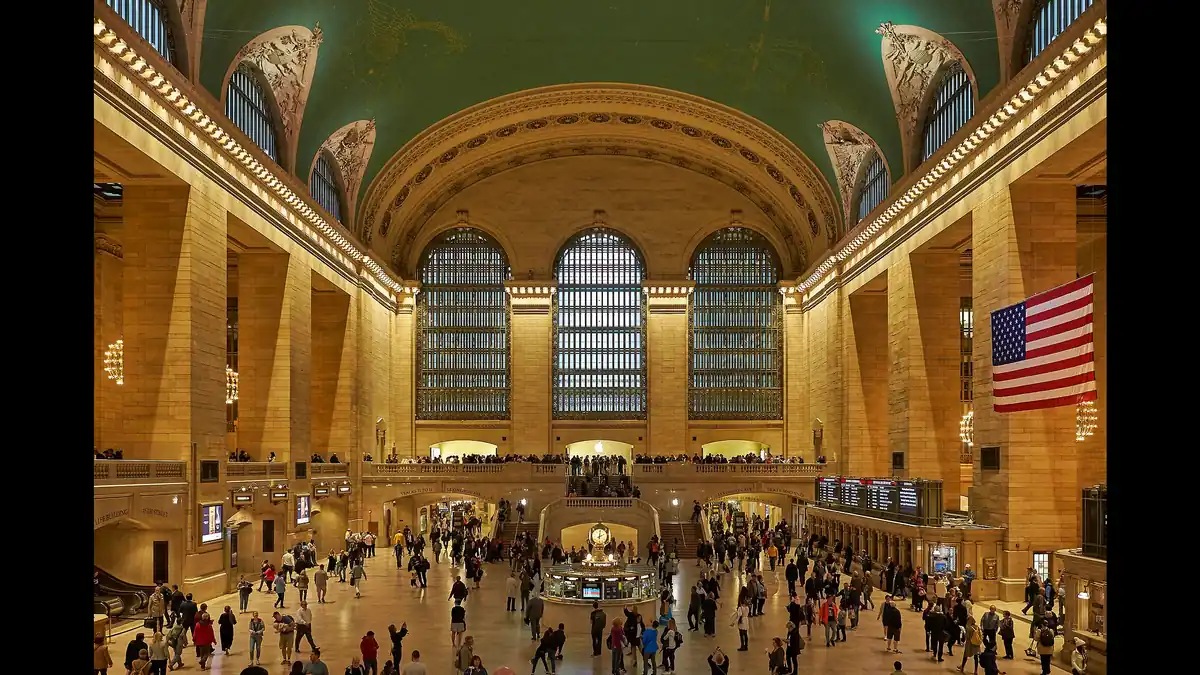
New York rewards people who slow down, however busy the avenues look. For instance, thousands cross Grand Central daily without testing its whispering corner. Similarly, office workers stream past pocket parks steps from their desks. As a result, many lesser-known NYC attractions stay calm because nobody looks sideways. Indeed, the finest hidden gems in New York City often sit inside places everyone thinks they know.
Geography helps the secrets survive, in fact. Manhattan is long, so northern neighbourhoods feel distant to short-stay visitors. Meanwhile, the harbour islands demand a deliberate trip. Therefore, distance acts like a filter, and places beyond the centre stay peaceful. Above all, curiosity matters more than money here, because most spots cost nothing.
Families planning a first trip can pair these stops with our guide to places to visit in NYC with kids for a balanced plan. Likewise, seasonal visitors may enjoy our roundup of places to visit in New York during Thanksgiving. Both guides cover the classics, whereas this one deliberately goes off the beaten path New York locals prefer.
Green escapes above the streets
Some secret spots in New York City float above the traffic, on rooftops and raised plazas. Surprisingly, you often reach them through an ordinary doorway or escalator. Once upstairs, however, the noise drops and the skyline opens out. In short, these elevated gardens give you the view without the observation-deck queue.
Elevated Acre
Elevated Acre sits above the Financial District, near the East River. Admittedly, the entrance gives nothing away, so most passers-by never suspect a lawn overhead. Once you arrive, though, decking, grass, and trees soften the edges of Wall Street. For example, you can watch boats while bankers eat sandwiches beside you.
This plaza suits lunch-break escapers, photographers, and anyone craving air near Battery Park. Weekday mornings feel calmest, in practice, while early evenings bring golden light across the water. Bring a coffee, claim a bench, and watch the harbour traffic drift past.
Tudor City Greens
Tudor City Greens form two small, formal parks within a historic enclave near the United Nations. Historically, the complex faced inward toward green space, away from a noisy industrial past. Today, the greens still feel composed and neighbourly, with benches among neat planting. Consequently, the area reads like a village square rather than Midtown Manhattan.
Architecture fans will enjoy the brick towers, whereas picnic hopefuls should keep the visit short and sweet.
Greenacre Park and Paley Park
Greenacre Park proves that NYC hidden gardens need no acres to feel restorative. Tucked on a Midtown side street, this pocket park channels a waterfall down one wall. Remarkably, the falling water masks traffic noise and cools the air. As a result, conversations soften, and the city seems to recede.
Paley Park works a similar trick nearby, on the former site of the Stork Club. Originally opened in the nineteen sixties, it helped define the vest-pocket park idea. Honey locust trees shade movable chairs, while a water wall closes the far end. For instance, you can follow the shade and stay longer than planned.
Together, these parks suit readers and anyone who needs twenty quiet minutes. Indeed, they rank among the most loved quiet places in New York because they stay small. Visit early or late for the emptiest seats. Meanwhile, pocket parks sometimes close for maintenance, so check arrangements before a special trip.
Quiet corners inside famous parks
Even Central Park contains corners that most visitors never enter. Similarly, upper Manhattan holds a park that feels like a country estate. These places show that hidden places in Manhattan often sit inside locations everyone knows. Therefore, you need no new destination, just a new route through a familiar one.
Hallett Nature Sanctuary
The Hallett Nature Sanctuary occupies a wooded promontory beside the Pond in Central Park. Originally, Robert Moses closed the area in the nineteen thirties as a bird sanctuary. For decades, fences kept everyone out, and invasive plants took over. Eventually, the Central Park Conservancy restored the trails and reopened the sanctuary in twenty sixteen.
Nowadays, rustic paths wind through native planting, and benches overlook the water. Birdwatchers prize the spot, in particular, because Central Park sits on the Atlantic Flyway migration route. Access stays limited to certain middays and guided visits, however, which keeps the woodland tranquil. Check the Conservancy schedule before you go.
Septuagesimo Uno
Septuagesimo Uno may be the smallest official park in New York, squeezed between two brownstones. Admittedly, you could cross it in under a minute. Yet the tiny plot still packs in benches, planting, and real discovery. In fact, its Latin name simply means seventy-first, a nod to its street.
This miniature park suits completists and neighbourhood wanderers who enjoy urban trivia. For example, it makes a charming detour before a museum visit nearby. Keep your visit brief, and enjoy the joke that Manhattan protects a park this tiny.
Fort Tryon Park
Fort Tryon Park crowns high ground in upper Manhattan, overlooking the Hudson River. Generously, it combines formal gardens, wooded paths, and stone architecture on one hillside. The Heather Garden draws garden lovers, in particular, with planting that changes by season. Meanwhile, quiet overlooks invite you to watch light move over the Palisades.
Most visitors come for the Cloisters museum, yet the park deserves its own hour. Walkers can loop the paths, whereas picnickers can settle on quiet lawns. Admittedly, the subway journey north takes time, but that distance protects the calm.
Historic streets and storybook enclaves
History hides differently in New York, sometimes down a cobbled lane, sometimes behind a gate. Occasionally, a whole street survives from another century while towers rise around it. Other times, a cemetery preserves the city that existed before the grid. Consequently, these corners suit travellers who like walks layered with stories.
Pomander Walk
Pomander Walk hides on the Upper West Side, where a gated lane of Tudor-style houses recalls a London mews. Built in nineteen twenty-one, the enclave took its name from a popular stage play. Originally, the houses were a temporary project while a grand hotel was planned. Instead, the hotel never came, and landmark protection later saved them.
Importantly, Pomander Walk remains private, so visitors admire it through the gates. For instance, you can glimpse colourful shutters and flower boxes from the pavement. Photographers love the contrast, in particular, because the storybook lane sits between ordinary blocks. Treat it as a look-and-wonder stop, and keep noise low for residents.
Stone Street and Freeman Alley
Stone Street brings old New York back to life in the Financial District. Historically, its cobbles follow one of the oldest street lines in the city. Today, restaurants fill the lane with tables, and the low buildings feel almost European. As a result, an evening here feels festive yet far from Wall Street formality.
Freeman Alley offers a rougher counterpoint on the Lower East Side, off Rivington Street. The narrow passage became known for layered street art and small creative businesses. Admittedly, the artworks change constantly, so no two visits look the same. Graffiti fans will enjoy it most.
Green-Wood Cemetery
Green-Wood Cemetery in Brooklyn surprises visitors with hills, ponds, and Gothic architecture. Founded in the nineteenth century, it served as a beloved rural cemetery before large public parks existed. Indeed, its paths once drew crowds who treated the grounds like a landscape garden. Nowadays, the atmosphere stays serene, and harbour views reward slow walking.
History lovers can seek out ornate monuments and the famous entrance gate. Meanwhile, nature lovers can watch birds around the ponds in every season. Respect matters here above all, because Green-Wood remains an active burial ground. Stay on the paths, and check current opening arrangements before you travel.
Tiny museums and grand libraries
Some hidden museums NYC visitors miss could fit inside a lift shaft, while others hide behind a mansion facade. Either way, these collections reward curiosity more than stamina, because none demands a full day. In practice, one small museum plus one grand library makes a perfect rainy-day pairing. Therefore, keep this section in mind when big museums feel overwhelming.
Mmuseumm
Mmuseumm occupies a former freight elevator shaft in Cortlandt Alley, in Lower Manhattan. Founded in twenty twelve, it displays small everyday objects as object journalism. For example, one season might present censored products, found gloves, or odd food packaging. Consequently, the tiny displays spark surprisingly big conversations about modern life.
Visitors peer through windows and peepholes, often guided by an audio tour. Admittedly, only a handful of people can engage at once, so patience helps. Opening days stay limited, in particular at weekends, so confirm arrangements first. Above all, Mmuseumm proves that unusual things to do in NYC need no grand buildings.
The Morgan Library and Museum
The Morgan Library began as the private library of financier J. P. Morgan in Murray Hill. Inside, the main room rises through three tiers of books beneath a decorated ceiling. Rare manuscripts and a Gutenberg Bible appear in cases and rotating exhibitions. In fact, many visitors call the library room itself the greatest exhibit.
Book lovers will linger longest here, but design fans also leave impressed. Compared with the vast Metropolitan Museum, the Morgan feels intimate and manageable. Pair it with the Whispering Gallery nearby, and check exhibition listings before you go.
The Met Cloisters
The Met Cloisters gathers medieval European art inside a building assembled from real cloister elements. Perched within Fort Tryon Park, it overlooks the Hudson from northern Manhattan. Inside, you will find tapestries, stained glass, carved stone, and courtyard gardens. Remarkably, the garden herbs reflect plants that medieval monks actually grew.
This museum suits art lovers and anyone who wants New York to feel briefly European. Because the journey north takes effort, crowds stay thinner than at the main Met. Plan the Cloisters and Fort Tryon Park together, in practice, and give the pairing a half day.
Secrets hidden in plain sight
The cleverest secret New York landmarks need no ticket, no gate, and no permission. Instead, they need knowledge, because the trick lies in knowing where to stand. For instance, a whisper can cross a tiled vault, and a vanished station can glide past a train window. As a result, these moments feel like magic tricks the city performs free.
The Whispering Gallery at Grand Central
The Whispering Gallery sits on the lower level of Grand Central Terminal, outside the Oyster Bar. Stand facing one corner, ask a friend to face the diagonal corner, and whisper. Miraculously, the curved Guastavino tile vault carries your voice across the busy space. Even during busy periods, in fact, the effect works with startling clarity.
Couples, families, and solo travellers all enjoy testing the acoustics for free. Early mornings feel calmest, however, because commuter crowds thin out then. While you are there, look up at the main concourse ceiling and its painted constellations.
Seeing old City Hall station from the 6 train?
Old City Hall station, the elegant first subway station of nineteen oh four, closed decades ago. Nowadays, you can glimpse its vaulted tiles without leaving public transit. Widely documented advice says to stay on a downtown 6 train as it loops past the old station. Through the windows, briefly, the abandoned arches slide into view.
Transit fans treasure this glimpse, in particular, because the station stays otherwise closed. Occasionally, the Transit Museum runs guided tours, although places vanish quickly. Keep expectations modest, because the train passes fast and the lighting stays dim.
Berlin Wall fragments near Paley Park
Pieces of the Berlin Wall stand in a small plaza beside Paley Park, on East Fifty-Third Street. Originally, German artists painted these sections while the wall divided Berlin in the nineteen eighties. After the wall fell, several segments found a home in this Midtown space. Consequently, a coffee break here comes with an unexpected history lesson.
History travellers will appreciate the bright, weathered artwork among the office towers. Pair the fragments with Paley Park itself, since both share the same block. Admittedly, many commuters pass daily without noticing the wall pieces at all.
Islands that feel like another city
Water changes everything in New York, and two nearby islands prove the point. First, a tram glides over the East River to an island of lawns and ruins. Second, a short ferry crosses the harbour to a car-free island of forts. Together, they deliver the strongest non-touristy things to do in NYC without leaving the city.
Roosevelt Island and its tram
The Roosevelt Island Tramway lifts passengers beside the Queensboro Bridge for a scenic river crossing. From the cabin, rooftops, bridges, and the East River spread out below. Indeed, many riders call the journey itself the attraction. Once you land, wide lawns and promenades invite an unhurried loop walk.
At the southern end, Four Freedoms Park honours President Franklin D. Roosevelt with a calm landscape. Nearby, the ruins of a nineteenth-century smallpox hospital add a haunting photographic stop. Families suit this island best, in practice, because space and sky dominate here. If you love skyline evenings elsewhere, compare our guides to places to visit in Taipei at night and best places to visit in Abu Dhabi at night.
Governors Island
Governors Island sits in New York Harbor, a short ferry ride from Lower Manhattan. Historically, the island served military purposes, and its old forts anchor the northern end. Fort Jay and Castle Williams now form part of a national monument. Meanwhile, the southern parkland adds hills, lawns, and room to cycle freely.
Cars stay absent here, so the island feels instantly calmer than the mainland. Rent a bike, pack a picnic, or wander between art installations and historic houses. Seasonal opening shapes every visit, however, so check ferry arrangements before you set out. For a longer escape, browse our ideas for places to visit near New York for a long weekend.
How should you plan a hidden-gems day?
Start uptown in the morning, when Fort Tryon Park and the Cloisters feel quiet. Afterwards, ride downtown and pause at the Morgan Library before testing the Whispering Gallery. Then cross to Greenacre Park for a waterfall break, and finish on Stone Street. As a result, one day strings together gardens, libraries, and cobbles without backtracking.
Alternatively, build a harbour day around Roosevelt Island and Governors Island. Admittedly, ferry and tram timings decide that plan, so confirm schedules on the day. Wear comfortable shoes, because secret places in New York reward walking between stops.
Romantics can borrow the same slow approach from our guide to the most romantic places to visit in Italy. Similarly, fans of the strange may enjoy our list of weird places to visit in Los Angeles. Every great city hides a quieter second version, in fact, and New York hides its version with style.
Frequently asked questions
What are the best secret places in New York for first-time visitors?
Start with the Whispering Gallery, Greenacre Park, and the Morgan Library for an easy central route. Together, they need no complex planning, yet they feel different from the famous sights. Afterwards, add the Cloisters if you have a spare half day. In short, three central secrets plus one uptown trip balance a first visit.
Are these hidden gems NYC spots free to visit?
Many are free, including the pocket parks, the Whispering Gallery, and the train-window view of old City Hall station. Museums such as the Morgan and the Cloisters charge admission, however, so budget separately. Islands involve ferry or tram fares rather than entry fees. Always check current arrangements before you go.
Which quiet places in New York suit a rainy day?
Choose the Morgan Library, Mmuseumm, and the Cloisters when the weather turns wet. Each one offers rich interiors and a calm pace away from crowded flagships. Grand Central also works beautifully in rain, since the Whispering Gallery sits indoors. Conversely, save the pocket parks and islands for a dry day.
How many hidden places can you realistically see in one day?
Four or five stops make a comfortable day if you group them by neighbourhood. For example, Midtown alone links the Morgan, the Whispering Gallery, Greenacre Park, and Paley Park. Uptown and island trips each deserve half a day, however, because travel time adds up. Therefore, pick one cluster and walk slowly.
Are these places suitable for children?
Yes, most welcome children, especially the tram ride, Governors Island, and the Whispering Gallery. Kids usually love whispering across the vault and spotting the old station from the train. Quieter libraries need a calmer approach, admittedly, so match the stop to your child. In practice, one museum plus two outdoor secrets keeps younger travellers happiest.



