
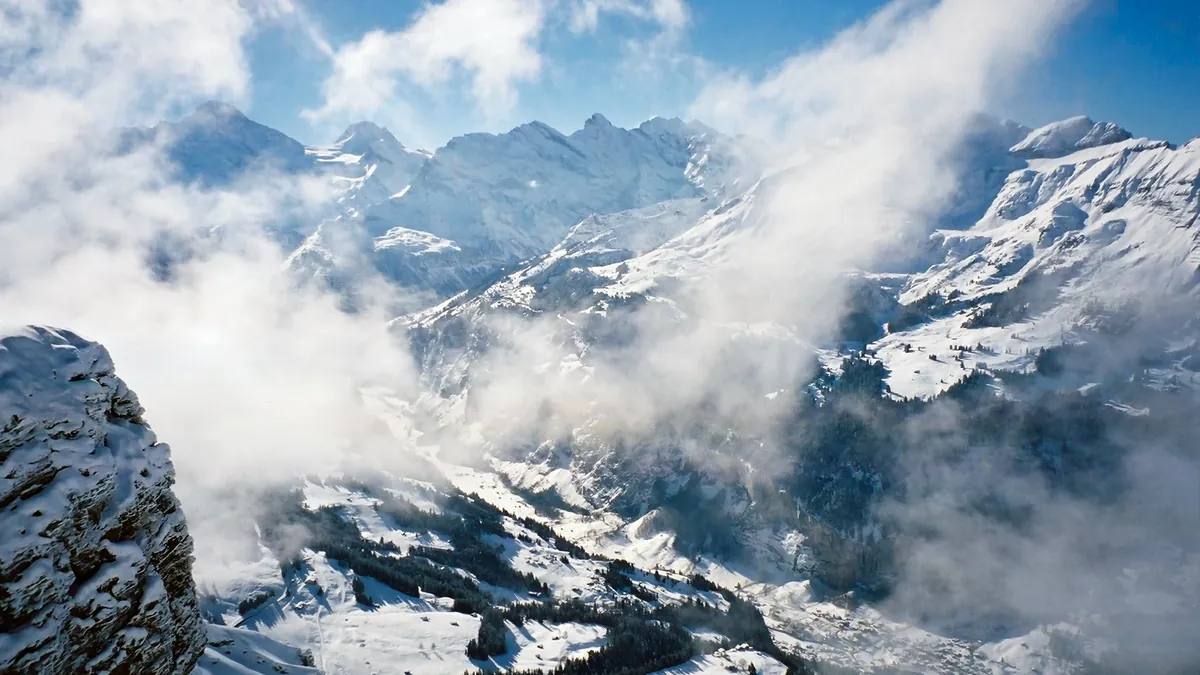
Summer changes Switzerland completely. Snow retreats to the highest peaks, and instead the valleys turn deep green. Meadows fill with wildflowers, and meanwhile the lakes warm enough for swimming. Hiking paths open across the Alps, and consequently long evenings stretch over lakeside promenades. For many travellers, therefore, the top places to visit in Switzerland in summer combine mountains, water, and old towns in one trip.
Choice matters here because distances look deceptively small. A short rail journey can link a glacier valley with a palm-lined lake shore. Still, trying to see everything in a week usually creates rushed days. Better planning starts with base towns, and indeed two or three bases beat seven hotel changes. Readers debating which is the best place to visit in Switzerland will find a clear answer below. Simply put, no single winner exists because each region rewards a different travel style.
Why does Switzerland feel made for summer?
Long daylight gives summer its first real advantage. Trails stay usable into the evening, and similarly boat timetables run at their fullest. Cafes spill onto squares, and in addition open-air festivals fill city calendars. Even high villages feel relaxed because winter sports crowds have gone home.
Variety arrives quickly after that advantage. One morning can start beside a waterfall, and then the afternoon can end with a lake swim. High meadows sit close to medieval streets, and for example Lucerne pairs both within a single walk. Such contrast explains why the best places to visit in Switzerland feel bigger than the country itself.
Seasonal access shapes the trip as well. Many mountain lifts run mainly for hikers in summer, and consequently viewpoints open that stay closed in spring. Pass roads clear, and also scenic rail routes show green valleys instead of snowfields. Anyone comparing seasons can check the best place in Switzerland to visit in winter for a useful contrast. Winter suits skiing, whereas summer suits walking, boating, and slow village stays.
How should you choose your base towns?
Smart base selection saves both time and energy. Interlaken works brilliantly for the Bernese Oberland, and meanwhile Zermatt deserves its own overnight stay. Lucerne suits travellers who want a city, a lake, and day hikes together. Alternatively, Montreux fits anyone who prefers vineyards and gentle lakeside evenings.
Arrival cities deserve a brief pause too. Zurich often works as the entry point, and from there trains fan out across the country. Travellers landing there can explore the places to visit near Zurich by train before heading into the Alps. Geneva plays the same gateway role in the west, and indeed both cities reward one unhurried day.
Rail travel ties the bases together smoothly. Trains link valleys, lakes, and cities without any need for a car. Panoramic routes need seat reservations, however, so booking those legs early matters. Ordinary regional trains need no reservation, and thus they offer welcome flexibility on cloudy days.
What makes Zermatt and the Matterhorn unmissable?
Few silhouettes match the Matterhorn at first light. Zermatt sits car-free beneath that pyramid peak, and consequently its streets feel calm and clean. Chalets line the lanes, and above them the mountain changes colour through the day. Clear mornings matter most here because cloud often hides the summit by afternoon.
Walkers find superb options around the village. The famous Matterhorn hiking trails include the Five Lakes Walk, with still water reflecting the peak. Gornergrat offers another classic outing, and in fact its cog railway climbs to sweeping glacier views. Stronger hikers can tackle higher balcony paths, whereas gentler valley routes suit families and photographers.
Time allocation changes the experience greatly in Zermatt in summer. A day trip can work, but still an overnight stay brings quieter evenings and dawn views. Restaurants serve hearty Valais dishes, and meanwhile the village museum explains early mountaineering attempts on the peak. Two nights feel ideal because one cloudy day then ruins nothing.
Why do travellers base themselves in Interlaken?
Geography explains the appeal of Interlaken in summer instantly. The town sits between Lake Thun and Lake Brienz, and additionally the Jungfrau massif rises behind it. Hotels cluster near two stations, and therefore day trips stay simple in every direction. Adventure operators add paragliding, canyoning, and boat hire for restless travellers.
Evenings in town feel pleasantly low-key after mountain days. The Höheweg promenade offers mountain views, and meanwhile gardens and cafes provide easy places to unwind. Harder Kulm overlooks both lakes, and for instance its funicular makes a fine sunset excursion. Anyone short on time can happily spend a full rest day here.
Real magic lies in the valleys beyond town. The wider Jungfrau region packs waterfalls, rack railways, and high villages into compact distances. Lauterbrunnen lies to the south, and similarly Grindelwald spreads beneath the Eiger to the east. Both villages deserve full days, and indeed neither should become a rushed photo stop.
What will you find among the Lauterbrunnen waterfalls?
Steep cliffs define Lauterbrunnen more than any building could. Water pours over those cliffs in dozens of falls, and consequently the valley floor stays cool and green. Staubbach Falls drops almost sheer beside the village, and in addition its spray catches evening light beautifully. Paths along the flat valley floor suit walkers of every level.
Hidden water provides the valley highlight for many visitors. The Trümmelbach Falls thunder inside the mountain itself, draining glaciers from the Eiger, Mönch, and Jungfrau. Walkways and a tunnel lift lead through that roaring interior, and therefore a light jacket helps even in July. Altogether, the Lauterbrunnen waterfalls deliver drama without any demanding climb.
Car-free villages perch above the valley on sunny shelves. Wengen overlooks the falls from one side, and meanwhile Mürren faces the great peaks from the other. Cable cars and mountain railways link both villages, and also gentle meadow trails connect their viewpoints. Overnight guests gain the valley at its quietest, especially early in the morning.
Why does Grindelwald in summer reward slow days?
Scale hits you first in Grindelwald in summer. The Eiger north face towers above the village street, and consequently every walk starts with a dramatic backdrop. Gondolas climb toward First and other viewpoints, and in fact high paths then traverse flower-filled slopes. Bachalpsee reflects the peaks on calm mornings, rewarding walkers who start early.
Activity choice stays wide for different energy levels. Families can ride mountain carts and easy trails, whereas experienced hikers can cross longer alpine routes. The Eiger Trail runs beneath the famous wall, and similarly glacier viewpoints sit within reach by rail. Weather checks remain essential because high paths change quickly after storms.
Village life balances all that mountain effort nicely. Bakeries, gear shops, and terrace restaurants line the main street, and meanwhile cowbells drift in from nearby pastures. Staying two nights allows one big hike and one slower excursion day. Such pacing suits the Bernese Oberland, where indeed rushing wastes the scenery.
What are the best things to do in Lucerne?
Compact charm makes Lucerne an easy favourite. The covered Chapel Bridge crosses the Reuss River, and nearby the old town holds painted facades and small squares. A lion carved into rock honours fallen Swiss Guards, and also the city walls offer wide views. Most sights sit close together, so one day covers the historic core comfortably.
Water shapes the best things to do in Lucerne after sightseeing. Lake Lucerne stretches in fjord-like arms between steep hills, and consequently boat rides feel like mini rail journeys. Paddle steamers connect lakeside villages, and for example Weggis and Vitznau make lovely lunch stops. Swimmers find bathing spots along the shore during warm spells.
Mountains rise within easy reach of the centre. Mount Pilatus looms to the west, and meanwhile Mount Rigi stands across the lake. Cog railways and cable cars serve both summits, and thus no technical hiking is required. Clear days bring views across the central Alps, whereas cloudy days suit museums and old town cafes.
Why does Lake Geneva feel almost Mediterranean?
Light changes character beside Lake Geneva in summer. Vineyards climb the northern shore in neat terraces, and meanwhile palm trees appear along sheltered promenades. The lake feels vast, calm, and luminous, especially during long evenings in June and July. French-speaking towns add a relaxed rhythm that contrasts with the high Alps.
Montreux anchors the eastern shore with style and music. Visitors enjoy Montreux in summer for its lakeside flower promenades and mountain backdrop. The famous jazz festival fills July with concerts, and in addition free stages keep the waterfront lively. Chillon Castle rises from the water nearby, rewarding anyone who loves medieval history.
Slower exploration suits this shore best of all. Boats link Montreux with Lausanne, Geneva, and small wine villages along the Lavaux terraces. Walkers can follow vineyard paths above the lake, and for instance Lutry makes a charming stop for lunch. Couples often rate this region highly, much like fans of the most romantic places to visit in Italy rate lakeside Italy.
What does Bern add to a summer route?
Capital cities rarely feel this relaxed. Bern in summer unfolds under arcaded streets that shade shoppers from the sun. The Zytglogge clock tower marks the old town centre, and nearby the cathedral spire rises above red rooftops. A UNESCO listing protects the medieval core, and consequently the streetscape feels remarkably complete.
River life gives Bern its summer personality. The Aare loops around the old town in bright turquoise, and indeed locals swim and float along its current. Rose gardens above the bend frame classic postcard views, and meanwhile the bear park adds a gentle family stop. First-timers often underestimate Bern, but then one sunny afternoon changes their minds.
History lovers gain another rewarding comparison here. Bern shows Swiss medieval planning at its finest, whereas German towns show a different regional style. Readers planning a wider heritage trip can explore places to visit in Rothenburg ob der Tauber for cultural and historical sights next. Both destinations prove that small old towns can outshine big capitals.
Where should you swim and sail in the Bernese Oberland?
Lakes give the mountain itinerary its breathing space. The Bernese Oberland lakes include turquoise Brienz and deeper, castle-lined Thun. Boat services link villages on both shores, and consequently a lake day needs no fixed plan. Swimming areas appear near several stations, making spontaneous stops easy in warm weather.
Lake Brienz delivers the wilder scenery of the pair. Steep forests plunge toward bright water, and meanwhile the Giessbach Falls tumble beside a grand old hotel. A rack railway climbs behind Brienz village toward the Rothorn, and for example its steam trains delight rail fans. Quieter villages reward travellers who linger beyond the main viewpoints.
Lake Thun offers a gentler, sunnier mood in return. Castles stand at Thun, Oberhofen, and Spiez, and in addition vineyards soften the southern shore. Sailors and paddleboarders fill the water on breezy afternoons, whereas walkers follow easy shore paths between villages. Combining both lakes in one loop creates a perfect low-altitude rest day.
Which scenic train journeys in Switzerland should you ride?
Rail journeys become sightseeing in their own right here. Several scenic train journeys in Switzerland cross high passes, viaducts, and glacier valleys at a gentle pace. Windows frame the landscape like moving paintings, and meanwhile villages pass without any driving stress. Planning those routes into the itinerary turns travel days into highlights.
The classic Glacier Express route links Zermatt with St. Moritz across the high Alps. Bridges span deep gorges along the way, and in fact the Oberalp Pass marks the scenic high point. Panoramic coaches need a seat reservation on top of a ticket or pass. Booking ahead matters in peak summer because popular departures fill quickly.
Another icon crosses toward Italy in the east. The Bernina Express climbs past glaciers and then descends through sweeping curves toward Tirano. Its Landwasser Viaduct curves straight into a tunnel wall, and consequently photographers watch for that moment. Seat reservations are also needed on panoramic coaches, so travellers should secure them early.
What does a simple seven-day Switzerland summer itinerary look like?
A focused route beats a frantic checklist every time. This Switzerland summer itinerary uses three bases and rail travel throughout one full week. Days stay full without becoming exhausting, and additionally each base change happens only once. Travellers with extra time can add Bern or a second Zermatt night.
- Day one arrives in Zurich or Geneva, and then an easy old town walk fills the afternoon.
- Day two moves to Lucerne, and meanwhile a lake boat ride sets the alpine mood.
- Day three crosses to Interlaken, and consequently both Oberland lakes become home territory.
- Day four explores Lauterbrunnen and Mürren, whereas day five focuses fully on Grindelwald.
- Day six rides the rail line to Zermatt, and in fact the Matterhorn should appear by evening.
- Day seven enjoys Gornergrat or the Five Lakes Walk, and finally a return train closes the loop.
Flexibility protects the plan against mountain weather. Swap lake days with peak days when clouds gather, and thus clear mornings go to the highest viewpoints. Keep one unscheduled half day in reserve, especially during a longer stay. Such slack turns a good route into a genuinely relaxing holiday.
Wider European planning can follow a similar pattern. Travellers comparing seasons across the continent may enjoy the best places to visit in Europe in summer for broader ideas. Portugal fans can then browse the top places to visit in Porto, Portugal for a coastal contrast. Still, Switzerland rewards depth over breadth because its valleys each feel distinct.
How should you prepare for hiking in Switzerland in summer?
Preparation decides whether alpine walks feel joyful or miserable. Hiking in Switzerland in summer runs mainly from June into September on higher routes. Lower valley trails open earlier, and meanwhile snow can linger on passes into early summer. Checking lift status and trail conditions locally therefore matters before every big walk.
Kit choices stay simple but specific in the mountains. Sturdy shoes grip wet rock, and in addition layered clothing handles sudden temperature drops. Sun protection matters at altitude, whereas a light waterproof layer handles afternoon storms. Water, snacks, and offline maps complete a sensible daypack for most marked trails.
Pacing protects both safety and enjoyment on steep ground. Start major hikes early, and consequently crowds and heat both stay manageable. Turnaround times deserve respect because last lifts and trains run regardless of tired legs. Beginners should choose signed valley and panorama paths first, building confidence before longer routes.
Frequently asked questions
What is the best month to visit Switzerland in summer?
June and September often give the sweetest balance overall. Trails are open, and meanwhile crowds stay thinner than in peak July. July and August bring the warmest lake water, but consequently popular villages feel busiest then. Any of those months can work beautifully with flexible planning.
How many days do you need for Switzerland in summer?
Seven days cover Lucerne, the Bernese Oberland, and Zermatt without rushing. Five days suit a single region, and indeed the Oberland alone can fill that time. Ten days allow Lake Geneva and Bern as relaxed additions. Longer stays always help because weather days become easier to absorb.
Do you need a car to visit these places?
No car is needed for this route at all. Trains, boats, and cable cars link every destination named here, and in fact Zermatt bans ordinary cars entirely. Rail passes can simplify frequent travel, whereas point tickets suit shorter stays. Checking pass value against a planned itinerary always makes sense first.
Are panoramic trains included with rail passes?
Passes usually cover the travel itself on panoramic routes. Seat reservations still cost extra on Glacier Express and Bernina Express panoramic coaches, however. Regional trains on the same tracks need no reservation, and thus they offer a flexible alternative. Travellers should confirm current pass rules before booking any specific departure.
What should you book early for a summer trip?
Hotels in Zermatt, Grindelwald, and Montreux fill fastest in July. Panoramic train reservations also sell out, and similarly popular mountain restaurants can book up. Booking those pieces early protects the whole itinerary structure. Everything else can stay flexible, especially lake boats and local trains.



