
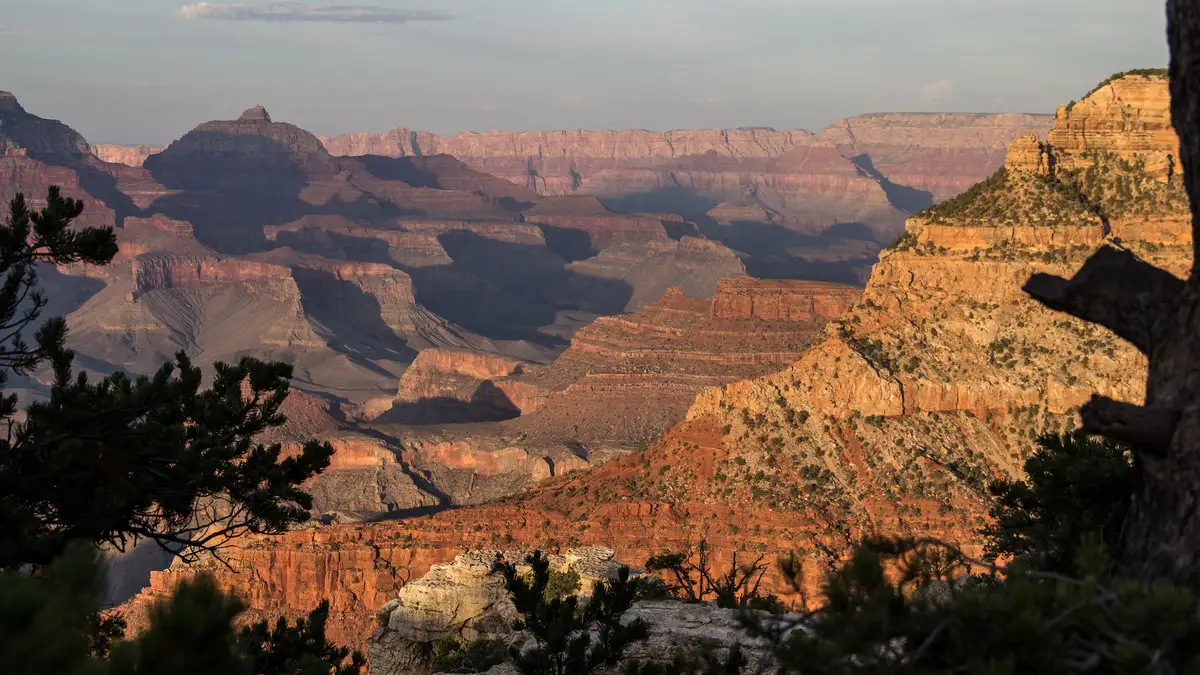
If you can visit only one place in Arizona, go to the Grand Canyon. That is the clear verdict of this guide. No other stop in the state matches its scale. No other view stays with you in quite the same way. Still, the best trip is rarely a single stop. So this guide also ranks the strongest runners-up by traveller type.
First, a quick promise about how this ranking works. Places earn their spot for a clear reason. Each pick suits a different kind of trip. Each section also names the honest downside. As a result, you can choose fast and choose well.
The Short Answer: The Grand Canyon Wins
The best place to visit in Arizona is the Grand Canyon, and the Grand Canyon South Rim is the best place to start. The South Rim stays open all year. Viewpoints here offer the widest choice in the park. Visitor services are also the most complete. Therefore, this rim works for almost every traveller.
Size alone does not explain the win. Depth and colour matter just as much. The canyon drops more than a mile in places. Layered rock shifts from red to gold through the day. Consequently, the same viewpoint never looks the same twice.
For best places to visit in Arizona for first time visitors, nothing else comes close. Other states have fine canyons and fine deserts. However, this one place defines the state for the whole world. It regularly anchors lists of the best places to visit in the USA for good reason. In short, see the canyon first. Then build the rest of your trip around it.
Why the Grand Canyon Beats Everywhere Else
Three strengths set the canyon apart. First, the South Rim suits every fitness level. You can walk the flat Rim Trail between viewpoints. You can also hike below the rim for a harder day. So beginners and strong hikers both get a full experience.
Second, the canyon rewards short visits and long ones alike. A few hours cover the classic viewpoints near the village. Two days let you add sunrise and sunset. Three days open up longer trails and the quieter east drive. Therefore, the canyon fits almost any schedule.
Third, the setting feels complete on its own. Historic lodges sit right near the rim. Shuttle buses link the main viewpoints without a car. As a result, you spend time looking, not driving. Fans of top outdoor places to visit in the US will feel at home here.
What should you do on the South Rim?
Start at Mather Point for the classic first view. Then walk west along the Rim Trail at your own pace. Stop often, because each bend changes the angle. Later, ride the shuttle toward Hermits Rest for quieter stops. Finally, stay for sunset if you can. The light at that hour is the canyon at its best.
Hikers should still respect the place. Trails below the rim are steep and dry. Rangers warn visitors not to hike to the river and back in one day. So carry water, start early, and turn back on time.
Where to stay in Arizona for Grand Canyon trips?
Your base changes the whole trip, so choose it with care. Lodges inside the park put you steps from the rim. However, they book up early, especially in spring and fall. Book ahead through the official park channels. Check the park site for current fees and rules before you go.
Tusayan, just outside the south entrance, is the next closest option. It suits drivers who want an easy early start. Williams and Flagstaff sit farther south, yet both work well. They offer more rooms and more restaurants. Still, they add a longer drive each day. For most people, one or two nights near the rim is the sweet spot for where to stay in Arizona for Grand Canyon visits.
The Honest Trade-Offs of the Winner
The canyon is not perfect, and you should know why. Crowds gather at the South Rim in peak season. Parking near the village can fill by mid-morning. Therefore, arrive early or use the shuttle buses. Early starts also give you softer light and cooler air.
Weather is the second trade-off. The rim sits at high elevation, so winters can bring snow. Summer afternoons can still feel hot below the rim. Meanwhile, the North Rim is quieter and cooler. However, it is seasonal and far harder to reach. Most first trips should stick to the South Rim. Save the North Rim for a return visit.
Cost is the final point to plan for. Rim lodges and guided trips add up fast. Yet the core experience costs very little. Viewpoints and rim walks are the heart of the visit. So a modest budget still buys a great trip. In short, the downsides are real but manageable. None of them overturns the verdict.
Best for Scenery and Slow Travel: Sedona
Sedona is the strongest runner-up in Arizona. The famous Sedona Arizona red rocks glow at sunrise and sunset. Cathedral Rock and Bell Rock rise right beside town. Trails begin almost from the main streets. As a result, great scenery needs almost no driving here.
Sedona suits travellers who like to slow down. Art galleries line the shopping villages. Spa resorts offer desert-inspired treatments and quiet pools. Many visitors also come for the well-known vortex sites.
The trade-off is price and traffic. Sedona is one of the priciest bases in the state. Popular trailhead car parks fill early on weekends. Still, weekdays feel calmer and cheaper. Book rooms ahead in spring and fall. Then start hikes early to beat both heat and crowds.
How does Sedona compare with the canyon? The canyon wins on sheer wonder and scale. Sedona wins on comfort and daily ease. You sleep, eat, and hike in one compact place. Consequently, many travellers pair the two. They spend two nights in Sedona, then drive north to the rim. That pairing is hard to beat.
Best for City Comfort and Winter Sun: Phoenix and Scottsdale
Phoenix and Scottsdale win for easy city breaks. Big resorts, golf courses, and warm pools fill both cities. The Desert Botanical Garden shows the Sonoran Desert at its best. The Heard Museum gives Indigenous art the depth it deserves. Meanwhile, Old Town Scottsdale adds galleries, dining, and nightlife.
Phoenix and Scottsdale winter sun is the main draw. Winter days are mild and bright here. That weather suits golf, patio dining, and gentle desert walks. Families get an easy base with big pools and short drives. Our guide to places to visit in Phoenix, Arizona with family for leisure and recreation covers the family picks in detail.
Summer changes the picture completely. Heat in the low desert can be extreme by midday. So plan outdoor time for early morning or evening. Pools and museums fill the hot middle of the day. In contrast, winter and early spring feel close to perfect. If your dates are fixed in summer, choose the high country instead.
Best for Food, Culture and Desert Life: Tucson
Tucson offers the richest mix of food and culture. The city holds a UNESCO City of Gastronomy title. Its cooking blends Indigenous, Mexican, and border traditions. As a result, meals feel like part of the sightseeing.
The desert around Tucson is just as strong. The Tucson Saguaro National Park pairing is a classic for a reason. Giant saguaro cacti cover the hills on both sides of town. The Arizona-Sonora Desert Museum mixes a zoo, gardens, and a museum outdoors. Mission San Xavier del Bac adds striking historic architecture nearby. Together, these stops fill two full and varied days.
Tucson also costs less than Sedona or Scottsdale. Rooms and meals are usually easier on the budget. The pace feels local rather than resort-driven. However, the city sits in the far south of the state. It pairs poorly with the Grand Canyon on a short trip. So treat Tucson as its own trip, or add it to a longer southern loop. Desert fans can also compare it with the best place to visit in Joshua Tree across the state line.
Best for Cool Air and Dark Skies: Flagstaff
Flagstaff is Arizona with pine trees and mountain air. The town sits at high elevation below the San Francisco Peaks. Summer days stay far cooler than in Phoenix. Winter brings snow and a small ski scene. Therefore, Flagstaff is the natural summer escape in the north.
Flagstaff dark sky stargazing is a highlight in its own right. Flagstaff was the world’s first International Dark Sky City. Lowell Observatory runs public evening programmes above town. Clear, dry air makes the stars feel close. In fact, many visitors rate the night sky as their trip highlight.
Flagstaff also works as a practical base. The Grand Canyon South Rim is an easy day trip from here. Still, nights at the rim itself feel more special. So use Flagstaff for flexibility, not for rim sunrises. Stay here if you want one base for several northern stops.
Best for Photographers: Antelope Canyon and Page
Page is a small town with outsized scenery. An Antelope Canyon and Horseshoe Bend tour day here suits photographers perfectly. Antelope Canyon’s smooth walls twist into waves of orange light. Horseshoe Bend curves far below its cliff-edge viewpoint. Lake Powell adds blue water between red cliffs. Few places pack so much colour into one day.
You must plan this stop properly, though. Antelope Canyon is on Navajo land. You can visit only on a guided tour with an authorised operator. Book ahead, because popular time slots sell out fast. Check tour details and current rules before you travel. Similarly, Horseshoe Bend needs care at the edge. Stay behind railings where they are provided.
Page works best as one night on a northern loop. It sits between the Grand Canyon and Monument Valley. So it breaks a long drive into easy stages. In short, photographers should not skip Page. Everyone else should still give it a day.
Best for Film Landscapes and Navajo Culture: Monument Valley
Monument Valley Navajo Tribal Park is the Arizona of classic western films. Huge sandstone buttes rise from a flat desert floor. The view from the highway is famous worldwide. Yet the valley rewards those who stop and stay. Guided tours reach places that self-drivers cannot.
Book a Navajo-guided tour for the full picture. Guides share stories, history, and cultural context. They also reach restricted backcountry areas and arches. Respect all tribal rules while you visit. Photography rules and access can differ by area. So follow your guide’s advice at all times.
The trade-off here is distance. Monument Valley sits in the far northeast corner. It needs a dedicated drive and at least one night nearby. However, that remoteness is part of the appeal. Crowds stay low, and the silence feels vast. Pair it with Page for a strong northern road trip. Together, they make the best second week of an Arizona trip.
Head to Head: How the Top Picks Compare
Most guides list places but never compare them. That gap makes planning harder than it should be. So here is the honest comparison in one place. The canyon wins on wonder, but not on everything. Sedona wins on ease, while Tucson wins on food. Your best pick depends on your trip.
- Best first trip: Grand Canyon South Rim, because it delivers the classic Arizona moment with the least risk.
- Best base for comfort: Sedona, because scenery, dining, and lodging sit close together.
- Best value: Tucson, because rooms, food, and desert parks cost less than the resort towns.
- Best in summer: Flagstaff, because high elevation keeps days pleasant for hiking.
- Best in winter: Phoenix and Scottsdale, because warm days suit golf, pools, and patios.
- Best for photos: Page, because Antelope Canyon and Horseshoe Bend sit minutes apart.
- Best for culture: Tucson and Monument Valley, because food heritage and Navajo culture lead the experience.
One pattern stands out from that list. No runner-up beats the canyon at its own game. Each one wins a different category instead. Therefore, first trips should start at the rim. Return trips can then go deeper into one region. That order keeps every trip feeling fresh.
How Many Days Do You Need in Arizona?
A good Arizona road trip itinerary depends on your days. Three days cover the canyon and Sedona alone. That short plan still feels full and rewarding. Five days add Flagstaff or Page with ease. A week lets you build a proper northern loop.
Here is a simple seven-day shape that works well. Start with two nights near the Grand Canyon. Then drive to Page for one night of canyon light. Next, add Monument Valley for one quiet night. After that, drop down to Sedona for two slower nights. Finally, end in Phoenix for an easy flight home. This loop ranks among the most beautiful places in Arizona in a single week.
Ten days open up the south as well. Add Tucson for food and saguaro country. Add a night in Bisbee or Tombstone for Old West history. Still, do not rush the north to fit the south. Arizona is bigger than it looks on a map. Fewer bases almost always mean a better trip.
When Is the Best Time to Visit Arizona?
Spring and fall suit most of the state best. March to May brings mild desert days and wildflowers in good years. September to November cools the desert again. Hiking feels comfortable almost everywhere then. Consequently, these seasons book up fastest. Reserve rooms and tours early for those months.
Summer splits the state in two. Low desert cities bake in serious heat. High places like Flagstaff and the canyon rims stay pleasant. The smartest places to visit in Arizona in summer sit high above the desert floor. So summer trips should favour elevation and early starts. Our roundup of best places to visit in AZ in the summer helps you pick cooler stops. Monsoon storms can also arrive in mid to late summer. Check forecasts and avoid narrow canyons during storm warnings.
Winter flips the logic again. Phoenix, Scottsdale, and Tucson enjoy their finest weather. They earn their place among the best places to visit in Arizona in winter easily. Lists of the best places to visit in December in the US often include them for that reason. Meanwhile, the canyon rim can be snowy and magical. Fall fans should also see the best places to visit in the US for fall for wider ideas.
How to Choose Your Arizona Base
Start with your main goal, not with hotel deals. First trips belong at the Grand Canyon. Photography trips need Page on the route. Food lovers should give Tucson real time. Families often do best with one resort base. The best Arizona destinations for families mix pools, easy walks, and short drives.
Then check your season before you book. Summer heat rules out long low-desert hikes. Winter snow can slow northern roads. Spring and fall forgive almost any plan. In fact, season matters more in Arizona than in most states. Elevation changes everything within a two-hour drive.
Finally, think about driving distances honestly. Arizona rewards road trips, yet distances are long. One base per region beats a new hotel nightly. You will see more and drive less. When you compare Arizona with wider trips, our guide to what are the best places to visit in North America puts the state in context. The canyon holds its own against that whole list. That is exactly why it wins here too.
Frequently Asked Questions
What is the number one place to visit in Arizona?
The Grand Canyon is the number one place. Its South Rim gives the classic views and the best services. It suits first trips, short trips, and family trips. No other Arizona place matches its scale. So start there, then add Sedona or Page.
Is Sedona or the Grand Canyon better?
The Grand Canyon is better for a first visit. Its scale and fame are unmatched anywhere. Sedona is better for comfort and slow days. It has stronger dining, spas, and lodging in one place. Ideally, visit both on the same trip. They sit only a few hours apart.
How many days do you need at the Grand Canyon?
One full day covers the main South Rim viewpoints. Two days feel far more relaxed and complete. That pace adds sunrise, sunset, and a hike below the rim. Longer stays suit keen hikers and photographers. Most visitors leave happy after two nights nearby.
What is the best month to visit Arizona?
April and October are hard to beat statewide. Desert days stay warm without extreme heat. Northern trails and viewpoints feel pleasant too. March and November are close seconds for value. Book early, because these months fill fast.
Can you visit Antelope Canyon without a tour?
No, you cannot visit Antelope Canyon alone. The canyon sits on Navajo land near Page. Authorised guided tours are the only way in. Book ahead through an official operator. Check current rules and meeting points before you go.
Which Arizona national parks to visit first?
Start with the Grand Canyon above all others. Then add Saguaro near Tucson for classic desert scenery. Petrified Forest suits road trippers crossing the east. Those three Arizona national parks to visit show the state’s full range. Each one protects a completely different landscape.
Arizona makes choosing hard in the best way. Every region offers a different desert, mountain, or canyon. Yet the verdict stays simple for a first trip. Stand on the South Rim and look out. Then let Sedona, Tucson, or Page win your second trip. The state will happily bring you back.



