
Some towns own one famous sight. Jinja, by contrast, owns the start of a legend. Here, Lake Victoria spills into the River Nile and begins a journey of thousands of kilometres to the sea. So the best places to visit in Jinja Uganda mix real history with serious adventure.
That balance shapes the best things to do in Jinja. You can chase Grade 5 white water in the morning, for instance. Then you can drift past fishermen on a quiet cruise by evening. Because the distances stay short, both moods fit easily inside one relaxed day.
In fact, few stops belong on a world list as naturally as this one. Our round-up of the 15 places to visit in the world shows how rare such river origins are. Jinja, however, lets you stand at one and then ride it. Few famous places offer that double thrill.
Why does Jinja hold such a special place in Africa?
Firstly, the geography alone sets Jinja apart from other Ugandan towns. The Nile leaves Lake Victoria here and flows north through Uganda and beyond. As a result, the town guards the symbolic source of the longest river on Earth. That fact still draws travellers from every continent.
Secondly, history adds real weight to the scenery here. Explorer John Hanning Speke reached this shore in 1862 and identified the outflow. His claim settled a long and famous geographical debate. Today, a monument above the gardens still marks his visit.
Finally, the adventure scene grew naturally from the river itself. Powerful rapids form just downstream of the lake outlet. Calm channels, islands and forests sit close beside them. Because everything clusters together, Jinja adventure activities suit thrill seekers and slow travellers equally well.
Source of the Nile: where the great river begins
The source of the Nile is the one stop nobody should skip. Gardens step down through palms and flowering trees towards the water. At the bottom, boats wait to carry you onto the lake. Then the guide points out the exact spot where the river begins.
Out on the water, the change feels surprisingly clear and calm. Lake water stretches wide and still behind your boat. Ahead, the current narrows and starts to pull northwards. Fishermen cast nets nearby, while kingfishers flash along the reed beds. So the moment feels peaceful rather than grand.
Before you leave, climb up to the Speke Monument for the view. From there, the gardens, the lake and the young river fit into one frame. Signs around the site explain the old search for the source. That context, in turn, makes the simple boat ride feel far richer.
White water rafting: Jinja’s famous Grade 5 rapids
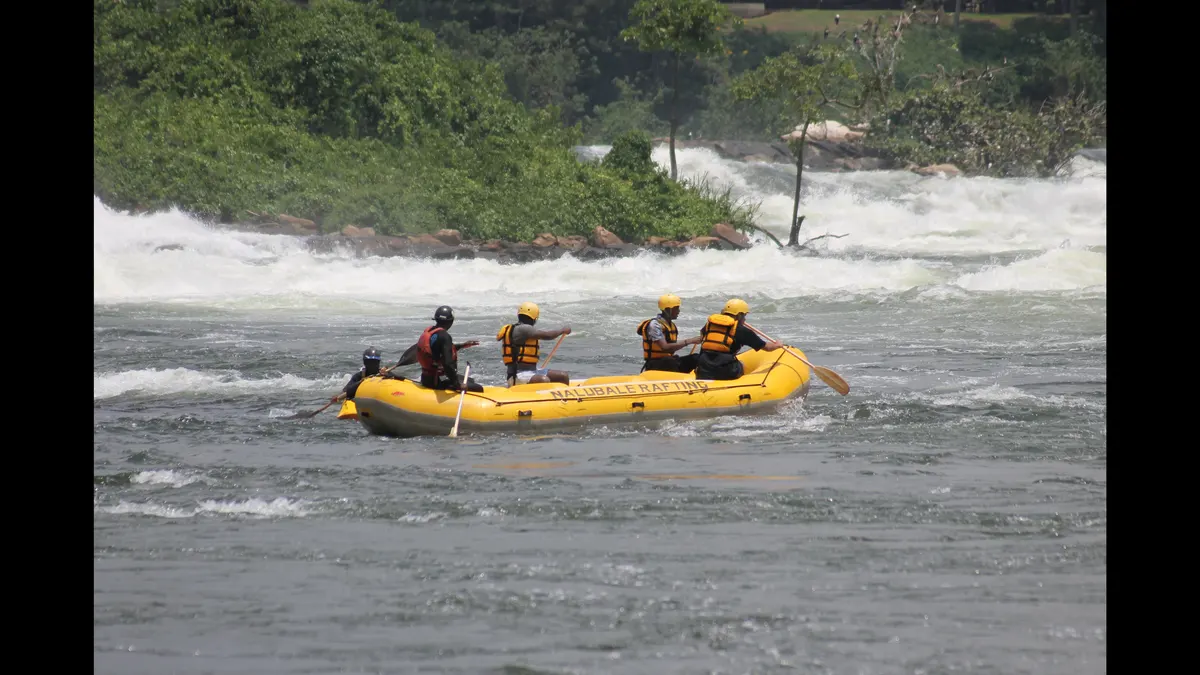
For many visitors, white water rafting in Jinja is the whole reason for coming. The young Nile drops through a staircase of powerful rapids here. Some sections reach Grade 5, the highest grade run commercially. As a result, the white water rafting Jinja offers ranks among the finest anywhere.
Trips usually run as full days or shorter half days. Firstly, guides fit your helmet and life jacket at the base. Secondly, they teach paddle commands and rescue basics on calm water. Only then does the raft turn towards the first big rapid.
Safety, understandably, shapes every decision on these trips. Reputable operators run safety kayakers beside each raft throughout the day. They also offer gentler Grade 3 routes for families and cautious beginners. Before booking, ask which rapids the day includes and which it avoids.
Fans of river adventure often compare Jinja with overseas classics. Our guide to the best adventure places to visit in USA covers famous American white water in detail. Jinja, however, adds warm water and a legendary river name. That combination, frankly, is very hard to beat.
Bujagali Falls area: Jinja’s riverside adventure hub
Bujagali Falls once thundered as a wide and foaming cascade. A hydroelectric dam upstream later calmed much of that famous flow. Yet the Bujagali area remains a lively and much loved riverside hub. Travellers still gather here for views, swims and outdoor fun.
Secondly, Bujagali holds deep spiritual meaning for the Busoga people. Traditional custodians long treated these waters with real reverence. Guides explain those beliefs with pride when you ask respectfully. As a result, the stop teaches culture as well as scenery.
Today, the area works best as a base for activities. Tubing groups launch from its calmer edges, for example. Quad and cycle trails also start near the riverside lodges here. So pair Bujagali with an activity rather than treating it as a quick photo.
Itanda Falls: the wildest water on this stretch
Itanda Falls is not a gentle waterfall you admire from a railing. Instead, it is a long, roaring staircase of broken white water. Kayakers and rafters rate it among the strongest rapids on the Nile. Even watching Itanda Falls from the bank raises your pulse.
From the viewing areas, the scale becomes properly clear. Waves fold over hidden rocks and explode into white spray. Safety kayakers pick careful lines through the chaos below. Photographers, meanwhile, can fill a memory card without boarding any raft.
Busowoko Falls: a calmer cascade downstream
Busowoko Falls offers a softer counterpoint to Itanda’s fury. Here the Nile squeezes through rock and drops in bright sheets. Local visitors love the spot for picnics and paddle sessions. So Busowoko Falls feels social, sunny and refreshingly local.
Firstly, the approach takes you through small riverside communities. Guides from the village usually lead the short walk to the water. Their stories connect the falls to daily fishing and farming life. That local voice, in turn, makes the visit feel personal.
Tubing the Nile and gentle river fun
Not every Nile memory needs a racing heartbeat. Tubing the Nile swaps rapids for a slow and social drift. You float in a sturdy tube, feet trailing in warm water. Meanwhile, the banks slide past in a ribbon of green.
Firstly, tubing suits groups who want easy shared laughter. Friends link tubes, swap stories and watch pied kingfishers hunt overhead. Guides in kayaks steer the little flotilla through safe channels. As a result, even non swimmers usually relax once the float begins.
Kayaking fills the gap between tubing and full rafting. Beginners can paddle flat water near the source with an instructor. Experienced paddlers, meanwhile, train on the bigger features downstream. So the river truly offers a level for every confidence and skill.
Readers who love wild water abroad plan trips around it too. Our list of the top outdoor places to visit in the US shows that same spirit clearly. Jinja matches it, though, with warmer water and far fewer crowds. That relaxed scale keeps the whole day feeling personal.
Quad biking and horse riding along the Nile
Land adventures deserve equal billing in any Jinja plan. The quad biking Jinja operators run follows village tracks beside the river. Routes pass farms, schools and small trading centres. So a quad safari shows everyday Uganda, not just tourist scenery.
Firstly, no licence or experience is needed for most quad outings. Instructors give a practice loop before the real trail starts. Then the group rides out in single file behind a guide. Short one hour rides suit beginners, while longer safaris reward the curious.
Horse riding offers the same countryside at a gentler pace. The horse riding along the Nile trails wind through villages and sugarcane. Horses stay calm and well matched to each rider’s level. As a result, families and first time riders often choose this outing.
Boat cruises, sunset trips and the Lake Victoria shoreline
Water slows down beautifully once you leave the rapids behind. Boat cruises explore the source area, nearby islands and quiet channels. Some trips focus on birdlife, while others simply chase good light. Either way, a Nile boat cruise belongs on every Jinja itinerary.
The sunset cruise Jinja travellers praise most departs in late afternoon. Firstly, the boat drifts past fishing villages waking for evening work. Secondly, the sky builds colour over the Lake Victoria shoreline slowly. Then the sun drops, and the whole river turns copper and gold.
Back on land, the Lake Victoria shoreline invites slow wandering. Small beaches and lakeside gardens dot the edges of town. Some travellers compare such shores with our guide to the best places to visit in the world with beaches for trip ideas. Jinja’s shores, though, feel working and local rather than resort polished.
Jinja town, Main Street and the Nile Bridge
Give the town itself a proper morning, not just a drive through. Jinja town grew as a railway and industrial centre under colonial rule. Grand old buildings still line its broad and leafy streets. Many now hold cafés, craft shops and small family hotels.
Main Street is the natural place to start your walk. Firstly, look up at the carved balconies and faded painted signs. Secondly, step into the central market for fruit, fabrics and street snacks. The famous Ugandan rolex, a chapati wrapped around eggs, makes a perfect walking breakfast.
Colonial era architecture gives the centre its gentle, faded charm. Asian trading families built many of the finest shop houses here. Their designs mix verandas, arches and practical shaded walkways. As a result, Jinja rewards anyone who explores slowly and looks closely.
Then walk or ride out towards the Jinja Nile Bridge. This modern cable stayed bridge carries the highway across the river. Its clean white silhouette has become a symbol of the town. Photographers love it most at dawn and again at sunset.
Mabira Forest: a green escape on the Kampala road
Mabira Forest waits beside the highway between Kampala and Jinja. This large, ancient rainforest makes an easy stop on the drive. Towering trees close overhead, and the air turns cool and earthy. So Mabira Forest resets your senses before the river adventures begin.
Firstly, the forest trails suit almost every fitness level. Guided walks reveal medicinal plants, butterflies and shy forest monkeys. Birders rate the forest highly for special central African species. Meanwhile, the canopy zip line sends braver visitors gliding between giant trees.
Secondly, Mabira works perfectly within a Jinja day trip from Kampala. You can walk the forest in the morning and reach Jinja by lunch. Alternatively, stop on the return drive when energy dips. Either timing breaks the highway journey in the best possible way.
Nature lovers often pair forests with mountain parks abroad. Our guide to the places to visit in Yoho National Park celebrates that same deep green calm. Mabira, however, adds equatorial birdsong and year round warmth. The contrast makes both landscapes feel even more special.
Ssezibwa Falls: a cultural excursion near Jinja
Ssezibwa Falls lies west of Jinja, along the Kampala road corridor. The river splits around a wooded island and falls over dark rocks. Tall trees and cool spray surround the small viewing areas. So Ssezibwa Falls feels like a hidden shrine in the forest.
The falls carry strong cultural meaning for the Baganda people. Traditional stories explain the river’s twin streams through local legend. Cultural custodians still visit for ceremonies and quiet prayer. Visitors, in turn, should dress modestly and follow their guide’s lead.
As an excursion, Ssezibwa pairs naturally with Mabira Forest. Both stops sit along the same road from Kampala. A morning at the falls, then lunch, then a forest walk works beautifully. As a result, the transfer day becomes a sightseeing day in itself.
How do you get to Jinja from Kampala and Entebbe?
Most visitors reach Jinja by road from Kampala, Uganda’s capital. The highway runs east through Mabira Forest and busy roadside markets. The distance is roughly eighty kilometres, yet traffic decides the timing. So allow two to three hours for the drive in practice.
From Entebbe, the journey starts at the international airport. Private transfers drive through or around Kampala towards Jinja. That longer trip commonly takes three to four hours overall. As a result, many travellers overnight in Kampala or head straight through.
Once in Jinja, getting around stays simple and cheap. Motorcycle taxis, called boda bodas, cover short hops across town. Walking works well around Main Street and the source gardens. Finally, most activity operators collect guests from central hotels directly.
What is the best time to visit Jinja?
The best time to visit Jinja falls in the drier months. Uganda has two main dry seasons each year, roughly speaking. The first runs from around December to February. The second, longer window runs from about June to September.
During dry weeks, trails stay firm and roads run smoothly. Rafting still operates, because Lake Victoria feeds the river steadily. Skies also favour sunset cruises and bridge photography. So the best time to visit Jinja suits almost every activity equally.
Rainy months, by contrast, bring lush green scenery and fewer visitors. Showers often arrive as short and dramatic afternoon bursts. Prices for rooms can soften outside the busiest weeks. Still, muddy tracks may slow quad biking and forest walks slightly.
How much does a Jinja trip cost?
Honest ranges help more than suspiciously exact price lists here. Prices change with season, group size and operator quality. Use the figures below as planning guides, not fixed quotes. Then confirm current rates directly before you travel or book.
Firstly, white water rafting usually sits at the premium end. Full day trips commonly fall in a broad mid range per person. Half day trips cost less, while kayaking lessons vary by duration. Reputable pricing normally includes gear, guides, transport and a riverside meal.
Secondly, gentler activities cost noticeably less per outing. Tubing, boat cruises and horse rides sit in a lower range. Quad biking prices climb with each extra hour on the trail. Entry to the source gardens, meanwhile, stays a small and affordable fee.
Travellers comparing budgets worldwide will enjoy our guide to what are the cheapest places to visit around the globe. Jinja competes well, because food, transport and guiding stay reasonably priced. A day trip can stay modest, while a lodge weekend can stretch comfortably.
Is Jinja safe and what should you pack?
Jinja is generally welcoming, and visitors explore it without major trouble. Normal city awareness still applies in markets and busy streets. Keep valuables secure and avoid flashing large amounts of cash. Then the town’s relaxed rhythm quickly puts you at ease.
On the river, safety depends on choosing your operator carefully. Book established companies with trained guides and proper safety teams. Listen closely during briefings and wear every item of provided gear. As a result, even Grade 5 rafting stays controlled and professional.
Health basics matter in this lakeside setting too. Firstly, use insect repellent, especially around dawn and dusk. Secondly, ask your doctor about malaria prevention before travelling. Finally, drink treated or bottled water throughout your stay.
Packing stays simple for Jinja’s warm and active days. Bring quick dry clothes, swimwear, sunscreen and a dry bag. Add a light rain jacket for sudden equatorial showers. Then pack one modest outfit for cultural stops like Ssezibwa Falls.
How many days do you need in Jinja?
One full day covers the headline sights at a brisk pace. You can visit the source, raft or cruise, and walk Main Street. Many travellers manage this as a Jinja day trip from Kampala. Still, the early start and late return make a long day.
Two days, by contrast, transform the whole experience. Day one can cover the source, town sights and a sunset cruise. Day two then belongs to rafting, tubing or quad biking. As a result, nothing feels rushed and every mood gets its moment.
Adventure capitals worldwide share that same unhurried lesson, in fact. Our guide to the best places to visit in Latin America shows similar river towns thriving slowly. Jinja belongs in that company, quietly and completely. Give it time, and it gives back far more.
Frequently asked questions about Jinja
What is Jinja most famous for?
Jinja is most famous as the source of the Nile. Lake Victoria flows out here and starts the great river’s journey north. The town also leads East Africa for white water rafting. So history and adventure share one small, friendly town.
Can you visit Jinja as a day trip from Kampala?
Yes, a Jinja day trip from Kampala is very popular. The drive takes roughly two to three hours each way. Most day trips combine the source, a boat ride and lunch. However, an overnight stay makes the experience far more relaxed.
Is white water rafting in Jinja safe for beginners?
Beginners raft these rapids safely with established operators every week. Guides give full training, and safety kayakers escort every raft. Gentler routes avoid the biggest Grade 5 features on request. So honest confidence, not experience, is the main requirement.
What is the best time to visit Jinja for rafting?
Rafting runs all year, because the lake feeds the river steadily. Dry season months bring easier roads and sunnier riverbanks, though. Many travellers therefore choose December to February or June to September. Still, greener months offer quieter rafts and lower lodge prices.
How many days should you spend in Jinja?
Two days suit most visitors best in Jinja. That timing covers the source, town sights and one big activity. Three days add the falls circuit and Mabira Forest comfortably. Even one day, however, delivers a memorable taste of the Nile.
What should you combine with a Jinja trip?
Combine Jinja with Mabira Forest and Ssezibwa Falls on the road. Both stops sit along the Kampala highway and need little detour. Together they add forest, culture and legend to the river story. As a result, the journey itself becomes part of the holiday.
Jinja begins a river that shaped civilisations, yet it stays humble. You arrive for rapids and leave remembering sunsets, markets and mist. That is the real magic of the best places to visit in Jinja Uganda. Few towns anywhere start a story this big, this gently.



