
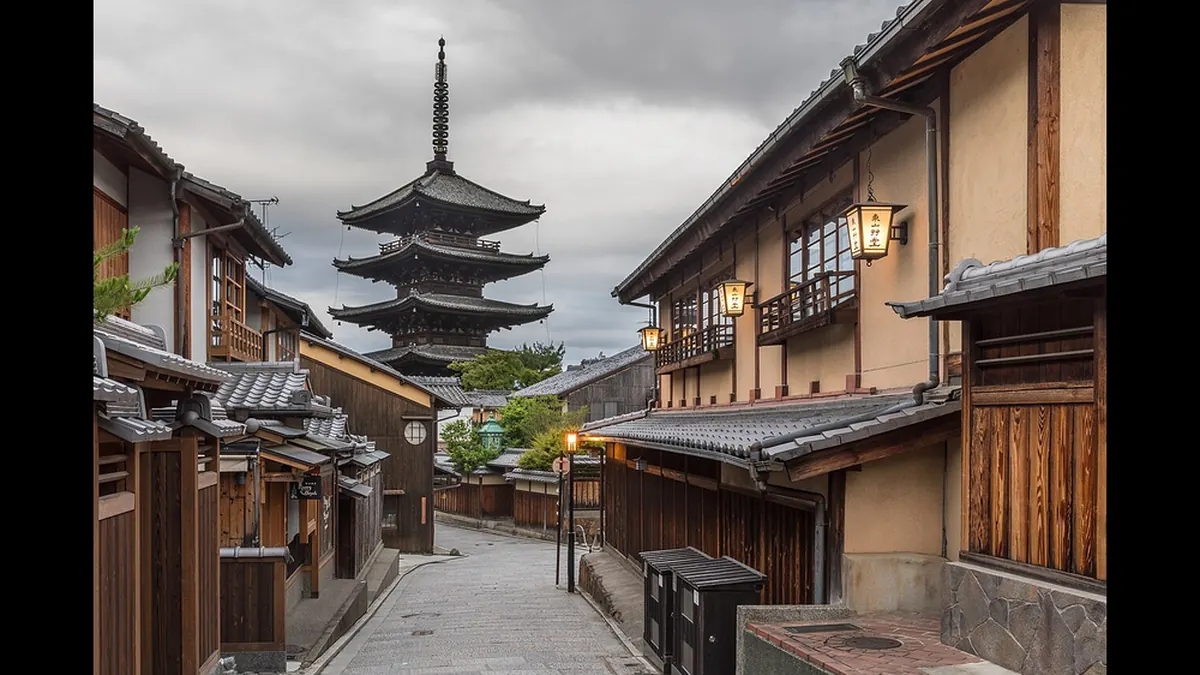
Kyoto in summer is hot, humid, and completely unforgettable. Temples glow deep green, festivals fill the streets, and rivers become dining rooms. Still, this season rewards people who plan around the heat. So this guide works differently from a normal sightseeing list. It pairs each place with the right hour to visit it.
Indeed, timing changes everything here. Dawn belongs to shrines and bamboo groves. Midday belongs to museums, markets, and shaved ice. Evenings, meanwhile, belong to rivers, lanterns, and festival streets. Once you accept that rhythm, the city feels generous again.
Below you will find the best places to visit in Kyoto during summer, plus honest survival advice. You will also find two great festivals, three mountain escapes, and one very cold dessert. For a year-round overview, start with our guide to the top 15 places to visit in Kyoto afterwards.
What Is Kyoto Summer Weather Really Like?
Kyoto summer weather is famous for one simple reason. The city sits in a basin, surrounded by mountains on most sides. Heat and humidity settle there, and then they linger all day. In fact, locals have complained about this steamy basin climate for centuries.
June usually opens with the rainy season. Showers arrive often, skies stay grey, and hydrangeas bloom beautifully in the damp air. July then turns hotter and brighter. August, by contrast, often brings the fiercest heat of the whole year.
Still, summer also brings gifts that other seasons cannot match. Gardens look lush and almost tropical. Cicadas sing from every tree. Festival drums echo through warm streets at night. Because of that energy, many visitors remember summer Kyoto most vividly.
How Should You Plan a Summer Day in Kyoto?
First, split your day into three clear blocks. Sightsee outdoors early, ideally before ten in the morning. Rest indoors during the fierce middle hours. Then head back outside after five, when the light softens.
That simple pattern shapes every recommendation in this guide. Early temples appear first, and shaded escapes follow them. River dinners and evening walks come later, as they should. So the order below is deliberate, not random.
Admittedly, this rhythm asks for earlier alarms on holiday. Yet the payoff is huge. You get quiet shrines, softer light, and far shorter queues. Besides, an afternoon nap in cool air-conditioning feels like a reward, not a defeat.
Start at Dawn at Fushimi Inari Taisha
A Fushimi Inari early morning visit is the smartest move in summer Kyoto. Thousands of vermilion torii gates climb Mount Inari here. At dawn, the paths sit cool, shaded, and almost empty. Cats sometimes outnumber people on the lower steps.
The shrine grounds stay open around the clock, so early entry is easy. Most visitors only walk the first famous gate tunnels. Keen walkers, however, can continue uphill for city views and quieter forest trails. Either way, carry water, because the climb warms you quickly.
Later, the same paths fill with slow crowds and strong sun. Photos then take patience, and the steps feel twice as steep. So go early, descend by nine, and enjoy breakfast nearby. That one decision sets up your whole day beautifully.
Walk Arashiyama Before the Heat Builds
Arashiyama in summer looks lush, green, and slightly wild. Bamboo stalks tower overhead in the famous grove. They creak and sway in the breeze, and the shade feels instantly cooler. Early light filtering through them is genuinely beautiful.
Arrive before nine for the calmest experience. The grove itself is short, so pair it with nearby Tenryu-ji Temple and its garden. Alternatively, walk down to the Hozugawa River and watch boats drift past. The riverside breeze helps on sticky mornings.
By midday, tour groups fill the main street and the grove path. Ice cream queues grow, and the magic thins out. Instead, treat Arashiyama as a morning base, then leave happily. Nearby Sagano has quiet lanes and small temples for slower explorers.
Chase Hydrangeas During June
Early summer brings one gentle compensation for the rain. Hydrangea season in Kyoto turns temple gardens blue, purple, and pink. Wet paths shine, moss deepens in colour, and crowds stay small. Photographers, understandably, love this short and dreamy window.
Mimuroto-ji in Uji is the best-known hydrangea temple. Its garden holds thousands of bushes in many varieties. Meanwhile, Sanzen-in in Ohara offers hydrangeas beside moss gardens and tall cedars. That village setting feels cooler and calmer than central Kyoto.
Rain actually improves these visits, surprisingly. Colours deepen, petals hold sparkling droplets, and the air smells of wet earth. So pack a light rain jacket and waterproof shoes. Then enjoy gardens that fair-weather visitors never see at their best.
Hide From the Midday Heat Indoors
Smart travellers plan indoor hours, not just indoor places. Nishiki Market is a perfect midday stop in central Kyoto. Its covered arcade runs for several blocks, packed with food stalls. You can graze on tamagoyaki, tofu doughnuts, and pickles as you wander.
Museums offer a deeper kind of cool. The Kyoto National Museum and the Museum of Kyoto suit culture lovers. Families, meanwhile, often prefer the Kyoto Railway Museum or the aquarium. Each one gives you two or three comfortable, air-conditioned hours.
Tea houses provide the calmest escape of all. A bowl of whisked matcha in a quiet tatami room resets you completely. Similarly, a traditional sweet beside it slows the afternoon down. Book popular tea ceremonies ahead, because small rooms fill quickly.
Cool Down With Kakigori and Matcha Breaks
Few treats beat kakigori shaved ice on a Kyoto afternoon. Cooks shave ice into soft snow, then pour syrup over it. Matcha, strawberry, and brown sugar versions are everywhere in summer. Some shops add sweet beans, mochi, or condensed milk on top.
Kyoto takes this dessert seriously, happily. Historic sweet shops serve elegant versions in calm, cool rooms. Cafes near Gion and Arashiyama often have seasonal specials too. So treat kakigori as a planned rest stop, not an afterthought.
Cold noodles also help at lunch. Chilled soba or somen feels light when heavy meals do not. Afterwards, a convenience store ice cream can carry you home. Small cooling rituals, repeated often, keep summer days enjoyable.
Dine Over the River at Kibune
Kibune kawadoko is the summer experience locals dream about all winter. In this small mountain village north of the city, restaurants build platforms over the river. Diners sit on tatami just above the rushing water. The air there feels noticeably cooler than downtown.
Meals often feature river fish, seasonal vegetables, and elegant kaiseki courses. Some places offer a famous playful extra, too. Guests catch flowing somen noodles sliding down a bamboo chute. Book well ahead, because kawadoko season seats sell out fast.
Pair lunch with a walk up to Kifune Shrine afterwards. Red lanterns line its stone steps through the forest. The village is reached by a scenic train and a short bus ride. Altogether, Kibune makes the finest hot-day lunch trip from Kyoto.
Spend the Evening Beside the Kamogawa River
Kamogawa river evenings are a beloved local ritual in summer. As the heat fades, people gather along the wide riverbanks near Sanjo and Shijo. Couples sit in neat, evenly spaced rows facing the water. Musicians practise, herons fish, and the sky turns soft pink.
Beside the river, Pontocho Alley glows with lanterns at dusk. Many restaurants there build raised terraces overlooking the water in summer. These riverside platforms serve dinner with a breeze included. Reserve early, and ask specifically for a terrace seat.
Best of all, this evening costs almost nothing if you skip dinner. Buy a drink and a snack from a convenience store instead. Then sit on the grass like a local. Few summer memories in Kyoto feel simpler or better.
Time Your Trip for Gion Matsuri in July
Gion Matsuri is one of the most famous Kyoto summer festivals of all. This festival of Yasaka Shrine runs for the whole month of July. Its history stretches back more than a thousand years. The celebrations began as prayers for protection from plague and disaster.
The highlights are the Yamaboko Junko float processions on 17 and 24 July. Huge wooden floats, rich with tapestries and carvings, roll through downtown streets. Teams haul them by rope and turn them at corners with wet bamboo. The skill and noise are thrilling to watch.
The evenings before each parade, called yoiyama, feel magical too. Streets close to traffic, floats glow with lanterns, and food stalls appear everywhere. Old merchant houses display family treasures in their front rooms. Arrive early, carry cash, and expect joyful crowds.
If you pair Kyoto with Osaka, plan carefully around those parade dates. Our guide to the places to visit in Osaka during summer helps you split the week sensibly. Osaka adds great food and a lively river festival of its own. Together, the two cities make a superb July trip.
Watch the Mountain Fires of Daimonji in August
Kyoto in August brings a quieter, more moving spectacle. The Daimonji festival, formally called Gozan no Okuribi, is held on 16 August. Giant bonfires are lit on five mountains around the city. The best-known fire forms a huge character on Mount Daimonji.
The fires guide ancestral spirits back after the Obon holiday period. Locals watch from rooftops, riverbanks, and bridges across the city. The Kamogawa riverbanks are a popular and free viewing area. Each mountain lights in turn, so the show unfolds gradually.
Viewing needs patience rather than tickets. Pick your spot early, bring drinks, and respect local homes nearby. Rain can delay or change the lighting, so keep expectations flexible. Even so, one glimpse of those fires stays with you for years.
Escape to the Mountains of Kurama and Ohara
When the basin heat wins, go uphill. Kurama and Ohara escapes both sit in the green mountains north of Kyoto. Forest shade, streams, and higher ground bring real relief. Temperatures there often feel a few degrees kinder than downtown.
Kurama suits walkers and temple lovers. A path climbs from Kibune over the mountain to Kurama-dera Temple. Afterwards, the village outdoor hot spring rewards tired legs, even in summer. Shorter visits work too, with just the temple and the main street.
Ohara suits slow travellers instead. This farming village is home to Sanzen-in and its moss gardens. Local shops sell pickles and shiso drinks in summer. Buses connect Ohara with central Kyoto, so the trip is easy.
Take a Day Trip to Uji for Matcha
An Uji matcha day trip is the easiest escape from the city. Uji sits a short train ride south of Kyoto. This small city is famous across Japan for top-quality green tea. Tea shops line its old main street near the river.
Start with Byodo-in, the elegant temple pictured on the ten yen coin. Then taste matcha in every form imaginable. Locals fold it into ice cream, noodles, cakes, and even savoury dishes. A formal tea bowl in a quiet tea house is the highlight.
Uji also feels breezier than Kyoto in summer. The river is wide, the streets are calmer, and lunch queues are shorter. Still, weekends get busy, so a weekday visit works best. You can return to Kyoto easily by late afternoon.
See Kyoto After Dark in Summer
Summer evenings unlock a different Kyoto. Some temples hold special evening openings and illuminations on selected dates. Gardens glow under lanterns, and bamboo paths feel mysterious after dark. Always check the current schedule, because dates change each year.
Gion is the classic night walk. Lanterns light Hanamikoji Street, and old wooden tea houses line both sides. You may glimpse a geiko or maiko heading to an evening appointment. Watch respectfully, and never block or photograph them without permission.
Yasaka Shrine also shines beautifully at night. Its stage lanterns glow, and the grounds stay lively into the evening. From there, the lanes of Higashiyama invite one last slow wander. Night sightseeing, in short, is a core summer strategy here.
How Can You Beat the Heat in Kyoto?
Learning how to beat the heat in Kyoto is mostly about respect. Heatstroke is a real risk in this basin city. So plan shade, water, and rest as seriously as sightseeing. Locals do exactly that, and visitors should copy them.
Drink water constantly, not only when you feel thirsty. Sports drinks and salt sweets help replace what sweat takes away. Convenience stores are everywhere, so restocking is easy. A small towel, wetted often, cools your neck surprisingly well.
Dress for airflow, not for photos alone. Loose cotton or linen, a hat, and sunscreen make long walks safer. Many visitors also carry a folding fan or a sun umbrella. Rental yukata look lovely for evening strolls, but choose breathable fabrics.
Finally, rest before you feel exhausted. Sit in a cafe, a temple hall, or a department store for twenty minutes. That pause prevents the headache that ruins whole afternoons. Clever pacing, ultimately, is what makes summer Kyoto fun.
A Simple Three-Day Summer Plan
Day one suits first-timers well. Start at Fushimi Inari at dawn, then rest near Kyoto Station. Spend midday in a museum, and finish beside the Kamogawa River. That single day teaches you the summer rhythm perfectly.
Day two heads west and north. Walk Arashiyama early, then enjoy kakigori and a tea break at midday. Later, ride out to Kibune for a river-platform lunch if you booked ahead. Alternatively, swap Kibune for Kurama and its mountain temple path.
Day three can flex around the season. June suits hydrangea gardens and a matcha trip to Uji. July, meanwhile, asks you to save energy for Gion Matsuri evenings downtown. For August, keep the day gentle and watch the Daimonji fires at night.
Kyoto also pairs well with wider summer routes. If your trip spans continents, compare ideas in our list of the 15 places to visit in the world for your next stop. Travellers watching costs should also read our round-up of the cheapest places to visit before booking. Both guides help you place Kyoto in a bigger, smarter itinerary.
North American summer trips offer a useful contrast, incidentally. Our guide to the places to visit in Montreal in summer shows a festival city with far cooler air. Alpine fans, meanwhile, may prefer the top places to visit in Switzerland in summer for mountain lakes. Mountain lovers can also compare the top places to visit in Colorado in summer for high-altitude hiking. Kyoto, though, wins on festivals, food, and sheer atmosphere.
Frequently Asked Questions
Is Kyoto worth visiting in summer?
Yes, Kyoto is absolutely worth visiting in summer. The heat is real, yet the festivals, gardens, and river dining are superb. With early starts and indoor middays, most visitors cope very well. Many even call it their favourite season here.
What is the hottest month in Kyoto?
August is usually the hottest month in Kyoto. July runs a close second, especially after the rainy season ends. Both months bring high humidity as well as high temperatures. So August trips need the gentlest daily pacing of all.
When is Gion Matsuri held in Kyoto?
Gion Matsuri is held throughout July every year. Its two big float processions, the Yamaboko Junko, take place on 17 and 24 July. The festive yoiyama evenings fill the nights just before each procession. Book hotels early if your trip includes those dates.
How many days do you need in Kyoto in summer?
Three full days is a good minimum in summer. That pace allows early sightseeing, proper rests, and one day trip. Four days feels even better, especially during festival weeks. Rushing Kyoto in summer heat, by contrast, rarely ends happily.
What should you wear in Kyoto in summer?
Wear loose, breathable clothes in cotton or linen. Comfortable walking shoes matter, because temple days involve many steps. A hat, sunscreen, and a small towel complete the kit. For evenings, a light layer helps in air-conditioned restaurants.
Can you visit Kyoto on a budget in summer?
Yes, you can visit Kyoto on a modest summer budget. Many shrines are free, river evenings cost nothing, and convenience stores sell cheap meals. City buses and day passes keep transport costs down too. Shoulder weeks in June often bring lower hotel prices.
Final Thoughts
The things to do in Kyoto in summer are not fewer than in spring. They are simply arranged at different hours of the day. Dawn shrines, shaded middays, river dinners, and glowing festivals form a pattern. Follow that pattern, and the season becomes an advantage.
So set the early alarm without resentment. Sip the matcha, catch the flowing noodles, and watch those mountain fires. Kyoto in summer asks a little more of you, honestly. In return, it gives you memories that cooler seasons cannot copy.



