
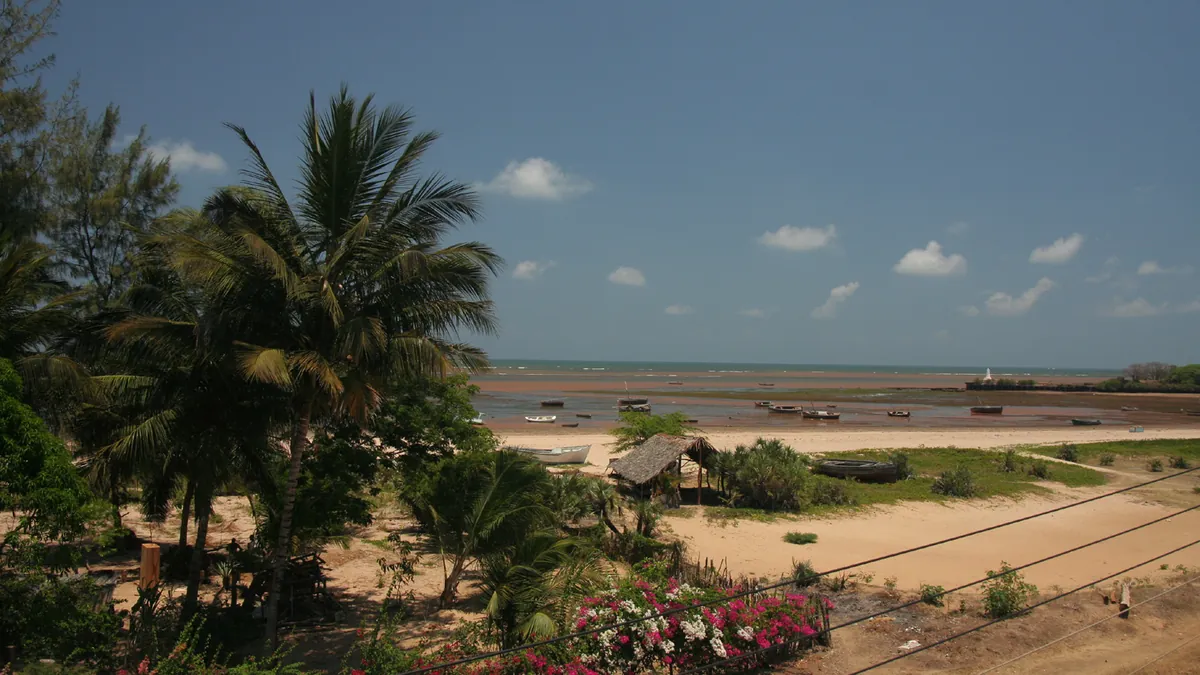
Malindi does not shout for your attention. Instead, this quiet town on Kenya’s north coast wins you over slowly. First, you notice the light on the Indian Ocean at dawn. Then the carved doors, the spice smells and the call to prayer follow.
In fact, the best places to visit in Malindi Kenya reward that slower pace. Here, a 500-year-old pillar stands a short walk from a working fishing beach. Likewise, a ruined Swahili city hides in forest just south of town. So history and beach time never compete here. Indeed, they sit side by side, and this guide follows that blend from old town to reefs, ruins, food and boats.
Why does Malindi feel different from other beach towns?
Firstly, Malindi was a trading port long before it became a resort. Swahili merchants traded here with sailors from Arabia, Persia and beyond for centuries. Consequently, the town carries layers that a purpose-built resort simply cannot fake. Those layers still shape its streets, food and daily rhythm today.
Secondly, the scale stays human and easy to grasp. Most Malindi attractions sit within town or a short drive away. Therefore, you can see a museum in the morning and swim before lunch. That ease, in turn, leaves real time for doing nothing at all.
Beach lovers often compare coasts across continents before they book. If that sounds familiar, our round-up of the best places to visit in the world with beaches puts Malindi in good company. Malindi, however, adds something rarer than sand alone. It adds a living Swahili heritage that you can walk through.
What should you see first at the Vasco da Gama Pillar?
The Vasco da Gama Pillar is the natural place to begin. Portuguese sailors erected this white coral-stone pillar on a rocky headland in 1498. Indeed, it ranks among the oldest surviving European monuments in sub-Saharan Africa. A cross still tops the pillar, and the ocean spreads out below it.
Da Gama stopped here on his first voyage towards India that year. Local accounts remember Malindi as a friendly and useful port of call. So the pillar marks a meeting point, not just a landing point. That distinction matters, because Malindi’s story started long before 1498. Visit early for softer light, then linger and watch dhows below.
How does the Malindi old town tell the longer story?
Next, walk into the Malindi old town and slow your pace right down. Narrow lanes wind between coral-stone houses, small mosques and carved wooden doors. For example, a doorway here might show Swahili, Arab and Indian influences at once. Each detail, therefore, hints at centuries of Indian Ocean trade.
The Malindi Museum then gives those hints a clear timeline. Its heritage complex displays pottery and artefacts recovered from the coast nearby. In fact, Chinese and Persian pieces prove how far Malindi’s trade links reached. So a short museum visit makes the streets outside far richer.
Guides can help you read buildings that look plain at first glance. Alternatively, simply wander, greet people and stop for spiced tea. Either way, allow the old town a relaxed half day.
Why is the Portuguese Chapel worth a quiet stop?
A short walk from the pillar stands the small Portuguese Chapel. Builders raised it in the early 1500s, during Malindi’s Portuguese period. Consequently, it counts among the oldest Christian buildings on this coast. Its whitewashed walls and simple shape feel calm after the bright seafront.
Old graves rest in the grounds, telling quiet stories about sailors far from home. So take a few reflective minutes here rather than only taking photos. Most visitors, in fact, combine the chapel, pillar and museum in one easy morning circuit.
What makes a trip to the Gedi Ruins so memorable?
South of Malindi, near the village of Gede, a lost city waits in the trees. The Gedi Ruins are the remains of a wealthy Swahili town in forest. Nobody fully agrees why its people finally left in the 1600s. That mystery, consequently, hangs over every quiet coral-stone wall.
First, you will walk shaded paths between houses, mosques and a palace complex. Then a guide will point out wells, tombs and clever ancient drainage. For example, some houses had surprisingly advanced bathrooms for their time. Such details make Gedi feel like a real town, not an abstract ruin.
Monkeys and birds share the site today. Meanwhile, huge trees push roots through walls that stood for centuries. So the atmosphere mixes archaeology with jungle. Allow two to three hours, and wear shoes with decent grip.
East Africa rewards travellers who pair coast with inland discovery. Similarly, our guide to the best places to visit in Jinja, Uganda shows another side of the region. Gedi, however, needs no adrenaline to impress you. Its silence does the work instead.
What can you do in Malindi Marine National Park?
The Malindi Marine National Park protects coral reef just offshore from town. It holds a proud place among Kenya’s oldest marine protected areas. In fact, generations of visitors have snorkelled over its coral gardens. Those gardens shelter colourful reef fish, rays and green turtles.
Glass-bottom boats suit anyone who prefers staying dry on the water. You can watch fish and coral glide past beneath your feet instead. Alternatively, snorkelling puts you right inside that underwater world. Operators usually supply masks, fins and simple guidance for beginners.
Conditions change with tides, wind and season. So ask locally about the clearest water before you book. Then follow crew advice about currents and protected areas carefully. As a result, you protect both yourself and the fragile reef. Families, indeed, rate this park among their favourite things to do in Malindi.
Which Malindi beaches suit a slow day best?
Silversands leads most lists of Malindi beaches, and rightly so. Its pale sand stretches south of the town centre in a gentle curve. Palm trees and small hotels line parts of the shore behind it. Consequently, it suits long walks, swims and unhurried beach lunches.
Swimmers should always check local advice about tides and currents first. For example, early mornings bring fishermen, soft light and almost empty sand. Meanwhile, sun protection matters too, because the equatorial sun bites quickly. Reef-safe sunscreen, a hat and water will serve you well.
Some travellers prefer grand, manicured resort shores elsewhere in the world. Our guide to the best places to visit in Palm Beach, Florida for scenic views and activities covers that polished style. Malindi, by contrast, keeps its beaches simpler and more local. Many visitors, therefore, find them more relaxing in the end.
Why should you take a Watamu day trip?
A Watamu day trip adds a second coastal personality to your stay. Watamu sits a short drive south of Malindi, past Gede. Indeed, many travellers visit both towns on one easy outing. The village feels smaller, greener and deeply tied to conservation.
Watamu Marine National Park protects lagoons, reefs and turtle nesting beaches there. Local groups work hard on turtle conservation and beach clean-ups. So visitors can join guided walks and learn how protection happens daily. That learning, in turn, makes a simple snorkel trip feel more meaningful.
Beaches around Watamu curve around pretty bays and rocky outcrops. At low tide, rock pools reveal starfish, crabs and tiny fish. In short, Watamu rewards a full day. Each town offers a different mood, therefore visiting both beats choosing blindly.
What happens at Mida Creek at sunset?
Between Watamu and Gede, Mida Creek opens into a wide mangrove lagoon. A community boardwalk carries you out over roots, mudflats and shallow water. From there, you can watch wading birds feed as the tide moves. Indeed, the creek shows a side of the coast beyond beaches.
Sunset is the favourite time for this gentle excursion. The boardwalk sways slightly, and the light turns gold across the water. Then birds settle into the mangroves for the night around you. So the whole experience feels calm, simple and quietly beautiful.
Local guides explain how mangroves protect fish nurseries and the shoreline. For example, young fish shelter among the roots before reaching the reef. Consequently, this ecosystem supports the seafood on your plate later. Bring repellent for early evening, plus cash for the community entrance.
Why does Marafa Hell’s Kitchen look like another planet?
Inland from Malindi, the land suddenly drops into a sculpted sandstone canyon. Local people call this place Nyari, while visitors know Marafa Hell’s Kitchen. Wind and rain carved its ridges into bands of red, orange and white. Indeed, late sunlight makes those colours glow almost unreal.
Plan this excursion for late afternoon whenever you can. First, the heat eases as shadows stretch across the canyon floor. Then the rock colours deepen minute by minute towards sunset. As a result, photographers and walkers both get the best version here.
A local guide adds folklore and geology to the walk down. For example, family stories explain the canyon in vivid traditional terms. Meanwhile, the paths need care, sensible shoes and water. The drive out, consequently, shows rural coastal Kenya beyond the beach strip.
What will nature lovers find in Arabuko Sokoke Forest?
West of Gede and Watamu stretches the Arabuko Sokoke Forest reserve. It protects one of the largest remaining coastal forests in East Africa. Rare birds, butterflies and small mammals survive inside its dense canopy. Consequently, birdwatchers rank it among Kenya’s most exciting forest sites.
Guided walks give you the best chance of spotting its special species. For example, the tiny Sokoke scops owl hides here during daylight hours. Golden-rumped elephant shrews also dart across the forest paths sometimes. Without a guide, however, you would walk past most of them.
Morning visits bring cooler air and livelier birdsong. Meanwhile, elephants sometimes use forest routes in certain seasons too. Your guide, therefore, will judge routes on the day. Pair the forest with Gedi, since both sit close together yet feel wonderfully different.
What should you taste from Swahili cuisine in Malindi?
Food in Malindi carries the town’s trading history onto your plate. Swahili cuisine blends African, Arab, Indian and coastal influences with real confidence. Coconut, tamarind, cardamom and fresh seafood appear again and again. Indeed, a simple grilled fish here can taste unforgettable.
Start with the classics at small local restaurants near the old town. Pilau and biryani arrive fragrant with whole spices and tender meat. Meanwhile, coconut curries pair beautifully with prawns, octopus or snapper. For example, a plate of fish in coconut sauce captures Malindi perfectly.
Street snacks deserve attention too, from mandazi doughnuts to spiced potatoes at dusk. Then a cup of ginger-laced Swahili tea rounds things off. Malindi also reflects a long Italian presence, so good pizza and gelato sit beside Swahili kitchens. That mix, in fact, suits groups with different tastes.
Why do dhow trips capture the Malindi mood so well?
Dhows have sailed this coast for well over a thousand years. Their lateen sails still cross Malindi Bay in the early mornings. Booking one of the local dhow trips connects you to that tradition. Indeed, the wooden hull and quiet sail change your sense of time.
Trips vary from short harbour sails to longer coastal outings. Some include snorkelling stops, while others focus on sunset and dinner. So ask exactly what your fare covers before you step aboard. Sunset sails suit couples especially well, meanwhile morning sails show fishermen landing catches and repairing nets. Therefore, choose your timing by the Malindi you want to meet.
How do you get to Malindi and move around?
Most international visitors reach Malindi through Nairobi or Mombasa first. Short domestic flights then land at Malindi’s own small airport nearby. Alternatively, the road from Mombasa follows the coast north to town. That drive usually takes a few hours, depending on traffic.
Within Malindi, tuk-tuks handle most short hops cheaply and cheerfully. Agree the fare before you ride, as you would anywhere. For excursions to Gedi, Watamu or Marafa, a hired car works better. Walking, in fact, covers the old town, museum and seafront easily.
Budget travellers often ask how this coast compares on price worldwide. Our guide to what are the cheapest places to visit gives useful context for that. Malindi, in truth, can suit modest budgets with local choices. Guesthouses, local food and shared transport all help considerably.
When is the best time to visit Malindi?
The best time to visit Malindi generally falls in the drier months. Long dry periods usually run from around July to October. Another drier, hotter stretch often arrives between January and March. During those windows, seas tend to calm and roads stay easier.
The long rains usually arrive around April and May each year. Shorter rains often follow later in the year, around November. Rain, however, rarely falls all day on this coast. Instead, showers often pass, leaving green landscapes and quieter beaches behind.
Snorkellers should ask locally about water clarity, since wind and rain can cloud the sea. Meanwhile, history sights like Gedi work year-round. Shoulder periods often bring softer prices and quieter beaches, therefore flexible visitors may enjoy Malindi most then.
How much does a Malindi trip usually cost?
Honest budgeting starts with ranges, because prices shift by season fast. Simple guesthouses in town cost far less than beachfront resorts. Mid-range hotels usually sit between those two extremes, with breakfast included sometimes. So your bed choice will shape the whole trip budget.
Food costs also stretch across a wide and friendly range. Local Swahili meals at small restaurants can cost only a few dollars. Seafood dinners at popular seafront spots will cost noticeably more. Meanwhile, Italian restaurants usually sit in the middle to upper range.
Excursions add the next layer, with separate fees for parks, boats and guides. Consequently, grouping southern sights into one day saves real money. Finally, keep cash in Kenyan shillings for markets and tuk-tuks, since only larger hotels reliably take cards.
How could you spend three or four days in Malindi?
Day one belongs to the old town circuit in town. Start at the museum, then visit the chapel and pillar nearby. After lunch, swim at Silversands and eat Swahili food at night. As a result, your first day blends heritage with proper rest.
Day two then heads south for ruins, forest and lagoons. Tour Gedi in the morning, and walk in Arabuko Sokoke afterwards. Next, continue to Watamu for reef time and the Mida Creek sunset. That full day, indeed, shows the coast at its most varied.
Day three can slow down around the marine park and beach. Snorkel in the morning, then rest through the warmest afternoon hours. Later, a sunset dhow sail closes the day in style. Meanwhile, shoppers can browse markets for kangas, carvings and spices.
A fourth day, happily, opens space for Marafa Hell’s Kitchen at sunset. Alternatively, repeat your favourite beach and eat one last seafood feast.
Trips like this often grow into wider world wish lists over time. If yours is growing too, browse our list of 15 places to visit in the world for inspiration. Then compare Malindi with Mediterranean stops like our best places to visit in Vlorë, Albania guide. Each coast differs, yet the slow seaside pleasure feels familiar.
One more comparison helps beach planners weigh shade, parks and family time. Our look at Al Mamzar Beach Park in Dubai shows a city-managed beach style. Malindi, by contrast, feels older, softer and far less choreographed. Many travellers, consequently, choose it precisely for that unpolished calm.
Frequently Asked Questions
Is Malindi worth visiting if you only have a few days?
Yes, Malindi suits even a short stay surprisingly well. Its old town, pillar and museum sit close together in town. Then beaches and the marine park fill the remaining hours easily. So three days can deliver history, reef time and real rest.
How many days do you need for the main Malindi attractions?
Three to four days cover the main Malindi attractions comfortably. That window includes Gedi, a Watamu excursion and one inland trip. With five days, however, you can slow down and repeat favourites. Indeed, extra beach mornings rarely feel wasted in Malindi.
Can you visit Gedi Ruins and Watamu on the same day?
Yes, and that pairing is one of the easiest trips here. Gedi sits on the road south towards Watamu from Malindi. So you can tour the ruins first, then swim and snorkel later. Finally, Mida Creek at sunset completes a very full day.
What is the best time to visit Malindi for snorkelling?
Drier months usually bring calmer seas and clearer water for snorkelling. January to March and July to October often work well. Conditions, however, still vary with wind and recent rain locally. Therefore, ask operators about visibility a day or two ahead.
Is Malindi a good base for families and older travellers?
Yes, Malindi’s gentle pace suits families and older travellers well. Short distances, calm beaches and easy boat trips reduce daily stress. Meanwhile, varied food helps even picky eaters feel comfortable here. In short, few coastal towns feel this manageable and warm.
What should you pack for a trip to Malindi?
Pack light clothing, swimwear, a hat and strong sunscreen first. Then add modest layers for old town walks and mosque areas nearby. Good sandals suit town, while closed shoes help at Gedi and Marafa. Finally, carry a light rain layer outside the driest months.



